
Explore the magic of Wadi Rum: Bedouin culture, multi-day hikes, wilderness camping, glamping domes, and authentic desert camps. Your essential guide to visiting Jordan’s Valley of the Moon.
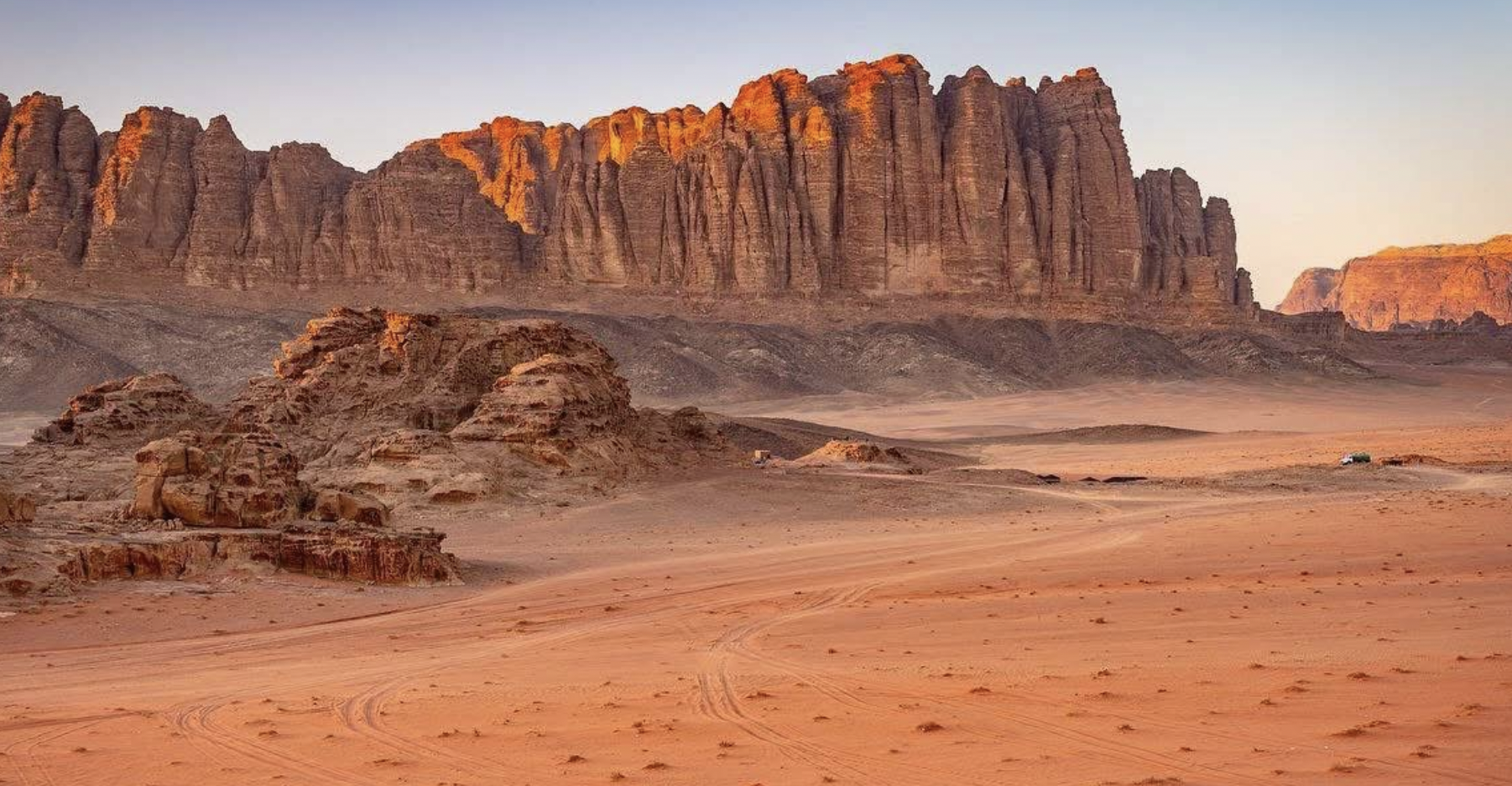
If Mars had a postcard, it would probably look a lot like Wadi Rum. This vast red desert in southern Jordan—towering sandstone and granite cliffs, sculpted arches, wind-carved canyons and skies so dark with stars they humbles your phone camera. Wadi Rum has been a crossroads of people, trade and stories for millennia. The Wadi Rum Protected Area is a UNESCO World Heritage site for a reason: its geology, rock art and long human history. In fact, people have lived and left marks here for roughly 12,000 years.
In this blog post I’ll walk you through this fascinating desert. You will understand better who the Bedouin of Wadi Rum are and how they live. Of course I will advice you how to experience the desert properly (day tours, multi-day hikes and true wilderness camping). Are you wondering if it’s possible to visit on your own, without a tour guide? You will find the answer further on!
The Bedouin of Wadi Rum
Let’s start with the inhabitants of Wad Rum. The word “Bedouin” comes from the Arabic badawī, meaning desert dweller. In Wadi Rum, Bedouin communities are descendants of long-standing nomadic and semi-nomadic groups who historically lived from herding (mainly camels, goats and sheep) and guiding caravan routes. The desert’s springs, caves and rock shelters preserved petroglyphs and inscriptions left by many cultures that passed through—Thamudic, Nabataean and other kingdoms. You have to understand that the Bedouin here are part of a very long human story.
Traditions that still define Bedouin culture in Wadi Rum include strong codes of hospitality. Guests are always treated with great respect. If you visit a Bedouin family, take your time to hear their stories, their music and don’t hesitate to taste foods cooked slowly over coals. Obviously Arabic coffee and mint tea are always offered to welcome you.
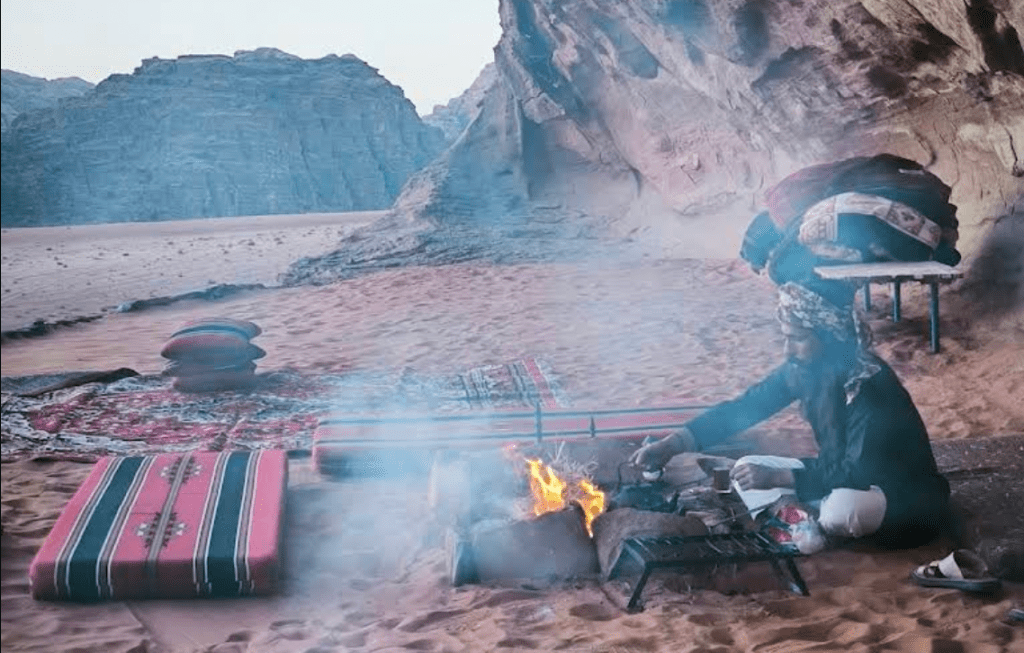
Historically tents woven from goat hair provided shelter but today many families also live in permanent village houses, run camps for visitors, or work in tourism while maintaining desert ties. Modern life combine trucks and phones with age-old practices. Many Bedouins shuttle between the village and the camps, host visitors, offer guiding and driving services, and teach guests about desert survival and customs.
If you want a genuine cultural moment, share a meal in a family-run camp, sit by the fire and listen to stories and songs. Several small camps stress sustainable and respectful encounters. When I travel, I usually avoid organized tours, but in Wadi Rum the local tour guides are essential to understand the desert life. Most of the camps are run by people who grew up in the landscape you’re exploring and they can tell you many stories about the history and traditions of this place.
How to visit Wadi Rum?
Short visits & classic activities
Many visitors experience Wadi Rum on a half-day or full-day trip from Aqaba.You can hop on a 4×4 jeep “safari” to so called “must see” landmarks: Lawrence’s Spring, the Seven Pillars of Wisdom, natural arches. You can also get some short guided camel rides. Those who opt for a one night stay will enjoy the atmosphere of a Bedouin camp and the stargazed sky at night. These short tours are great if you want a compact taste of the landscape or if you simply don’t have time for a longer stay.
Multi-day hikes and trekking
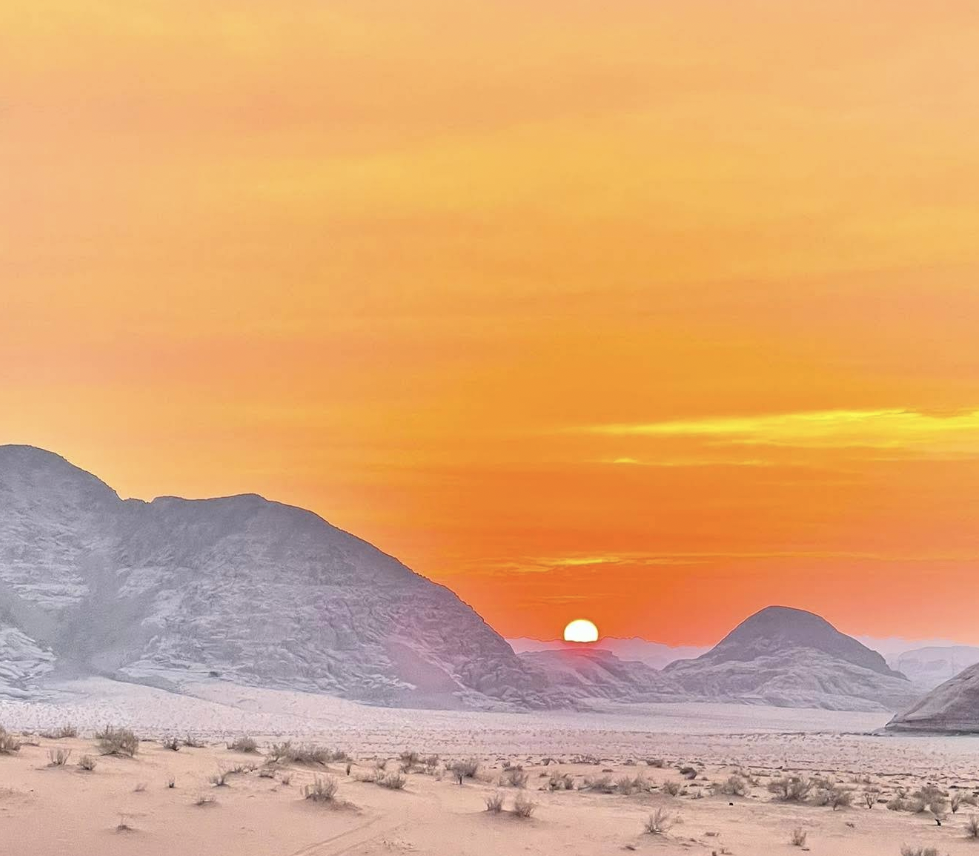
I always advice to so slow down and experience Wadi Rum through a multi day trip. Hiking for 2-3 days in the wilderness of the desert, enjoying endless silence, sleeping under stargazed sky and taking time to listen the Bedouin’s stories. This is how your ideal trip to Wadi Rum should look like. In fact, you will find many tour operators and local guides that run 2- 5 day treks that cross valleys, climb viewpoints, move between canyons and include nights under canvas or in Bedouin camps. These multi-day hikes let you experience the desert’s changing light, the calm and the silence. These tours give you access to remote petroglyphs, hiking routes and viewpoints that you will never discover during one day visit.
Many multi-day treks and jeep expeditions include wild nights which means camps set up by guides with sleeping mats and blankets. This also means food cooked on fire. It’s true that informal wild camping is practiced on guided treks but remember that Wadi Rum is a protected area. There are certain entry formalities and if you decide to hike and camp on your own, make sure that you really know where to go. On the other hand working with local providers helps support the economy and conservation of this incredible place. It’s up to you if you decide to visit Wadi Rum with or without a guide.
Do you really need a guide to visit Wadi Rum?
Question repeated many times and you have already found a partial answer above. Many advanced hikers defeat from organized tours and want to visit the desert on their own. Well, the short answer is: yes, you can enter Wadi Rum and the Protected area on your own and you are not obliged to enroll for a tour. The point is that you really must have a solid experience in hiking the desert in order to explore it on your own. If you stop here just for couple of hours and don’t sleep overnight, then you can enter the visitor centre and walk nearby on your own. For anything beyond short walks it’s strongly recommended — and in practice usually necessary — to work with a local guide or camp. Why? Wadi Rum is huge and trackless in places; routes and sites are spread across hundreds of square kilometers, and navigation can be tricky. The Visitor Centre is the official entry point where you obtain your park ticket and—if you’ve booked with a camp—your camp’s driver or guide will meet you there. Many guides will also handle the official permits and logistics for entering remote parts of the reserve. It is strongly advised to hire a guide for a in depth exploration of this desert. If you just want to get off your car and take a short walk near the visitors centre, no problem doing that by yourself.
Some experienced independent hikers or journalists that drive with proper 4×4 do explore the whole Wadi Rum area on their own. This kind of adventure really requires solid desert navigation experience, reliable communications, and awareness of the protected-area regulations. For most travelers the guided option is much safer and generally more rewarding. You just need to find the right tour guide and experience that cater all your needs.
Entrance & permits
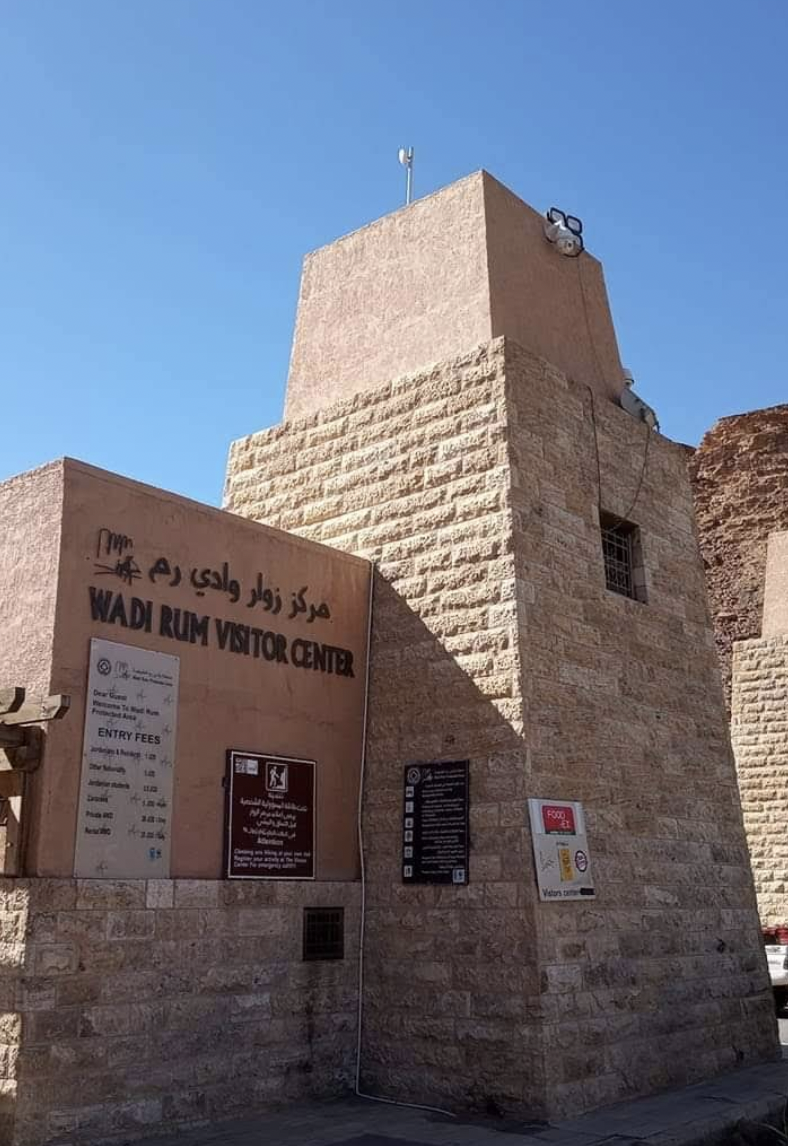
You enter Wadi Rum via the Wadi Rum Visitor Centre and pay the protected-area fee there (t5–7 JOD per person). The Visitor Centre also provides maps and coordinates if you wish to explore Wadi Rum on your own. You have to stop at the visitor centre as required, register, pay the entry fee and then you may decide either to visit on your own or with a guide. Remember that the fee covers conservation fund.
Accommodation
One of the most magical parts of visiting Wadi Rum is choosing where you’ll sleep. The desert offers not just places to stay, but real experiences. As said before, you should stay here overnight – at least one night. You can choose a luxurious dome glowing under the night sky or a quiet family-run tent where Bedouin stories drift with the smoke of a campfire. No matter your style of travel, there is a corner of the desert that will feel just right. So let’s see what type of accommodation can you choose in Wadi Rum:
Bubble pods and domes
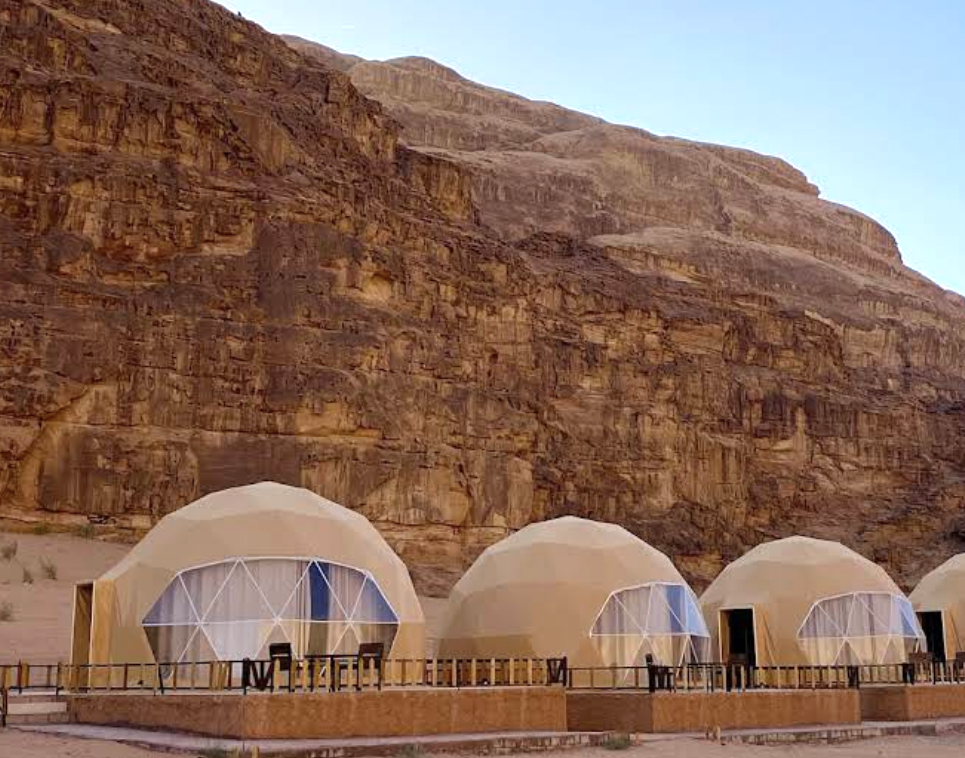
Let’s start with the bubble pods and domes. Here you will have hotel-like comforts: real beds, private bathrooms, electricity, and enormous panoramic windows that frame the red mountains like a living painting. Waking up inside one of these domes is surreal — you open your eyes and the desert is right there, glowing gold in the early light. These camps are often favorite for instagrammers, bloggers, honeymooners, and anyone who wants to experience the landscapes of Wadi Rum without giving up comfort. Sounds like what you were looking for? Check Salman Zwaideh Camp – relatively small camp far away from bigger and much more touristy options. Here you will sleep in cozy dome rooms, admire the Milky Way and wake up to the beautiful light of the desert. It’s also a great and safe option for families with kids.
Fixed Bedouin camps
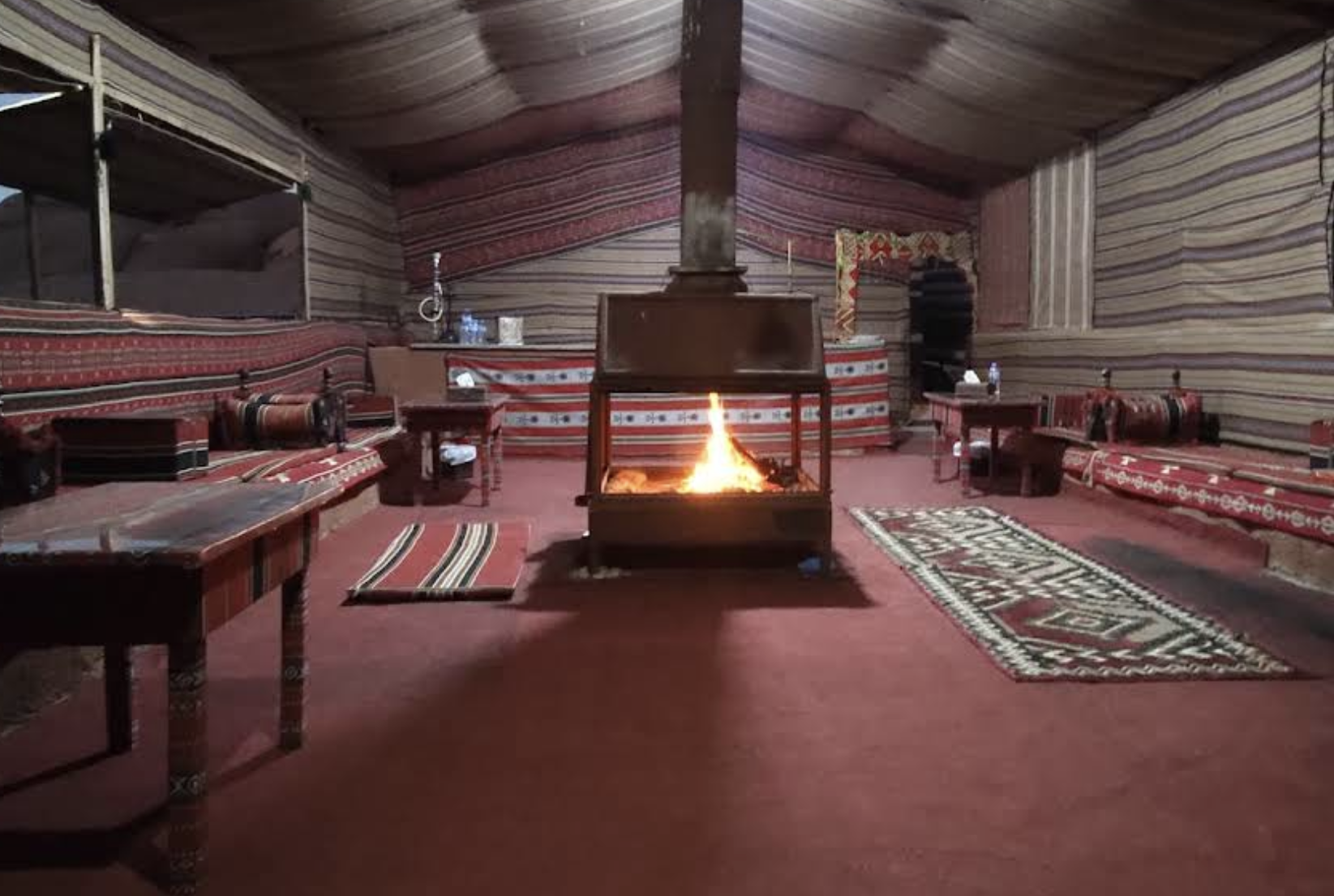
If you are able to make a step down in luxury then check out the Bedouins camps spread throughout the protected area. These are the traditional desert camps of Wadi Rum: rows of striped tents, a big communal dining tent where tea is poured endlessly, and the warm smell of dinner slow-cooking under the sand. They usually offer simple but comfortable beds, shared facilities, and a welcoming space for meeting other travelers. Evenings often end with music, stories, and a sky so clear it feels heavy with stars. These camps strike a wonderful balance — comfortable, accessible, and still very much rooted in local culture. Negative sides? These are usually big camps and serve organized groups of tourists. It’s great if you want to meet new people but it’s not for you if you want to enjoy the real vibe of the desert and some silence.
Small family-run Bedouin camp
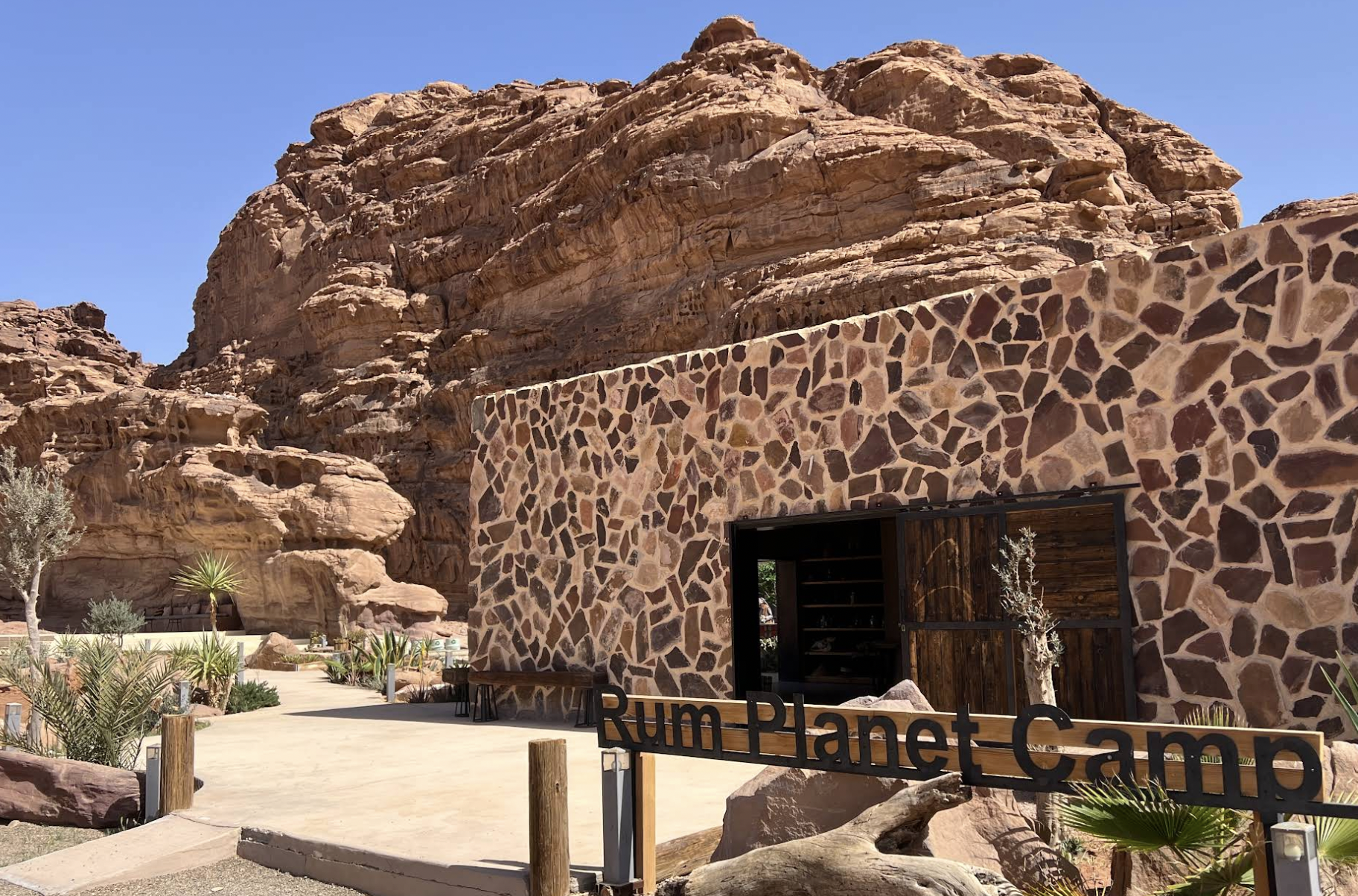
For those who want something quieter and more personal, small family-run Bedouin camps provide a deeper connection to desert life. These are intimate places with only a handful of tents, run by families who grew up among these mountains. You’ll likely eat home-cooked meals in a cozy tent, sip sweet tea around a fire, and learn about traditions and daily life directly from your hosts. The atmosphere is slower, more genuine, and often more peaceful than the bigger camps. It’s a perfect choice for people who want to feel part of the desert, not just visitors passing through it. If this sounds like what you are looking for, check out Rum Planet Camp. It’s run by local Bedouin hosts and offers traditional hospitality combined with tailored programs like jeep safaris or guided walks. The real highlight here are the small-groups. It’s simply a perfect choice if you want a quieter, more personal stay run by a local family. You can contact then directly and define your customized tour. They offer 4×4 tours tuned to your interests and needs,traditional meals (also vegetarian), tea and coffee around the fire and tented accommodation. Either you come for just one day or a multi-day trek, they will arrange everything and make you feel like you were part of their family.
Wilderness camping
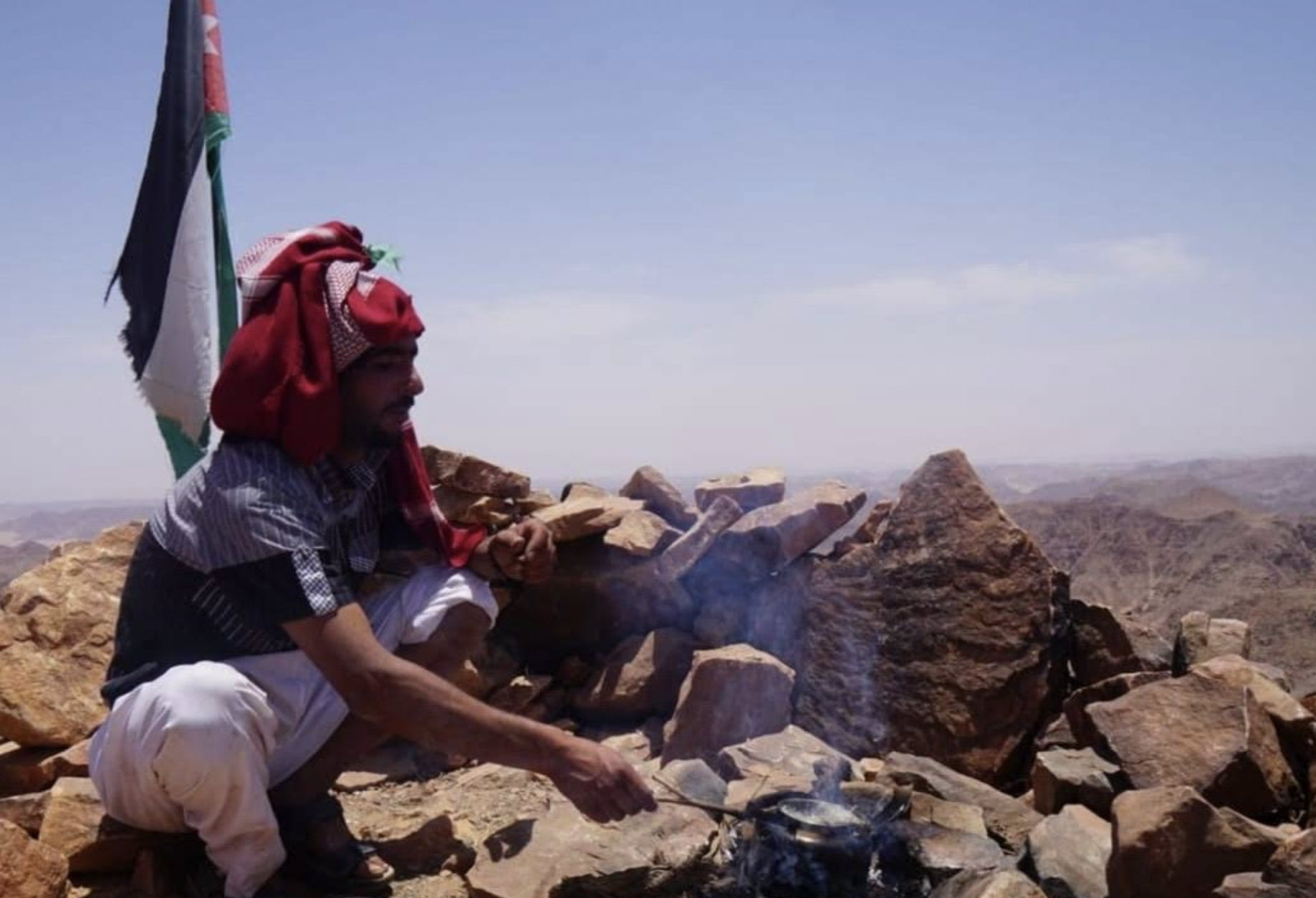
On trekking routes or guided expeditions, your Bedouin guide may set up a mobile camp deep in the desert, far from the fixed camp zones. There are no buildings, no lights, just a simple fire, sleeping mats, and a sky that stretches untouched across the horizon. Dinner is cooked on open coals. It’s the most raw and immersive way to experience Wadi Rum. If this is the type of experience you want to have, then contact Rum Planet Camp to customize your trip.
A few travelers choose to wild camp on their own, carrying all their food, water, and gear. As said before, it’s surely possible and permitted but it’s only recommended for those with real desert experience and strong navigation skills — Wadi Rum is vast, the weather can shift quickly, and the protected-area rules must be respected.
Wadi Rum Village Accommodation
Another option, especially for budget travelers is to stay in Wadi Rum Village. Small guesthouses and basic rooms provide a simple base just outside the protected area, making it easy to join day tours while still having access to shops, parking, and local restaurants. In the village you will find also traditional tents and some luxury glamping options. If you don’t like planning ahead, you can just stroll around and find the right place for you.
Whichever accommodation you choose, the experience of spending a night in Wadi Rum is unforgettable. As the sun sinks behind the cliffs, the mountains fade to purple, the air cools, and the desert begins to glow under the Milky Way. You settle into your tent — be it a luxury dome or a humble goat-hair shelter — and realize that in Wadi Rum, the night itself is part of your experience.
How to get there?
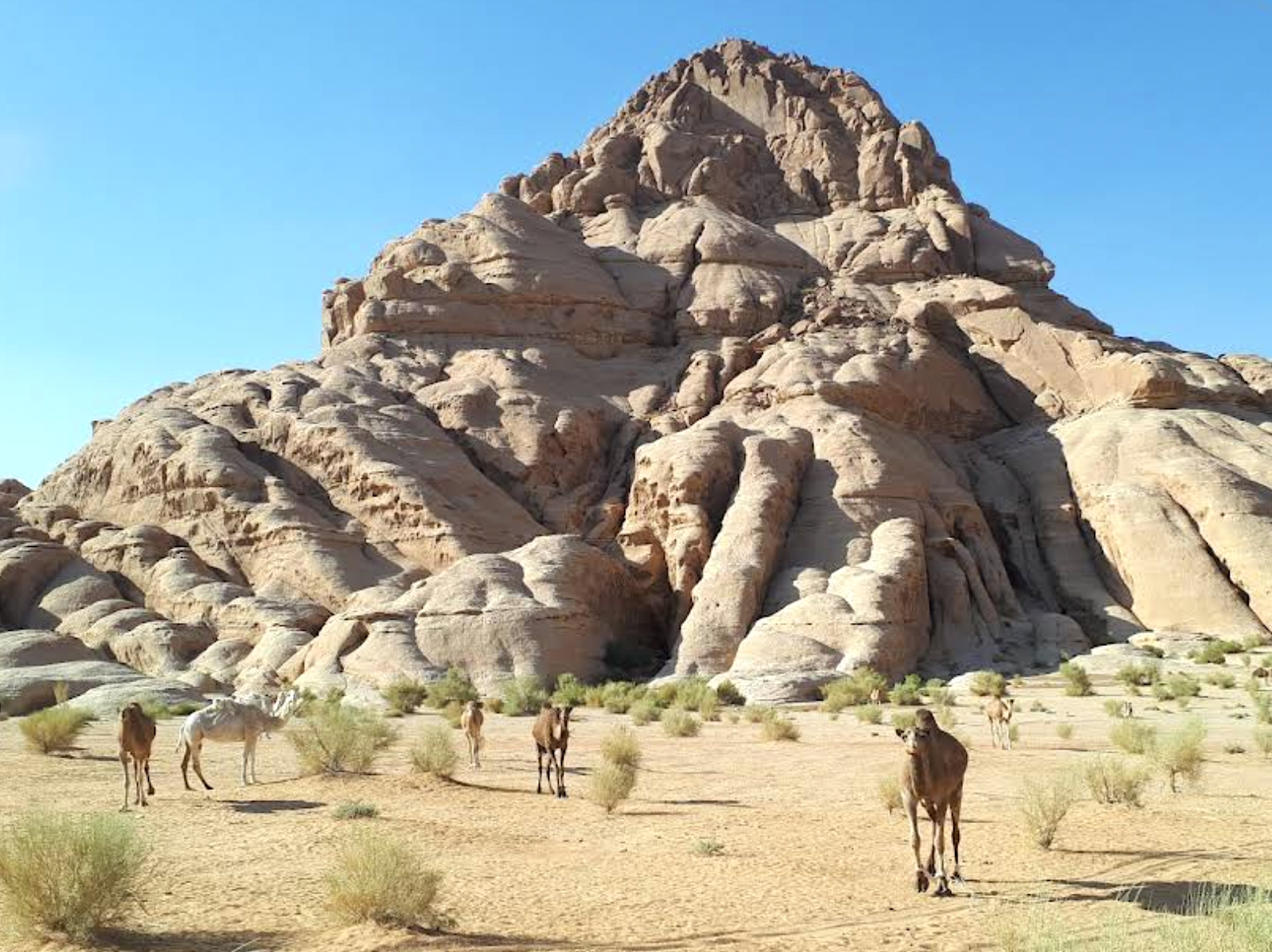
Wadi Rum sits roughly 60 km east of Aqaba and about 100–170 km south of Amman depending on route. Your best options of travel:
- From Amman: public buses (to Ma’an or Aqaba) + taxi. Check the JETT bus schedule. From Aqaba it’s typically a 45–75 minute taxi ride.
- From Petra: Taxis and private transfers are straightforward; it’s roughly a 1–2 hour drive depending on where in Petra you start. There is no public bus connection.
- From Aqaba: easiest and fastest — rent a car, share a taxi or book a transfer with your guide in Wadi Rum. It takes roughly an hour.
If you drive yourself, you’ll still stop at the visitor centre when you enter the protected area. If you don’t have a 4×4, the guides will pick you up from the visitor centre or Wadi Rum village. You cannot visit the desert without a 4X4 vehicle.
Best time to go
Spring (March–May) and autumn (September–November) offer the most pleasant temperatures. Summers are hot; winter nights can be cold but are definitely less crowded. Weather conditions can affect travel plans—ask your camp or guide about seasonal considerations.
Safety and responsible travel tips
- Follow local advice: Guides know the desert and the cultural norms. Respect Bedouin hospitality and household rules. Dress modestly and always ask before photographing people.
- Carry water, sunhat, sunscreen and layers for cold nights.
- Leave no trace: Wadi Rum is protected so disperse waste properly, avoid damaging rock art and stick to agreed camping locations.
- Remember that supporting small local camps helps local economies and conservation.
Wadi Rum is not only the beautiful scenery—it’s living heritage. Sharing a tent with Bedouin hosts, hearing the desert stories, climbing a sandstone ledge at dawn and watching the light turn the sand to copper: that’s what makes this place unforgettable.
 Nomadlytics
Leave a comment