
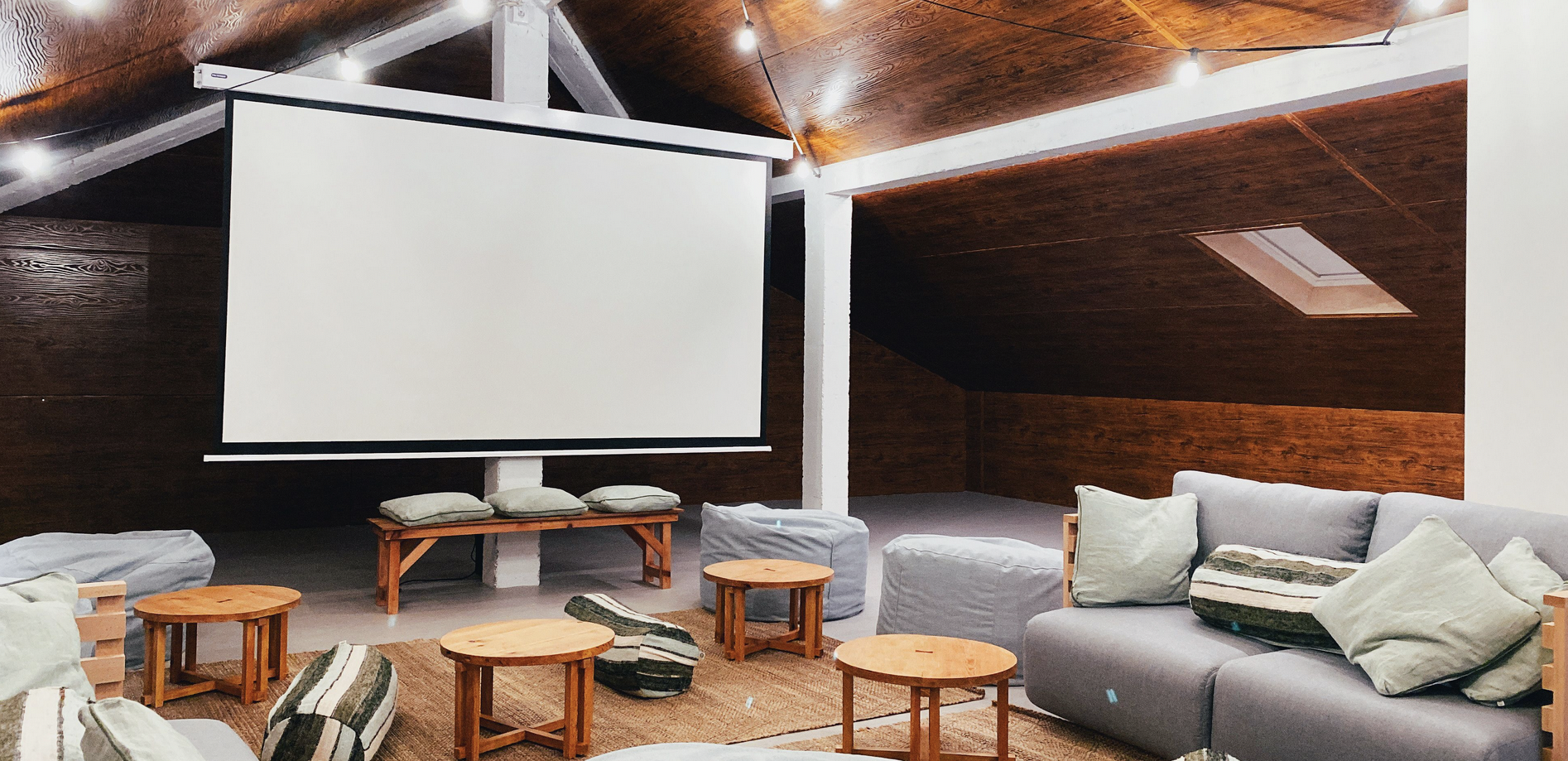
A New Era of Living for Remote Workers
As remote work becomes the norm, digital nomads have more freedom than ever to choose where and how they want to live. You can settle into the heart of a European capital, escape to a sun-soaked beach town, or hop between creative hubs around the world. But with all that freedom comes an important question:
Should you go for a traditional rental, or embrace the growing trend of co-living?
Both options offer something different, and each comes with clear pros and cons. The “best” choice really depends on your budget, lifestyle, and how social or flexible you want your living experience to be. For some, co-living delivers instant community and zero hassle. For others, renting provides the independence and stability they need to feel at home.
In this expanded guide, I break down the key differences to help you decide which option fits your next chapter as a location-independent professional.
What Is Co-living?
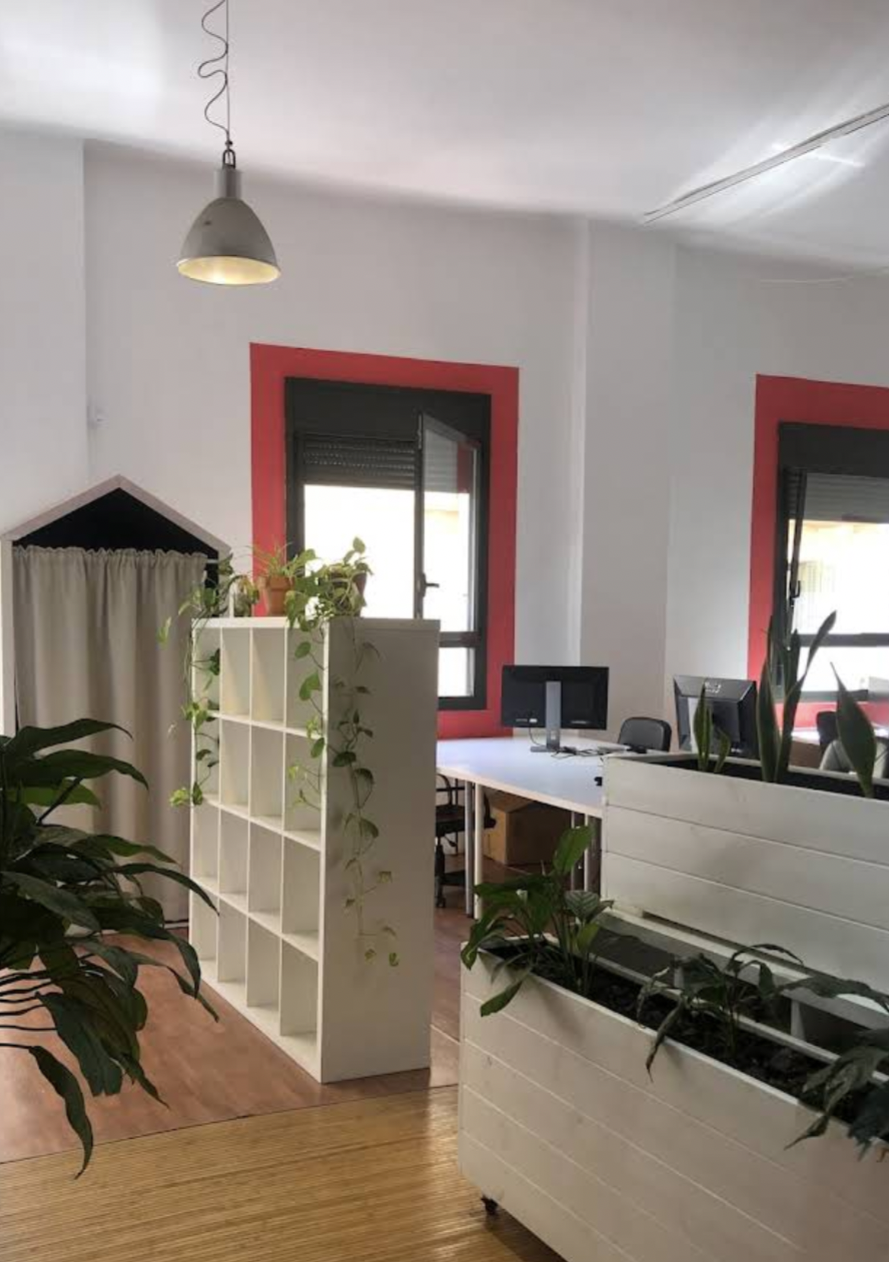
Co-living is a modern housing model designed with remote workers, travelers, and creative professionals in mind. Instead of renting an empty apartment, you typically rent a private room or studio inside a shared home. What makes co-living appealing is that it bundles together everything you need to live comfortably—no setup required.
A typical co-living space includes:
- Fully furnished accommodation
- Common work and social spaces
- Utilities and high-speed Wi-Fi included
- Weekly cleaning
- A built-in community of like-minded remote workers
- Optional events, workshops, or community dinners
It’s currently super popular in cities like Lisbon, Berlin, Milan, and Mexico City, where the digital nomad scene is thriving and people are constantly arriving looking to meet others.
The biggest selling point? You can walk in with a suitcase and instantly have a home base and a community.
What About Traditional Renting?
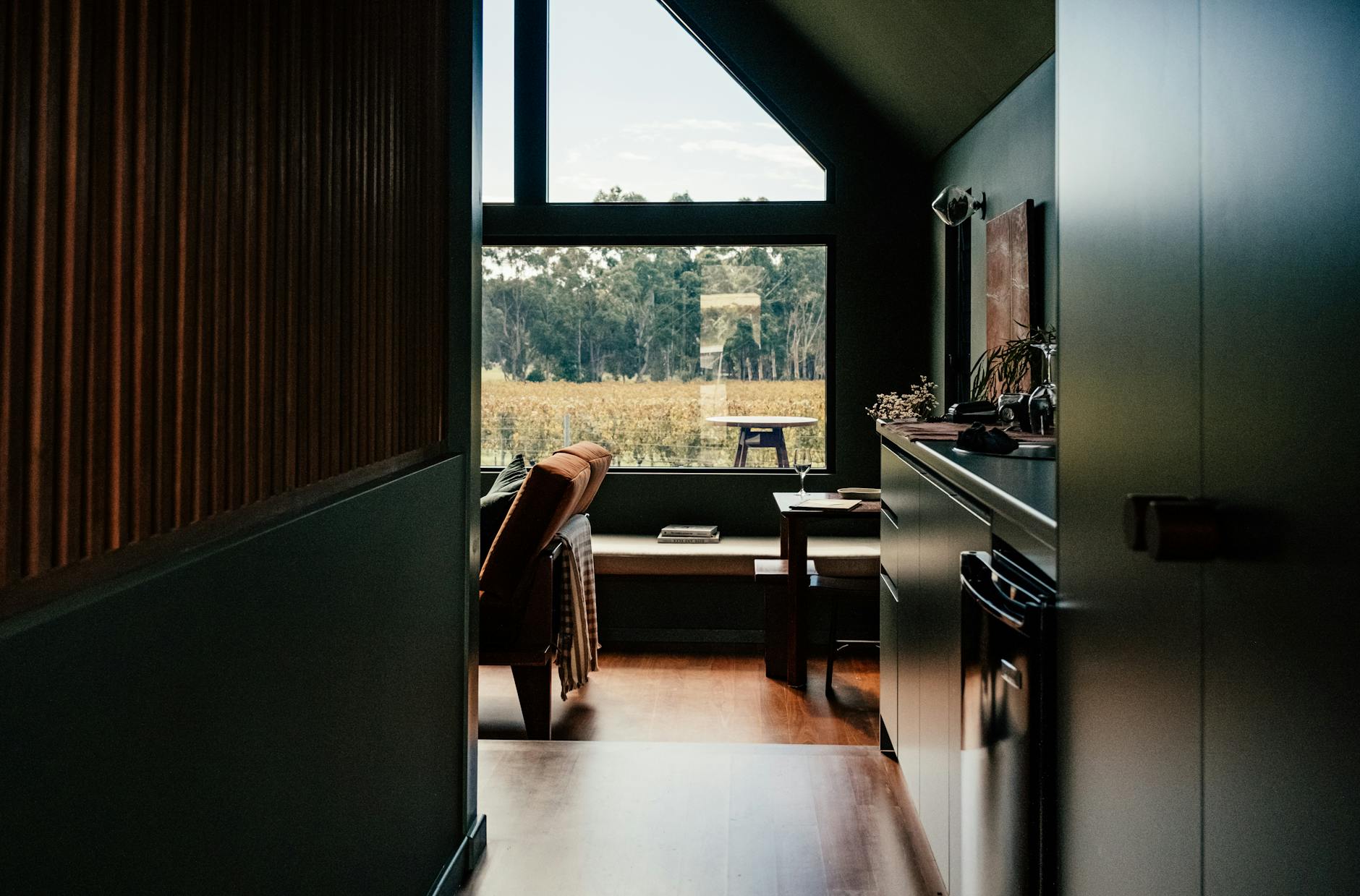
A standard rental is the classic option most people already know. You find an apartment, sign a contract, move your things in, and make it your own. It offers a sense of stability and independence that many nomads still value.
Renting usually means:
- A lease of 6–12 months or longer
- Paying your own utilities and setting up Wi-Fi
- Furnishing and personalizing the space
- Handling maintenance and repairs
- Living independently, with or without roommates
While renting can require more effort up front, it often becomes cheaper the longer you stay. And for people who prefer quiet, privacy, and personalization, it’s a great fit.
Co-living vs. Renting:
Side-by-Side Comparison
1. Flexibility
Co-living:
✔ Short leases (week-to-week, monthly, or 3-month stays)
✔ Great for nomads changing cities often
✔ No setup time — just arrive and start living
Renting:
✘ Typically requires long leases
✘ Upfront costs like deposits, utilities, furniture
✔ Good if you plan to stay put for months or years
Winner: Co-living for short-term mobility. Renting for long-term stability.

2. Cost
Co-living:
You pay more per month but everything is included:
- Wi-Fi
- Utilities
- Weekly cleaning
- Furnishings
- Community events
Renting:
Cheaper monthly rent, but add:
- Deposit
- Furniture
- Internet installation
- Utilities
- Repairs/maintenance
Winner: Renting is more affordable, but co-living offers better value for short term stays.
3. Community

Co-living:
✔ Instant network of remote workers, creators, and travelers
✔ Shared dinners, events, co-working spaces
✔ Easy to make friends when arriving in a new city
Renting:
✘ You’re on your own
✔ Can be peaceful for introverts
✔ You choose your own social life and pace
Winner: Co-living if you want connection; renting if you want privacy.
4. Lifestyle & Comfort
Co-living:
✔ Modern, furnished spaces
✔ Good for those who prefer minimal fuss
✔ Amenities designed for remote work
Renting:
✔ Full control over your environment
✔ More privacy
✔ Customize your home as you like
Winner: Tie, depending on whether you crave independence or convenience.
5. Remote Work Setup

Co-living:
✔ Often includes co-working areas
✔ Fast Wi-Fi (usually guaranteed)
✔ Supportive environment for productivity
✘ Can sometimes be noisy or busy
Renting:
✔ You set up the perfect home office
✔ Total control over noise, desk setup, lighting
✘ Requires investment in furniture and gear
Winner: Renting for control, coliving for convenience.
Which Is Better for Digital Nomads?
Choose Co-living If You Want:
- Flexibility to move around
- A fast social life in a new city
- Zero hassle with furniture, utilities, or cleaning
- A place optimized for remote work + community
Choose Renting If You Want:
- A private, quiet space you can make your own
- Lower long-term costs
- More control over your environment
- To stay in one place longer
There’s no “one-size-fits-all” answer for digital nomads choosing between co-living and traditional renting. It all comes down to how you like to live, how long you’re staying, and how important community, convenience, or privacy are to you.
The beauty of the digital nomad lifestyle is that nothing is permanent — you can always experiment with both. Try co-living in one city, rent your own apartment in the next, and see what feels right for your personal rhythm.
If you’re feeling inspired and want to dive deeper into the world of remote work and location-independent living, check out my other posts about the digital nomad lifestyle here.
 Nomadlytics
Leave a comment