

There are places that don’t try to impress you loudly. They don’t overwhelm you with landmarks or demand your attention. Instead, they slowly pull you in—with quiet streets, soft light, and landscapes so green they feel unreal. Salento and the Cocora Valley are exactly that kind of place.
Nestled in Colombia’s Coffee Region, Salento is often described as charming, colorful, and picturesque—and while all of that is true, it’s also something more subtle. It’s a place that feels gently suspended in time, surrounded by rolling hills, misty mountains, and some of the most extraordinary landscapes in the country. Add to that a hike through the Cocora Valley, home to the towering wax palms, and you have one of Colombia’s most unforgettable experiences.
If you’re traveling through Colombia and want a mix of nature, tradition, and slow travel, Salento and Cocora Valley deserve a place on your itinerary.
Salento: A Town That Moves Slowly
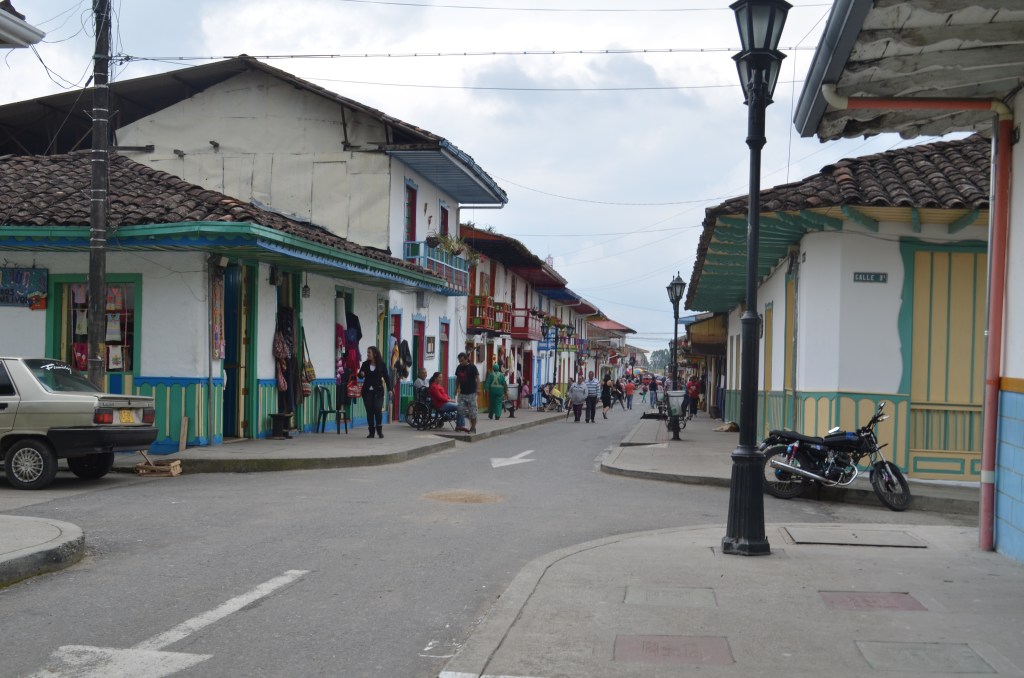
Salento is a quaint town with a cute main street, brightly painted balconies, and a pleasant central square where locals gather in the late afternoon. The town is small, walkable, and immediately welcoming. The surrounding hills are lush and beautiful, rolling endlessly in shades of green that seem to shift with the light.
It’s very common to see local elders dressed in traditional ponchos, sitting on benches, chatting quietly, or watching the day pass by. These small details give Salento a sense of authenticity that hasn’t been fully polished away by tourism.
The town itself feels sleepy and a bit stuck in the past. Shops open late, life moves slowly, and evenings are quiet. There’s no real nightlife here, and that’s part of the charm. Salento isn’t a place you rush through—it’s a place you pause in. While many travelers come just for a day, it’s absolutely worth spending at least one night here. When the day-trippers leave, Salento reveals its calmer, more intimate side.
Why Salento Is Worth Staying Overnight?
Spending the night in Salento allows you to experience the town without the crowds. In the early morning, mist hangs over the hills, coffee brews quietly in local cafés, and the streets feel almost empty. In the evening, the square fills with families, street food vendors, and a gentle hum of conversation.
Staying overnight also makes it much easier to visit Cocora Valley early in the day, before the trails get busy. Salento is the gateway to Cocora Valley, and nearly every traveler who comes here does so for one main reason: to hike among the wax palms.
Cocora Valley: Entering a Dreamlike Landscape
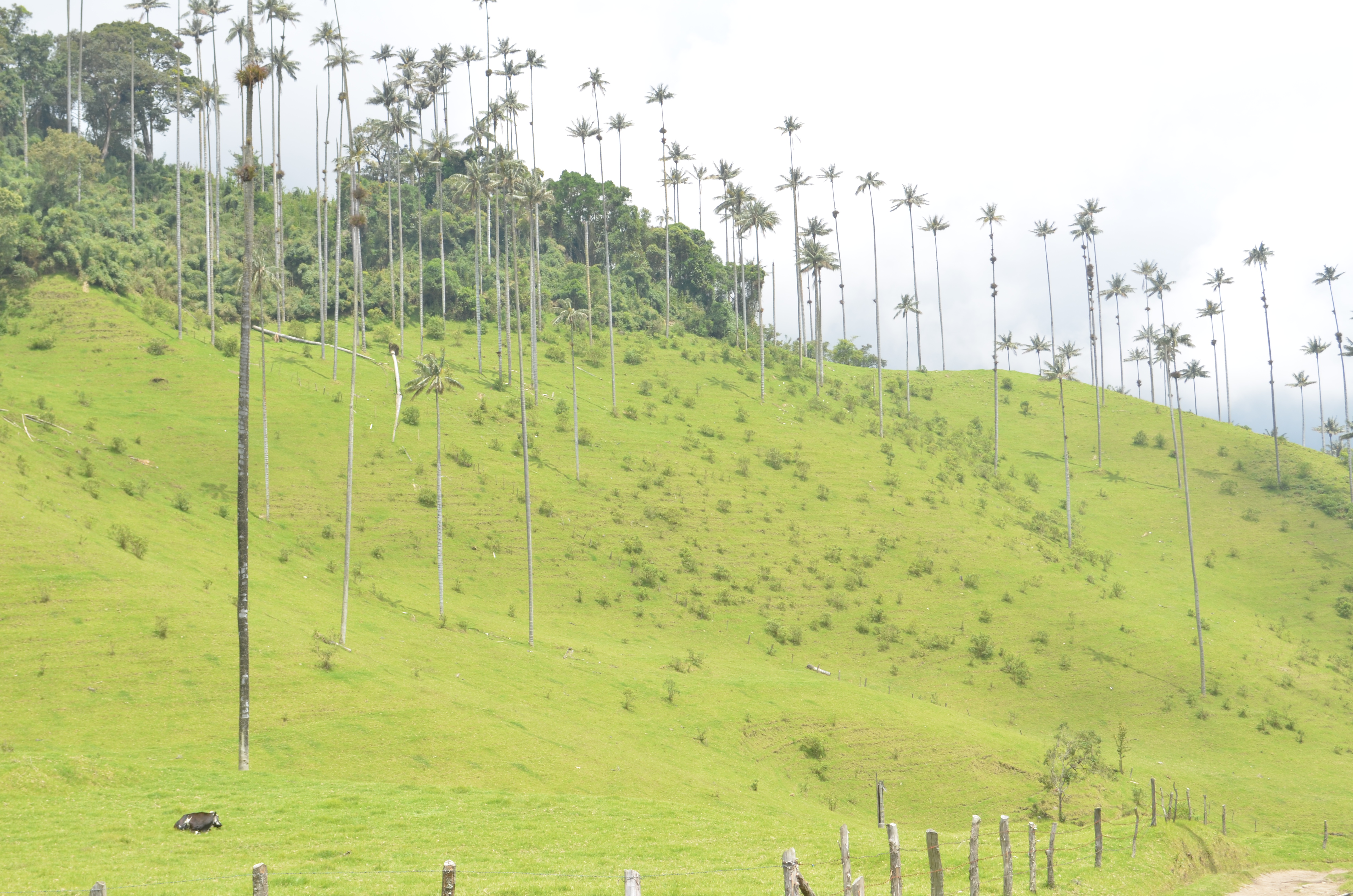
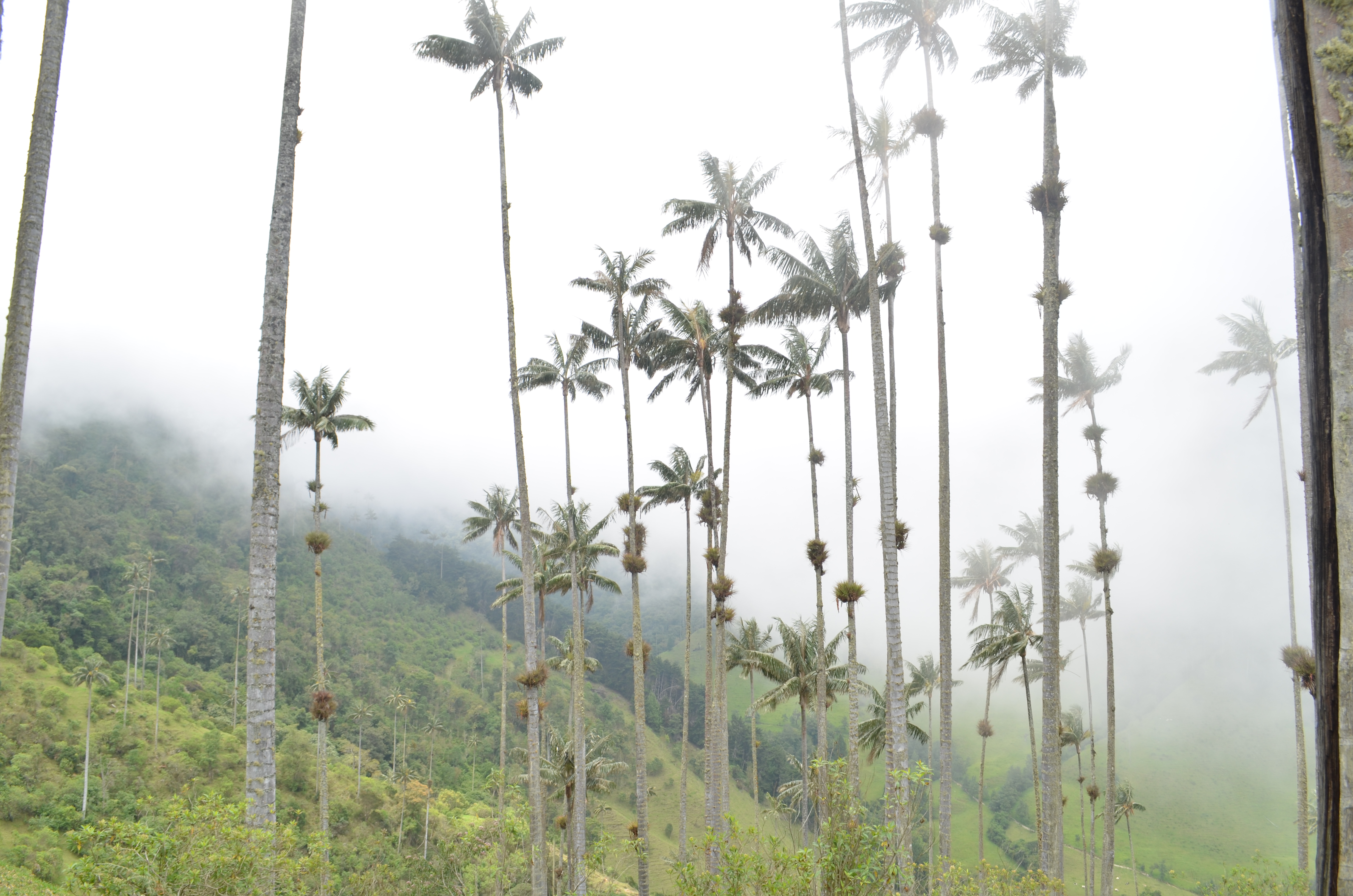
Cocora Valley is one of Colombia’s most iconic natural landscape. This is the home of the wax palm, Colombia’s national tree, which can grow over 60 meters tall. Seeing them rise dramatically from the valley floor, often shrouded in mist, feels almost surreal.
Getting there is easy. From Salento, you can take a shared jeep (Willy) from the main square, grab a taxi, or drive yourself if you have a rental car. The journey takes about 30 minutes and winds through green countryside before opening into the wide valley.
As soon as you arrive, it’s clear this isn’t just another scenic hike. The scale of the landscape, the shifting weather, and the silence of the mountains will stay with you for a while.
Hiking into the Cloud Forest
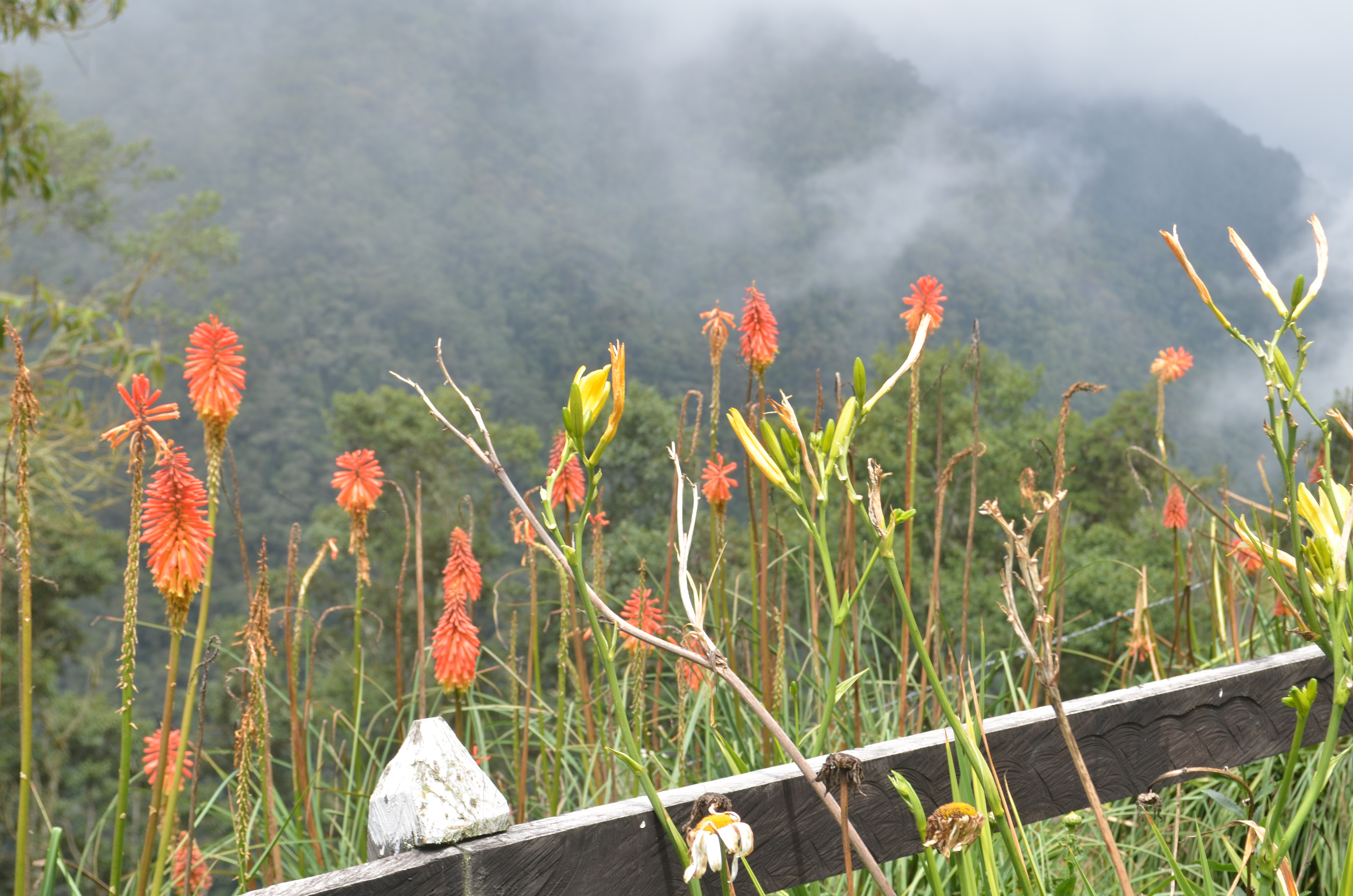
While many visitors stay near the main viewpoint to take photos of the wax palms, the real magic of Cocora Valley lies deeper—in the cloud forest.
From the entrance, the trail leads you gradually into dense jungle. The air becomes cooler and heavier with moisture, and the path winds through hanging moss, giant ferns, wooden bridges, and towering trees. With every step your experience will feel more immersive. Slowly you will be moving deeper into a living, breathing ecosystem.
At the top of the valley, you pay a small fee to enter a private compound managed by an elderly local couple. They say that the fee covers their effort to maintain local ecology, and whether or not their operation is perfectly formal, it feels personal and sincere. The entrance fee includes a cup of hot chocolate, which tastes especially comforting after the climb.
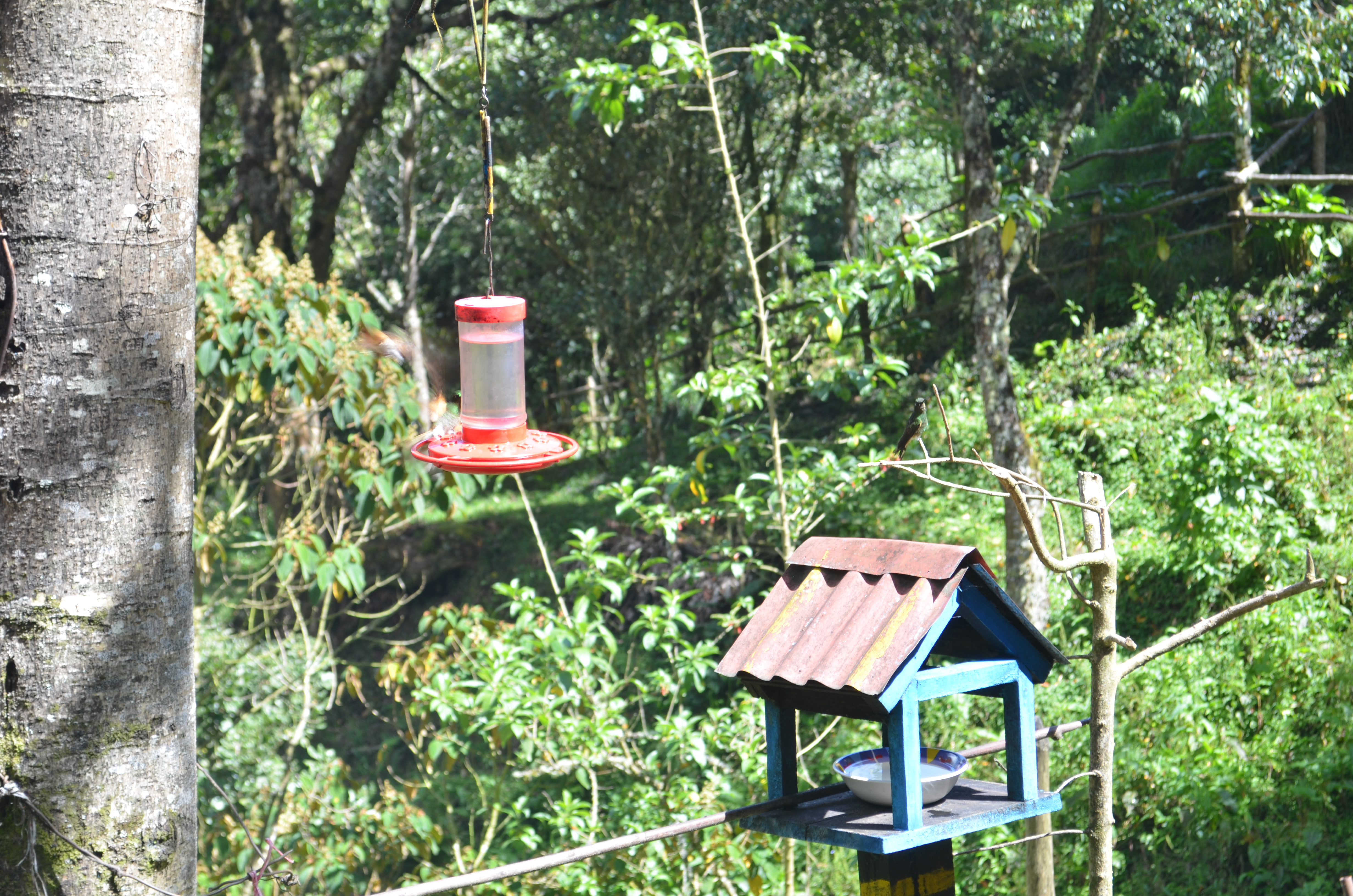
This spot is also a haven for multicolored colibríes (hummingbirds). They zip left, right, and center around the bird feeders the couple have installed, moving so fast they barely seem real. Watching them hover, dart, and disappear into the forest is mesmerizing—and one of the quieter highlights of the hike.
From this point, you can resume your hike and continue climbing. The trail becomes steeper, and you’ll notice the altitude more clearly. As you approach almost 3,000 meters above sea level, breathing becomes heavier, and you may feel light-headed or slightly dizzy.
Take it slow. This part of the hike isn’t about speed—it’s about being present. The forest gradually opens up, revealing wide views of the valley below. Clouds drift in and out, changing the landscape minute by minute. The sense of isolation here is powerful. The sounds of people fade, replaced by wind, birds, and the occasional rustle of leaves. It’s a reminder of how vast and wild this region still is.
Instead of turning back the same way, I descended on the opposite side of the valley, completing a full loop. This descent is where Cocora Valley truly becomes unforgettable. The mist rolls across green pastures dotted with cows, while the hills are covered in imposing wax palms that seem to defy gravity. The palms rise straight and impossibly tall from the earth, creating a landscape that feels almost otherworldly.
There’s something deeply calming about this section of the hike. The terrain is gentler, the views are wider, and the combination of fog, green fields, and towering palms makes the experience feel both glorious and surreal.
The entire hike—from the bottom of the valley, through the cloud forest, over the ridge, and back down the other side—took me about five hours. It was physically demanding at times, but absolutely worth it.

From Cocora Valley, you return to Salento the same way you came—dusty, tired, and deeply satisfied. Back in town, the simple comforts feel especially rewarding: a warm meal, a quiet evening, and a good night’s sleep.
That’s one of the things Salento does best. It doesn’t overwhelm you with options or distractions. Instead, it gives you space—to rest, to reflect, and to let the experience settle in.
Practical Tips for Visiting Salento & Cocora Valley
- Best time to visit: Early morning is ideal for Cocora Valley to avoid crowds and catch clearer weather.
- What to wear: Layers, waterproof jacket, good hiking shoes. Remember that in the mountain weather changes quickly.
- Altitude: Take your time, stay hydrated, and don’t rush the climb.
- Cash: Bring small bills for entrance fees, snacks, and transport.
- Fitness level: Moderate or challenging depending on the route—but manageable if taken slowly.
How to get there?
Getting to Salento is relatively easy and part of the journey is already a pleasure in itself, as it takes you through Colombia’s lush Coffee Region. Most travelers arrive via Armenia, the closest city with good transport connections. From Bogotá, Medellín, or Cali, you can take a short domestic flight to Armenia’s El Edén Airport, followed by a taxi or bus ride of about one hour to Salento.
If you’re traveling overland, regular buses run from major cities to Armenia’s main bus terminal. From there, frequent shared jeeps (Willys) and local buses depart throughout the day for Salento, climbing steadily into the hills. The final stretch offers beautiful countryside views and sets the tone perfectly for your stay in this charming mountain town.
I totally advice you to come here after visiting the Colombian coffee region. If you would like to discover more about that part of Colombia check my dedicated post here.
Accommodation
Salento offer some options in terms of accommodation. Most travelers arrive here for a day trip so you shouldn’t have any problem finding a basic room for an overnight stay. Just in the heart of Salento you will find Hotel Salento Real. The rooms are spacious, bright, and elegantly furnished with traditional Colombian décor, and many offer views of the surrounding hills. The hotel’s central location means you can easily wander to cafés, artisan shops, and restaurants without worrying about transportation.
For travelers who prefer charm and character alongside excellent service, Finca Nuevo Mundo is a standout choice. This beautifully restored guesthouse offers traditional architecture and modern comforts. Here you will sleep in cozy rooms and you will enjoy serene garden patio – perfect for morning coffee or evening tea. The staff are super kind and ready to give you plenty of local tips: from the best places to eat to little-known viewpoints in the hills. Its location is slightly away from the busiest streets but still within a walking distance from the center.
Why Salento and Cocora Valley Stay With You?
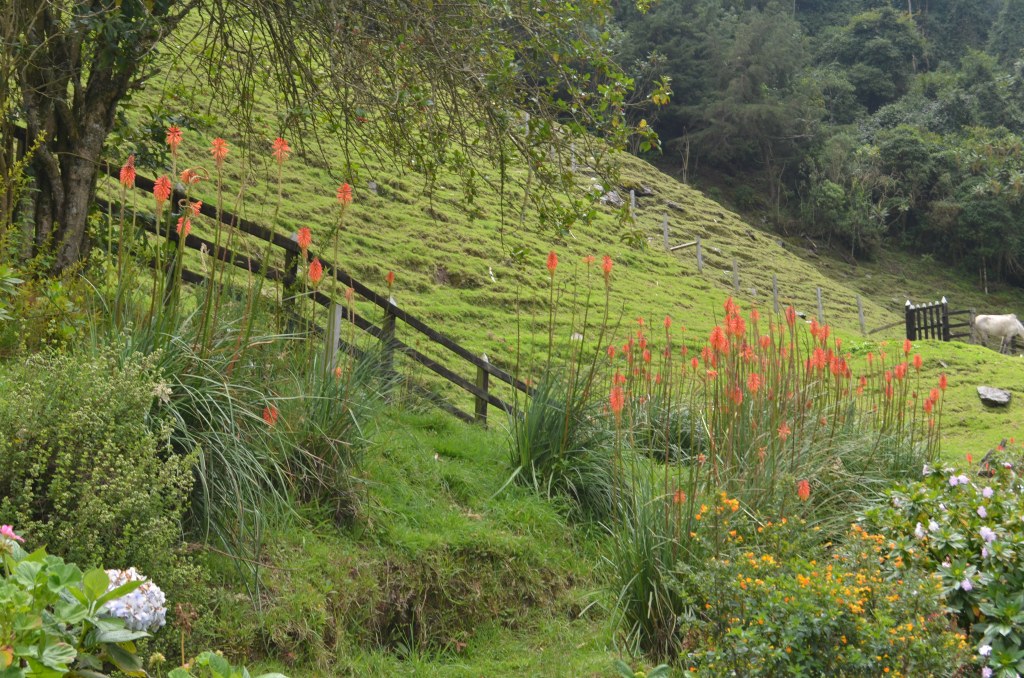
Salento and Cocora Valley aren’t just beautiful—they’re grounding. They remind you to slow down, to breathe deeper, and to appreciate landscapes that haven’t been overly curated or tamed.
The sleepy town, the elders in ponchos, the cloud forest, the hummingbirds, the misty hills, and the towering wax palms all come together to create an experience that feels timeless.
If you’re traveling through Colombia and looking for a place that combines natural beauty, cultural authenticity, and genuine stillness, Salento and Cocora Valley are not just worth visiting—they’re worth lingering in.
 Nomadlytics
Leave a comment