

Bogotá, the capital of Colombia, is one of South America’s most dynamic and culturally rich cities. Sitting high in the Andes at over 2,600 meters above sea level, the city will offer you a good mixture of colonial history, world-class museums, interesting street art, and a fast-growing food and coffee scene.
If you’re planning to visit Bogotá for the first time, spending three to four days in the city is ideal. This guide will help you plan your trip, from how to get there and where to stay, to the best things to do and see—without rushing.
How to Get there?
Most travelers arrive via El Dorado International Airport (BOG), Colombia’s main international hub. Bogotá is well connected to North America, Europe, and other major cities in Latin America.
From the airport, the easiest and safest way to reach the city center is by official taxi or ride-hailing apps. Depending on traffic and your accommodation’s location, the journey usually takes between 30 minutes and one hour.
Where to Stay in Bogotá?

The city offers all sorts accommodation for any budget. For a short stay, it’s best to book a hotel or an appartment in central neighborhoods that allow you an easy access to major attractions. La Candelaria neigbourhood is ideal for history lovers and first-time visitors, while Chapinero Alto and Zona G offer a more modern feel with excellent restaurants.
If you like stylish rooms, check the website and book directly at Hotel Casa Deco situated in La Candelaria, location perfect for sightseeing. Here you will be able to book a tour with a local guide, including a day trip to Zipaquira Salt Cathedral Tour.
If you are looking for a quieter neighborhood, head to Casa Legado – a small boutique hotel great for travelers who prefer calm evenings.
Day 1 in Bogotá: La Candelaria & the Gold Museum
Start your Bogotá itinerary in La Candelaria, the historic center of the city. Cobblestone streets, colorful colonial houses, and impressive street art make this area one of the most atmospheric parts of Bogotá. Just walk around the neigbourhood and soak up the vibe. For lunch, visit Quinua & Amaranto, a popular vegetarian restaurant offering healthy, flavorful dishes made with local ingredients. After lunch, stop for coffee at Juan Valdez, Colombia’s most famous coffee chain and the local answer to Starbucks—though with much better coffee and a strong connection to Colombian coffee farmers. By the way, if you are into coffee you must visit the Colombian coffee farms. Check my post about the best option here.
Museo del Oro (Gold Museum)
Once recharged, head to the Gold Museum (Museo del Oro), one of the best museums in Bogotá and a must-visit attraction. Rent an audio guide and plan to spend around three hours exploring the three floors.
The museum tells the story of Colombia’s indigenous cultures and their exceptional metalworking skills. Beyond the gold artifacts, the short documentary films about Colombia’s population today provide valuable context and make the visit even more meaningful. The entrance fee is small, and the experience is absolutely worth it. Visit the website (for now only in Spanish) to check the updated opening hours.
Day 2 in Bogotá: Monserrate & Cultural Highlights
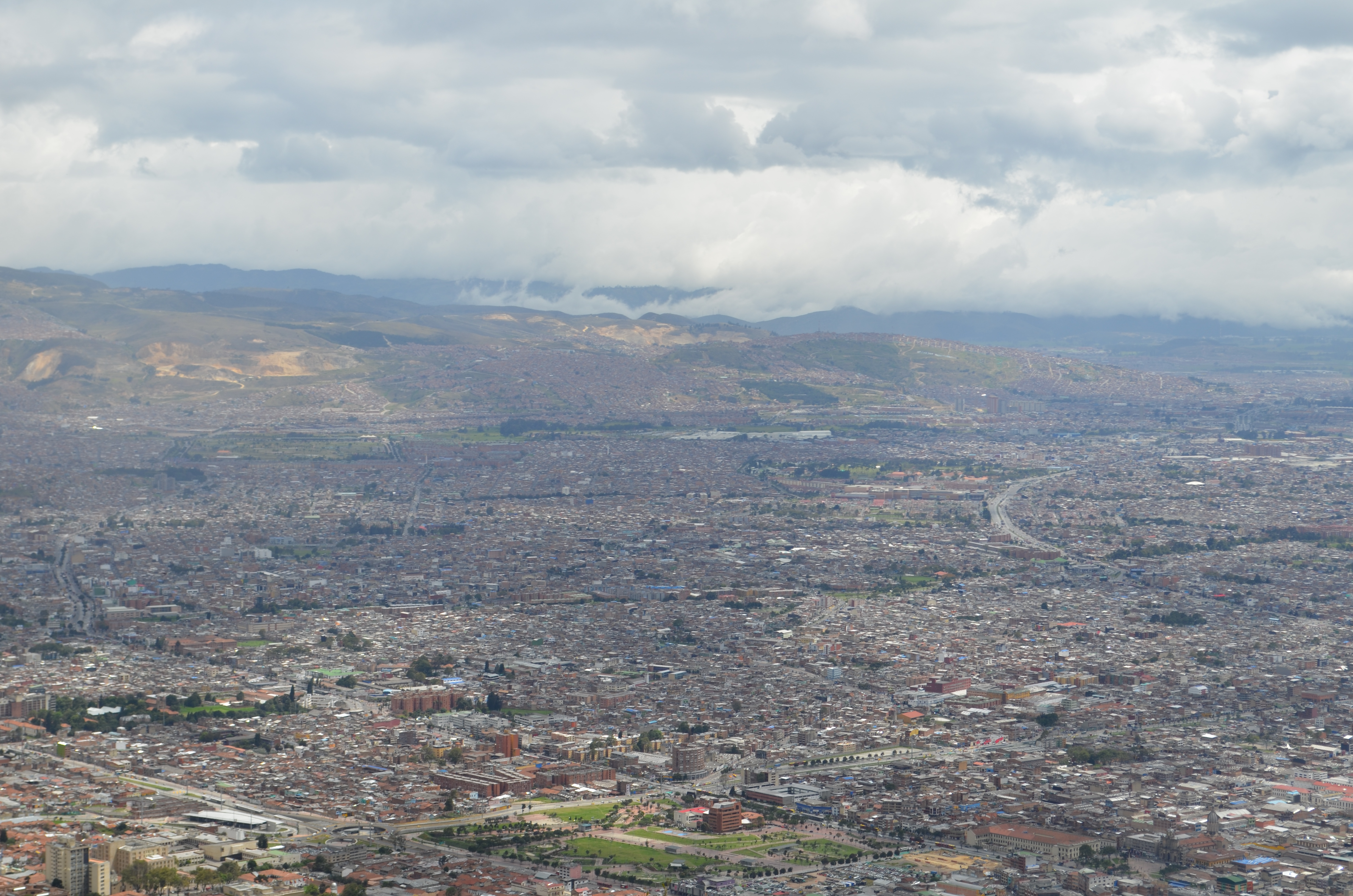
Start your day early with a visit to Monserrate, the hill overlooking Bogotá. You can reach the top by cable car in about 10 minutes. From the summit, you’ll enjoy panoramic views that reveal just how vast the city is.
Spend some time walking around, taking photos, and enjoying the cooler mountain air before heading back down.
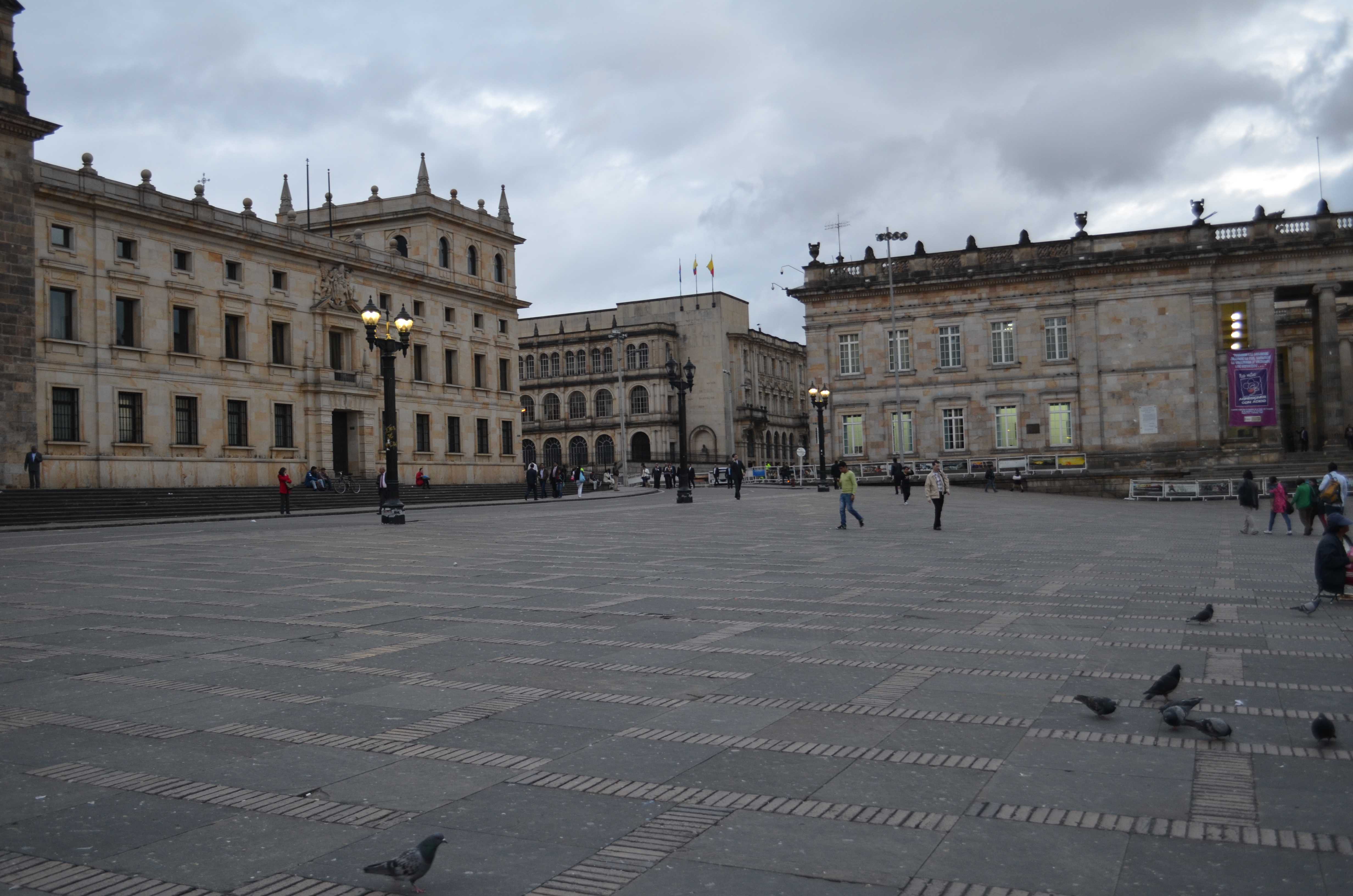
After Monserrate, explore nearby cultural landmarks such as Plaza Bolívar, Museo Botero, or one of Bogotá’s many libraries and cultural centers. These places offer insight into the country’s political history and artistic identity.
In the evening, head to Zona G or Chapinero for dinner, where you’ll find some of the best restaurants in the city. One excellent option is El Cielo Bogotá, a restaurant that has become a symbol of Colombia’s new culinary identity. Dining here is more than just a meal—it’s an experience. The menu reinterprets traditional Colombian ingredients in creative and unexpected ways, often paired with storytelling and sensory elements that make the evening feel special. It’s ideal if you’re celebrating something or simply want to understand how Colombian cuisine is evolving. Reservations are highly recommended, especially on weekends.
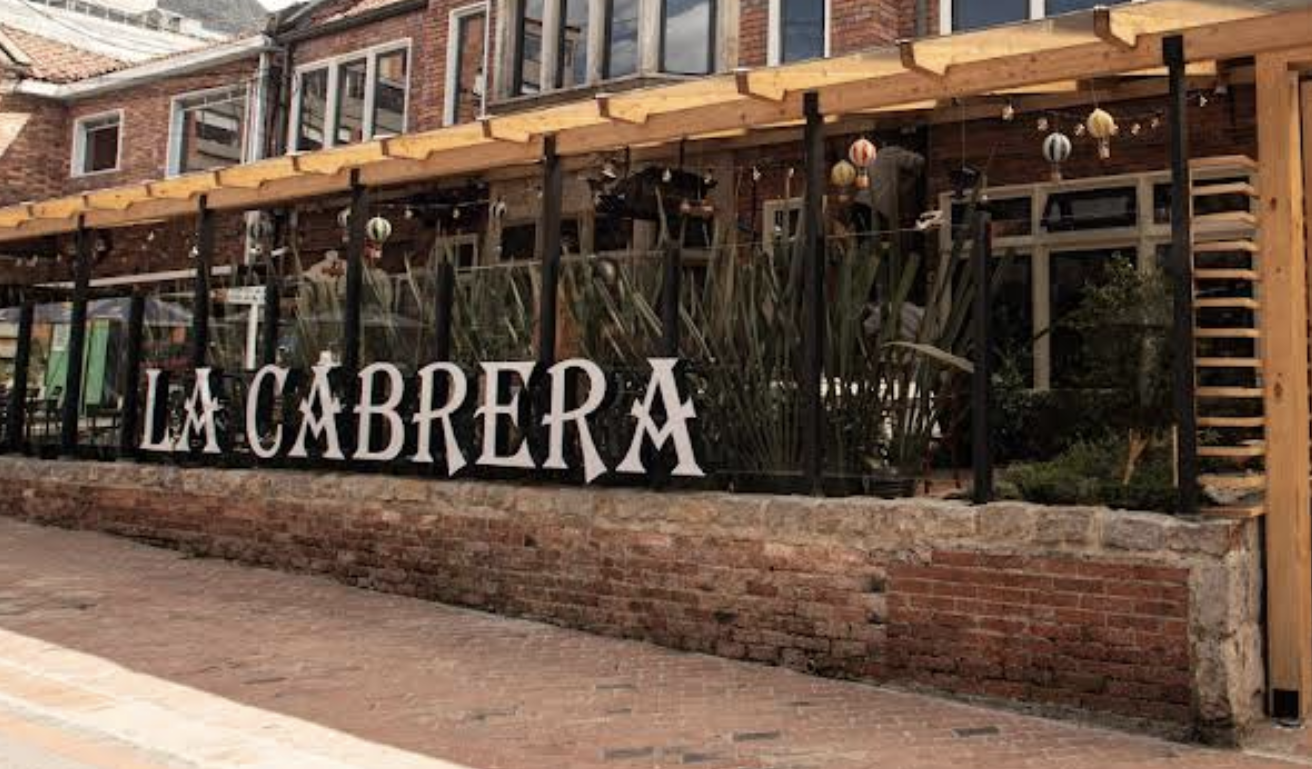
For a more relaxed but equally delicious evening, La Cabrera Bogotá is a fantastic choice. This Argentine steakhouse is a favorite among locals and travelers alike, known for perfectly grilled meats, generous portions, and a warm, welcoming atmosphere. The service is attentive without being formal, and the lively vibe makes it a great place to unwind after a full day of exploring the city. It’s the kind of spot where dinner naturally turns into a long, enjoyable evening.
Day 3 in Bogotá: Street Art, Markets & Neighborhoods
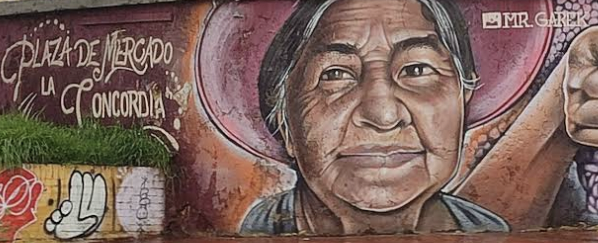
On your third day, focus on Bogotá’s creative and local side. Join a street art walk in La Candelaria to learn about the political and social stories behind the murals. Bogotá’s graffiti scene is internationally recognized and deeply connected to the city’s recent history.
Later, visit a local market to experience everyday life. Markets are ideal for trying fresh fruit, observing local routines, and finding handmade souvenirs from Colombian designers and artisans.
Day 4: Day Trip to Salt Cathedral of Zipaquirá

A day trip to the Salt Cathedral of Zipaquirá is one of the most rewarding excursions you can take while staying in Bogotá. Located about 50 kilometers north of the city, the easiest and most comfortable way to get there is by organized tour or private transfer, which saves time and avoids navigating public transport. If you speak at least a basic Spanish, you can hop on a bus from Bogotá’s Terminal del Norte, followed by a short walk or taxi to the cathedral.
The entrance fee starts at around 30 USD and you can book your tickets online in advance directly on the website.
Built deep inside an active salt mine, this underground cathedral is a truly unique architectural and spiritual space, with soaring caverns, dramatic lighting, and intricately carved salt sculptures. Beyond its visual impact, the visit offers insight into Colombia’s mining history and cultural identity. Combined with a stroll through the charming colonial town of Zipaquirá, this half-day trip provides a fascinating contrast to the energy of Bogotá and is absolutely worth including in your itinerary.
Is Bogotá Worth Visiting?
Absolutely. Bogotá is complex, energetic, and deeply cultural. It may not be love at first sight for everyone, but that’s exactly what makes it special. This is a city that reveals itself slowly—through conversations over coffee, walks along colorful streets, and moments of quiet reflection inside world-class museums.
Give Bogotá a little time, and it rewards you with rich history, creative energy, and genuine human warmth. From panoramic views atop Monserrate to the hum of life in local markets, the city feels alive in a way that is both intense and deeply authentic. You’ll taste some of the best coffee in the world where it’s grown, hear stories that challenge your perspective, and feel the pulse of a country that has reinvented itself with resilience and pride.
With three to four days in Bogotá, you’ll discover a destination that goes far beyond expectations—a city full of contrasts, creativity, and soul. It’s not just a place you visit; it’s a place you experience. And long after you unpack your bags back home, Bogotá has a way of staying with you, quietly calling you back.
Pack your bags. Bogotá is ready when you are.
 Nomadlytics
Leave a comment