

Some cities are beautiful in every season, but only a few truly shine in winter. Valencia is one of them. While much of Europe retreats indoors under grey skies and cold winds, this Mediterranean city continues to live outdoors — cycling along palm-lined paths, lingering over long lunches, and letting children run freely through parks that stay green all year long.
I visited Valencia for a winter weekend at the beginning of December. By the way, on the first weekend of December you can run the Valencia marathon. You can run it, if you enroll as early as one year before. Forget the big apple and think big orange! Yes, Valencia is truly a running city and the growth of its marathon in the last years, brought new tourists to this Spanish gem.
Valencia is livable, deeply cultural, incredibly kid-friendly, and refreshingly relaxed. This city isn’t about rushing from landmark to landmark; it’s about moving slowly, letting the sunshine guide your day, and discovering how seamlessly history, modern design, nature, and everyday life blend together. If you are a runner, the marathon is a must! But if you are just visiting, you will find plenty of things to explore.
Your perfect winter weekend in Valencia? Wandering through the old town, breathing in sea air at the beach, eating unforgettable paella for lunch, exploring one of Europe’s best science museums, cycling through a former riverbed turned green park, and realizing why this city feels so good in every season that you will want to move here!
Why Valencia in Winter Feels Like a Secret Season?
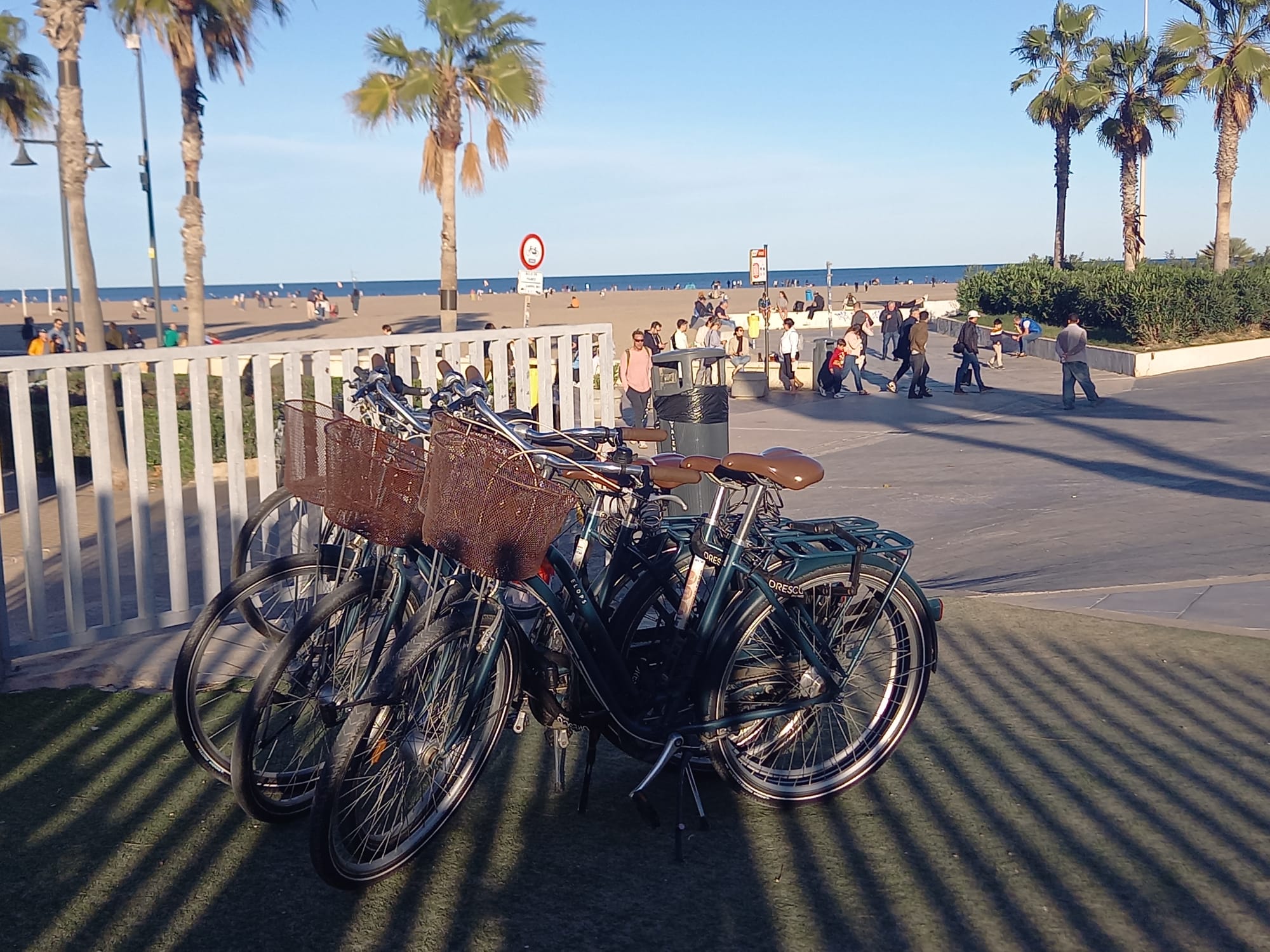
Valencia’s climate is one of its greatest gifts. Located on Spain’s eastern Mediterranean coast, the city enjoys mild winters with plenty of sunshine and comfortable daytime temperatures. Winter days often hover around the mid-teens Celsius, sometimes warmer when the sun is high, making it ideal for walking, cycling, and spending time outdoors without the intense heat of summer.
This climate shapes everything about Valencia. Even in January or February, café terraces are full, parks are alive with families, and the beach remains a place for daily rituals — morning walks, afternoon coffees, sunset conversations. Winter strips away the crowds without taking away the life, and that’s when Valencia feels most authentic.
It’s also one of the reasons Valencia works so well for families. You’re not confined to museums and indoor attractions. Children can play outside, ride bikes, and explore playgrounds without parents worrying about extreme weather. The city becomes a giant open-air living room.
Losing Yourself in Valencia’s Old Town

The best way to begin a winter weekend in Valencia is by stepping straight into its historic heart: Ciutat Vella, the old town. This is where centuries of history sit shoulder to shoulder, and where the city’s past reveals itself slowly, one plaza at a time. Walking through the old town in winter feels especially intimate. Without the pressure of summer heat, you naturally slow down. You notice the details — carved stone doorways, tiled facades, iron balconies, the sound of footsteps echoing down narrow streets.
The old town is not a single attraction but a collection of moments. One minute you’re standing in the calm elegance of Plaza de la Virgen, watching locals chat on benches near the cathedral. The next, you’re turning a corner and stumbling upon a small square where a café table catches the sun perfectly.
The Valencia Cathedral rises quietly above it all, and climbing the Miguelete bell tower rewards you with views over terracotta rooftops and the sea in the distance. From above, you can see how compact and walkable Valencia truly is — a city designed for human scale, not cars.
A short walk away, La Lonja de la Seda, the historic Silk Exchange, stands as a reminder of Valencia’s golden age of trade. Its twisting stone columns and soaring halls feel both grand and surprisingly modern. In winter, visiting feels peaceful, almost meditative, allowing you to absorb the space without distraction.
No morning in the old town is complete without a visit to the Mercado Central. This enormous, beautifully preserved market is as much a social space as it is a place to shop. Locals stop for fresh fruit, bread, olives, and seafood, while visitors wander through aisles glowing with color and scent. Even if you’re not buying much, the market offers a vivid snapshot of Valencian daily life.
Paella for Lunch: A Ritual, Not a Tourist Attraction!
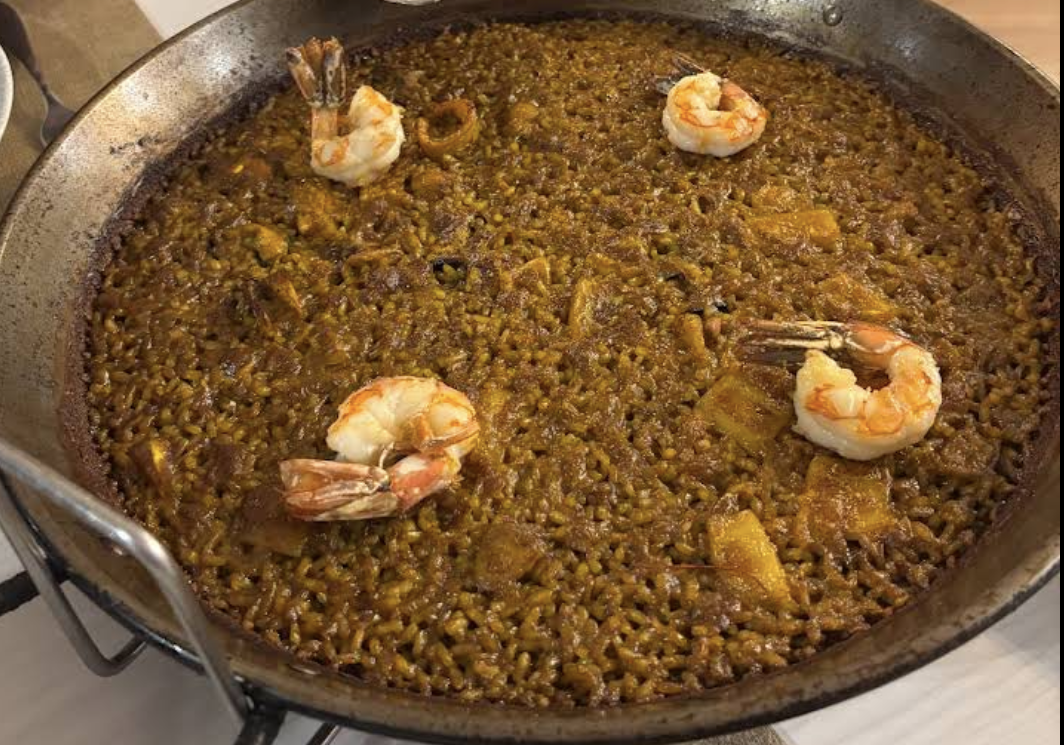
In Valencia, paella is not just a dish — it’s a tradition. And tradition dictates that paella is eaten at lunch.
This is one of the most important things to understand when visiting Valencia. Locals don’t eat paella late in the evening. It’s a midday meal, shared slowly, often with family or friends, followed by conversation and sometimes a walk.
For lunch on the first day, settling into a proper paella restaurant feels like stepping into the rhythm of the city. You can choose a classic spot in the old town or head closer to the beach, the experience is similar: rice cooked patiently, flavored deeply, served in wide pans meant for sharing. No one rushes you. Valencia encourages you to sit, eat, talk, and enjoy the moment.
This is also where Valencia’s personal charm shines through. Even popular paella restaurants feel welcoming rather than touristy. Staff have time to explain dishes, locals fill neighboring tables, and the experience feels genuine rather than staged.
An Afternoon by the Sea: Valencia’s Beach in Winter
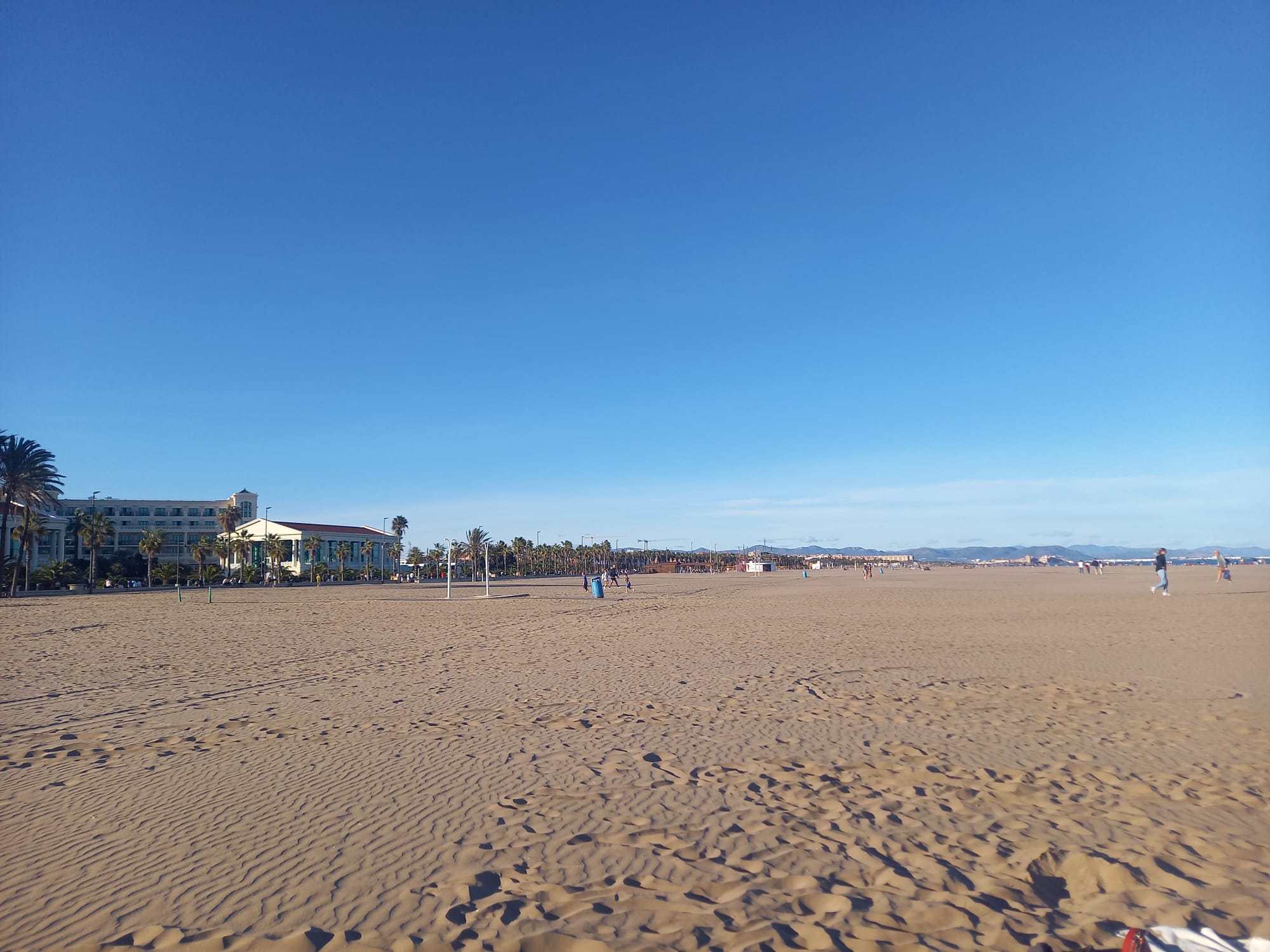
After lunch, it’s time to head toward the Mediterranean. Valencia’s urban beaches are one of its greatest assets, and winter reveals a quieter, more contemplative side of them.
Malvarrosa Beach stretches wide and open, with long promenades perfect for walking. In winter, the beach is less about sunbathing and more about movement — strolling, cycling, watching waves roll in under a wide sky.
There’s something truly restorative about being by the sea in winter. The light is softer, the colors more subtle, and the sound of the waves more pronounced. Cafés along the promenade remain open year-round, offering warm drinks and shaded terraces where you can sit and watch the world pass by.
Even if you don’t swim, the beach becomes an essential part of the Valencia experience. It balances the historic density of the old town and reminds you that this is a coastal city at heart.
As the sun lowers, the light over the water turns golden, and the city feels calm and spacious. It’s the perfect moment to slow down before heading back for dinner.
Returning to the old town for dinner, staying near the beach of near the park. All options are great. Dinner can be as simple or as refined as you like. Valencian cuisine shines in its simplicity — fresh ingredients, balanced flavors, and a focus on sharing. Even after a paella lunch, lighter evening dishes feel satisfying without being overwhelming.
Walking back through softly lit streets afterward, you’ll notice how safe and walkable Valencia feels at night. It’s a city that invites wandering, even after dark, without stress.
Science, Parks and a City Built for Bikes
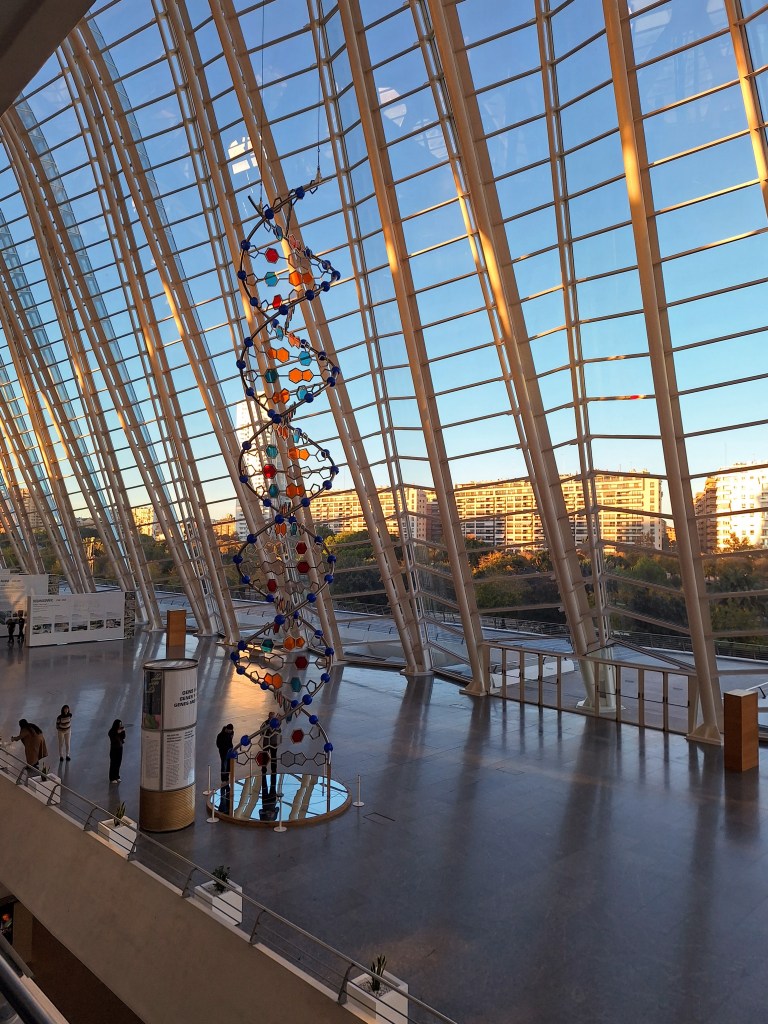
If day one is about history and food, day two reveals why Valencia feels so livable. The morning begins at one of the city’s most striking landmarks: the City of Arts and Sciences. Futuristic and bold, this architectural complex feels like something from another world, especially when reflected in pools of still water under winter sunlight.
At its heart is the Museo de las Ciencias Príncipe Felipe one of the most engaging science museums in Europe. What makes it special is its interactive philosophy. This is not a museum where you quietly read signs — it’s a place where touching, experimenting, and questioning are encouraged.
For children, it’s pure joy. For adults, it’s surprisingly fascinating. Exhibits cover everything from physics and biology to space and technology, and winter is an ideal time to visit, as crowds are lighter and the experience feels more immersive.
The museum is also a perfect example of how Valencia caters to families without making things feel childish. Learning is woven into play, and curiosity is celebrated at every age. You can easily spend half a day here. Tickets can be booked online to avoid ques at the cashier.
Turia Garden – The Green Heart of Valencia
Stepping outside the museum, you enter what may be Valencia’s greatest achievement: the Jardín del Turia. Once a river, the Turia was redirected, and its former riverbed transformed into a long, continuous green park stretching through the city. Today, it’s the spine of Valencia’s outdoor life.
In winter, the park is alive. Cyclists glide past, families picnic, children play, and runners follow winding paths under bridges that once crossed water. The park connects neighborhoods, attractions, and daily routines, making movement through the city feel natural and enjoyable.
This is where Valencia’s bike-friendly design truly shines. Dedicated cycling paths run through the park, separate from traffic, allowing even young children to ride safely. Renting bikes and spending an afternoon exploring the Turia is one of the most rewarding experiences the city offers.
Along the way, you’ll find multiple playgrounds, sports areas, gardens, and quiet corners. One standout is Gulliver Park, a massive playground built around a giant sculpture of Gulliver lying on the ground, transformed into slides and climbing structures. It’s imaginative, physical, and endlessly entertaining.
What makes this park so special in winter is that it doesn’t shut down. Valencia’s mild climate keeps it usable year-round, reinforcing how outdoor life is not seasonal here — it’s constant.
Valencia Through a Family-Friendly Lens
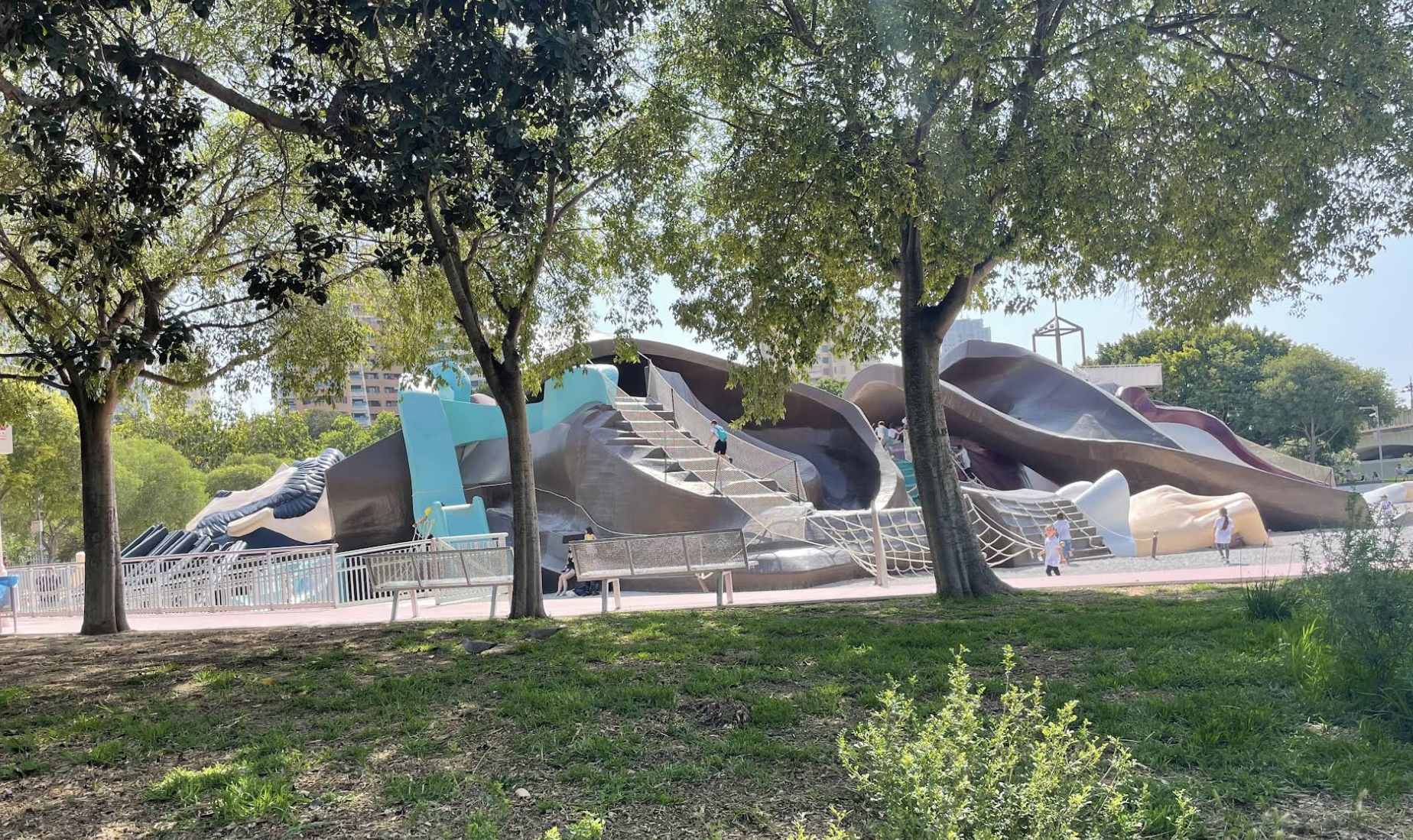
Valencia is one of those rare cities that genuinely works for families without compromising on culture or style.
The combination of safe cycling routes, abundant playgrounds, interactive museums, wide sidewalks, and welcoming restaurants makes traveling with children feel effortless. Parents don’t have to plan every detail obsessively; the city naturally supports spontaneous stops, outdoor breaks, and slower pacing.
Even beyond obvious family attractions, Valencia’s everyday spaces — plazas, parks, promenades — function as informal playgrounds. Children are visible everywhere, integrated into daily life rather than pushed aside.
Winter enhances this experience. Without extreme heat or overwhelming crowds, families can explore comfortably, letting kids run, ride, and play without constant constraints.
Why Valencia Works in Every Season?
By the end of the weekend, what stands out most about Valencia is balance. It balances history with innovation, beach life with culture, food with movement, and relaxation with discovery. The climate supports this balance all year, but winter allows it to breathe.
Without summer’s intensity, Valencia reveals itself as a city meant to be lived in, not just visited. A city where cycling is normal, paella is sacred, playgrounds are plentiful, and the sun shows up even when you least expect it.
Valencia Is Your Winter Escape!
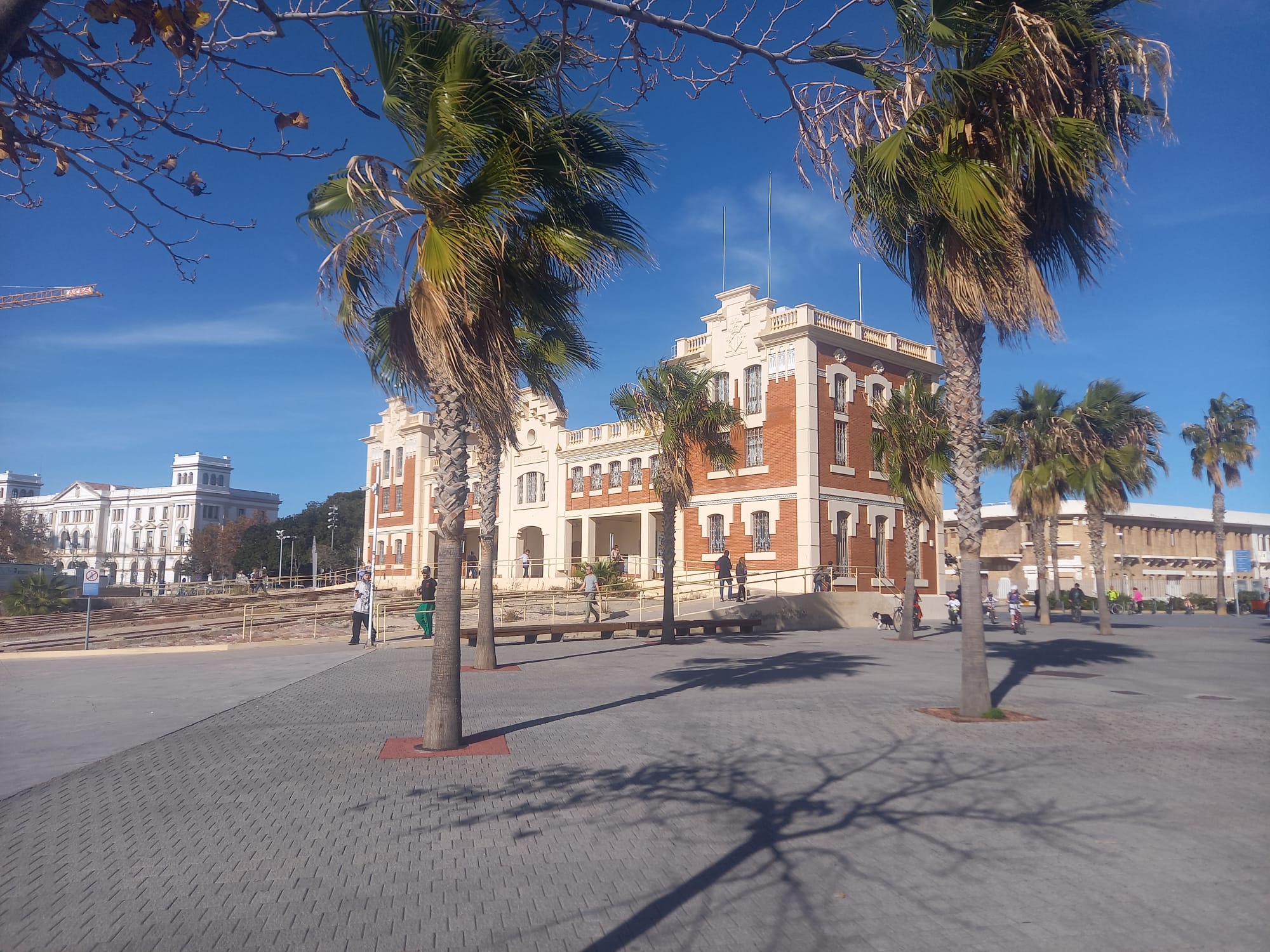
A winter weekend in Valencia feels like a reminder of how travel should feel — unforced, nourishing, and joyful. You leave rested rather than exhausted, inspired rather than overwhelmed.
Whether you come for the old town’s history, the beach’s calm beauty, the science museum’s curiosity, or the simple pleasure of cycling under blue skies, Valencia delivers quietly and confidently.
If you’re searching for a European winter destination that offers sunshine, culture, food, and family-friendly ease without the crowds, Valencia deserves a place at the top of your list.
 Nomadlytics
Leave a comment