
The idea of becoming a digital nomad is incredibly appealing: working from a beachside café, hopping between cities, and designing your life around freedom instead of office hours. But for many people, quitting a stable job to chase that dream feels risky—or downright impossible.
Here’s the good news: you don’t have to quit your job to become a digital nomad. In fact, some of the smartest, most sustainable digital nomads start before they officially leave traditional employment.
This guide will walk you through how to transition into the digital nomad lifestyle while keeping your job, step by step. Whether you’re aiming for a few months abroad or a long-term remote life, this approach minimizes risk, maximizes leverage, and sets you up for success.
Redefining What It Means to Be a Digital Nomad
Despite its glossy social media reputation, the digital nomad lifestyle is not an endless vacation. It is, at its core, a way of working remotely while choosing where to live. Most digital nomads keep regular schedules, attend meetings, manage deadlines, and structure their days carefully. The difference lies not in how much they work, but in where that work happens.
Understanding this distinction early on is essential. Digital nomadism rewards discipline, consistency, and professionalism far more than spontaneity. When approached realistically, it becomes less of a risky leap and more of a calculated evolution.
Why Keeping Your Job Is a Strategic Advantage?
Holding onto your job while exploring remote work provides something invaluable: stability. A reliable income removes the financial pressure that often forces people into rushed freelance work or unsustainable travel decisions. It allows you to choose destinations based on practicality rather than price alone and gives you room to experiment without fear.
Equally important is the opportunity to observe yourself. Working remotely while traveling reveals patterns you can’t predict in advance. Some people thrive in new environments, while others discover they need more routine than expected. Learning this while still employed gives you clarity—without consequences.
Over time, remote success also strengthens your professional position. Employers are far more open to long-term flexibility when they see consistent results. What begins as a temporary arrangement can quietly evolve into a permanent one.
Laying the Groundwork for Remote Work

Before any conversations about travel or location independence take place, remote work needs to make sense operationally. Many roles already rely on digital tools and communication platforms, even when performed from an office. If your work depends more on outcomes than physical presence, you may already be closer to remote readiness than you think.
Starting from home is a crucial step. It allows you to refine your workflow, identify distractions, and learn how to communicate clearly without face-to-face interaction. This phase is less about proving freedom and more about demonstrating reliability. When productivity improves—or at least remains consistent—it becomes much easier to justify location flexibility.
Navigating the Conversation With Your Employer

Asking to work remotely can feel intimidating, especially if it hasn’t been done before in your company. The key is framing. Employers respond far better to conversations centered on performance than lifestyle aspirations. Presenting remote work as a trial rather than a demand lowers resistance and signals professionalism.
A temporary arrangement, with clearly defined expectations and availability, gives decision-makers reassurance. When location fades into the background and results remain strong, trust naturally builds. For many employees, this is the moment where remote work shifts from exception to norm.
Testing the Lifestyle Without Going Too Far

The first step into nomad life doesn’t need to involve crossing oceans. Working from another city or nearby country can be just as revealing. These early experiences teach you how movement affects focus, how much structure you need, and whether travel energizes or distracts you.
Many people discover that slow travel suits them best. Staying in one place for several weeks—or months—creates space for routine while still offering novelty. This balance is often what makes long-term nomadism sustainable.
Creating a Work Setup That Travels Well

Remote work on the road requires intentional systems. A reliable laptop, strong internet access, and clear communication tools become essential rather than optional. More than gadgets, however, it’s your workflow that matters. Knowing where your files live, how you track tasks, and how you protect focused work time allows you to adapt to new environments with minimal friction.
Internet reliability, in particular, can’t be an afterthought. Planning for backups—whether through mobile data or alternative workspaces—prevents small issues from becoming major disruptions.
Choosing the Right First Destination

Not all destinations are equally suited to working remotely, especially in the beginning. Places with strong infrastructure, established nomad communities, and manageable time zones tend to offer a smoother transition. These environments reduce friction and allow you to focus on your work rather than constant logistics.
Early success often depends less on how exciting a destination is and more on how functional it feels day to day. Comfort and reliability build confidence, and confidence opens doors.
Understanding the Legal and Financial Landscape
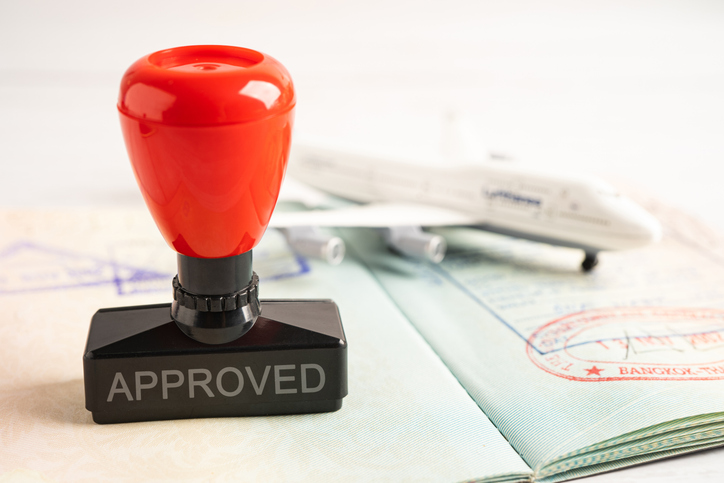
Working remotely from another country introduces legal and financial considerations that shouldn’t be ignored. While many digital nomads begin on tourist visas, long-term plans require a deeper understanding of residency rules, taxes, and healthcare. An increasing number of countries now offer digital nomad visas, designed specifically for remote workers seeking longer stays.
Taking time to understand these frameworks protects you from unpleasant surprises and allows you to plan with intention rather than improvisation.
Building a Rhythm That Supports Both Work and Travel

Freedom without structure rarely lasts. The most content digital nomads develop routines that anchor their days, even as locations change. Regular work hours, designated workspaces, and intentional downtime help prevent burnout and maintain balance.
Travel becomes more enjoyable when it doesn’t compete with your professional responsibilities. By separating work time from exploration, you allow both to coexist without friction.
Letting the Transition Happen Naturally
Over time, something shifts. Remote work stops feeling experimental and starts feeling normal. Your confidence grows, your systems improve, and your employer—or clients—come to see location as irrelevant. This is when new options emerge: longer stays, flexible schedules, or even a complete shift into freelance or consulting work.
None of this requires a dramatic resignation letter. Instead, it unfolds gradually, shaped by experience rather than impulse.
A Smarter Way Into the Digital Nomad Life
Becoming a digital nomad without quitting your job isn’t about playing it safe—it’s about playing it smart. It allows you to explore freedom without sacrificing security and to design a life that expands over time rather than collapses under pressure. For many, the realization comes quietly: the life they were waiting to start has already begun. They didn’t abandon stability to find freedom—they simply learned how to carry it with them.
Are you planing to become a digital nomads? Check my guide for the beginners here. If you want to explore more about this subject and discover the best destinations for digital nomads read my other posts here.
 Nomadlytics
Leave a comment