
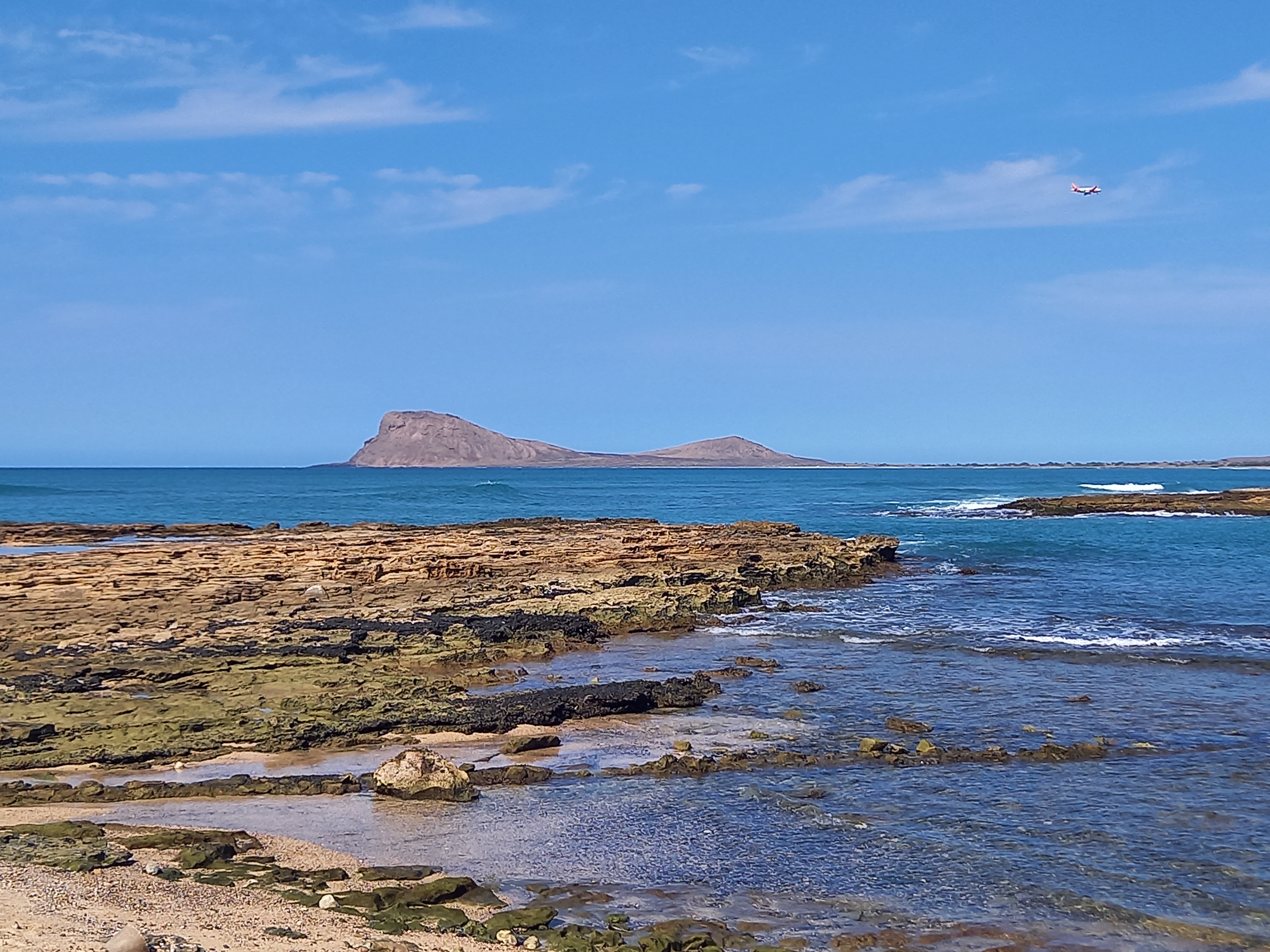
Cabo Verde (also known as Cape Verde) is a small island nation located in the central Atlantic Ocean, off the west coast of Africa. It consists of 10 volcanic islands and several smaller islets, about 500–600 km west of Senegal. Cabo Verde is known for its warm, dry climate, beautiful beaches, and rich Creole culture, which combines African and European influences. The country is also famous for its music, especially morna, and has a long history tied to maritime trade and migration.
Cabo Verde doesn’t overwhelm you with monuments or demand your attention with spectacle. Its history lives in pauses, in music, in the way people speak about leaving and returning as if both were equally natural states of being. To understand Cabo Verde is to understand movement. The islands were shaped not only by volcanoes and wind, but by people constantly arriving, departing, adapting, and remembering. And to truly experience the country, you have to move too — beyond Sal, beyond first impressions, and into the different rhythms of each island. Cabo Verde is about many stories told across ten islands scattered in the Atlantic, each with its own personality, pace, and relationship to the past. So plan to stay around for at least a month or two and visit more than one island. Yes, a month or two because the scheduled planes and boats are not always on time. The Atlantic Ocean can be rough and ferries can be cancelled so arm yourself with a certain dose of patience.
An Empty Place That Became a Crossing Point
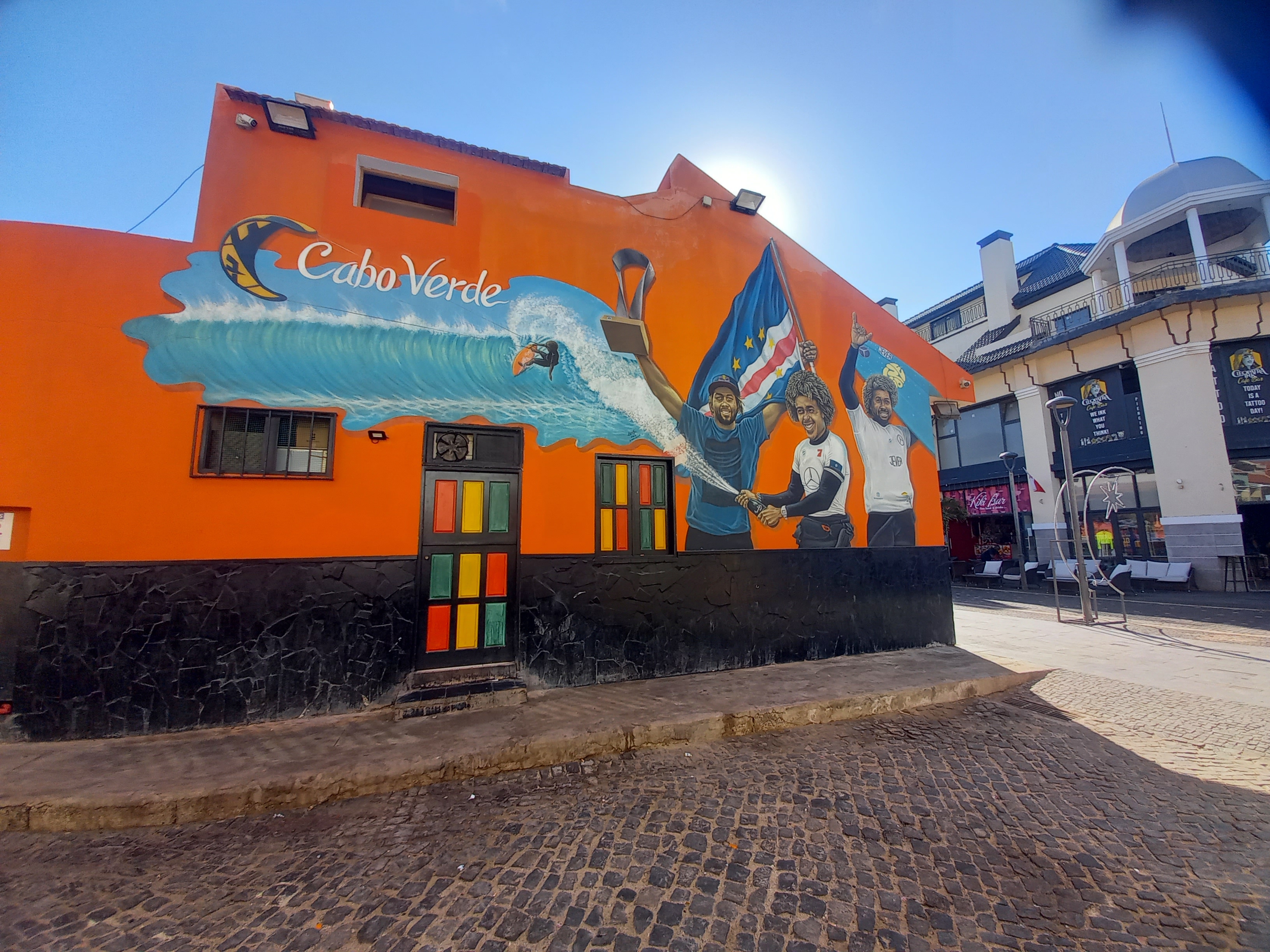
Before people, Cabo Verde was just land and ocean. The islands were uninhabited until the 15th century, when Portuguese explorers arrived and claimed them as a strategic outpost. This detail matters. Unlike many places, Cabo Verde has no pre-colonial population to return to, no ancient ruins to excavate. Its culture was formed entirely through encounter, displacement, and survival.
The islands quickly became a crossroads of the Atlantic world. Ships stopped here to resupply. Enslaved Africans were brought through the archipelago, and many were forced to stay. Europeans arrived and settled. Over time, a Creole society emerged, shaped by inequality and resilience in equal measure.
Cabo Verde became both a place people passed through and a place people were trapped in. The land itself offered little comfort. The islands are dry, rainfall unreliable, and famine was a recurring threat for centuries. Survival required ingenuity, cooperation, and an acceptance that life would never be easy or predictable. This forged a culture deeply attuned to uncertainty, one that learned to endure without losing its warmth.
Creole Identity and the Art of Adaptation
Out of this difficult beginning came something remarkably cohesive: a shared Creole identity. Cabo Verdean Creole is not just a language, but a worldview. It reflects blending, adaptation, and the refusal to be defined by a single origin.
This is one of the reasons Cabo Verde feels so emotionally rich despite its small size. Music, poetry, and storytelling became ways of processing loss, distance, and longing. Many Cabo Verdeans have family abroad. Migration is not an exception here; it’s part of the national story.
Each island of Cabo Verde is different and if you want to have a full picture you should visit all of them. As said before, it’s not that easy to move around the archipelago, or better it’s easy but it’s a slow travel. Still, it’ s really worth to reserve some more time and travel between the islands. Generally there is pretty good wifi connection so you can combine remote work with travel. Let’s see briefly the main particularities of each island.
Sal: The First Impression, Not the Whole Picture
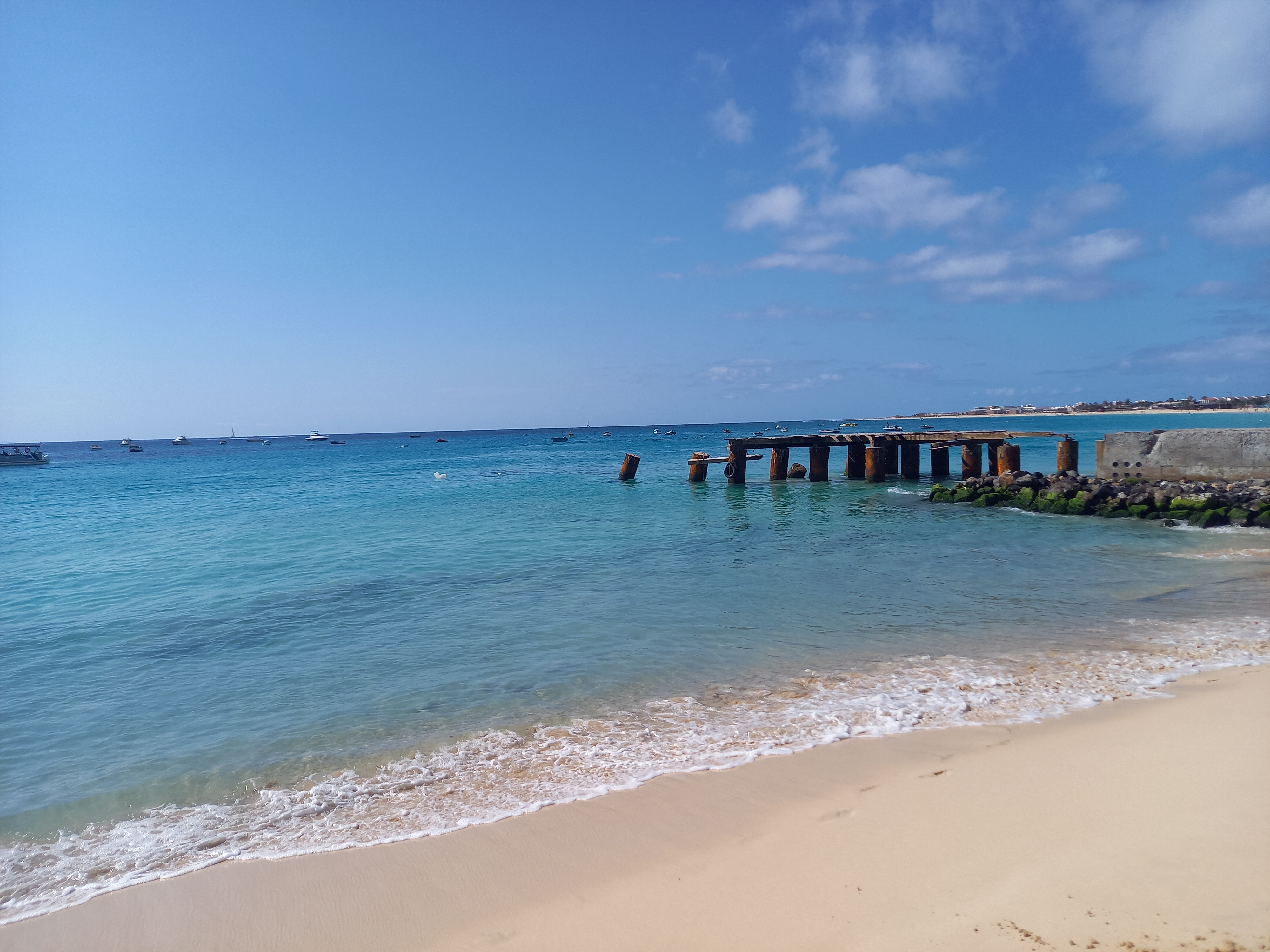
Sal is often the entry point to Cabo Verde, and there’s nothing wrong with that. Its flat landscape, long beaches, and reliable sunshine make it accessible and easy. Historically, Sal was important because of salt, an industry that shaped both its economy and its name. But Sal’s landscape also reflects its role as a place of extraction rather than settlement. It’s sparse, open, and exposed. Life here has always been shaped by external demand, whether for salt or tourism.
If you stay long enough and look beyond the resorts, Sal reveals depth and quiet beauty. But it is only one note in a much larger composition. To understand Cabo Verde, you have to leave Sal and feel how the islands change. Ready?
Santiago: Where the Story Begins
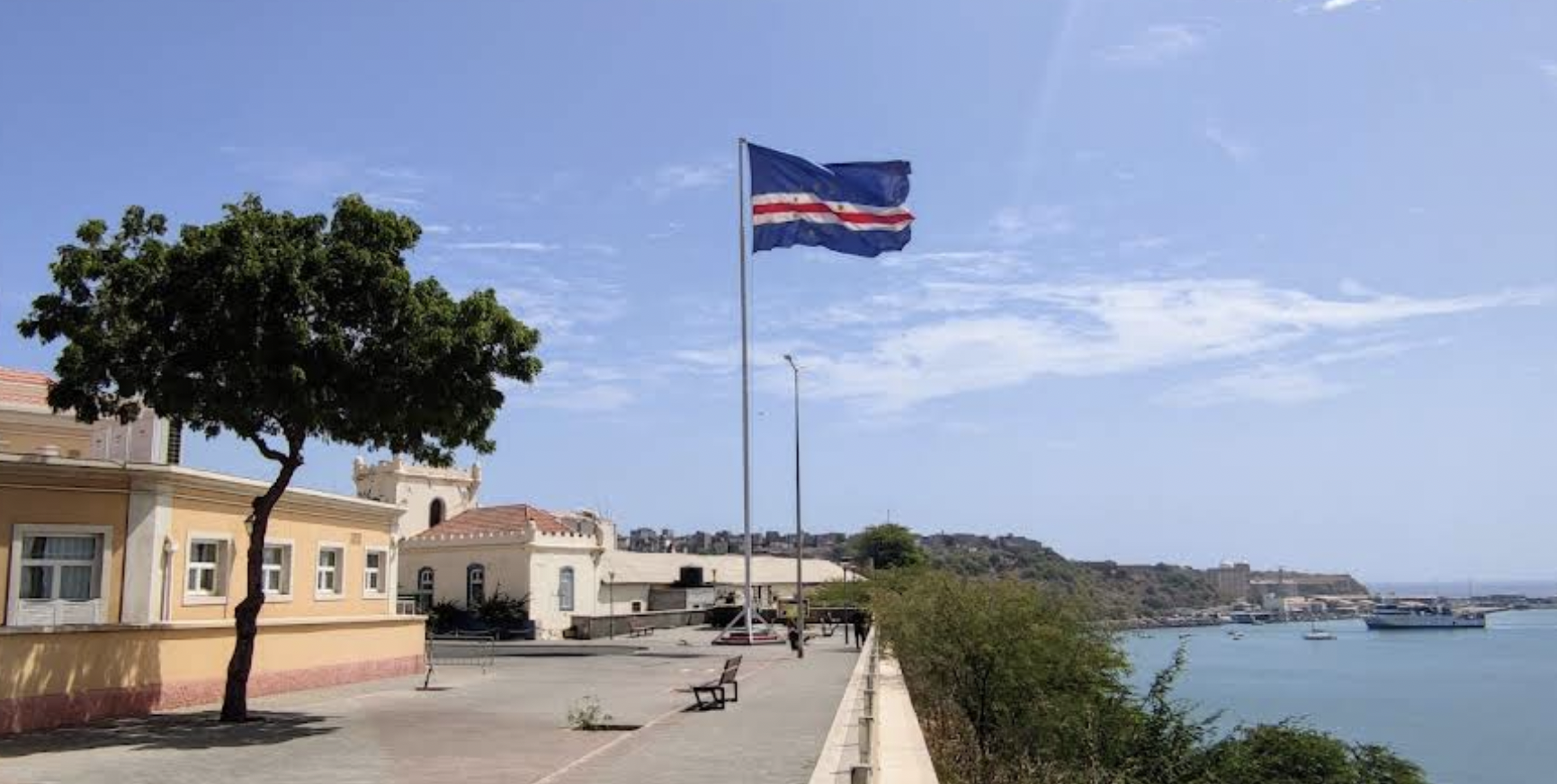
Santiago is the largest and most historically significant island. This is where Cabo Verde’s colonial story truly began, and where its complexities are most visible. Praia, the capital, is busy, chaotic, and full of contrast. Government buildings sit beside informal markets. Music blares from cars while office workers rush past. It’s a place of motion and tension, but also creativity and debate.
In Cidade Velha, once a central hub of the transatlantic slave trade, history feels heavy and unavoidable. Walking there forces you to confront the foundations on which the country was built. This is not a sanitized experience, and it shouldn’t be. Santiago is fertile compared to other islands, with green valleys and agricultural communities. It feels grounded, political, and alive.
Fogo: Fire, Loss, and Renewal
Fogo is impossible to forget. Dominated by an active volcano, it feels raw and intense, as if the earth itself is still negotiating its shape.
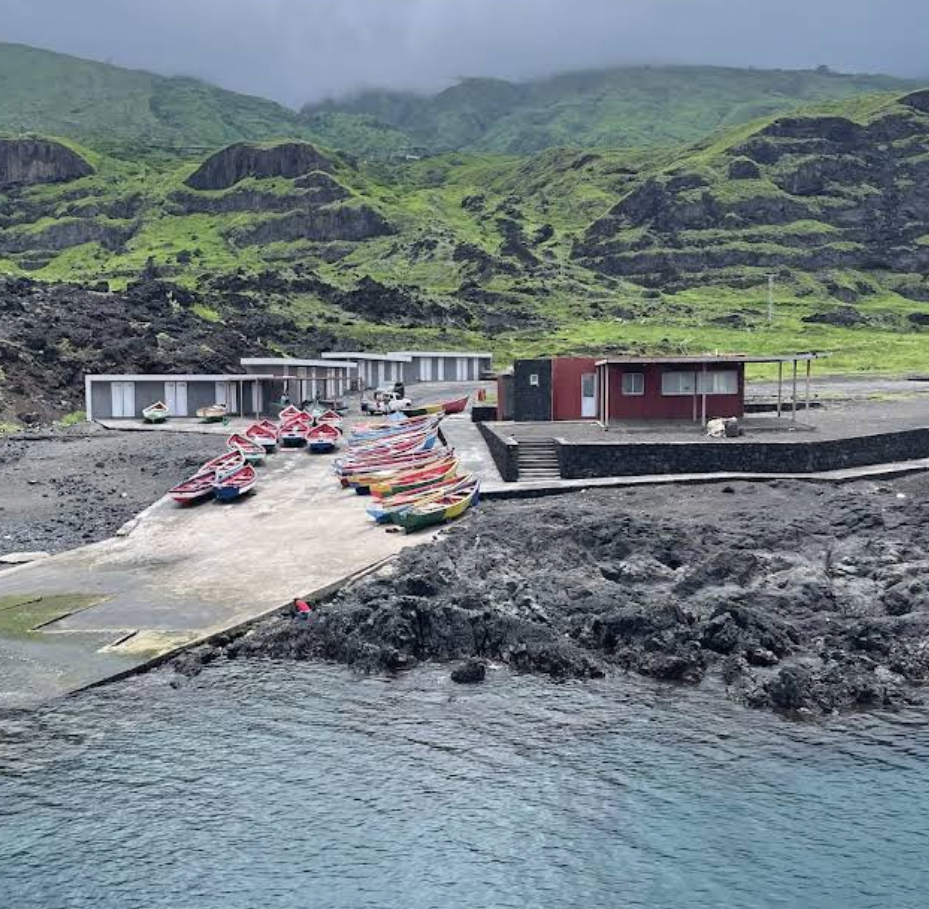
Life here exists in constant awareness of impermanence. Entire villages have been destroyed and rebuilt. People plant vineyards in volcanic soil, knowing eruptions may one day take it all away again. And yet, there is pride and beauty in this resilience. Fogo’s wine, its music, its slow, deliberate pace reflect a deep connection to land and risk.
Visiting Fogo teaches you something essential about Cabo Verde: that stability has never been guaranteed and meaning is often found not in permanence, but in persistence.
Santo Antão: Green, Steep, and Intimate
If Sal feels open and horizontal, Santo Antão is vertical. The island rises abruptly from the Atlantic, as if it were pushed upward rather than formed gradually. From the ferry, its cliffs appear almost defensive, green and dark, folded into themselves. You don’t arrive gently here. You arrive with a sense that the land has its own rules.
Once on Santo Antão, everything shifts. The air is cooler, heavier with moisture. Clouds move low and fast dissolving and reforming as you watch. The landscape is deeply carved, shaped by time and water rather than wind and salt. Valleys cut sharply into the mountains, revealing terraces where crops grow in places that seem, at first glance, impossible.
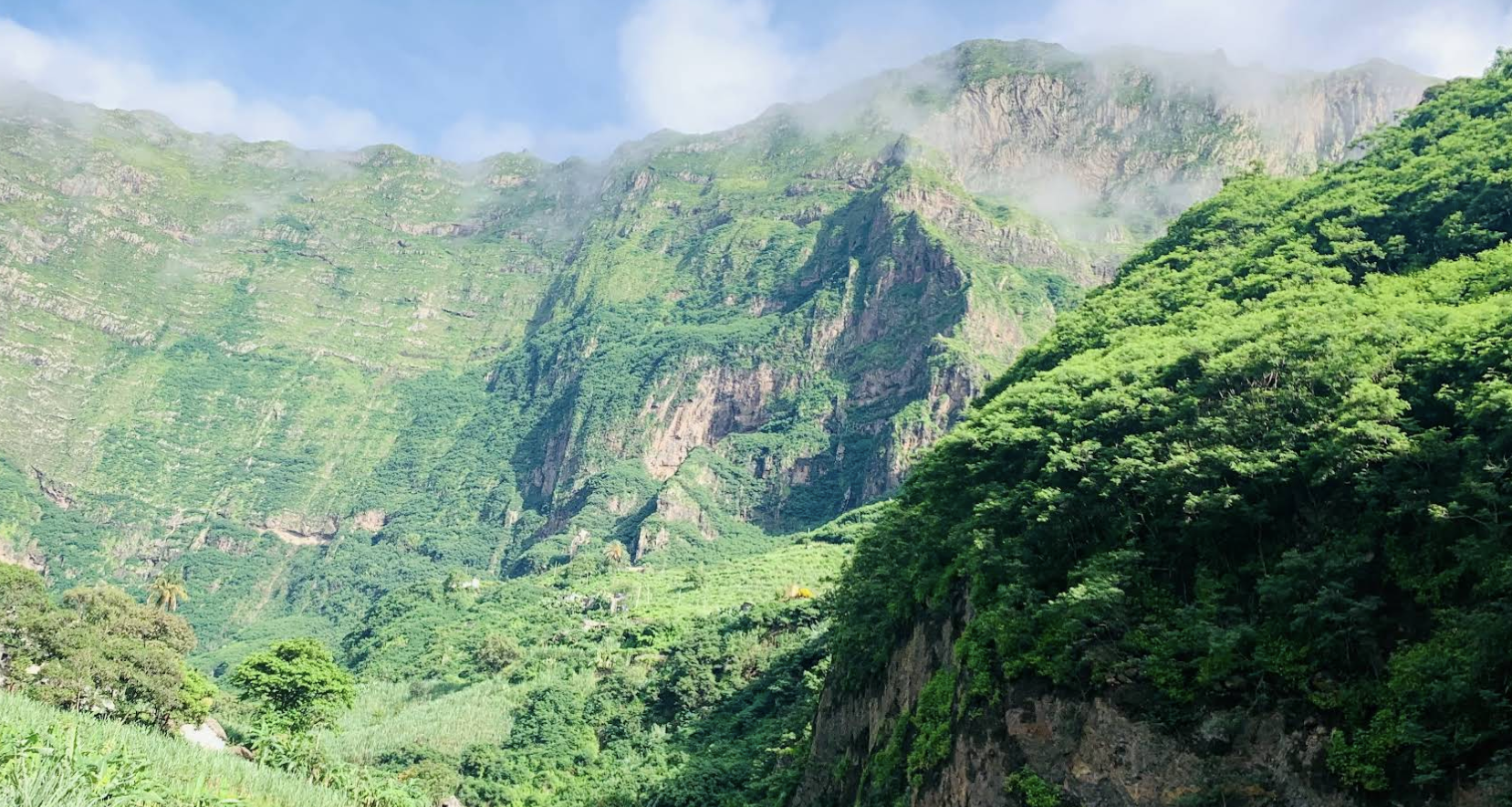
This is an island built for walking. Not as an activity, but as a necessity. For generations, paths have been the primary way people here have moved through the world. Before roads reached many of the villages, these trails were the only connection between communities, between homes and fields, between market and mountain. Even now, when roads exist, the footpaths remain. They are faster, more direct, and often more reliable than anything on four wheels.
Walking on Santo Antão feels different because you’re not following routes designed for visitors. The stones underfoot are worn smooth not by hiking boots, but by daily life. By farmers carrying produce. By children walking to school. By neighbors visiting one another, rain or shine.
Some paths climb steeply, zigzagging up slopes where the sea disappears behind you. Others descend into valleys so green they feel almost tropical, shaded by banana trees and sugarcane. Water runs openly here, channeled through narrow irrigation systems that sustain entire communities. You hear it constantly — a soft, persistent sound that reminds you how precious it is in the wider Cabo Verdean context. In fact, if you buy a local bottled water in any other island, it will surely be sourced here.
Villages emerge slowly, almost shyly, tucked into folds of land. Houses seem to grow out of the rock, painted in muted colors that echo the landscape. Life here is quiet but not static. People sit outside, someone repairs a wall. Someone else carries a sack of produce along a path that looks impossibly steep.
There is humility in walking here. The terrain demands attention. Santo Antão shows you a Cabo Verde shaped by agriculture and isolation rather than trade and transit. This is an island that has always looked inward, not because it is closed off, but because survival required deep knowledge of land and seasons. Rainfall here is unpredictable, but when it comes, it transforms everything. The green you see is not decorative; it is earned.
The island rewards patience in ways that feel increasingly rare. You stop chasing views and start noticing textures. Moss on stone. The smell of wet earth. The way light filters through mist in the early morning. These moments can’t be rushed or scheduled.
Leaving Santo Antão, many people feel a quiet reluctance. Not because they’ve seen everything, but because the island never tried to show off in the first place. It simply allowed you to walk through it, slowly, on paths shaped by lives lived close to the land. And that, in its own understated way, feels like a privilege.
São Vicente: Culture, Music, and Conversation
São Vicente feels expressive. Mindelo, its main city, is often described as the cultural heart of Cabo Verde, and it’s easy to see why.
Music flows naturally here, not as performance, but as conversation. Cafés spill into streets. People linger. There’s an ease to social life that feels almost Mediterranean, shaped by port history and constant exchange.
São Vicente reminds you that Cabo Verde’s culture is creative, playful, and constantly negotiating between tradition and modernity.
Why Moving Between Islands Matters
Each island offers a different answer to the same questions: How do you live with scarcity? How do you maintain connection across distance? How do you create beauty from uncertainty?
Staying on one island, especially Sal, risks flattening these answers into something convenient and digestible. Moving between islands reveals contrast, complexity, and continuity.
You begin to notice how the same music sounds different in different places. How the same dish changes slightly from island to island. How landscapes influence personality, pace, and priorities.
Traveling slowly through Cabo Verde means allowing these differences to matter. Cabo Verde is not a country that performs for visitors, unless asked to. It doesn’t rely on spectacle. It offers something quieter: the chance to be present in a place shaped by endurance, creativity, and emotional honesty.
Visiting multiple islands isn’t about ticking them off. It’s about understanding that Cabo Verde’s identity is dispersed. No single island carries the full story.
The archipelago makes sense only when you accept that movement is part of belonging here.
Ferries may be delayed. Flights may change. Plans will shift. This isn’t inconvenience; it’s continuity. Cabo Verde has always lived at the mercy of wind, ocean, and time. If you let go of control, the country meets you halfway.
Long after you leave, Cabo Verde lingers. In music you didn’t expect to miss. In the memory of conversations that unfolded slowly. In landscapes that felt spare but emotionally full.
It’s worth visiting all the islands not because each one is spectacular, but because together they form something rare: a nation that understands fragility without being fragile, that embraces distance without losing connection.
Cabo Verde teaches you that travel doesn’t have to be loud to be meaningful. That history doesn’t always announce itself with monuments. And that sometimes, the most powerful journeys are the ones that ask you to slow down enough to listen. If Sal is your first step, let it be exactly that — a beginning, not a conclusion. The rest of Cabo Verde is waiting, quietly, across the water.
How to move around island of Cabo Verde?
Inter-Island Flights
Flying is the fastest and most dependable way to travel between the islands. The primary domestic airline is Cabo Verde Airlines (also called TACV), which connects many of the larger islands like Sal, Santiago (Praia), São Vicente and Boa Vista. Flights generally take about 30–60 minutes depending on the route. Schedules vary by season and route; some smaller island flights may only run a few times per week. The schedule is not published online much in advance and it can change even few hours before your flight so be flexible. Prices start at 40 EUR one way.
Ferries (CV Interilhas)
Ferries offer a cheaper and slower alternative and are useful for some island pairs. Check the website of CV Interilhas which runs most of the inter-island ferry routes. Services between São Vicente and Santo Antão or Santiago ↔ Fogo are frequent. The connections between other islands are scheduled once or twice a week. All ferries are subject to the weather conditions which can be very unstable. The ticket prices starts at 8 EUR for a one way ticket.
Getting Around on Each Island
Once on an island you can rent a car (there are car rental companies of major islands such as Sal , Boa Vista and Santiago) or use a budget friendly fill up and go minibuses. These are cheap and very popular among locals so it’s really a great way to discover more about the local way of life and connect with the inhabitants of the island. You can also hop on a taxi if you are visiting the main cities. Don’t count on taxis in rural areas.
 Nomadlytics
Leave a comment