

Sal is often introduced to the world in a single frame: endless white sand, turquoise water, cocktails by the pool, and an all-inclusive wristband that promises you’ll never have to leave your resort. For many travelers, that’s enough. Sun is guaranteed, stress is optional, and Cabo Verde becomes a backdrop rather than a place.
But Sal is more than a postcard. And Cabo Verde, as a nation shaped by migration, resilience, music, and a deep sense of community, deserves to be experienced with curiosity rather than convenience. Rethinking travel here means slowing down, paying attention, and choosing to engage with the island as it actually is, not just how it’s marketed.
Slow, local, and responsible travel on Sal isn’t about rejecting comfort or feeling guilty for being a visitor. It’s about shifting your focus. It’s about asking quieter questions. Who lives here year-round? What does daily life look like beyond the resort gates? How can your presence support rather than overshadow the rhythms of the island? Sal may be small and arid, but it holds stories that unfold slowly, especially if you give them time.
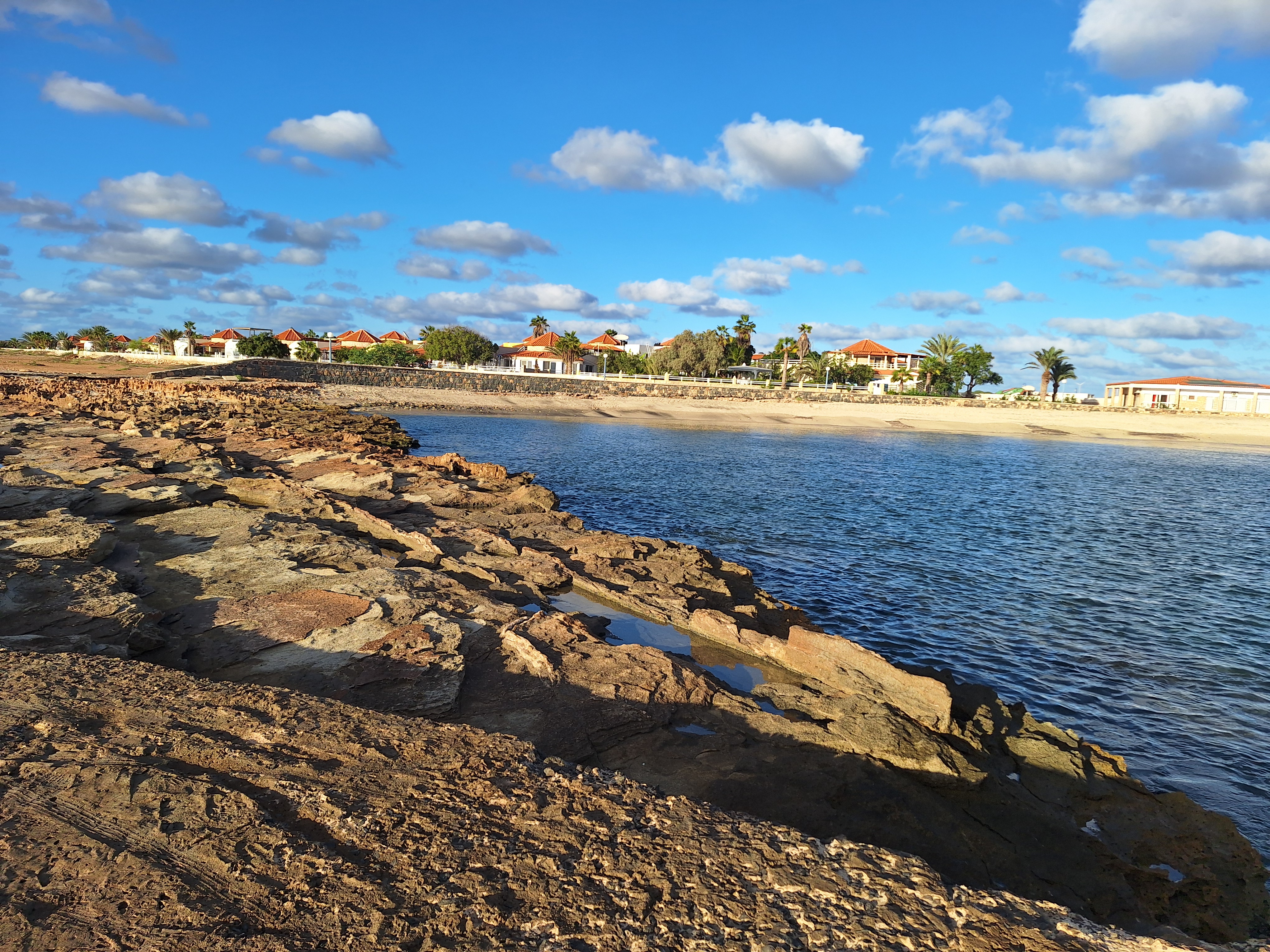
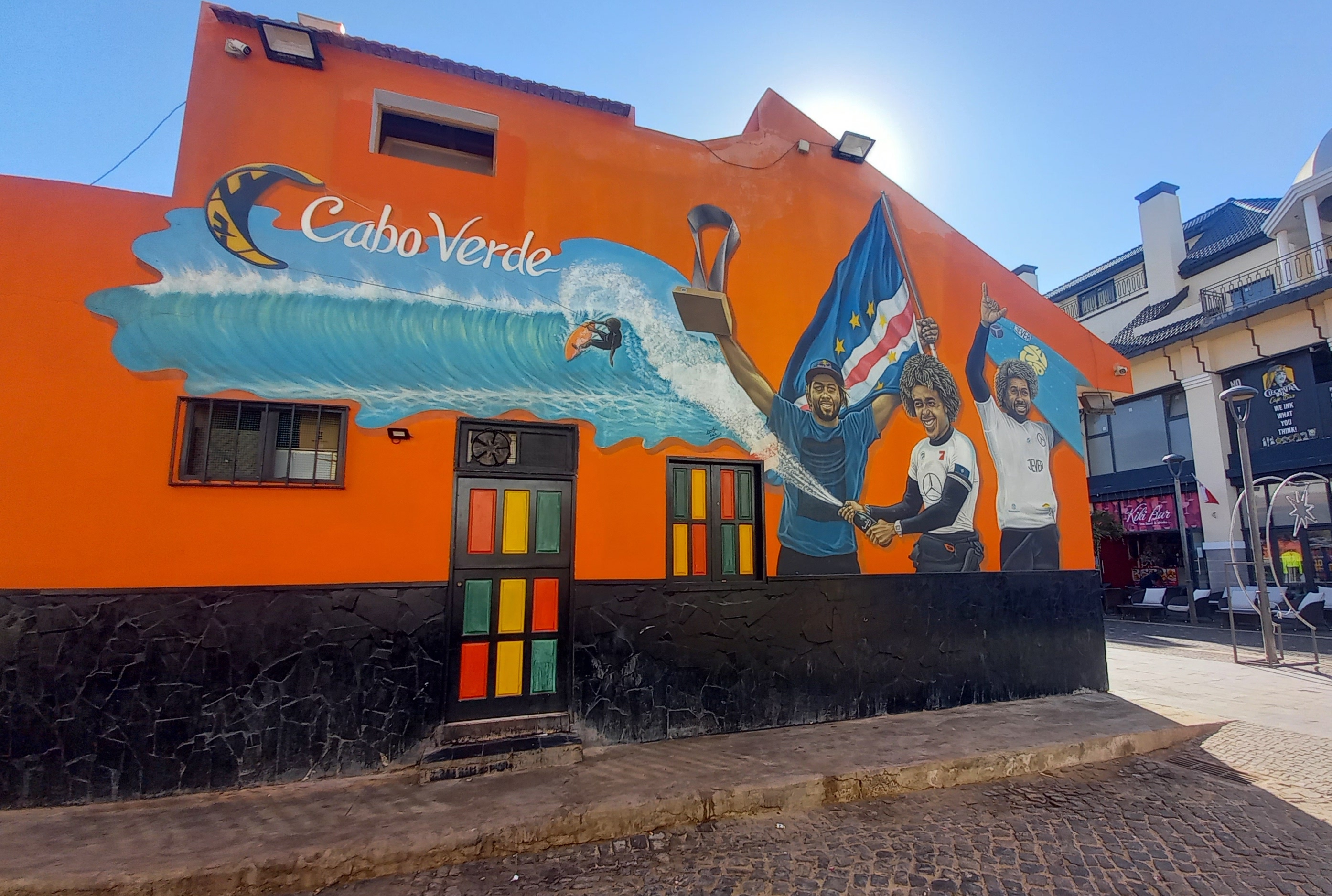
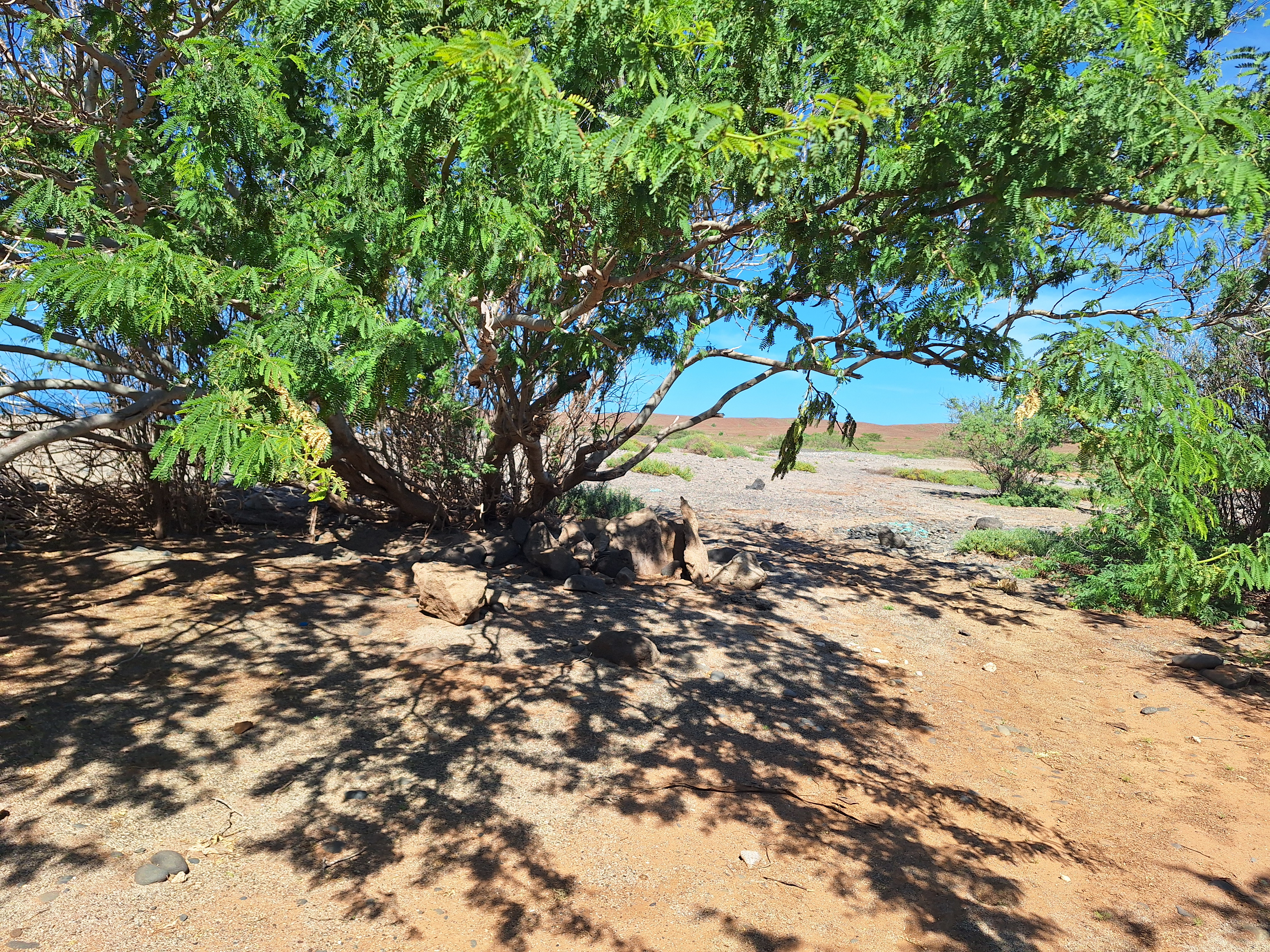
When you arrive on Sal, the first thing you notice is the light. It’s sharp and bright, bouncing off pale sand and pastel buildings, flattening shadows by midday. The landscape feels open and exposed, almost lunar in places, with long stretches of desert interrupted by pockets of life. Palm trees cluster around villages. Color appears in unexpected ways: a mural on a concrete wall, laundry flapping between houses, fishing boats painted in blues and reds that have faded gently under the sun. Most visitors land, transfer, and disappear into resort compounds designed to feel placelessly perfect. Inside, you could be anywhere. Outside, Sal is quietly getting on with its day.
Choosing slow travel here often begins with something very simple: staying somewhere locally owned. Guesthouses, small apartments, family-run hotels, and eco-lodges may not offer infinity pools or nightly entertainment, but they offer something far more valuable. They offer proximity to everyday life. You hear neighbors greeting each other in the morning. You learn which bakery runs out of pão cedo first. You notice how evenings stretch longer, with people lingering outside long after sunset, talking, laughing, doing nothing in particular.
Slowing down means allowing time for these observations to matter. On Sal, time moves differently. The island’s history has taught its people patience. Cabo Verde has always existed in between places, between continents, between departures and returns. Many families have members living abroad, sending money home, visiting when they can. This constant movement has created a culture that values connection over speed, presence over productivity.
As a traveler, you feel this most when you stop trying to “see everything.” Sal doesn’t reward rushing. There are no grand monuments demanding a checklist approach. Instead, the island opens itself gradually. A conversation with a shop owner becomes the highlight of your day. A shared coffee turns into an invitation to sit longer. A casual walk becomes a lesson in local geography, guided by whoever happens to be passing by.
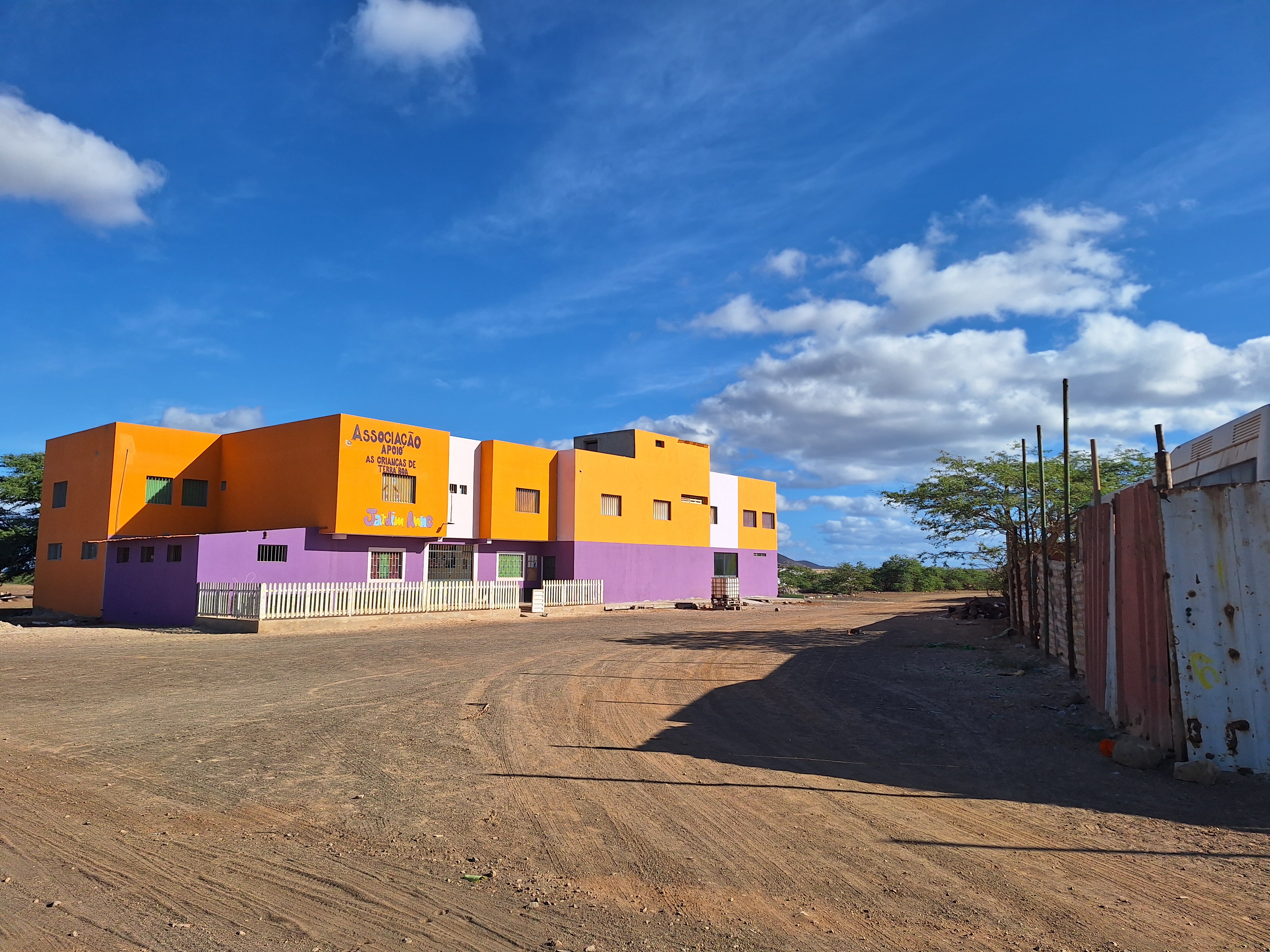
Being a responsible traveler on Sal means listening more than speaking. It means understanding that while tourism is a major economic driver, it is also uneven. Resorts employ many locals, but profits often leave the island. Small businesses, informal vendors, and independent guides depend far more directly on visitors choosing to engage with them.
Walking through Santa Maria, Sal’s most well-known town, you’ll see this contrast clearly. On one side, polished beachfront promenades cater to visitors. On the other, sandy streets lead into residential neighborhoods where life continues regardless of tourism. Children play football on improvised pitches. Music drifts from open windows. Women sit together braiding hair, chatting, keeping an eye on everything at once. It’s here, away from the beachfront, that Sal feels most alive.
Eating locally is one of the simplest and most meaningful ways to travel responsibly on the island. Cabo Verdean cuisine is rooted in necessity and creativity. The land is dry, rainfall scarce, and ingredients have historically been limited. What emerges from this is food that is deeply comforting and deeply communal. Cachupa, the national dish, tells this story perfectly. A slow-cooked stew of corn, beans, vegetables, and whatever protein is available, it varies from household to household. No two cachupas are the same, and everyone has an opinion about which version is best. Eating it in a small local restaurant, or better yet, in someone’s home, feels less like dining and more like being included.
You may be surprise but locally owned restaurants offer not only Capo Verdian dishes but also a fine selection of foreign food. Many locals are married to a foreigners and they learn how how to prepare the international cuisine. When you choose local eateries over international chains or resort buffets, you’re not just supporting small businesses. You’re participating in daily life. You’re hearing Creole spoken around you, watching how meals are shared, noticing how food structures the day. Lunch is often slow. Dinner is late. Nothing feels rushed.
Slow travel on Sal also means moving through the island differently. Renting a car can be useful, but walking, cycling, or taking local transport offers a completely different perspective. You notice how distances feel longer under the sun. You notice who shares the road with you: donkeys pulling carts, children on bikes, workers heading home at dusk.
Public minibuses, known locally as aluguer, are not about efficiency. They leave when they’re full, stop when someone asks, and often turn into social spaces on wheels. Riding in one is an exercise in letting go of control. It’s also a chance to experience the island as residents do, navigating heat, dust, conversation, and laughter all at once.
Responsible travel also means being aware of environmental limits. Sal is fragile. Fresh water is scarce, much of it produced through desalination. Energy resources are finite. Waste management remains a challenge. These realities are easy to ignore inside a resort where towels are changed daily and pools are constantly refilled. Outside that bubble, the cost of excess becomes clearer.
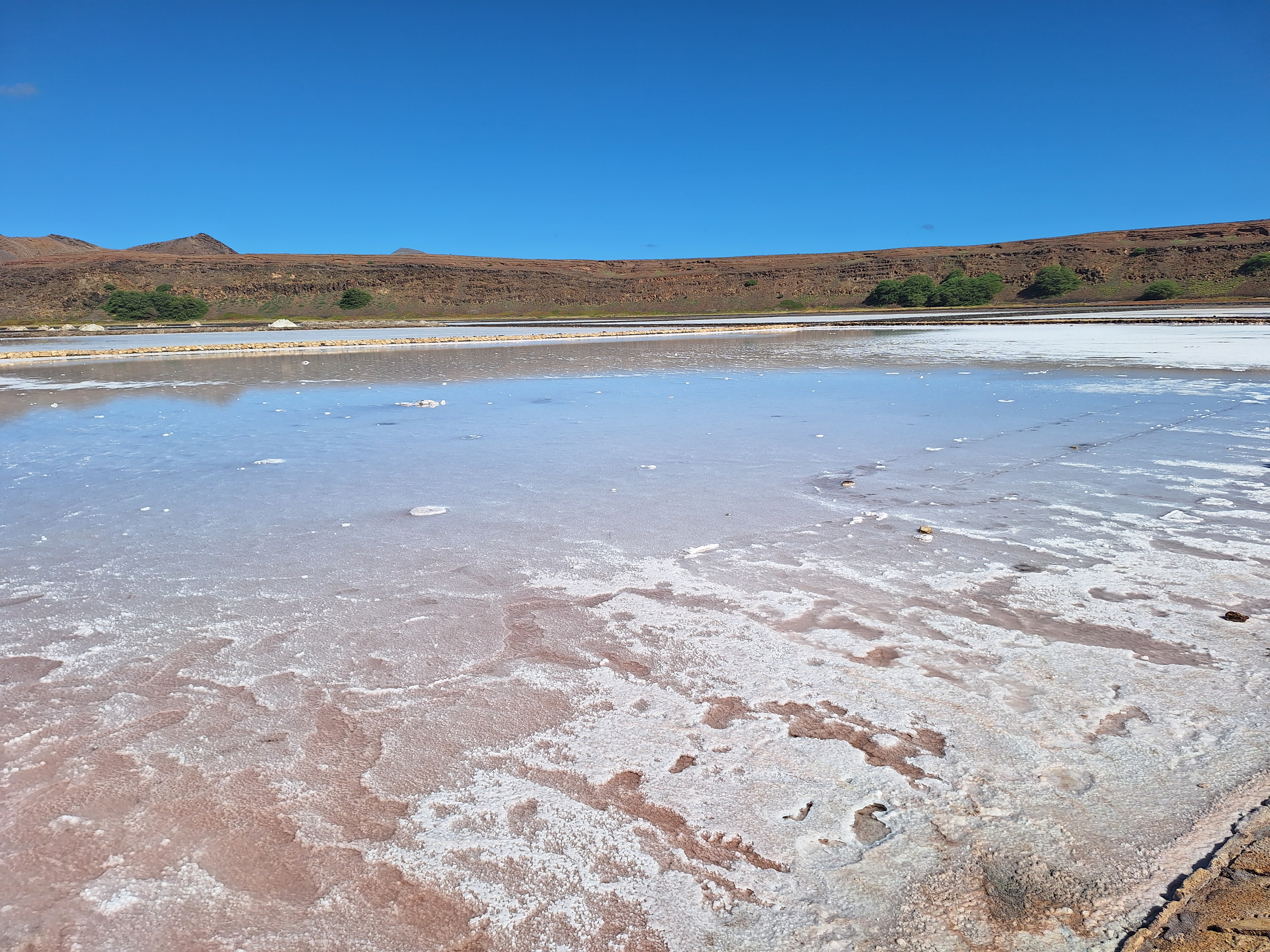
Using water mindfully, reducing plastic consumption, and respecting natural sites are not abstract sustainability gestures here. They are acts of consideration in a place where resources matter. Visiting salt flats, beaches, and desert landscapes with care ensures they remain part of the island’s future, not just its marketing.
If you spend enough time in Sal, you will notice the sound of the wind moving across open land. The way the ocean shifts color depending on the hour. The rhythm of music playing softly somewhere nearby. You begin to understand why Cabo Verdean music carries such emotional weight. Morna, in particular, captures this sense of longing, patience, and quiet resilience. Listening to it live, in a small bar or community space, connects you to something far deeper than entertainment.
Traveling responsibly on Sal also involves acknowledging your position as a visitor. There is a long history of outsiders arriving with assumptions, often seeing Cabo Verde through a lens of lack or simplicity. But the island’s culture is not defined by what it doesn’t have. It is defined by what it has learned to create, protect, and share.
Engaging respectfully means asking permission before taking photos, especially of people. It means understanding that not everything is for consumption. Some spaces, conversations, and moments are not meant to be documented or posted. They are meant to be experienced and then carried quietly with you.
The most meaningful encounters on Sal often happen unexpectedly. A fisherman explaining how the sea has changed over the years. A teacher talking about her students’ dreams. A shop owner sharing stories of family members abroad. These conversations offer insight into the island’s complexity, its challenges, and its hopes. They also remind you that responsible travel is relational. It’s built on human connection, not transactions.
There is also joy here, abundant and contagious. Children dancing spontaneously. Friends gathering on the beach at sunset with no agenda beyond being together. Laughter that feels effortless. Sal is not a place of solemn lessons. It’s a place of warmth, humor, and generosity, especially toward those who show genuine interest and respect.
Leaving Sal after traveling slowly feels different. You don’t feel like you’ve “done” the island. Instead, you feel like you’ve been allowed a glimpse into it. You carry small details with you: the taste of strong coffee, the feel of sand in unexpected places, the sound of Creole phrases you don’t fully understand but somehow remember.
Rethinking travel in Cabo Verde, particularly on Sal, isn’t about rejecting tourism. It’s about redefining it. It’s about choosing presence over performance, connection over convenience, and curiosity over consumption.
Sal may be marketed as a destination, but it is first and foremost a home. Traveling slowly and responsibly allows you to experience it not as a product, but as a living place, shaped by people who welcome visitors not because they have to, but because hospitality is woven into their culture.
If you give Sal your time, your attention, and your respect, it gives something back that no resort package ever could: a sense of belonging, however temporary, in a place that lingers long after you leave.
Curious about discovering Sal? I’ve been slowly piecing together my own way of exploring the island — following conversations, quiet places, and the kind of days that don’t fit neatly into an itinerary. I’ll be sharing that journey soon, in the form of an itinerary shaped by lived moments rather than must-see spots, for anyone who feels drawn to experience Sal more gently and more deeply. No resorts, just locally owned places. Stay tuned. It’s coming!
 Nomadlytics
Leave a comment