
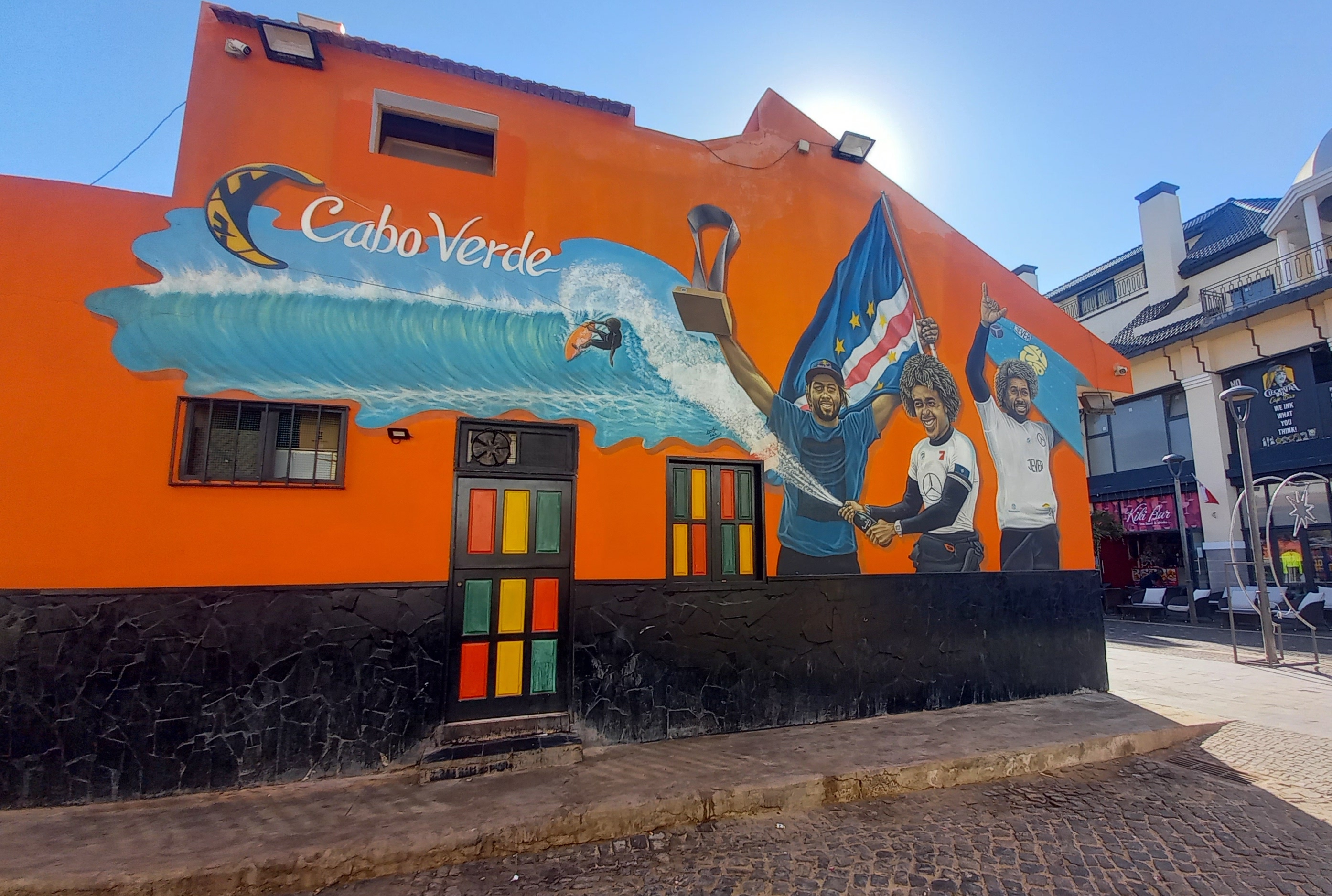
Discovering Nature, Waves, Salt & Warmth in Cabo Verde
There’s a magic to Sal (Cape Verde) that often surprises travellers: a desert-like island with relentless sunshine, winds that draw riders from around the world, long sandy beaches, and a relaxed life style. Sal is experiencing a growing tourism but it still can surprise you with an authentic, local culture.
Let’s say that Sal is no longer a secret. During the European winter, there are thousands of tourists coming here to enjoy the warm weather in the luxury resorts. Still, even with more visitors year after year, especially around Santa Maria, you’ll find the island still pulses with good vibes — welcome smiles, unhurried beach days, and lively conversations. The North of the island is still very authentic and it’s less common to see crowds of tourists in Espargos or on the Monte Leao beach. You don’t need to book an expensive hotel room to enjoy Sal. There is a fair amount of options in the local apartments and guest houses. Much cheaper and definitely more authentic. We stayed 4 days in Murdeira and 4 days in Santa Marta – in both cases we rented from local people and we really enjoyed the authentic vibe. The great advantage of Sal is that all the beaches are free of charge so even if you don’t stay in the luxury resort, you can relax on the beach in front of it. Let’s explore this beautiful island together. Below I set up a sort of one week itinerary so you can enjoy this island far from the crowds.
Day One: Arrival and the First Taste of North
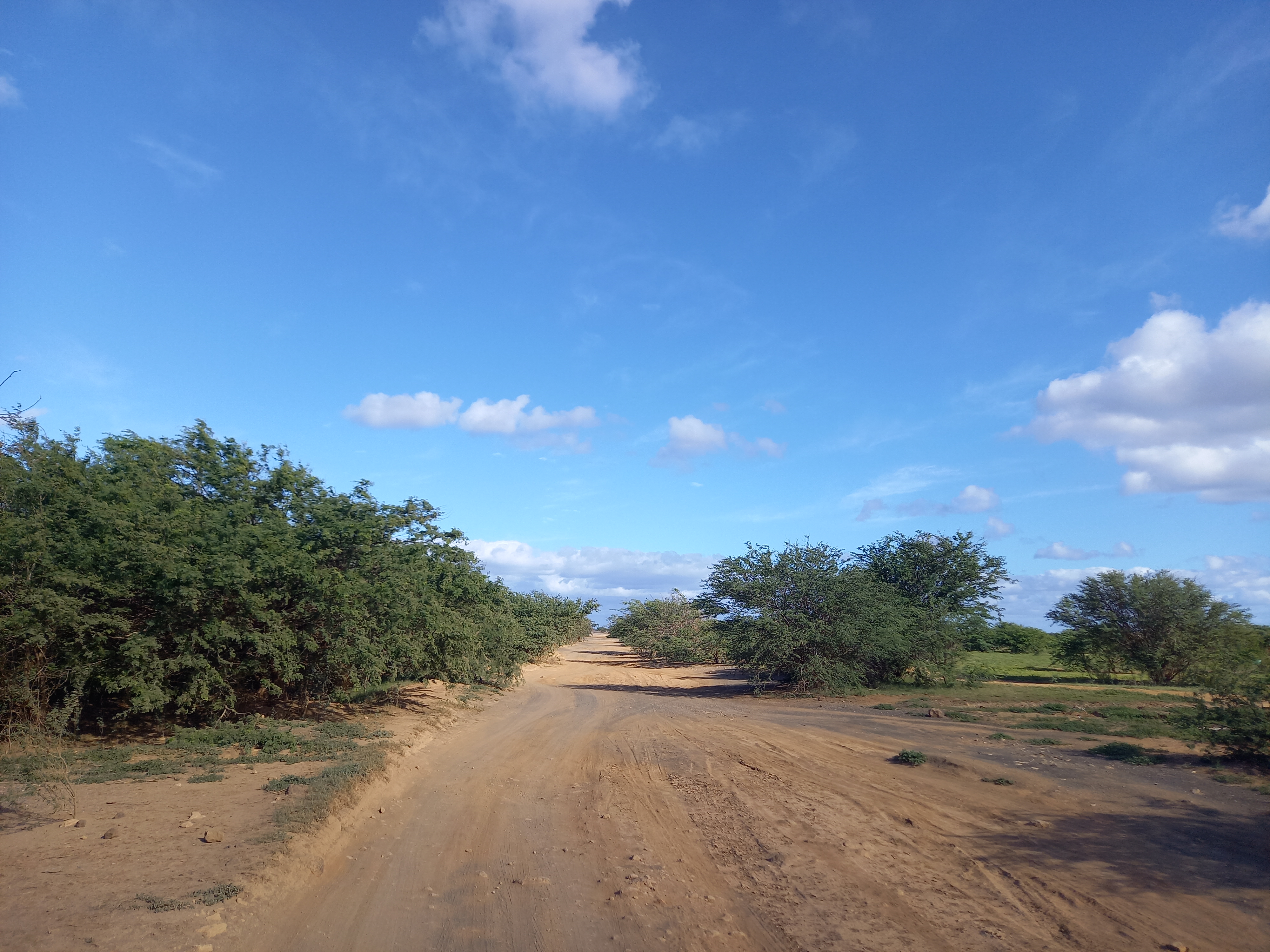
When we landed on Sal, the first thing I noticed is that there is no rush. One hour queue at the immigration if your are traveling with a minor under 12 years old. Adults with a bio metric passports can go through faster automatic gates. So arm yourself with patience. Once we picked up the 4×4 and left the airport behind, the island stretched out in front of in pale colors and long lines. There is no skyline and the roads are pretty empty. The GPS works perfectly and if you get lost, you will meet someone who will show you the way.
You are not obliged to rent a car on Sal, the public transport works well but you will need patience and you won’t be able to visit the remote parts of the islands such as the desert in the North.
We decided to spend some days in the northern part of the island, far from the noisy parties in Santa Maria. We booked a lovely apartment in the neigbourhood called Murdeira. It’s not only closer to the northern desert and some of the best surf spots like Monte Leao or Alibaba but it is also more authentic and quieter than Santa Maria (the tourist hot spot).
Day one was dedicated to grocery shopping at the local mini market and to admiring a beautiful sunset. The market is slightly overpriced but consider that there are very little resources on the island so literally almost everything must be imported. You still will find the fresh bread in the morning, some local bananas and papayas and basic international ingredients for a delicious home cooked meal. If you want to treat yourself with a delicious meal in a restaurant, head directly to Base Nautic just at the entrance of the Mudreira village.
The Murdeira beach is sandy with a nice reef for snorkelling but as all the beaches on Sal it can be windy. If you are looking for a more protected spot to swim and relax, head to the municipal swimming pool – access is free of charge for all the residents of Murdeira and their guests.
Day Two: Espargos and the Desert Beyond
Espargos is the capital of the island. It’s not beautiful in the way beaches are, but it’s worth to come here and stroll among the locals. Walking through the town makes you feel closer to the pulse of the island. If you have kids, visit the sport centre with playground, skate park, football field and basketball court – perfect to connect with local families.
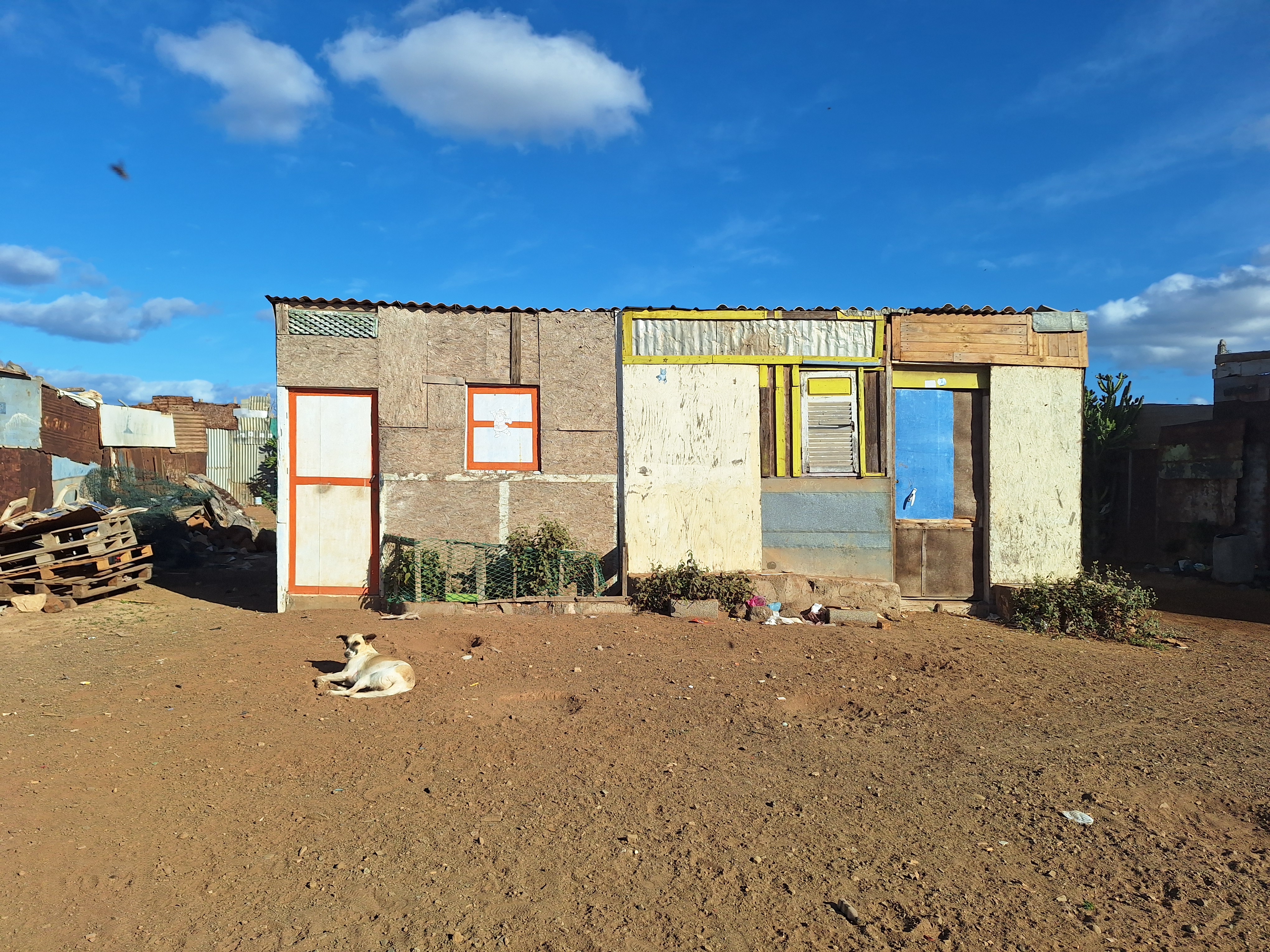
Espargos is on your way to the northern desert. You will need a 4×4 because as soon as you leave the city, you will be driving on the country roads. On your way to the desert you will also pass thorough the poor outskirts – the landscape is made of shacks and stray dogs. If you can bring some basic medicines and kids toys to leave in the local association which takes care of this community.
Once you leave the shacks behind, you will be able to enjoy an incredible volcanic desert: flat, silent and vast. Before arriving to the ocean (you can drive toward the lighthouse or stop a bit before) it’s worth to stop and enjoy not only the views but also an incredible silence of the desert. It’s really worth to continue and hike or climb the rocks near the light house. This is the less crowded place on the island: don’t count on meeting people here.
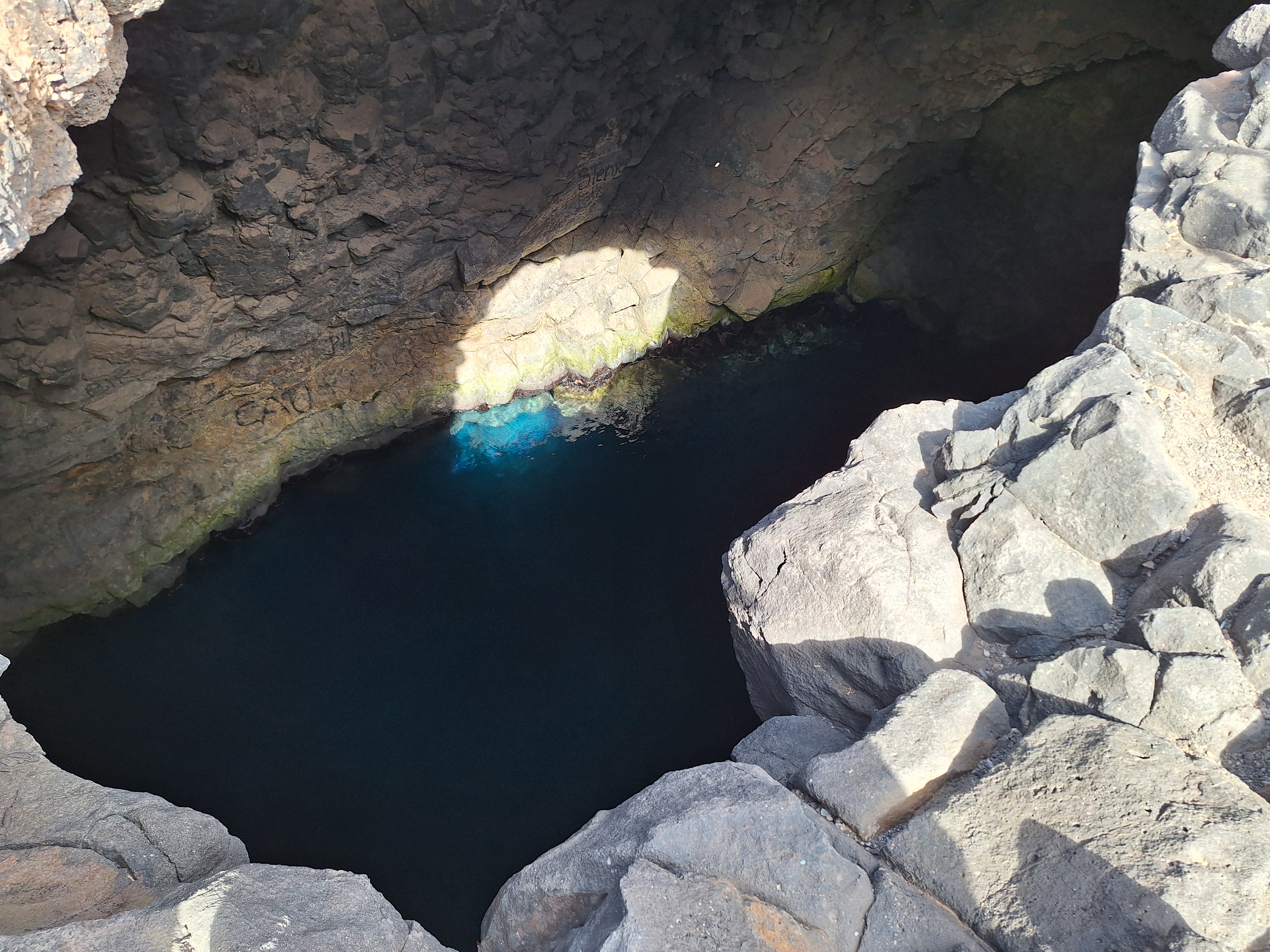
On the way back to Murdeira, we stopped at the Buracona Blue Eye. The local attraction, very touristy but still worth a visit. Buracona Blue Eye (Olho Azul) is a striking natural spectacle where sunlight hits a sea-filled volcanic cave at just the right angle illuminating the water in vivid shades of blue that resemble a giant, glowing eye set into the rugged Atlantic coastline. It’s part of this unique landscape of black lava rock, natural pools, and ocean views that makes it one of the island’s most memorable natural attractions.
We timed it carefully, arriving when the sun was high enough to illuminate the water just right and just before lunch knowing that the groups of tourists will leave the place soon.
Visiting the place on your own gives you more flexibility. Groups come and go, normally they stay for half an hour and then drive to another location.
Day Three: Salt Flats and Shark Bay
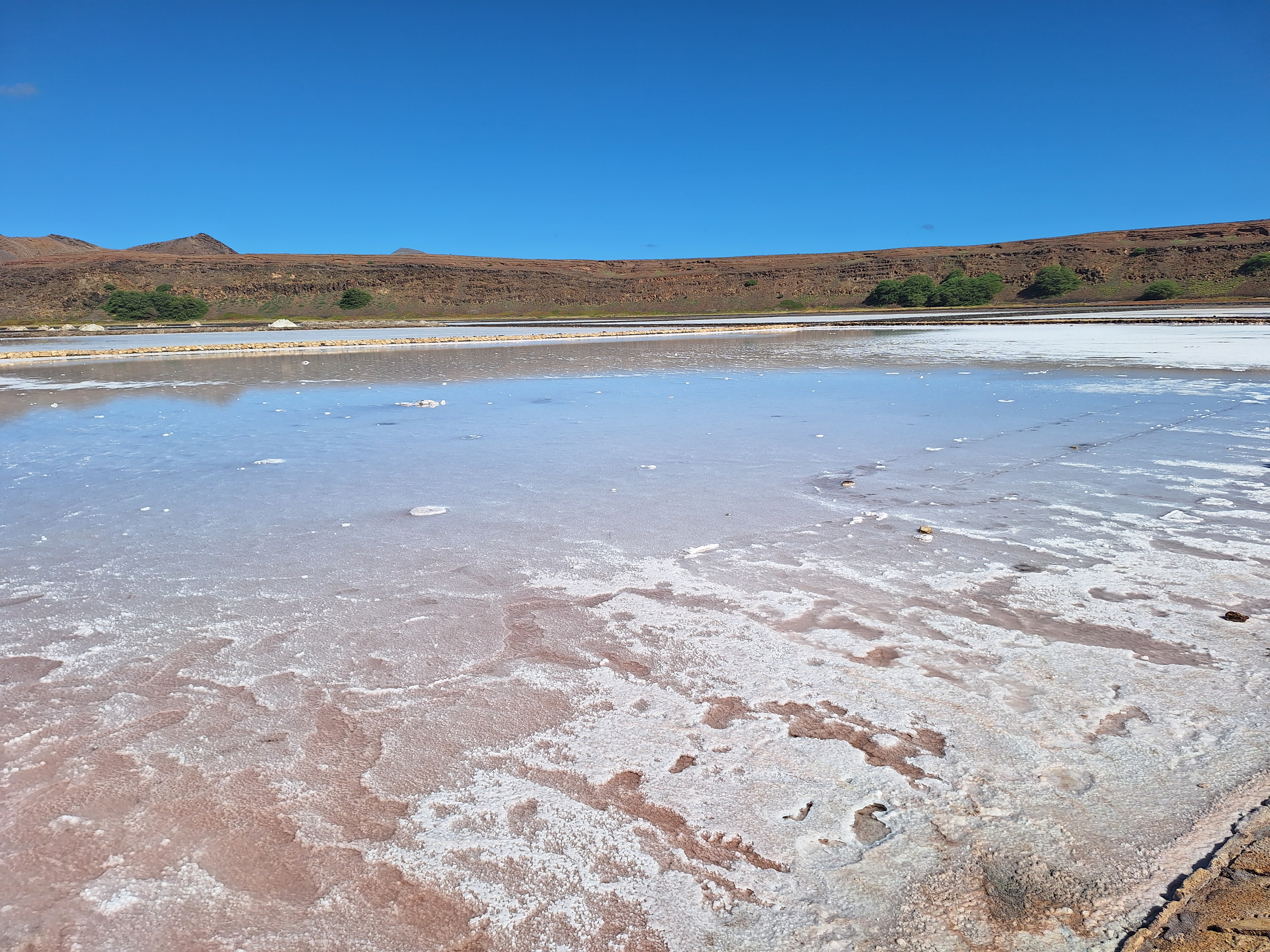
Stepping into the Salinas de Pedra de Lume feels almost like entering a secret world tucked inside an ancient volcanic crater. As you walk through a short tunnel carved into black lava rock, the landscape suddenly opens to reveal a vast basin of brilliantly white salt crusts and serene shallow lakes — a dazzling contrast against the blue of the sky. The air is warm, the silence profound, and the surreal scenery invites you to pause and breathe it all in.
For many visitors, the highlight is wading into the intensely salty water, where the buoyancy is so strong that you naturally float on the surface with almost no effort — a sensation that surprises, delights, and sometimes makes for unforgettable photos.
Practical info:
• Entrance fee: Around €5–€6 per person, payable on site in cash — cards are often not accepted.
• Opening hours: Generally 9 AM–5:45 PM daily (though times can vary slightly).
• Facilities: There are basic changing rooms and toilets, and freshwater showers available for a small extra charge (about €1) to rinse off salty water afterwards.
Because the visitor facilities are simple and the roads to the site aren’t served well by regular public transport, you can only arrive here with a rental car, a taxi or on a tour. I strongly advise a rental so you can enjoy it as long as you want and you are not tight on schedule of a tour. My advice is also to arrive here as soon as the site opens, before the crowds arrive.
On our way back from the salt flats we stopped in the shark bay where you can see little shark close to the shore. hey are not dangerous and you can see them without a snorkeling mask, that’s how close to the shore they are! It’0s also wort to visit the nearby fishing village of Pedra de Lume.
Day Four: Hiking Mount Leao and surfing beaches
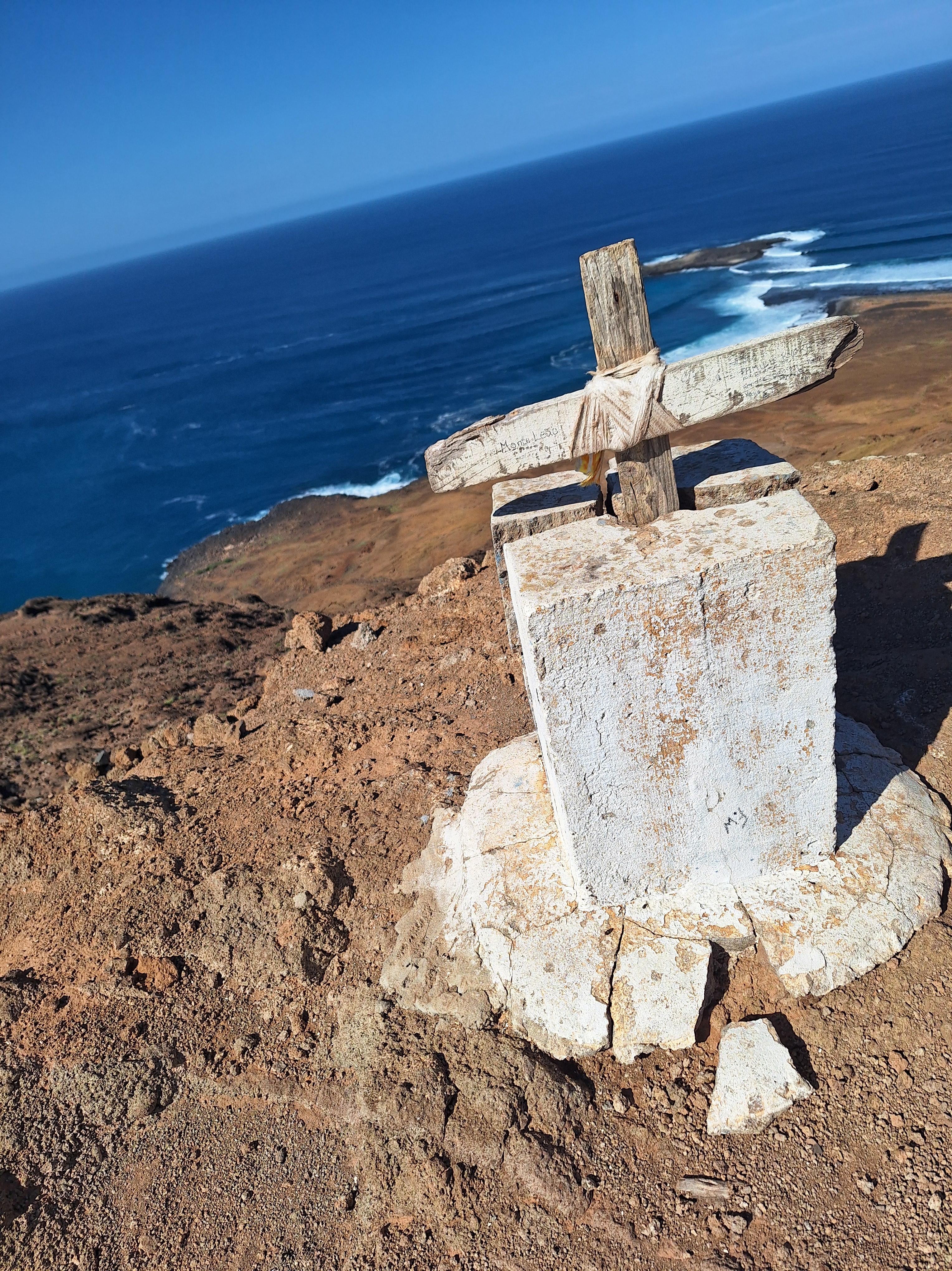
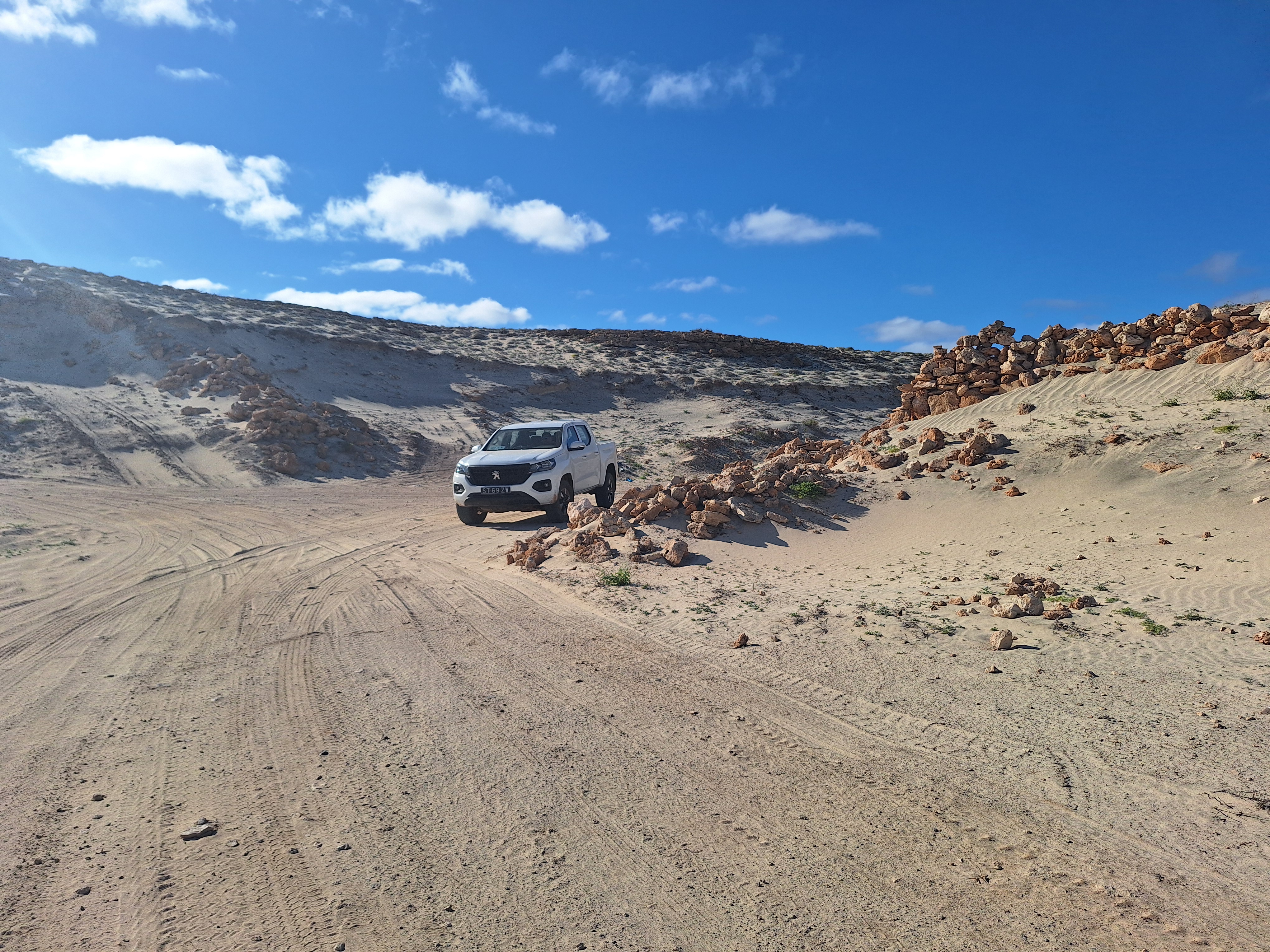
One of the highlights of staying in Murdeira is hiking Monte Leão, often called Lion Mountain because its silhouette resembles a resting lion. The trail isn’t overly technical but can be rocky and exposed, so bring water and use good hiking shoes. You will not find a single indication of the trail. The only way to find the right path is to observe the mountain and find the right way. I suggest to park the car not too close to the beach but further away, behind the mountain like here. The hike takes about half an hour and it is pretty exposed, it can be complicated on the windy day. From the top, the reward is spectacular — sweeping Atlantic views, desert plains fading into the horizon, and a powerful sense of isolation. Plus, you will see the small islet just in front – Rabo de Junco. This is one of the main bird breeding places of Cabo Verde. It’s one of those moments where you truly feel the raw nature of Sal. If you can go early in the morning or late afternoon to avoid the midday heat. The sunset from the top is spectacular.
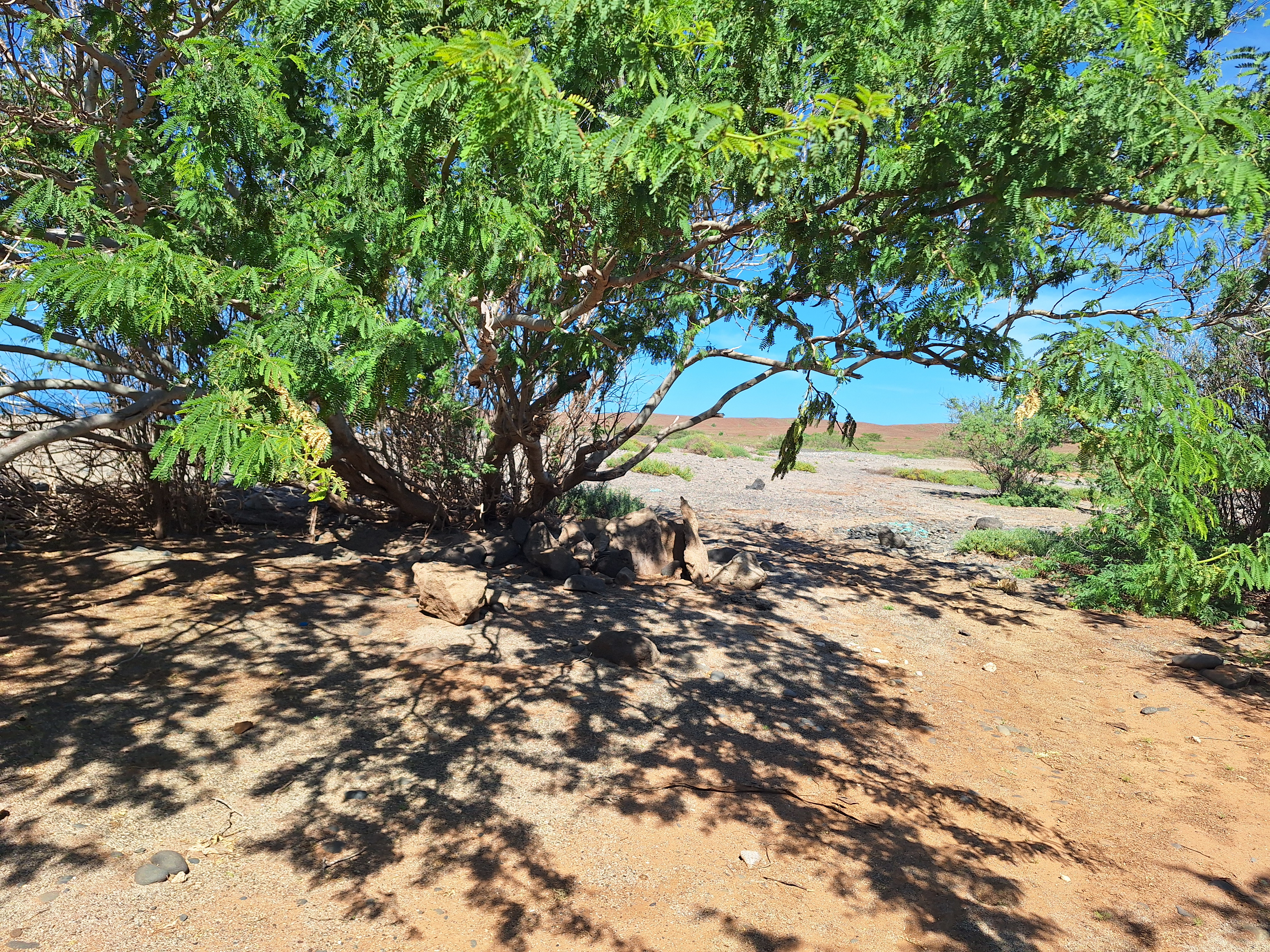
Dedicate the rest of your day to discover other beaches of the North – not only surfing beach of Mount Leao but also another surfing spot called Alibaba here. If you decide to spend a longer time, remember to bring food and water – no bars, no shops, no people. You will be able to enjoy a truly magnificent nature all alone, far from the crowds.
Day Five and Six: Santa Maria
Santa Maria is the tourists hot spot. When we moved here on our 5th day it was like stepping into a different world. We arrived from calm Murdeira neighborhood to a noisy and crowded Santa Maria. However, it’s better than you may think as long as you stay away from the big resorts. The town of Santa Maria is full of tourists, that’s true but it also has a nice vibe and some local character. Here you can stroll along the main boulevard, taste delicious Italian ice-cream, have a good coffee and a decent local meal. In the evening you will hear some live music here and there. During the day, the local beaches are beautiful and great for snorkeling. The beaches near the resorts are not private so you can visit and stay there even if you are not the guest of hotels.
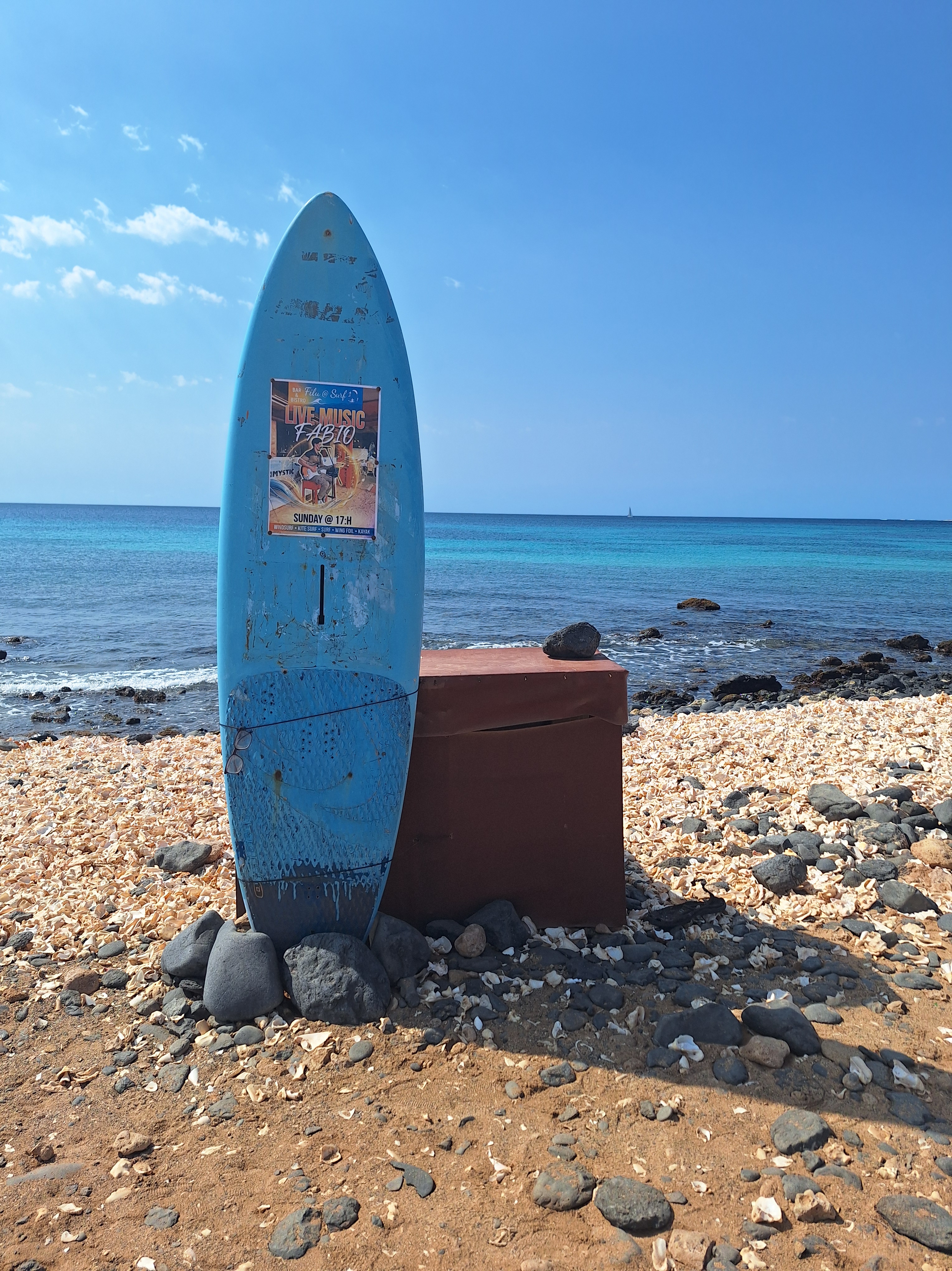
Don’t miss the sea shell cemetery beach – a beach literally covered in sea shells…and garbage unfortunately. Yes, Capo Verde has a big problem with garbage and you will notice it from day one. However, it’s worth to walk through this incredible scenery of sea shells and garbage and arrive to a path that will lead you to the most southern edge of the island. If you continue further on, it will take you to the sand dunes (or what remains of them because the newly built houses took over the nature). Here you will also see crowds of kites-surfers, as this is the best kite-surfing spot on the island.
Day Seven and Eight: Southern beaches, Santa Marta and Ponta Preta
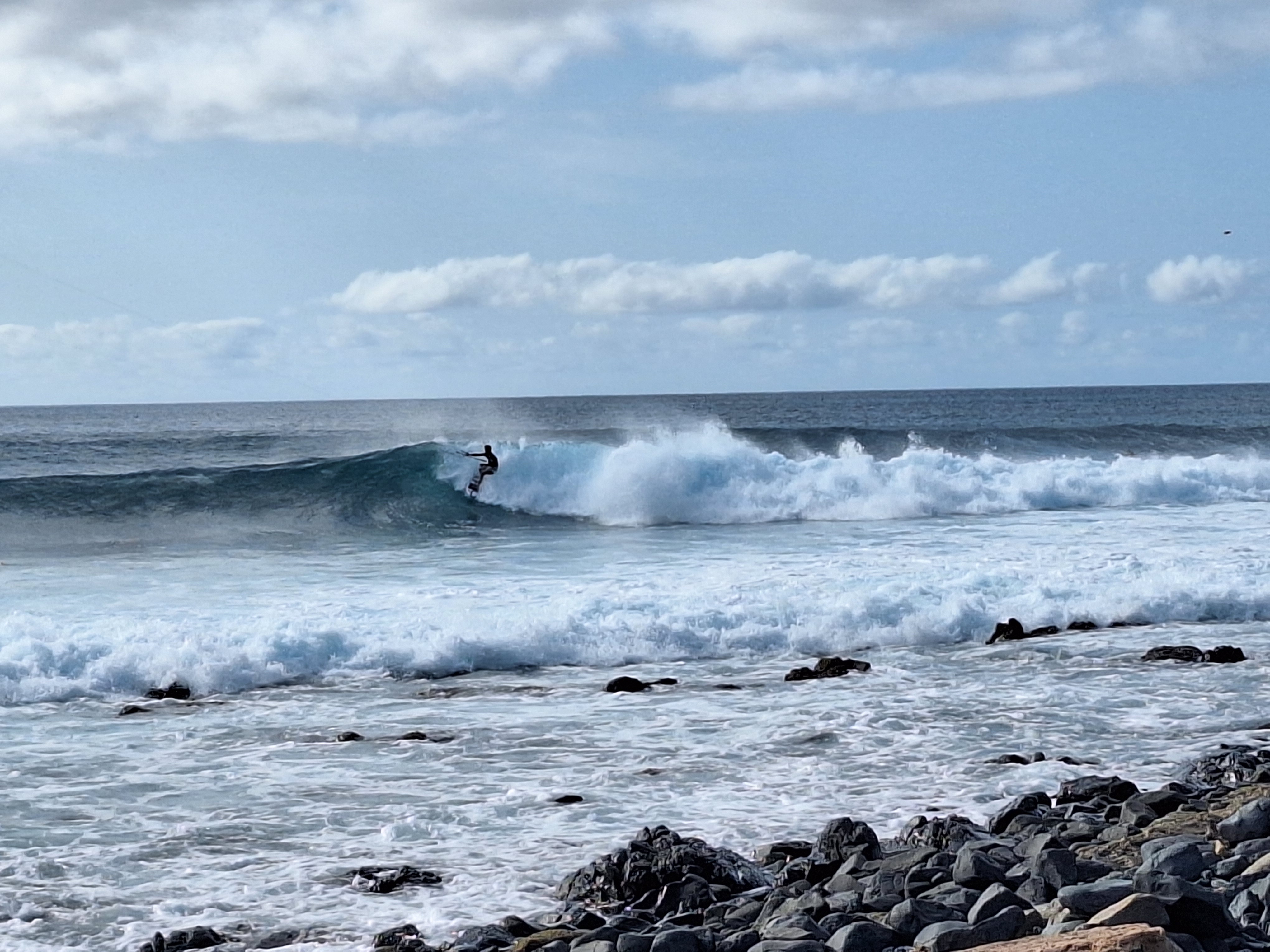
The last one or two days can be dedicated to further exploration of Southern beaches, kite surfing or snorkeling depending on what are you passionate about. We spent some time on Ponta Sino beach – stunning, white beach with crystal clear waters. There is not much reef here but you still can be lucky and meet local fish and turtles while snorkeling. We also watched the kite-surfers on Ponta Preta beach – absolutely fantastic. Here, the wind picks up strength and the ocean turns powerful. Kite surfers skim across deep blue water, carving through waves with precision and speed. Some launch into the air, suspended for a breathless second against the bright Cape Verde sky before landing smoothly back onto the swell. Even if you never step onto a board yourself, sitting here and watching the choreography of wind, water, and skill is mesmerizing. At sunset, with the sky turning pink and orange, it feels particularly special.
Practical tips:
- Tap water on Sal is not drinkable. Buy bottled water for drinking and brushing your teeth. Consider refilling a reusable bottle from larger containers to reduce plastic waste.
- The sun is strong year-round and the Atlantic trade winds are constant. Bring high-SPF sunscreen, sunglasses, a hat, and light layers for windy evenings. Even on breezy days, you can burn quickly.
- The local currency is the Cape Verdean Escudo (CVE). Cards are accepted almost everywhere not only in hotels and restaurants. Still it’s worth to have some small amounts of cash.
- Renting a car makes it easier to explore spots like Buracona and the Monte Leão area. The desert roads are unpaved, so 4X4 is a must.
- Travel insurance is recommended, especially if you plan to surf or kite.
- Tourism is growing quickly. Conserve water, avoid littering, and support local businesses to help preserve the island’s relaxed and welcoming vibe.
A week on Sal — especially when you venture beyond the main resort strips — reveals an island that is far more than just a beach escape. Between desert drives in the north, hikes above Murdeira, salt flats shimmering in the sun, and slow mornings watching fishermen in Santa Maria, you begin to feel the quiet rhythm that defines this place.
Sal may be growing in popularity, but step slightly off the beaten track and you’ll still find authenticity, open landscapes, and genuine human connection. It’s an island of wind and light, of salt and simplicity — and if you give it a little time, it gives you back a sense of calm that lingers long after you leave.
 Nomadlytics
Leave a comment