
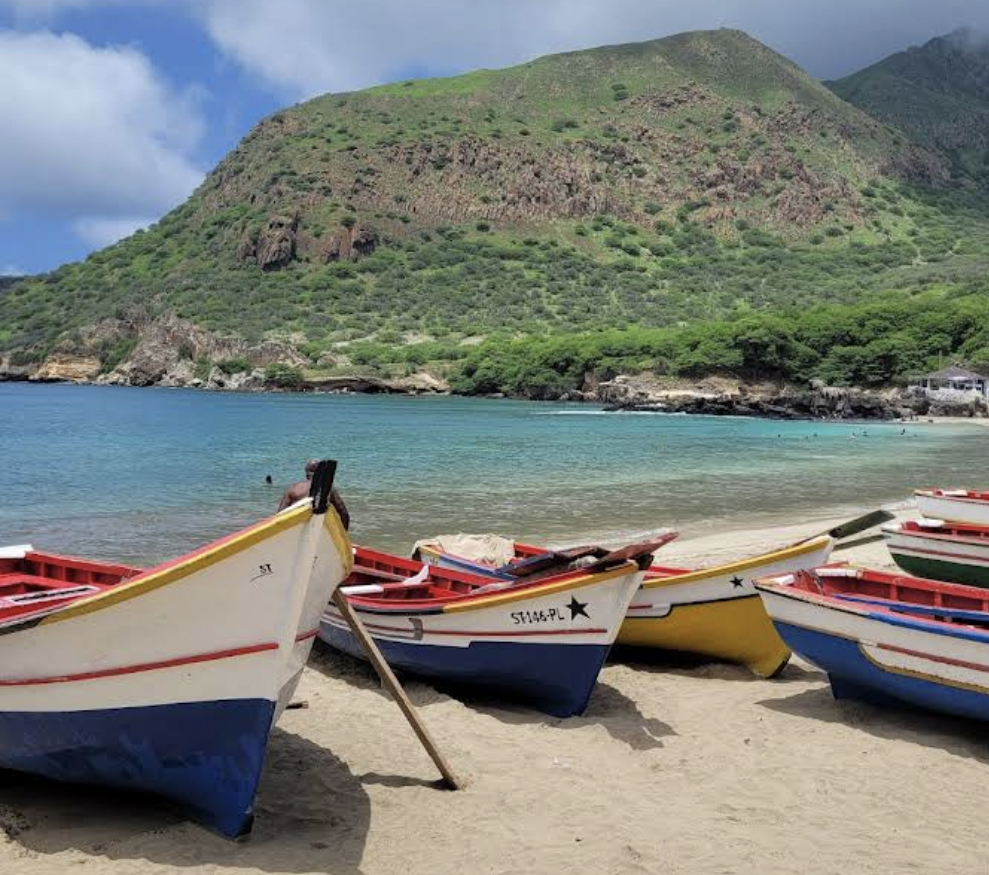
Among the ten islands of the Cape Verde archipelago, Santiago Island stands apart as the cultural and historical heart of the country. It is the largest island in the archipelago and home to nearly half of Cape Verde’s population. While some islands attract visitors with luxury beach resorts or dramatic volcanic landscapes, Santiago offers something deeper: the origins of Cape Verdean culture, centuries of history, vibrant local markets, and diverse landscapes ranging from rugged mountains to quiet coastal villages.
Located in the southern part of the archipelago, Santiago is also where the capital city Praia is located. The island blends modern urban life with historic colonial sites and rural communities that still rely on agriculture and fishing.
Traveling through Santiago reveals the layers of Cape Verde’s past—from early Portuguese colonization to the transatlantic slave trade and the birth of a unique Creole culture. For visitors who want to experience the real Cape Verde beyond beach resorts, Santiago offers a rich and rewarding journey.
In this post I will explore the history of Santiago Island and suggest you a 7-day itinerary that combines history, culture, and nature. Let’s start!
The History of Santiago Island
Santiago Island was discovered in 1460 by Portuguese explorers, most likely led by the Italian navigator Antonio da Noli, who was sailing on behalf of the Portuguese Crown.
Like the other islands in Cape Verde, Santiago was uninhabited before European discovery. However, its fertile valleys and fresh water sources made it one of the first islands in the archipelago to be permanently settled.
By the late 15th century, Portuguese settlers had established the town of Cidade Velha, originally called Ribeira Grande. This settlement soon became the first European colonial city in the tropics and played a crucial role in Atlantic trade.
Santiago and the Transatlantic Slave Trade
During the 16th century, Santiago became one of the most important hubs of the Transatlantic Slave Trade.
Enslaved Africans captured on the mainland were transported to Cidade Velha, where they were sold and shipped across the Atlantic to the Americas. The port became a strategic stop between Europe, Africa, and the New World, linking major trade routes and empires.
Life on Santiago during this time was shaped by both wealth and hardship. Portuguese settlers, traders, and officials lived alongside a large population of enslaved and free Africans. Over time, resistance, adaptation, and cultural exchange among these groups led to the emergence of a distinct society. Even under oppressive conditions, African traditions in music, language, religion, and cuisine endured and blended with European influences.
Despite this dark history, the mixing of cultures during this period helped create the unique Cape Verdean Creole culture, blending African and Portuguese traditions. This legacy is still visible today in the Cape Verdean language (Kriolu), rhythms such as morna and batuque, and local customs that reflect centuries of cultural fusion.
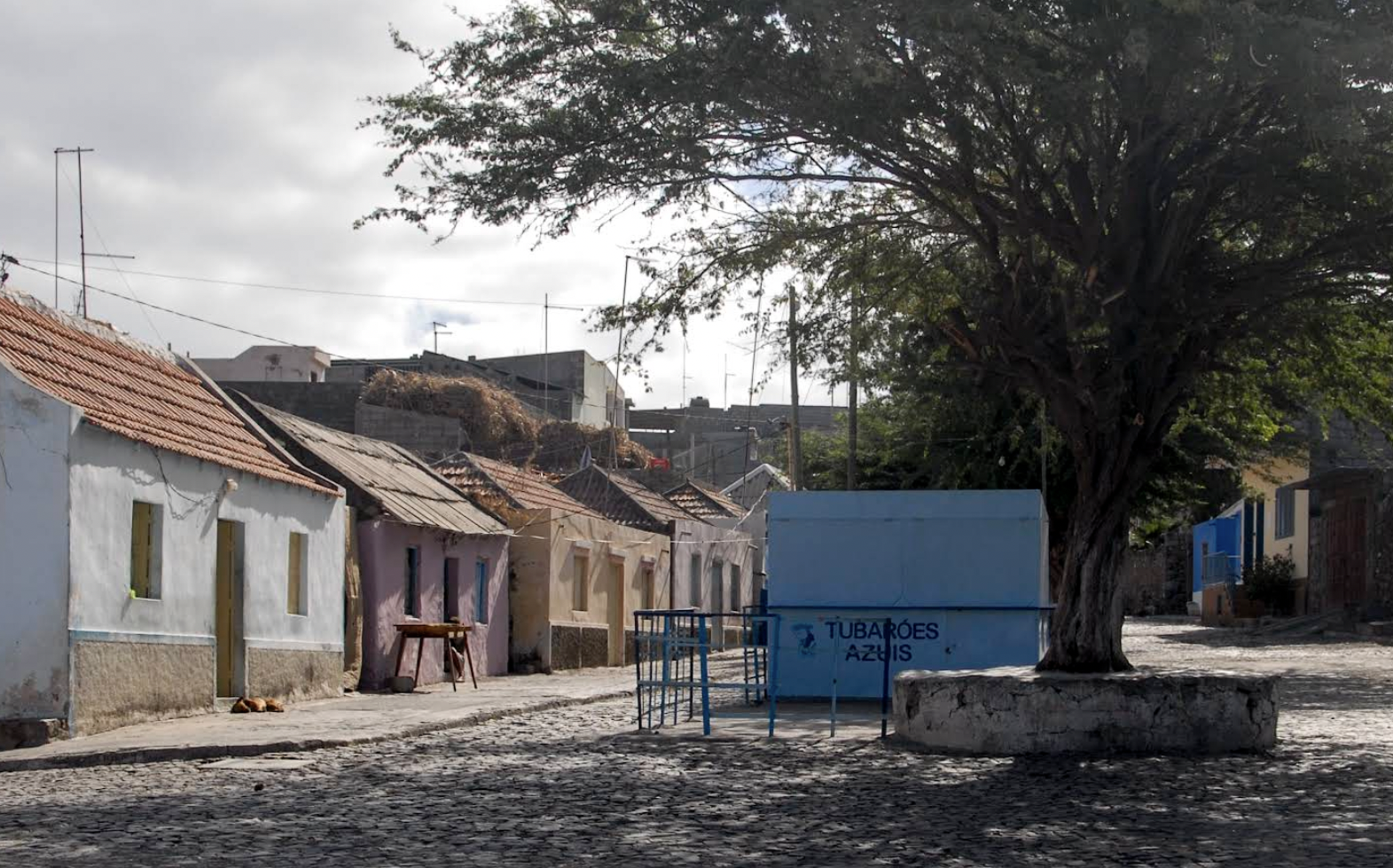
Remnants of this era can still be seen today in Cidade Velha, which has been designated a UNESCO World Heritage Site. Walking through its cobbled streets offers a powerful glimpse into the past.
Visitors can explore historical landmarks such as the Fortaleza Real de São Filipe, built in the late 16th century to defend the city from pirate attacks, as well as the Pelourinho (pillory square), where enslaved people were once punished, and the ruins of the old cathedral—once one of the largest in sub-Saharan Africa.
Today, these sites stand not only as reminders of suffering and exploitation, but also as symbols of resilience and cultural identity that continue to shape Santiago and the wider Cape Verdean nation.
Decline of Cidade Velha and Rise of Praia
Over time, repeated pirate raids and economic shifts caused the decline of Cidade Velha. In the 18th century, administrative functions gradually moved to Praia, which had a safer harbor and better defensive position.
Praia eventually became the capital of Cape Verde and remains the political and economic center of the country today.
Independence and Modern Santiago
Cape Verde remained under Portuguese colonial rule for centuries until gaining independence in 1975.
Today Santiago is the political and cultural center of the country, with Praia serving as the capital and largest city. The island hosts universities, museums, government institutions, and vibrant markets that showcase Cape Verdean music, food, and culture.
Landscapes of Santiago Island
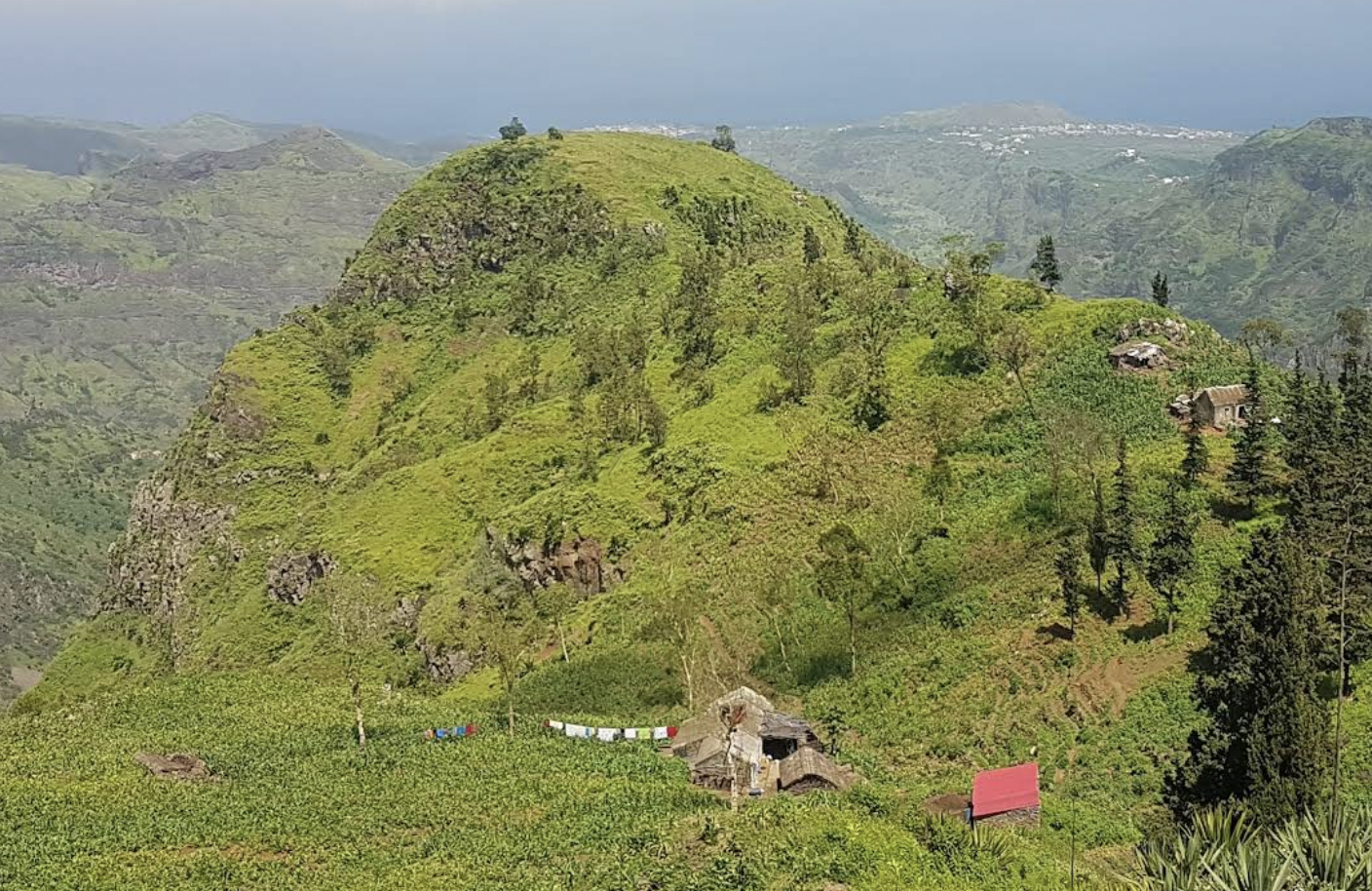
Santiago offers a surprisingly diverse range of landscapes. The island’s volcanic origin created rugged mountains, fertile valleys, and dramatic coastlines.
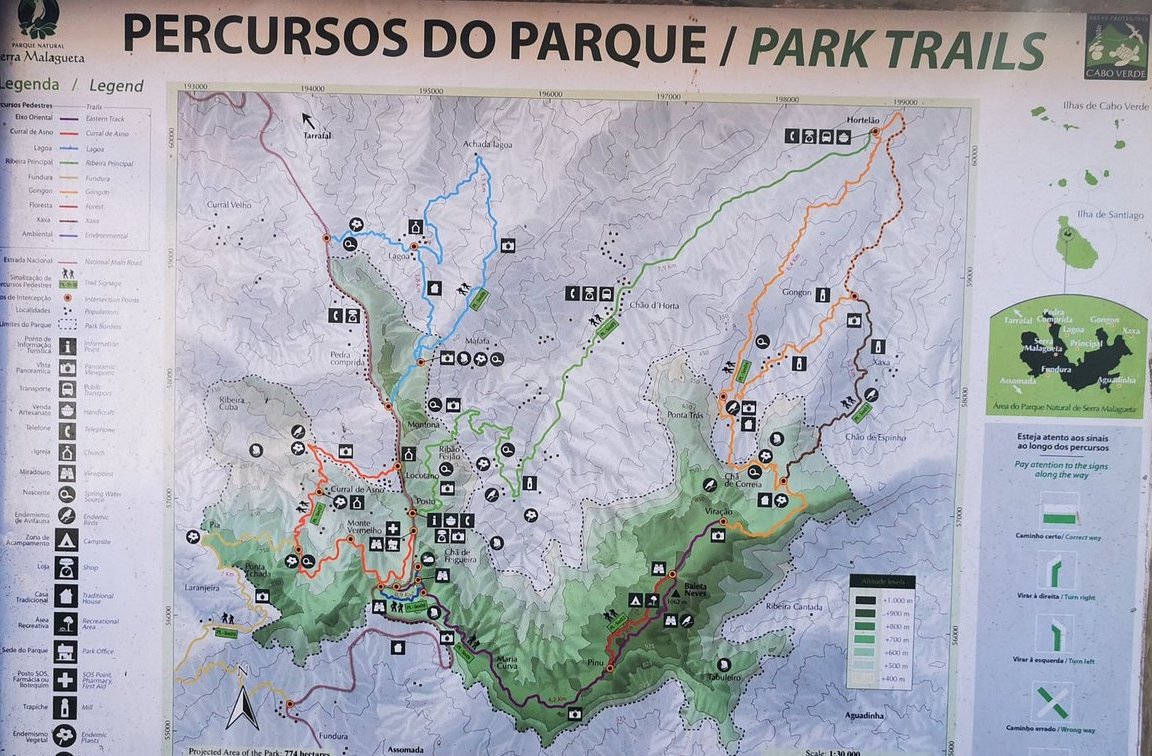
One of the most impressive natural areas is Serra Malagueta Natural Park, located in the northern part of the island. The park contains mountain peaks rising over 1,000 meters and offers excellent hiking opportunities.
Elsewhere, travelers can explore agricultural valleys where farmers cultivate sugar cane, bananas, and maize using traditional methods.
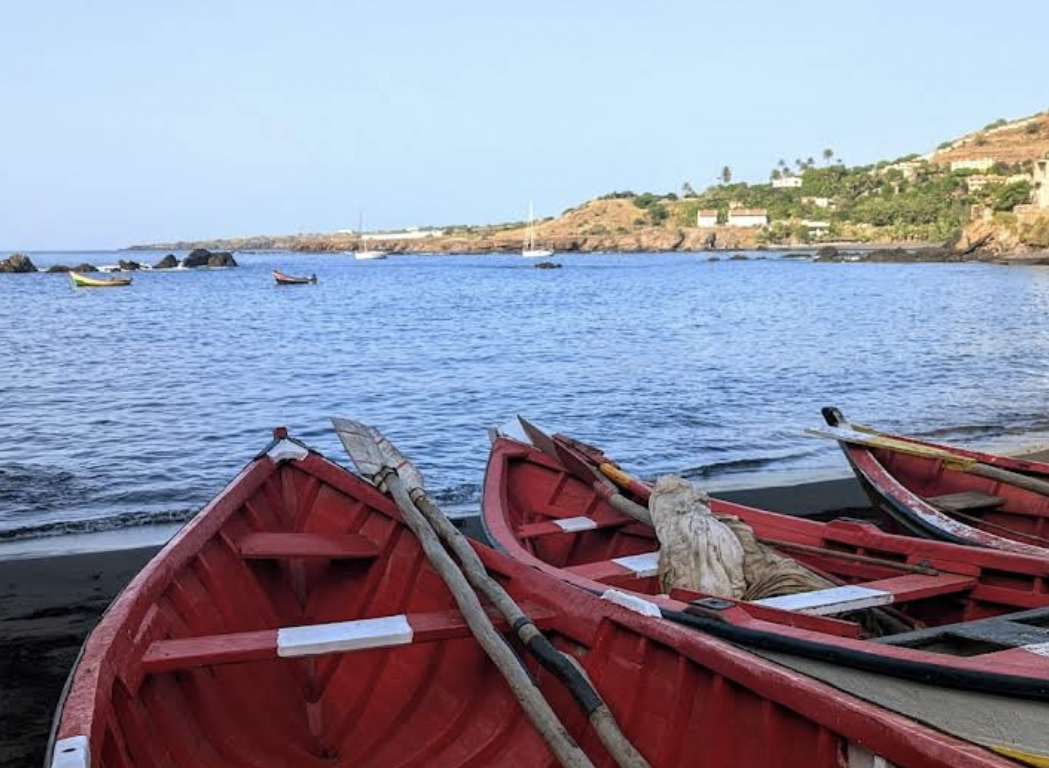
The coastline also varies greatly, from black volcanic beaches to quiet fishing villages where colorful boats line the shore.
How to Get there?
Santiago is the easiest island in Cape Verde to reach because it hosts the country’s largest international airport.
Most people arrive via Nelson Mandela International Airport, located just outside the capital city. International flights connect Praia with cities such Lisbon, Dakar, Paris or even Boston. Once on the island, you can move around using shared taxis known as aluguers or rental cars. Roads connect most major towns, although some rural areas still require travel on smaller mountain roads and if you want more flexibility, I advice to rent a car.
Accommodation
Unlike the resort-heavy islands of Sal and Boa Vista, accommodation on Santiago is mainly found in guesthouses, boutique hotels, and small family-run pensions. For those who want to taste a bit of luxury, there are several 4 star hotels near the beach Gamboa. Let’s say that any visitor will find a desired type of accommodation. If you can divide your stay into two parts: one in Praia so you can explore the capital on foot and another one in Cidade Velha so you can enjoy the marine vibes and a calmer environment. Pousada Quinta Ribeirinha is a great farm stay in Cidade Velha – comfy room, delicious breakfast and super friendly owners.
7-Day Santiago Island Itinerary
Ready to plan your trip? Santiago is relatively large compared with other Cape Verde islands, so reserve at least week to experience both the historical sites and the natural landscapes.
Day 1 – Arrival in Praia
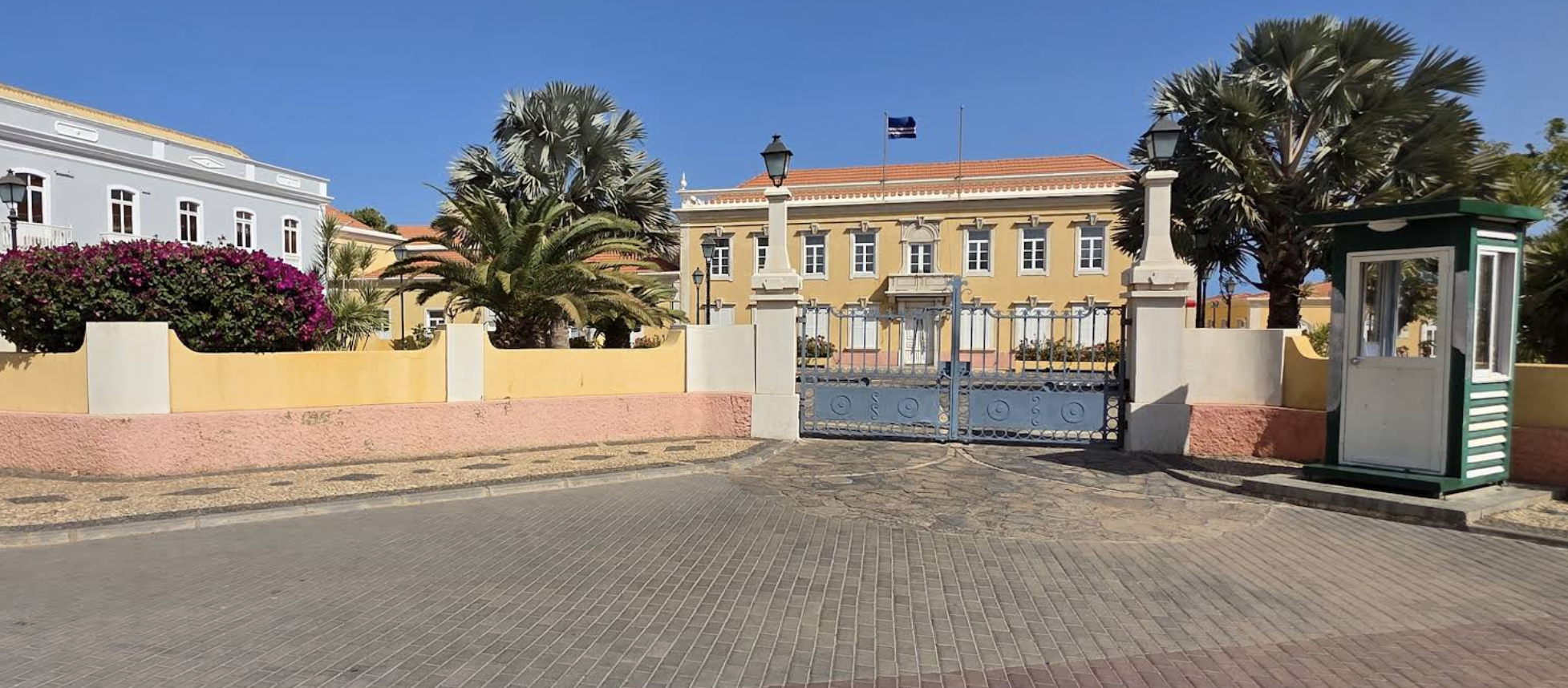
Arrive in Praia, the capital of Cape Verde, located on the southern coast of Santiago Island. Begin your journey in the historic Plateau district, the elevated colonial center of the city, known for its grid-like streets, colorful buildings, and lively atmosphere.
Visit the Ethnographic Museum of Praia, where exhibits showcase Cape Verdean traditions, music, and daily life across the islands. This is one of the best places to understand the country’s cultural identity right from the start of your trip.
Afterward, stroll through bustling local markets such as Sucupira Market, where vendors sell everything from fresh produce to handmade crafts. In the evening, enjoy dinner at a traditional restaurant and try cachupa, the national dish made from corn, beans, vegetables, and slow-cooked meat or fish—an essential culinary experience in Cape Verde.
Day 2 – Discover Cidade Velha
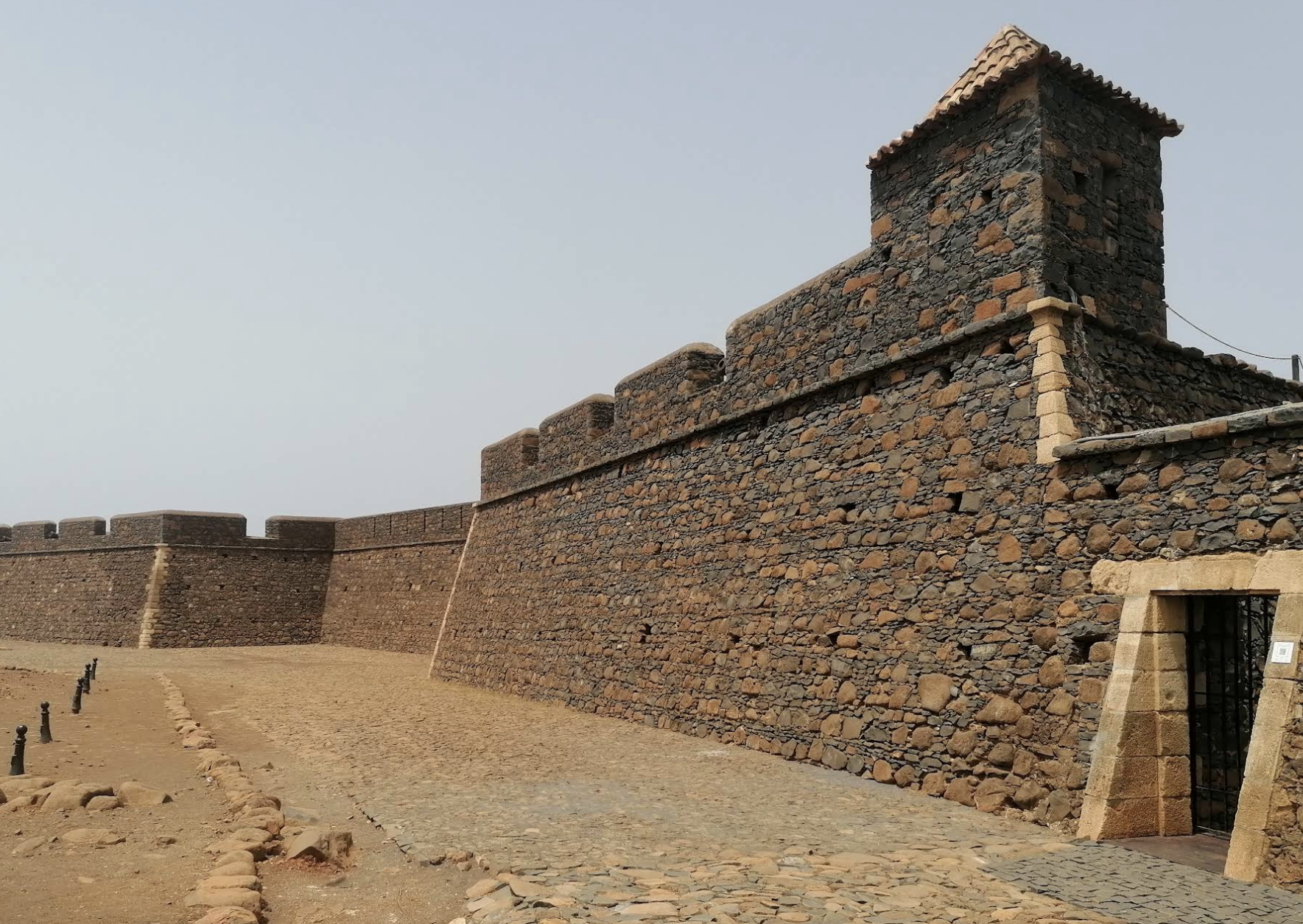
Travel 15 kilometers west of Praia to Cidade Velha, a UNESCO World Heritage Site and the oldest European colonial settlement in the tropics. Here you will explore the ruins of early colonial buildings, including the remains of the first cathedral in sub-Saharan Africa. You will wander in the historic Pelourinho, a stone pillar that once symbolized colonial authority and the slave trade. Last but not least, you should climb up to the Fortaleza Real de São Filipe, a 16th-century fortress offering breathtaking panoramic views over the Atlantic Ocean and the Ribeira Grande valley. Cidade Velha provides a powerful and educational glimpse into the early history of the Atlantic world and the transatlantic slave trade.
Day 3 – Serra Malagueta Natural Park
Head north into the mountainous interior to explore Serra Malagueta Natural Park, one of the top attractions on Santiago Island. The park features volcanic landscapes, deep valleys, and scenic hiking trails suitable for all levels. As you walk, you’ll pass through traditional villages where locals cultivate crops like corn, beans, and cassava on steep terraces. This region offers some of the best hiking in Cape Verde and is perfect if you are seeking authentic, off-the-beaten-path experiences. All the trails starts at the park entrance and leas to the nearby villages like Xaxa or Hortelao. Reserve a full day for hiking here and bring your GPS with offline maps as the paths are not really well signed. Check the all trails website and discover the details of all the hiking trails.
Day 4 – Rural Villages and Agricultural Valleys
Spend the day exploring Santiago’s rural heartland, where life moves at a slower pace. Visit small farming communities scattered across fertile valleys and hillsides. I chose Ribeira Princpal – here you will have a glimpse of an authentic look of daily life on the island, where agriculture remains a cornerstone of the local economy. Farmers grow sugar cane, which is distilled into grogue, a traditional Cape Verdean spirit. Many producers offer informal tastings, giving visitors a chance to learn about the production process and its cultural importance. If you are interested in t his kind of experience, you should book a dedicated tour. however, you can wander alone in Ribeira and chat with the locals.
Day 5 and 6 – Tarrafal
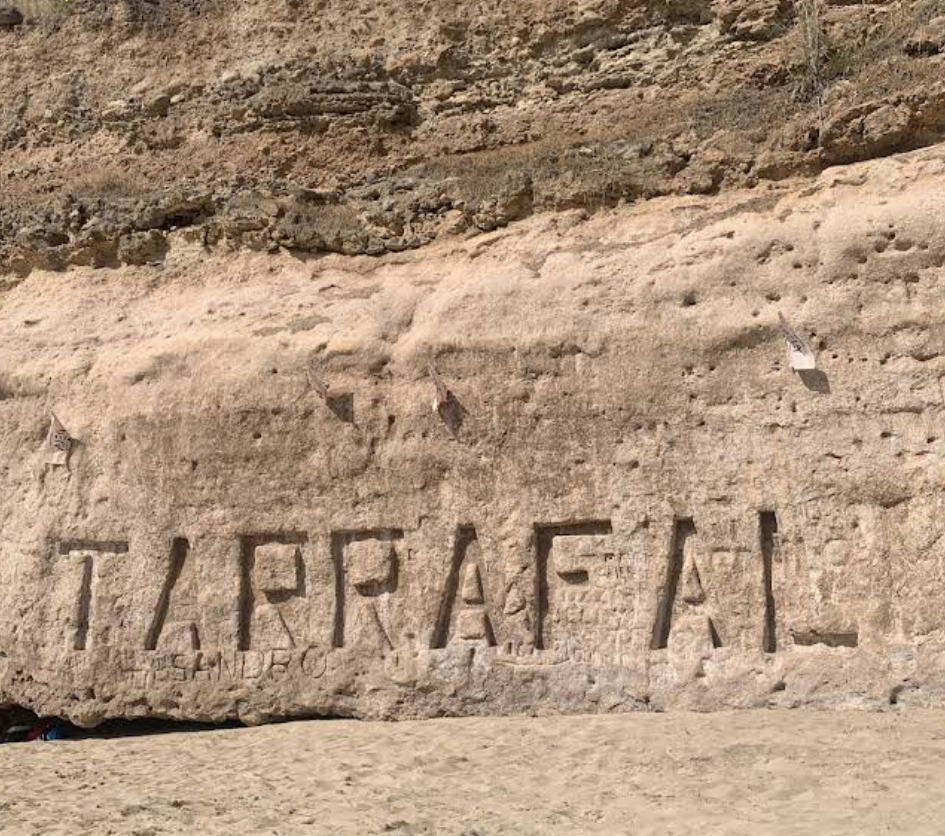
Travel to Tarrafal and stay there overnight. It’s worth it if you want to enjoy the beach and discover a bit more about the local history. Tarrafal is a picturesque coastal town in the north of Santiago. Relax at beach – considered one of the best in Cape Verde. The bay is protected, making it calm and ideal for swimming, while the golden sand and palm trees create a postcard-perfect setting. For lunch enjoy freshly caught seafood at a seaside restaurant—grilled fish and lobster are local highlights.
Beyond its natural beauty, Tarrafal is also home to an important historical site: the Tarrafal Concentration Camp. Today there is Museum of the Resistance and you can visit it every day, just check the opening hours on the website. The Camp was established in 1936, during the Portuguese dictatorship of António de Oliveira Salazar and it was used to detain political prisoners from across the Portuguese empire. In its first phase, from 1936 to 1956, the camp held Portuguese anti-fascist prisoners—individuals who dared to oppose the dictatorship. Years later, in a second phase between 1962 and 1974, it became a prison for anti-colonial activists from Africa, many of whom were fighting for the independence of their homelands.
Today, the museum stands as a vital space of remembrance. It was created in 2000 to preserve and honor the historical memory of both the Salazarist era and the struggles for independence in former Portuguese colonies in Africa—particularly Angola, Guinea-Bissau, and Cape Verde. More than just a national monument, it represents a shared, transnational memory of resistance, suffering, and resilience.
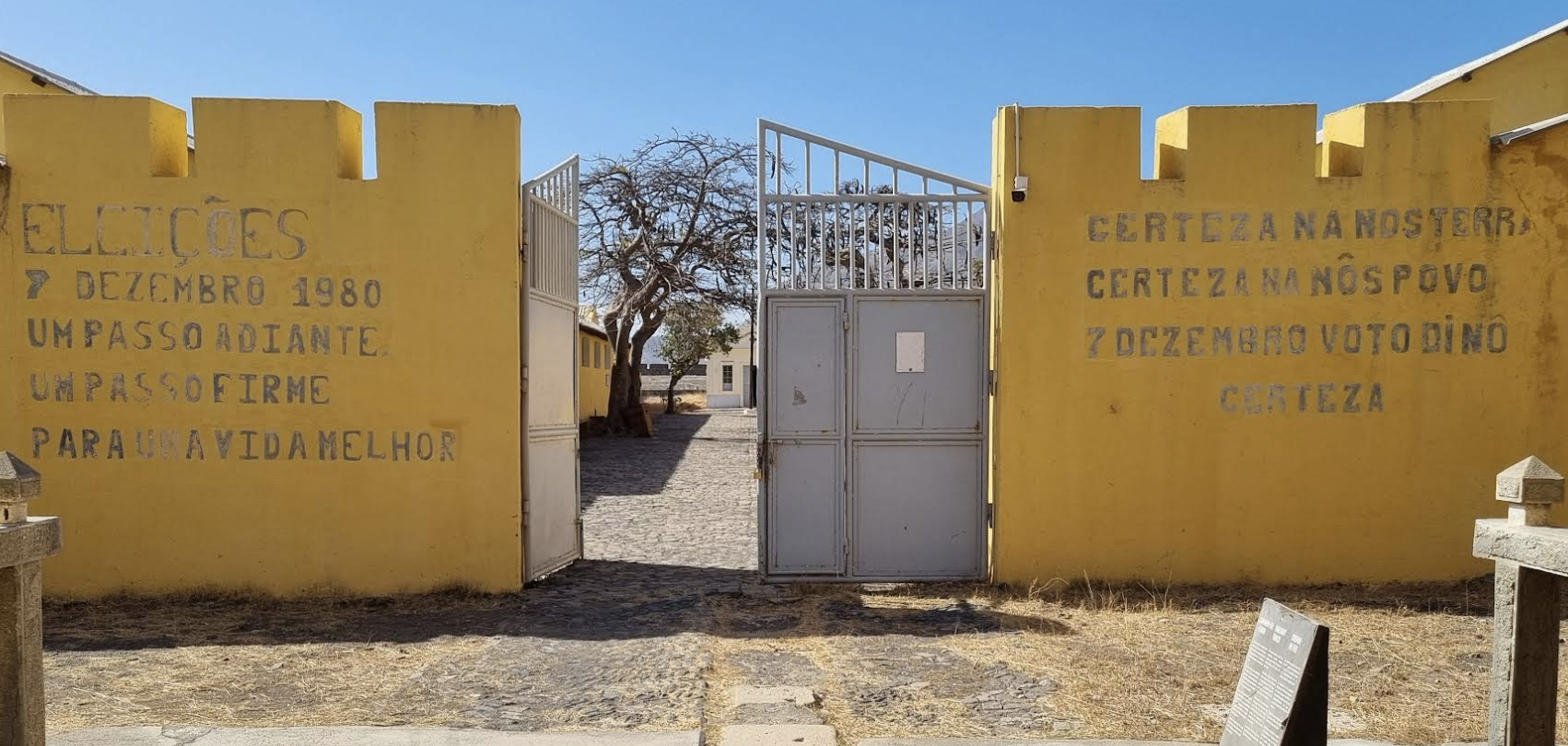
The transformation of the camp into a museum did not happen overnight. It unfolded gradually, through different stages, each aiming to better capture the lived experiences and historical significance of the site. In its early years, from 2000 to 2009, the museum was modest in scale. Funded by the Portuguese Secretary of State for Cooperation, it consisted of a single exhibition room located in what used to be the camp’s administrative office. This initial exhibit focused mainly on the camp’s first phase, when it operated as a penal colony for political prisoners.
Despite its small beginnings, the museum has always carried a profound mission: to ensure that the stories of those who suffered within its walls are never forgotten. If you really want to know more about the Capo Verdian history, this museum is a must visit.
Day 7 – Return to Praia
Return to Praia for your final day on Santiago Island. Explore neighborhoods such as Achada Santo António, known for its restaurants and nightlife, or relax at Quebra Canela Beach, a popular urban beach with scenic views.
Santiago Island is the birthplace of Cape Verdean identity. Its landscapes tell stories of exploration, trade, hardship, and cultural mix that shaped the nation. From the historic streets of Cidade Velha to the peaceful beaches of Tarrafal and the mountain trails of Serra Malagueta, the island offers an incredible variety of experiences. This island is perfect for everyone who is seeking authentic culture, fascinating history, and natural beauty, Santiago is one of the most rewarding destinations in Cape Verde. I advice you to stay here at least one week, But don’t limit yourself to one island only. Check out my post about the Sal Island and stay tuned to discover more about Fogo.
 Nomadlytics
Leave a comment