
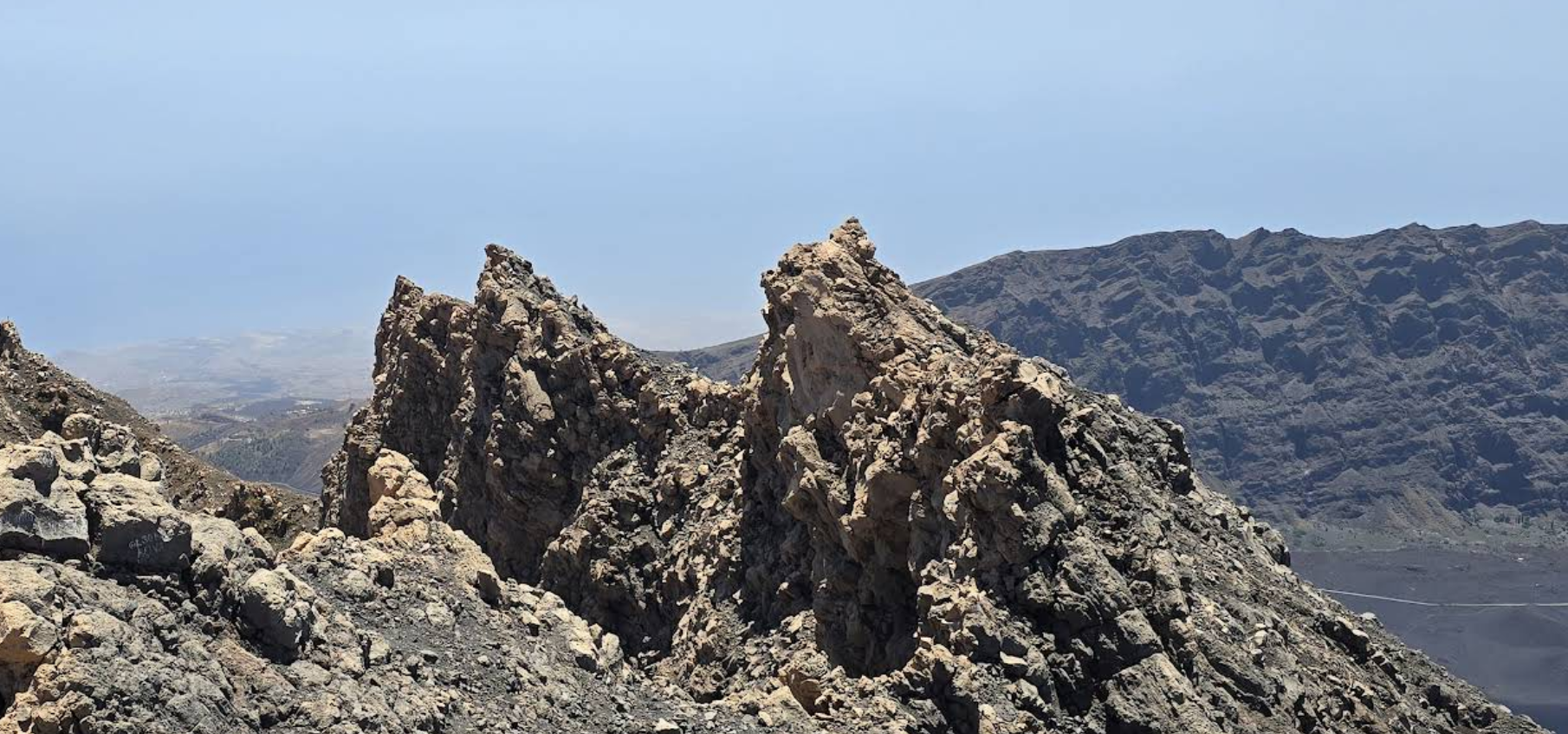
If you’re the kind of traveler who chooses mountains over beaches, silence over crowds, and raw landscapes over polished resorts, then Fogo Island in Cape Verde might just feel like your kind of place.
When you see it from the plane you notice a near-perfect volcanic cone rises straight out of the Atlantic, its slopes darkened by centuries of lava flows. Spend a little time here, and the island will reveal something deeper: a rhythm shaped by fire, resilience, and a quiet connection between people and nature. Let’s discover this amazing island together.
A Brief History: The Island Born of Fire
Fogo—quite literally meaning “fire” in Portuguese—is exactly what its name suggests. The island is dominated by Pico do Fogo, an active volcano rising to 2,829 meters, making it the highest point in Cape Verde.
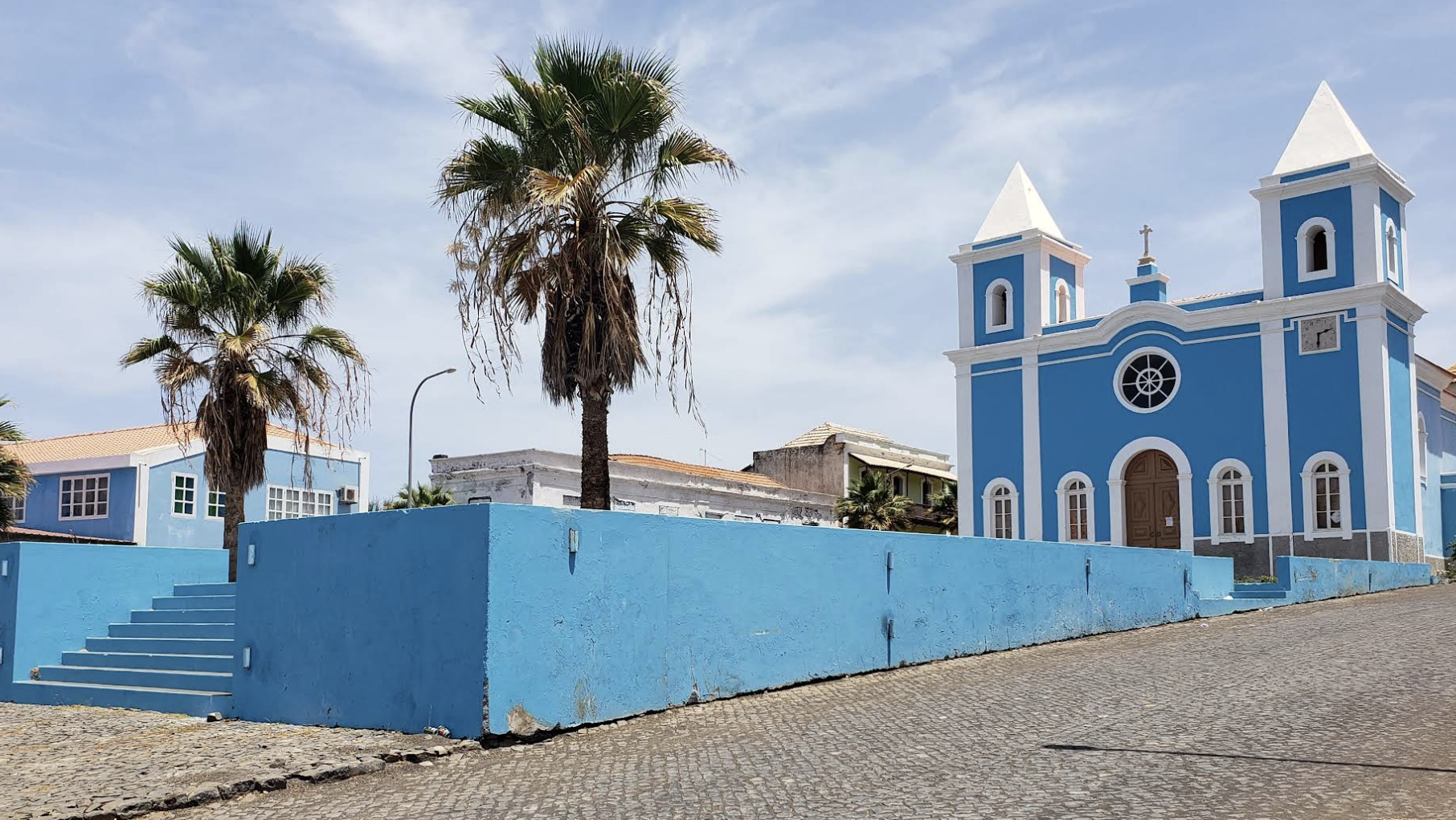
The island was discovered by the Portuguese in 1460 and settled shortly after, becoming one of the earliest inhabited islands in the archipelago. The town of São Filipe, with its colonial houses and seaside charm, still reflects that early history.
However, life on Fogo has never been easy. The volcano has erupted many times over the centuries—most recently in 2014–2015—destroying villages and reshaping the landscape. And yet, people always return.
Why? Because the same volcanic soil that brings destruction also brings life. It produces rich coffee, distinctive wines, and fertile land in an otherwise harsh environment. Fogo is a place where nature constantly reminds you who’s in charge—and where people have learned to live alongside it.
Visiting Chã das Caldeira
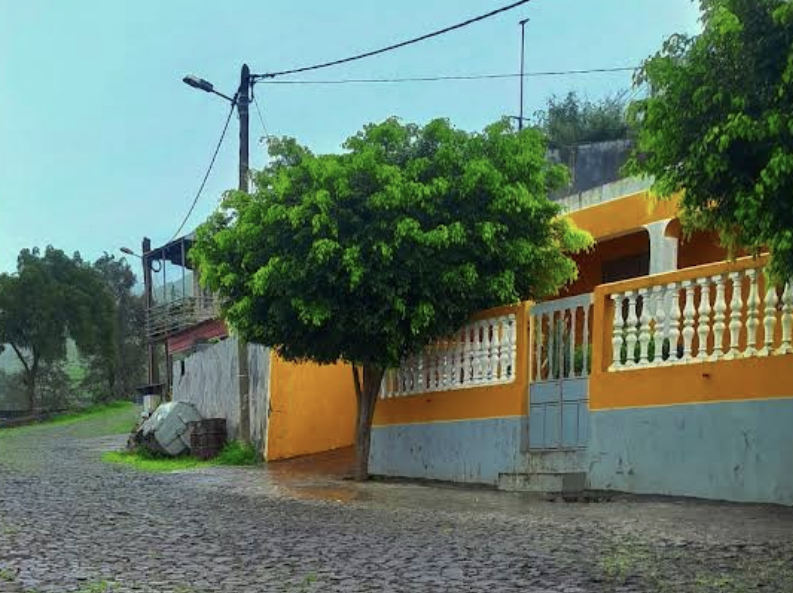
Driving into Chã das Caldeiras feels like entering a different planet. From São Filipe it takes a 1–2 hour drive along winding, often rugged roads. Worth it!
The lush coastal areas give way to blackened lava fields, hardened rivers of rock, and vast open spaces framed by towering crater walls. The caldera itself spans about 40 km² and is encircled by cliffs rising up to 1,000 meters high. It’s quiet. Stark. Beautiful in a way that’s hard to describe. And right in the middle of it all, villages have been rebuilt—again and again—after eruptions.
Hiking on Fogo: The Real Reason You Come Here
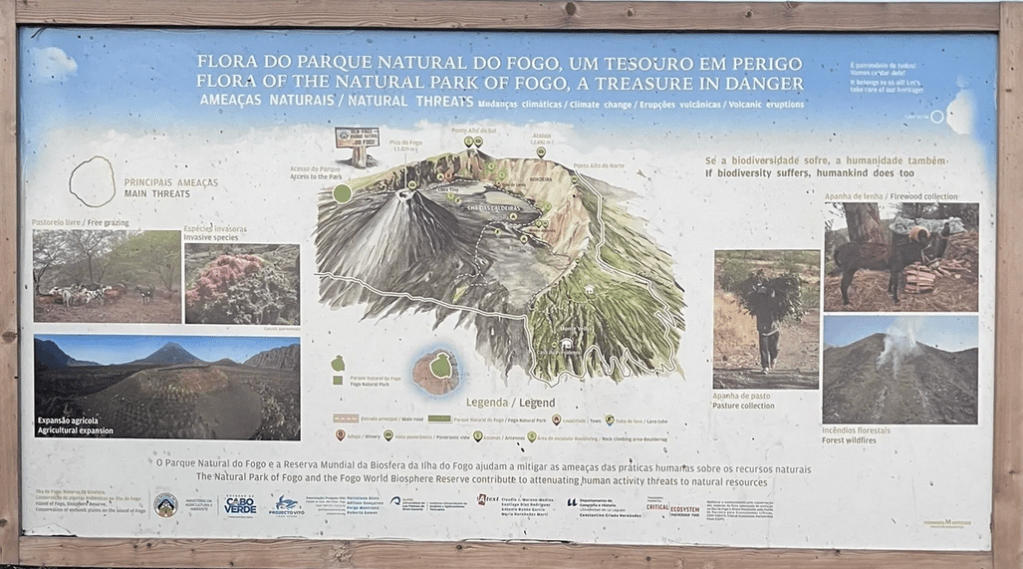
Let’s be honest—this is why you’re here. Fogo isn’t about ticking off sights. It’s about experiencing the landscape with your own two feet. The trails range from gentle walks through villages and lava fields to challenging ascents up the active Pico do Fogo, the highest peak in Cape Verde at 2,829 meters. Whether you’re an experienced hiker or a casual explorer, Fogo offers routes that combine natural beauty, volcanic geology, and glimpses of daily life in the caldera.
1. Pico do Fogo Summit Hike – The Ultimate Challenge
Duration: 4–7 hours round trip
Difficulty: Moderate to challenging
Climbing Pico do Fogo is the highlight for most visitors. The trail starts from Chã das Caldeiras, the volcanic caldera at the heart of the island.
First, you traverse hardened lava fields and volcanic ash, then begin a steep ascent through loose volcanic soil toward the crater rim.
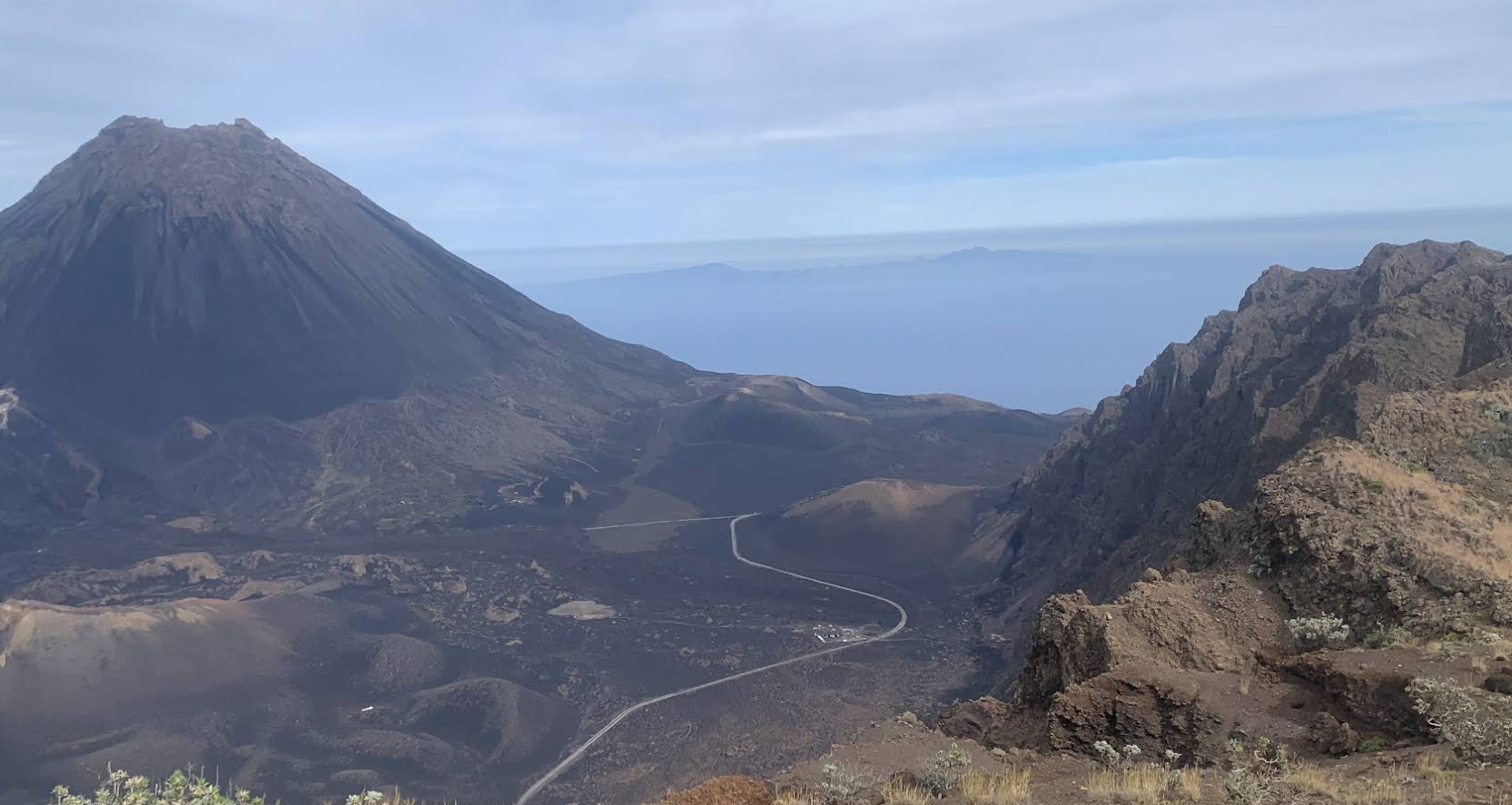
The terrain is rocky and uneven, requiring sturdy hiking boots and good balance. While it’s physically demanding, the reward is incredible: panoramic views of the island, the Atlantic Ocean, and neighboring islands on clear days. The crater itself is active, offering a fascinating glimpse into volcanic activity.
Hiring a local guide is essential—for safety, navigation, and insight into the volcano’s history and geology. When I say essential, I mean mandatory. Start early to avoid the midday heat and bring plenty of water and snacks.
When you finally reach the summit, the reward is overwhelming. You’re standing at the top of an active volcano, looking down into a vast crater, with the Atlantic Ocean stretching endlessly in the distance.
It’s the kind of moment that stays with you.
2. Chã das Caldeiras Village Walks – Gentle and Cultural
Duration: 1–3 hours depending on the route
Difficulty: Easy
For a less strenuous day, explore the villages within the caldera, such as Portela and Bangaeira.
These short walk wind through lava fields, vineyards, and coffee plantations, offering a close look at how people live and farm in volcanic soil.
Small local cafés, wine terraces, and artisan shops provide chances to taste Fogo wine or freshly brewed coffee. You’ll also see homes rebuilt after the 2014 eruption, which gives insight into the islanders’ resilience.
Even easy hikes here feel unique—the black volcanic landscape combined with vibrant greenery and mountain views is unlike anywhere else.
3. Monte Velha Forest Trail – Lush Contrasts
Duration: 2–4 hours round trip
Difficulty: Easy to moderate
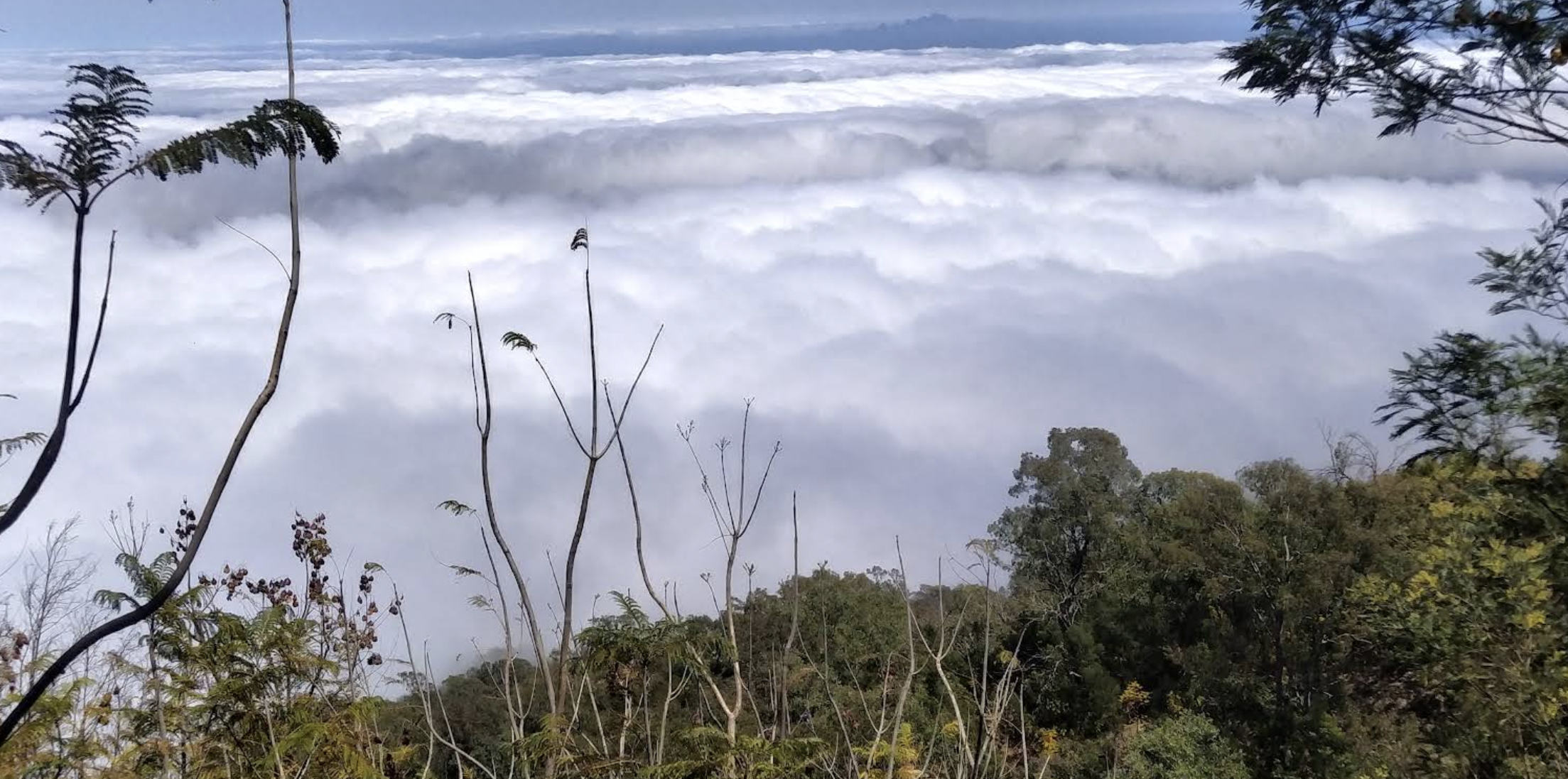
Located on the northeast side of Fogo, the Monte Velha Forest offers a dramatic change from the volcanic caldera.
The trail winds through eucalyptus trees, endemic plants, and shaded paths. It’s cooler here than in Chã das Caldeiras, making it ideal for a more relaxed hike.
Don’t miss quiet picnic spots, and beautiful views of the caldera and coastline from above. If you are into bird watching, you will love this this trail
4. Coastal Lava Field Walks – Short and Scenic
Duration: 1–2 hours
Difficulty: Easy
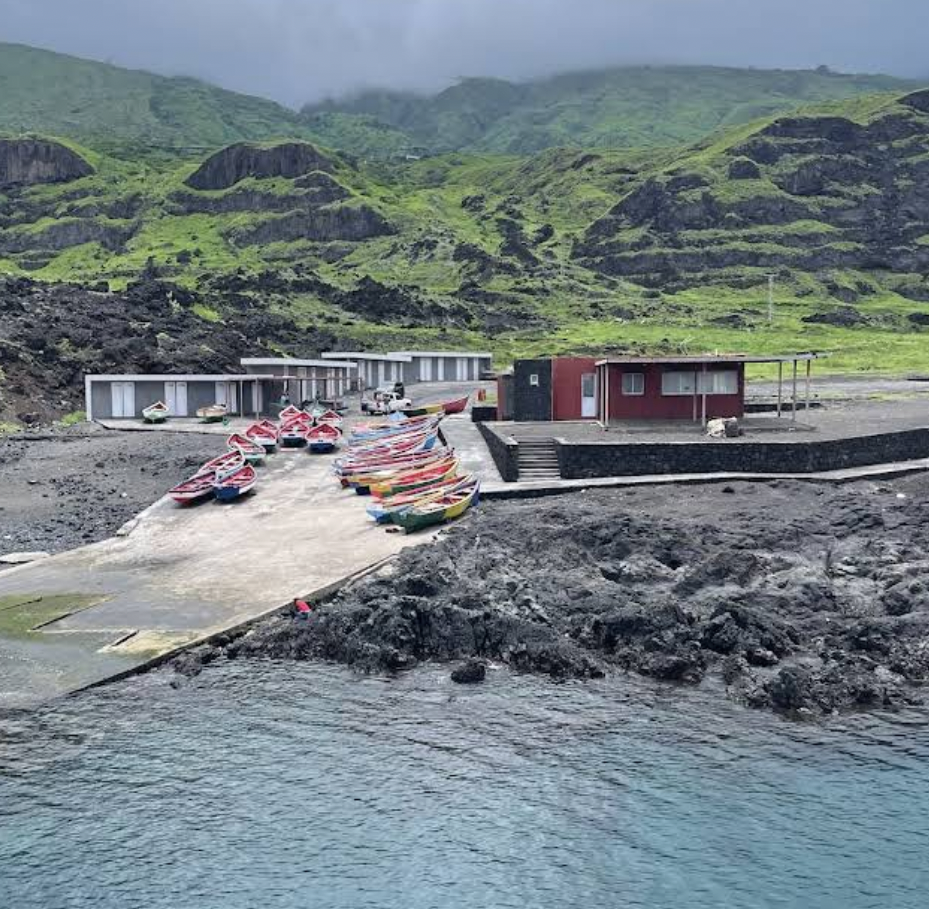
The western and southern coasts of Fogo have trails that follow hardened lava flows down to the sea. These hikes are shorter and less steep, perfect for morning or sunset walks. You’ll see rugged coastlines, small fishing areas, and cliffs plunging into the Atlantic. Wear super sturdy shoes, as lava fields can be uneven and sharp in places.
5. Combination Day Hikes – Half-Day Options
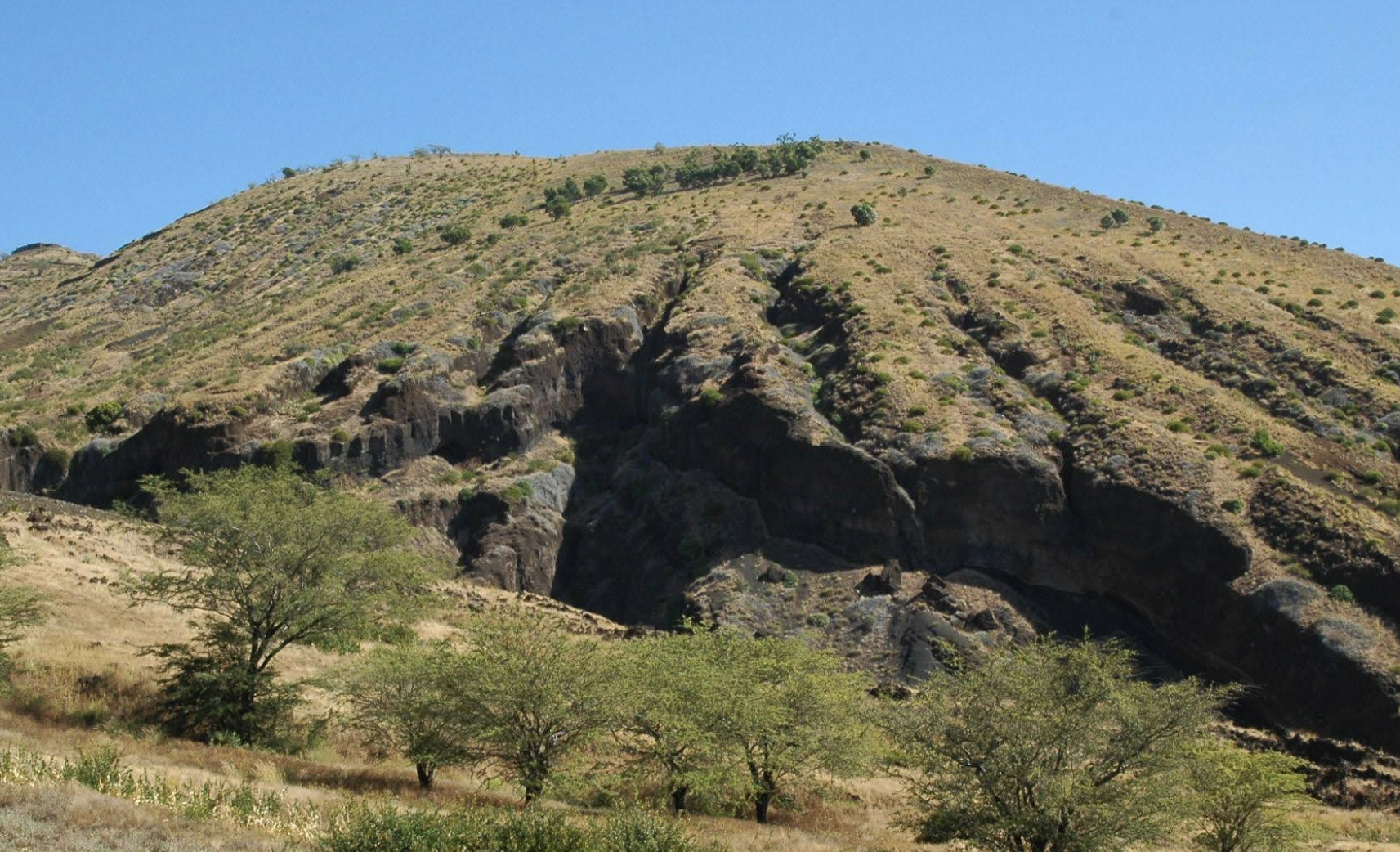
For those who want a mix of village life, wine tasting, and scenic views without committing to a full summit climb:
- Start in Chã das Caldeiras, walk through Portela and Bangaeira, stop at a local winery, then continue to viewpoints overlooking lava fields.
- Duration: 3–4 hours round trip
- Difficulty: Easy to moderate
This is perfect if you want hiking combined with cultural immersion.
6. Exploring the Caldera
Not every hike needs to be a summit climb.
The caldera itself offers incredible walking routes—gentler, but no less fascinating. You can wander through lava fields, visit small villages like Portela, and see how life continues in this harsh environment.
There’s something deeply humbling about walking through a place where the ground beneath your feet was molten rock just years ago.
Hiking Tips for Fogo
- Footwear: Sturdy hiking boots or trail shoes are essential.
- Water & snacks: Carry at least 1–2 liters of water, especially for longer hikes.
- Guides: Local guides are recommended for Pico do Fogo and caldera routes—they provide safety, local knowledge, and cultural context.
- Timing: Start early in the day to avoid heat and get the best views.
- Weather: Conditions can change quickly, especially at higher altitudes, so dress in layers.
- Respect the volcano – always check conditions and follow local advice.
- Best time to visit: November to June for dry weather; July–October can be hotter and more humid.
- And perhaps most importantly: allow yourself time. Fogo isn’t a place to rush.
How to Get There?
Getting to Fogo is part of the adventure—and a reminder that this island still feels wonderfully off the beaten path. There are no international flights directly to Fogo. Most travelers arrive in Cape Verde via Praia (on Santiago Island), then continue onward.
You have two main options:
By plane:
The easiest and most common route is a short domestic flight from Praia to São Filipe Airport on Fogo. The flight is quick, and if you’re lucky enough to get a window seat, the aerial view of the volcano is unforgettable.
By ferry:
There are also ferries from Praia to Fogo, though they can be less reliable due to sea conditions. Still, for those with time and a sense of adventure, it’s a more immersive way to arrive.
Accommodation
There are some guest houses and hotels in São Filipe, where you will be close to restaurants and bars. Staying here for a couple of nights allows you to explore the area and enjoy the local life.
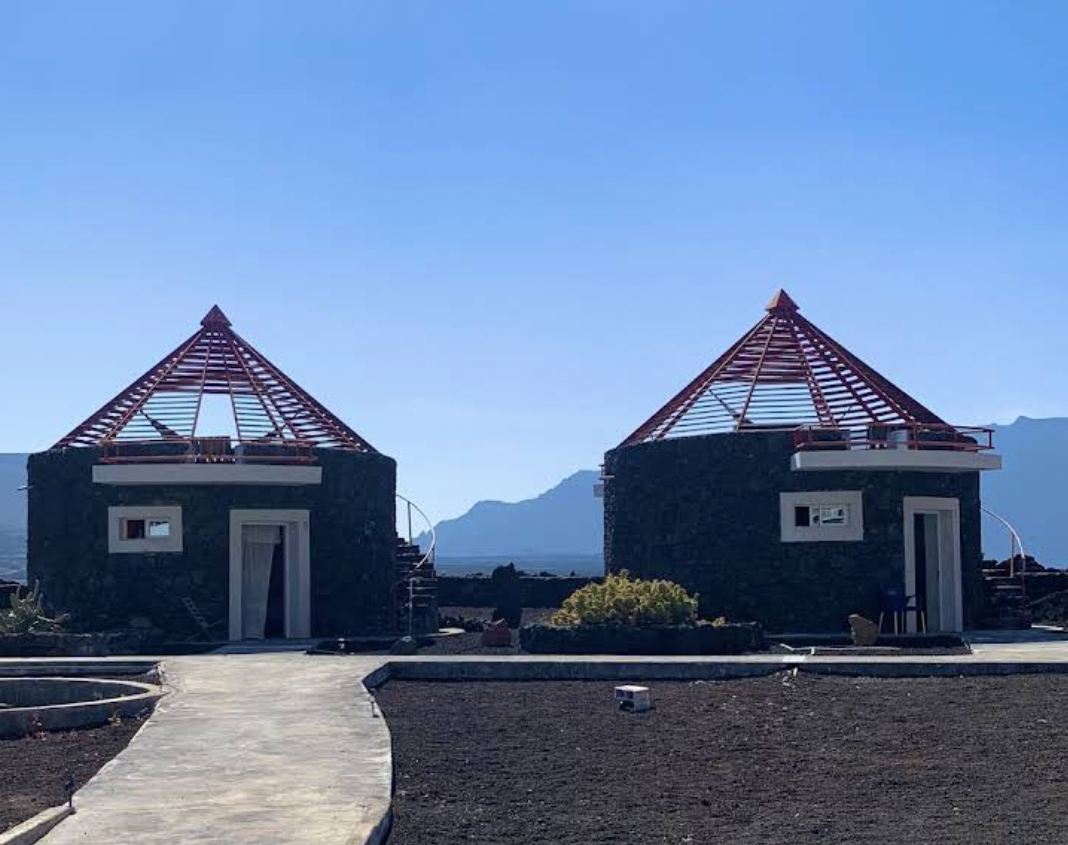
If you are planning on hiking here (and this why you come to Fogo), you should stay in Chã das Caldeiras. Here you will be close to the trails and you will enjoy amazing volcanic views. If there’s one accommodation that captures the spirit of Fogo, it’s Casa Marisa 2.0 . Rebuilt after the devastating 2014 eruption, Casa Marisa sits right inside the caldera, surrounded by lava fields and with uninterrupted views of the volcano. The guesthouse is run by locals—Marisa, who was born in the caldera, and Mustafa, a mountain guide—which adds a level of authenticity you simply can’t replicate elsewhere. Of course Mustafa will be super happy to assist you on your hike to the Pico Do Fogo.
The guest house itself is made up of traditional round houses (called funku), each with its own terrace. Imagine waking up, stepping outside, and seeing Pico do Fogo towering above you in the morning light.
Meals are prepared using local ingredients, often grown right there in the volcanic soil. Staying here doesn’t feel like tourism—it feels like being part of the island, even if just for a few days.
A Different Kind of Travel Experience
Fogo doesn’t try to impress you in obvious ways. There are no luxury resorts, no polished tourist infrastructure, and no carefully curated experiences. Tourism here is still small-scale, often run by local families and communities. And that’s exactly why it works.
You eat what’s grown locally. You hike with guides who grew up on the volcano. You stay in places rebuilt by people who refused to leave. Even the pace of life feels different—slower, quieter, more intentional.
Some destinations are beautiful. Others are memorable. Fogo is something else entirely. It’s a place where nature feels alive—sometimes harsh, sometimes generous, always powerful. It challenges you physically, surprises you constantly, and rewards you in ways that are hard to put into words.
Long after you leave, you’ll remember the crunch of volcanic rock under your boots, the vast silence of the caldera, and the sight of that perfect volcanic cone rising into the sky. And maybe, like many before you, you’ll find yourself wanting to go back.
 Nomadlytics
Leave a comment