
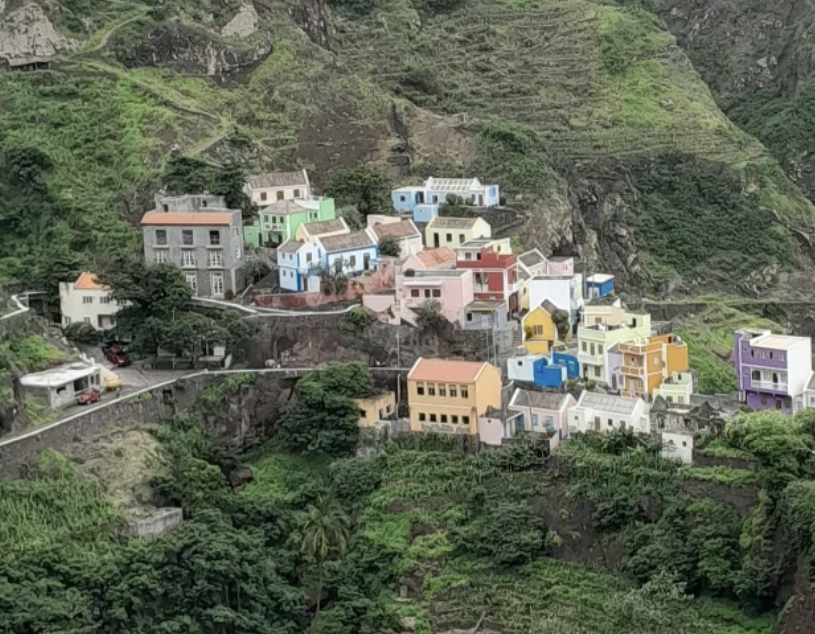
In the Atlantic Ocean, roughly 640 kilometers off the coast of West Africa, lies one of the most spectacular islands in the Atlantic: Santo Antão, the westernmost island of Cape Verde. With towering volcanic peaks, emerald valleys carved by centuries of erosion, and villages perched on cliffs overlooking the sea, Santo Antão is considered, by many visitors, the most beautiful island in the archipelago.
While many travelers visit Cape Verde for its beaches, Santo Antão offers a completely different experience. This island is a paradise for hikers. Yes, green mountains and paths awaits you here! Instead of resorts and nightlife, you will find terraced farms, cobblestone paths connecting mountain villages, and landscapes that look almost untouched by modern development. Bring your offline maps because trails are not well signed.
Life on Santo Antão follows the rhythm of agriculture and fishing, and many villages remain connected by historic footpaths that have existed for generations.
Ready to discover a bit more about the history and the landscape of of Santo Antão? Let’s start!
Discovery of Santo Antão
Santo Antão was discovered in 1462 by Portuguese navigator Diogo Afonso during the early period of Atlantic exploration. Like the other islands of Cape Verde, it was completely uninhabited at the time. The island was named after Saint Anthony, following a tradition among Portuguese explorers of naming newly discovered lands after saints whose feast day corresponded with the date of discovery.
Although the island possessed fertile valleys and reliable water sources compared to other parts of Cape Verde, its extremely rugged terrain made settlement difficult. Massive mountain ridges divided the island into isolated valleys, and early colonists struggled to establish communities. Permanent settlement began around 1548, when Portuguese settlers and enslaved Africans started building villages in the fertile northern valleys.
Agriculture and the Development of the Island
From the 16th century onward, Santo Antão developed primarily as an agricultural island.
Farmers cultivated crops that thrived in the island’s volcanic soil and relatively humid microclimates. The most important crops historically included: sugar cane, bananas, coffee, oranges, maize and beans. Because the terrain is steep, farmers constructed extensive agricultural terraces on mountain slopes. These terraces remain one of the most distinctive features of Santo Antão’s landscape today. Sugar cane became particularly important to the island’s economy. It is used to produce grogue, a traditional Cape Verdean rum distilled from sugar cane juice. Small family-run distilleries can still be found throughout the island, especially in the fertile Paul Valley.
Historic Towns of Santo Antão
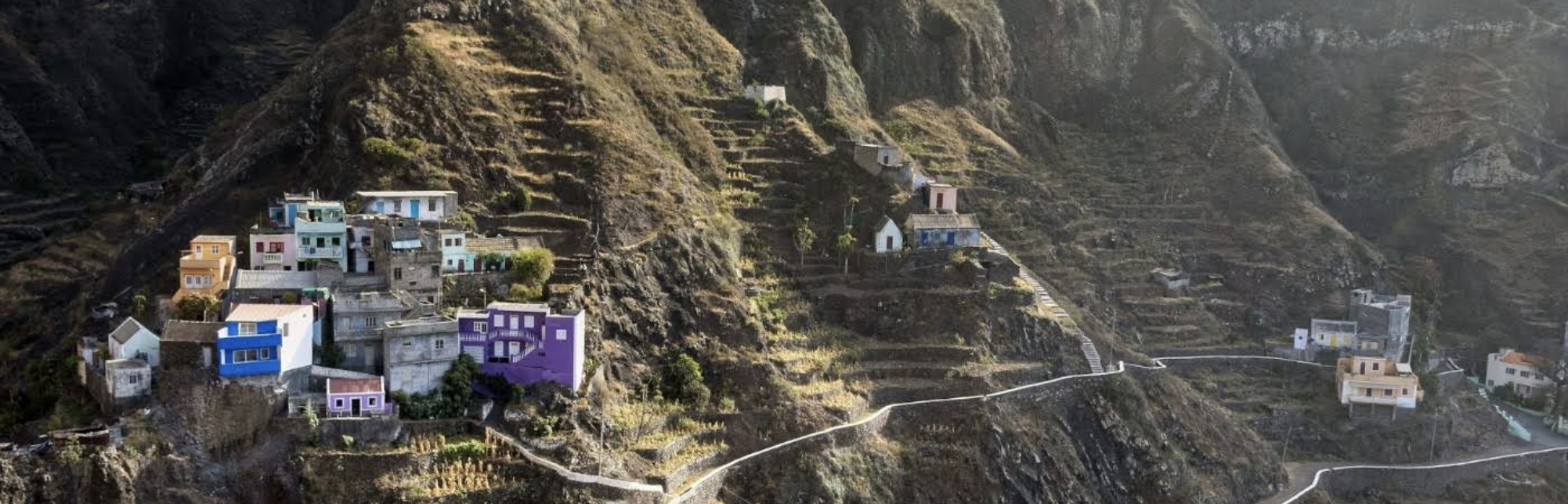
One of the earliest settlements on the island developed into the town of Ribeira Grande, which eventually became the administrative center. During the colonial period, Santo Antão was organized into municipalities governed from Ribeira Grande. Over time additional settlements emerged along the coast and in fertile valleys. Some of the most important towns today include:
Ribeira Grande – Historic Colonial Town in the North
Located on the northern coast of Santo Antão, Ribeira Grande is one of the island’s most historically significant towns and a must-visit on any Santo Antão travel itinerary.
This charming town is known for its: colonial-era architecture, colorful houses and quiet streets. Here you will enjoy a relaxed, authentic Cape Verdean atmosphere. As you walk through Ribeira Grande, you’ll notice remnants of Portuguese influence blended with local culture. It’s an excellent base for exploring nearby valleys such as Ribeira da Torre – one of the best hiking on the island. It’s also a great place for those who love mountain biking. In Ribeira you can rent a bike, enroll for a guided tour and explore the endless paths of the surrounding mountains.
Ponta do Sol – Scenic Coastal Village for Hikers
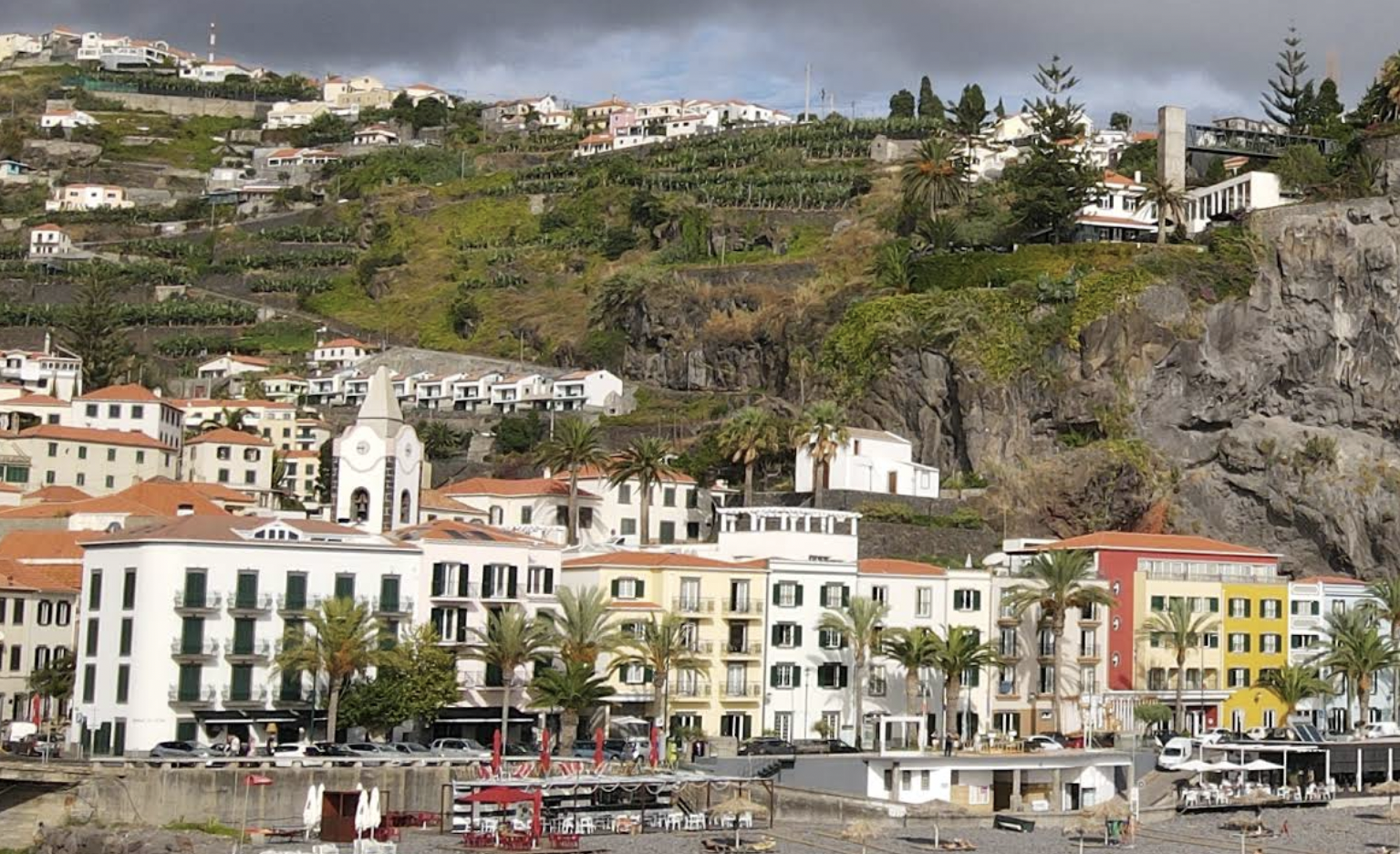
Perched on the northeastern tip of the island, Ponta do Sol is one of the most picturesque coastal towns in Cape Verde and a hub for hikers. With its cliffs and oceanfront setting, it serves as the gateway to some of the island’s most famous trails, including the route to Fontainhas. The stunning Atlantic Ocean views combined with colorful harbor and traditional fishing boats. Photographers will love it! This is one of the best towns to stay if you want to combine Santo Antão hiking adventures with seaside relaxation.
Porto Novo – Gateway to Santo Antão
Porto Novo is the main entry point to Santo Antão and the island’s most important transport hub. All ferries from São Vicente arrive here, making it the starting point. While often seen as just a transit town, Porto Novo has its own appeal. Here you can stroll in the local markets and enjoy a sample of authentic Cape Verdean life.
Paul Valley (Pombas) – Fertile Valley
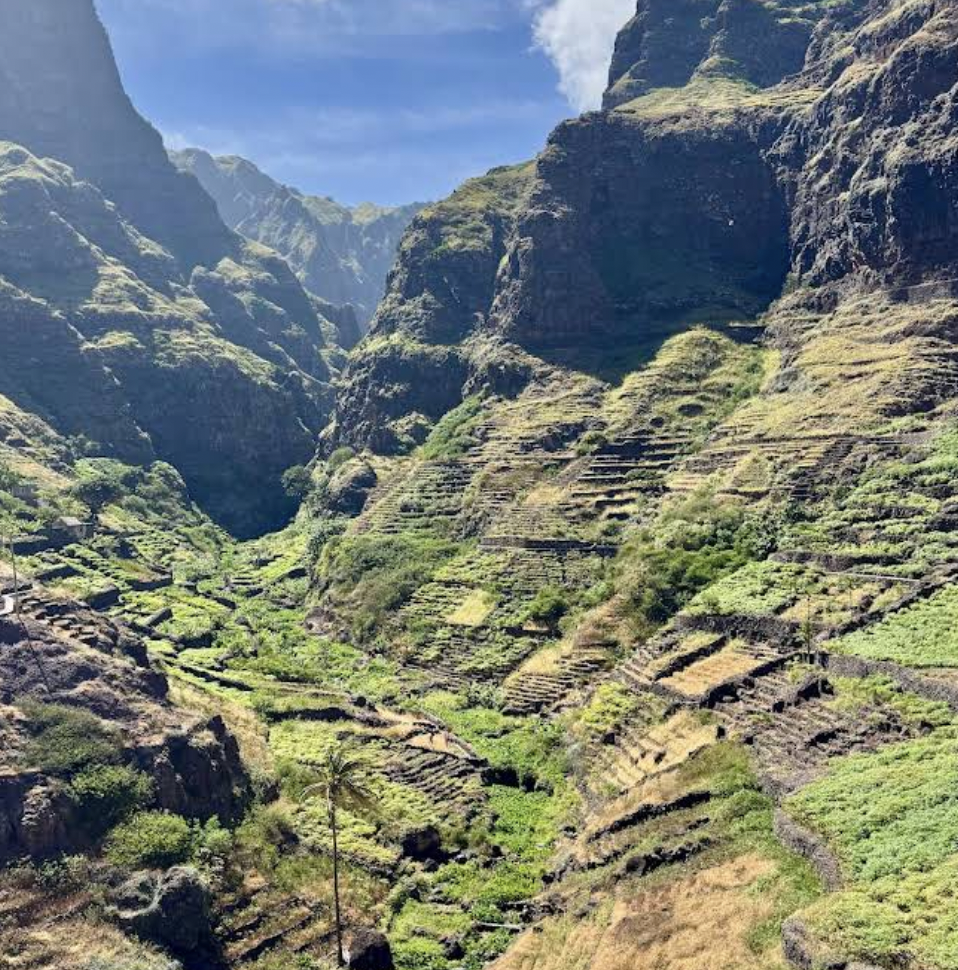
The Paul Valley—often referred to locally as Pombas—is one of the greenest and most fertile areas in Cape Verde, offering a striking contrast to the island’s rugged volcanic terrain. This place is super famous for sugar cane plantations and traditional grogue (Cape Verdean rum) production.
All the small villages are connected by cobblestone paths, making it one of the best for walking holidays in Santo Antão. If you like it, you can stop at local distilleries to see how grogue is made using traditional methods passed down through generations. It’s really a great option to stay here if you are looking for a real rural experience.
The Volcanic Landscape of Santo Antão
Santo Antão is a volcanic island shaped by millions of years of geological activity. Its dramatic terrain is defined by towering mountains, deep valleys, and rugged coastlines.
The highest peak on the island is Tope de Coroa, which rises to 1,979 meters above sea level. The summit dominates the western part of the island and offers extraordinary views of the surrounding volcanic landscape.
Another remarkable geological feature is the Cova crater, a large volcanic caldera surrounded by steep cliffs. The crater floor is fertile and cultivated by farmers who grow crops in the rich volcanic soil.
Trade winds from the Atlantic bring moisture to the northern slopes of the island, creating lush valleys filled with vegetation. Meanwhile the southern and western parts of the island remain drier and more volcanic, creating dramatic contrasts in landscape.
How to Get there?
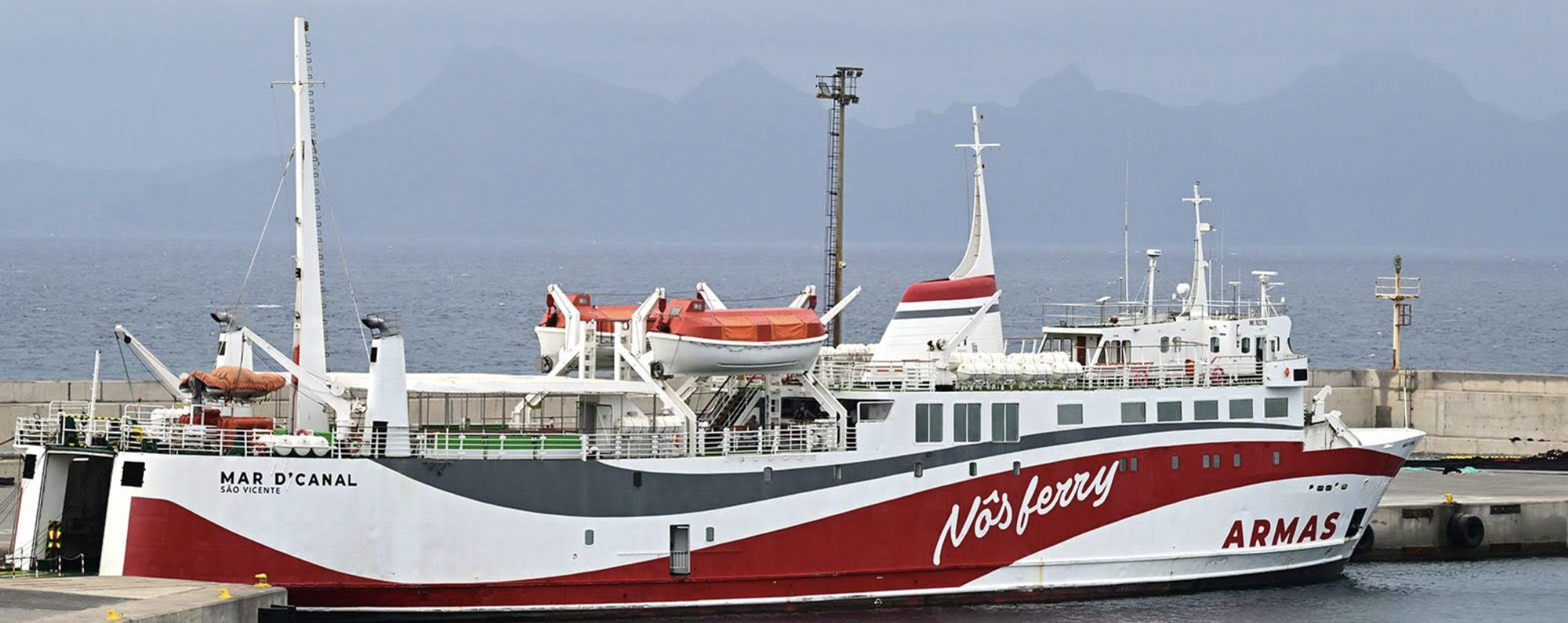
Unlike other islands in Cape Verde, Santo Antão does not currently have a functioning airport. You must reach the island by ferry from the neighboring island of São Vicente. If you are planning to visit the island, don’t rush and embrace yourself with some patience. Ferries can be delayed or cancelled and it can takes days before you embark on one. The ferry journey takes approximately one hour and offers spectacular views as Santo Antão’s mountains rise from the ocean. Once you arrive in Porto Novo, shared taxis known as aluguers transport visitors across the island via a winding mountain road known as the Estrada da Corda, one of the most scenic drives in Africa.
The most convenient option is to fly to Cesária Évora International Airport near the city of Mindelo on São Vicente Island spend some time to discover the island and then catch a ferry to Porto Novo on Santo Antão Island. Mindelo is the cultural capital of Cape Verde and a lively harbor city known for its music scene and colonial architecture. Many travelers spend at least one night here before continuing to Santo Antão. If you still did not read it, check my post about this fascinating island here.
Accommodation
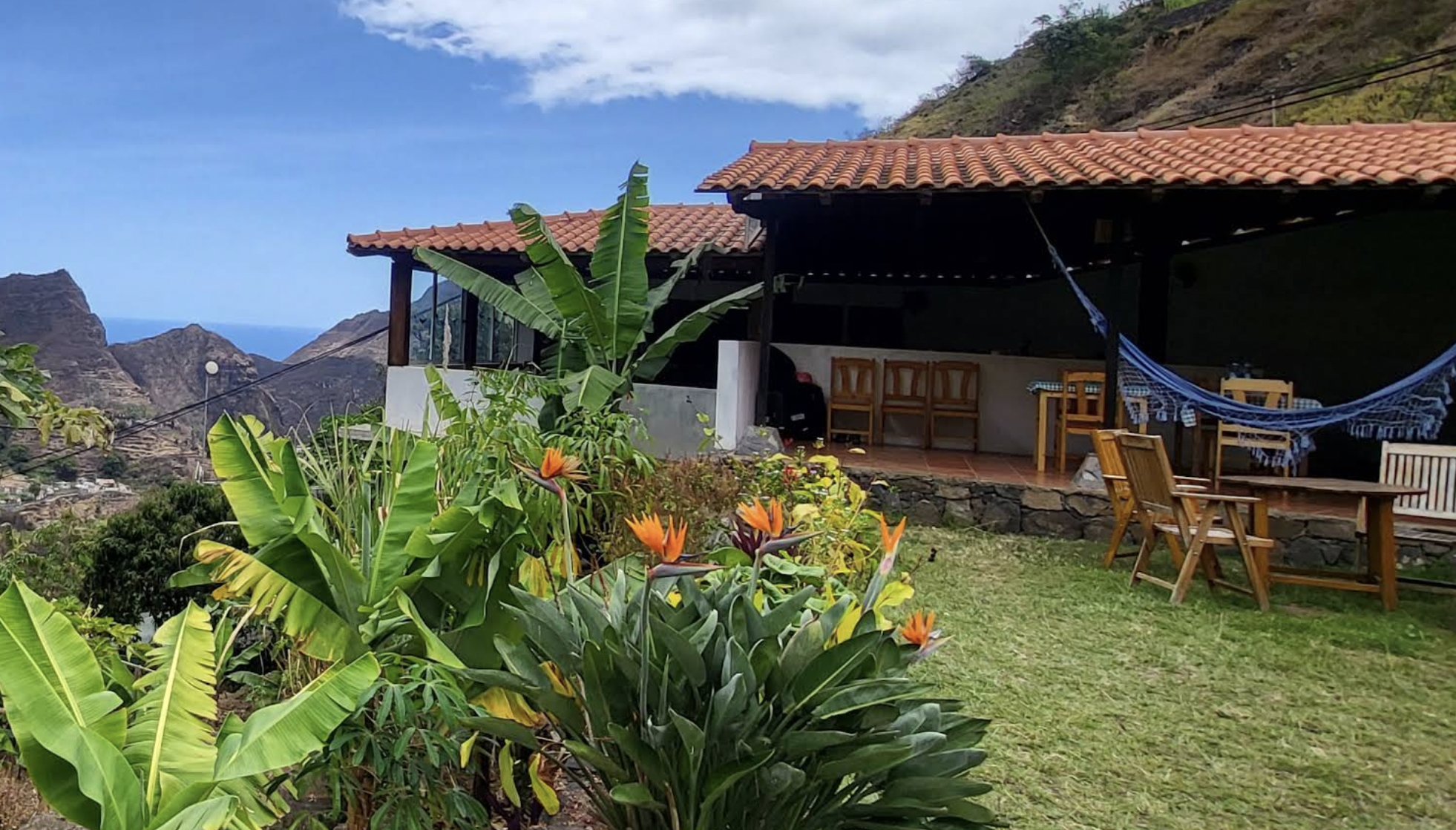
Santo Antão is not a resort destination. Instead, accommodation is primarily provided by small guesthouses and eco-lodges run by local families. These places offer a much more authentic experience and are often located in beautiful natural settings. You can choose accommodation in one of three areas: Paul Valley, Ponta Do Sol and Ribeira Grande.
Paul Valley is one of the greenest and most beautiful regions of Santo Antão. Surrounded by mountains and filled with banana plantations and sugar cane fields, it is an ideal base for hiking. One of not too many options is Aldeia Manga Eco Lodge offering comfortable rooms and stunning views over the valley.
If you prefer to stay near the ocean, check out Ponta do Sol. This picturesque fishing village with colorful houses and a small harbor is perfect for a quiet relax. Many hiking routes start nearby, making it a great base for your exploration. Check out B&B Coracao. Recently built, it offers spacious, comfortable rooms—many with sea or mountain views—and a relaxed atmosphere. The generous breakfast with a view is really a highlight. Here you will also be able to arrange the excursions with the local guides – super recommended.
Finally, if you are interested in history and architecture you may prefer to stay in Ribeira Grande. Check out La Menor B&B – small and welcoming guesthouse perched above Ribeira Grande. Here you will enjoy sweeping views over the town, mountains, and the Atlantic beyond. With its mix of apartments and rooms, it feels more like a home stay than a traditional B&B. It’s ideal for travelers looking for a relaxed and authentic base on the island.
Why Santo Antão Is the Best Hiking Island in Cape Verde?
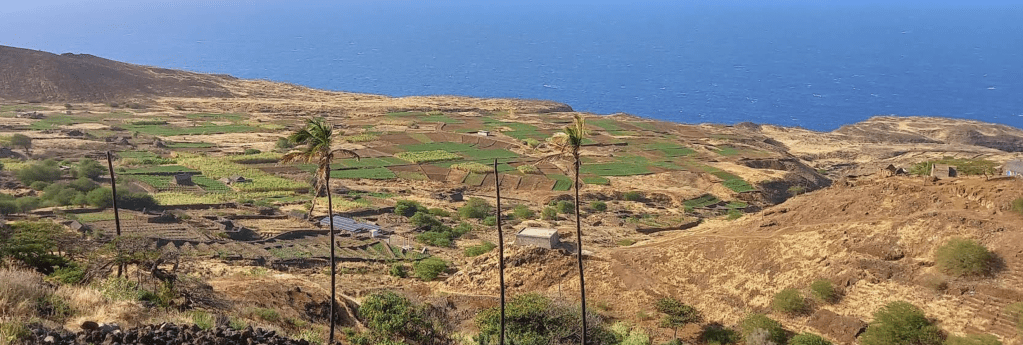
Santo Antão stands apart from other islands in Cape Verde because of its extraordinary landscapes and preserved traditions.
For centuries, the island’s inhabitants built terraces, irrigation systems, and footpaths to adapt to the rugged terrain. These historic paths now form one of the most fascinating hiking networks in the Atlantic.
Combined with dramatic volcanic scenery and welcoming communities, Santo Antão offers an unforgettable travel experience.
Santo Antão is not a destination for mass tourism or luxury resorts. Instead, it offers raw natural beauty, authentic cultural experiences, and some of the most spectacular hiking routes in the Atlantic islands.
A week on Santo Antão reveals a world of towering mountains, lush valleys, and villages where life still follows traditional rhythms.
For travelers who love adventure, landscapes, and cultural discovery, Santo Antão may well be the most remarkable island in Cape Verde. Ready to go? Stay tuned, soon my 7 days itinerary (with some of the best hiking trails) will be online.
 Nomadlytics
Leave a comment