

Santo Antão is where Cape Verde reveals its wildest and most authentic side. Over the course of a week, you will have enough time to discover this rugged island. You will slow down, lace up your hiking boots and explore landscapes that shift from volcanic cliffs to lush green valleys.
I built up a 7 days itinerary for those of you who love to walk: winding coastal paths between colorful villages, steep mountain trails carved into the rock, and hidden routes leading through plantations of sugarcane, coffee, and bananas. Each day brings a new perspective — whether you’re tracing the famous path from Ponta do Sol to Fontainhas or venturing deep into the Paul Valley.
If you’re dreaming of an adventure that combines raw nature, quiet villages, and unforgettable hikes, Santo Antão might just be your perfect escape.
Day 1 – Arrival in Porto Novo & Scenic Drive to Paul Valley
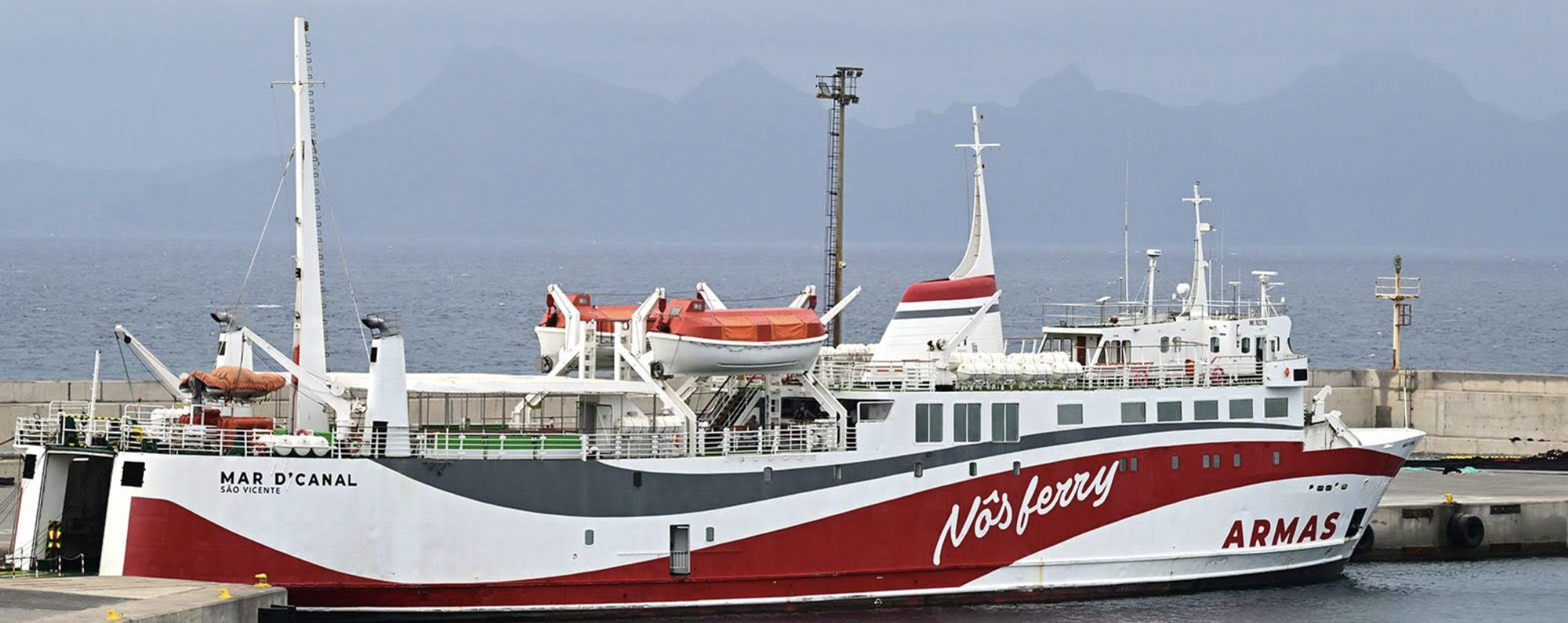
Your journey begins in Porto Novo, the island’s main port where you will disembark a ferry from São Vicente. There is no other way, no airport. As you arrive, you’ll immediately notice Santo Antão’s rugged, mountainous silhouette rising straight from the sea. Yes, crossing from São Vicent to Santo Antão is super scenic.
While Porto Novo itself is quiet and functional, the real magic starts as soon as you leave town. Hop into a shared taxi (aluguer) or rent a car and set off along the legendary Estrada da Corda. I advice Vale e Montanha car rental. Book online far in advance, especially if you are here. during the Eueropean winter season.
Estrada da Corda is a historic cobblestone road is an experience in itself. Built by hand, it climbs from sea level to over 1,000 meters, cutting through volcanic ridges and often passing through clouds. Along the way, stop at viewpoints to admire vast, barren volcanic landscapes mixed with sudden drops into deep green valleys. Look for villages seemingly carved into the mountains.
About halfway through, you’ll notice the landscape changing — dry terrain slowly giving way to greener slopes. By the time you descend into Paul Valley, you’ll feel like you’ve entered a different world. This lush oasis is filled with palm trees and dense vegetation. You will see how the terraced farms are clinging to steep hillsides and how the small villages are connected by winding footpaths.
Insider tips:
- Sit on the left side of the vehicle for the best views heading north
- Bring a light jacket — temperatures drop at higher altitudes
- Book an eco-lodge with valley views for a memorable first night
Day 2 – Explore the Lush Paul Valley
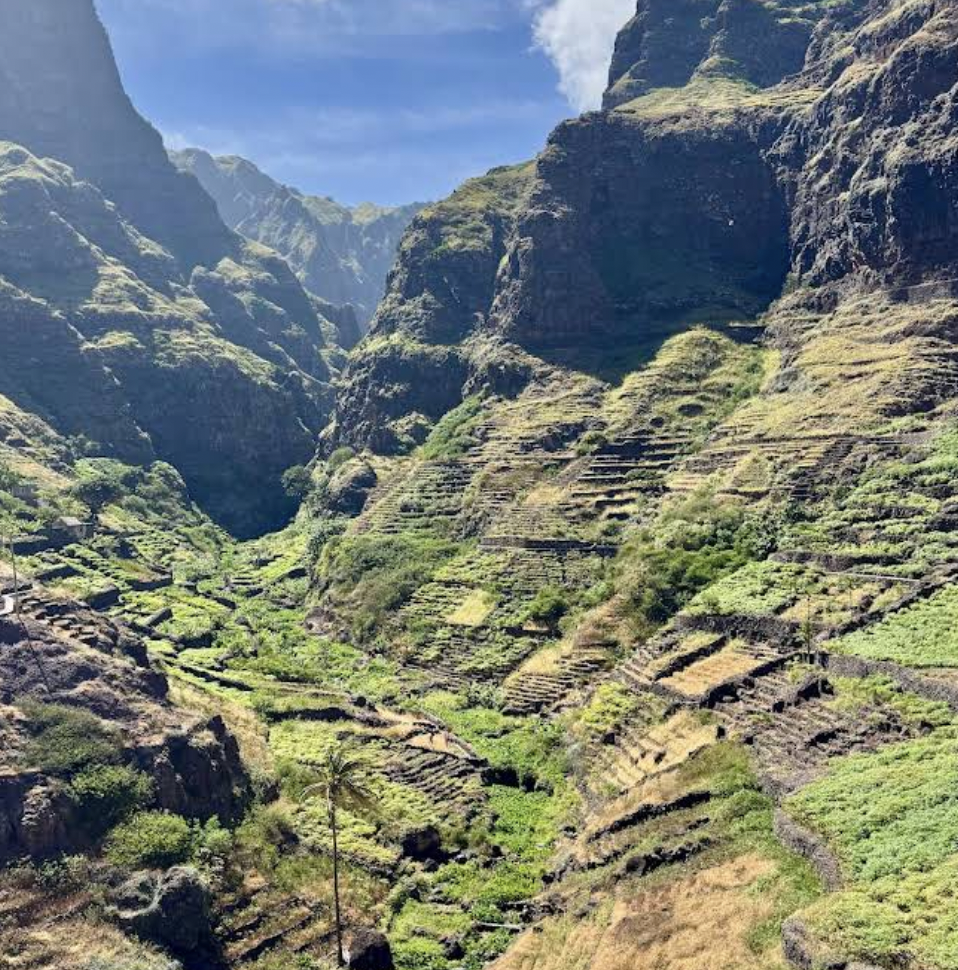
Today is all about slowing down and immersing yourself in the rhythms of rural life. Paul Valley is one of the most fertile areas in Cape Verde thanks to its microclimate and natural water sources. Spend the day exploring on foot — this is less about “hiking” and more about wandering.
As you follow ancient stone paths, you’ll pass through banana and sugarcane plantations. Keep your eyes open for families who still cultivate their farms by hands. Don’t miss mango, coffee and papaya trees.
Yes, you’ll encounter locals along the way — farmers carrying produce, children walking to school, or elders relaxing in shaded courtyards. Slow down and take your time to chat with them. Of course, it’s easier if you speak Portuguese but you will be surprise that many of them speak a decent English.
One of the highlights is visiting a traditional grogue distillery. Here you can see how sugarcane is crushed (sometimes using oxen-powered presses) and distilled into Cape Verde’s famous rum. If you are interested, you can join a guided walk to learn about crops and irrigation systems. During those tours you will also be able to taste fresh sugarcane juice or locally made grogue.
Day 3 – Hike from Cova Crater to Paul Valley
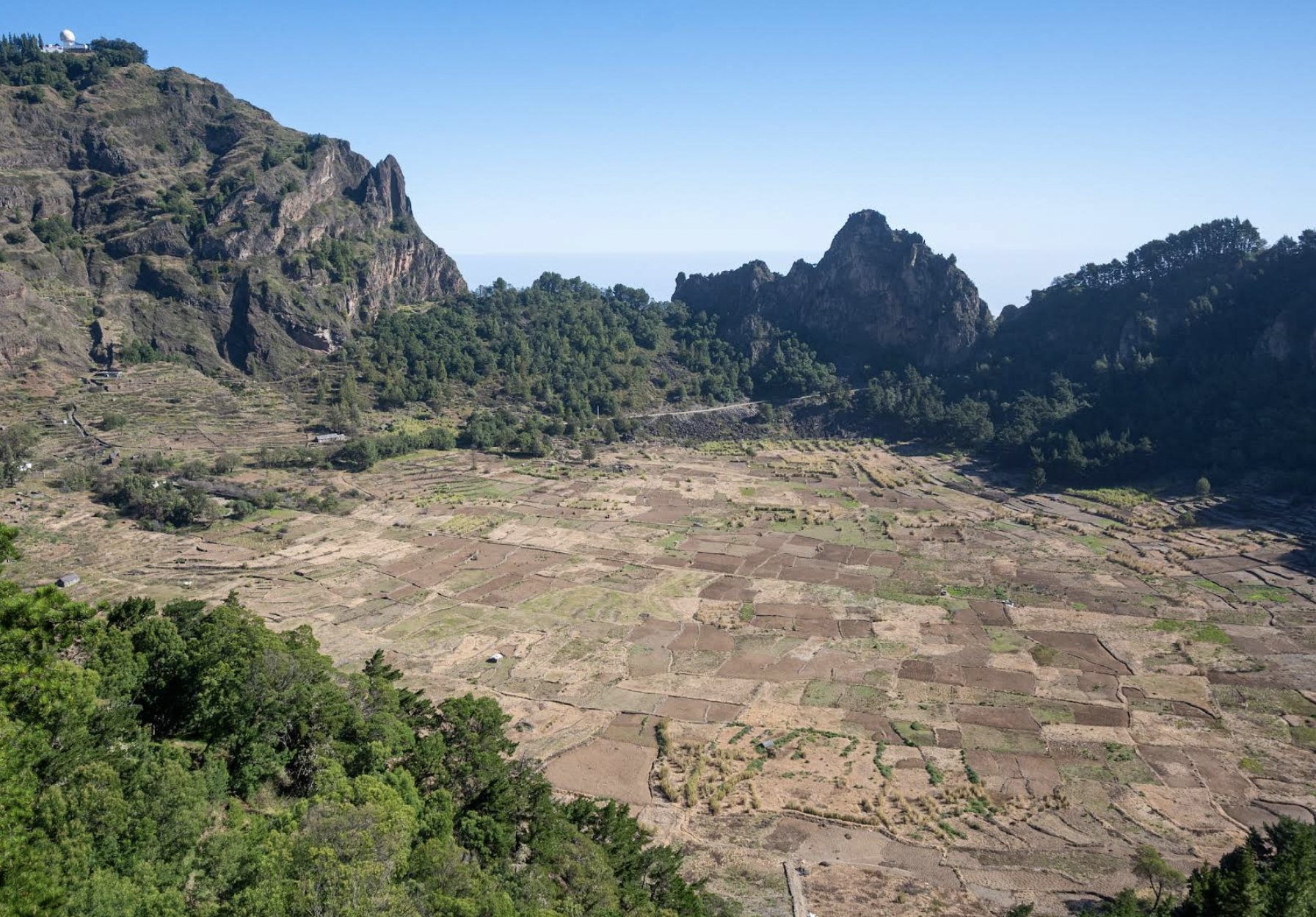
This is the signature hike of Santo Antão — and one of the best in all of Cape Verde. Start early and drive up to the Cova Crater, a massive volcanic caldera roughly 1 km wide. Inside, you’ll see a surreal landscape: a flat crater floor cultivated into farmland. From the rim, the views are breathtaking — on clear days, you can see all the way down to the ocean.
Distance: approximately 10 km
Duration: 3–4 hours
Difficulty: moderate
Elevation loss: about 1,000 meters
The hike begins at the rim of the Cova crater, a large volcanic caldera roughly one kilometer wide. Farmers cultivate the crater floor, creating a fascinating patchwork of farmland within the ancient volcano.
The trail quickly begins descending along steep zigzag paths. From the top, hikers enjoy panoramic views over the lush Paul Valley far below. As the path continues downward, the vegetation becomes greener and more tropical.
Much of the trail passes through terraces where local farmers grow sugar cane, bananas, coffee, and vegetables. Stone irrigation channels carry water from mountain springs across the fields. This section offers a rare glimpse into traditional agriculture in Cape Verde. The final part of the hike passes through small villages connected by cobblestone paths.
Children play outside colorful houses while farmers tend their crops. The hike eventually ends near the coastal settlement of Vila das Pombas, where you can enjoy a drink in the local bar.
Day 4 – Coastal Hike to Fontainhas
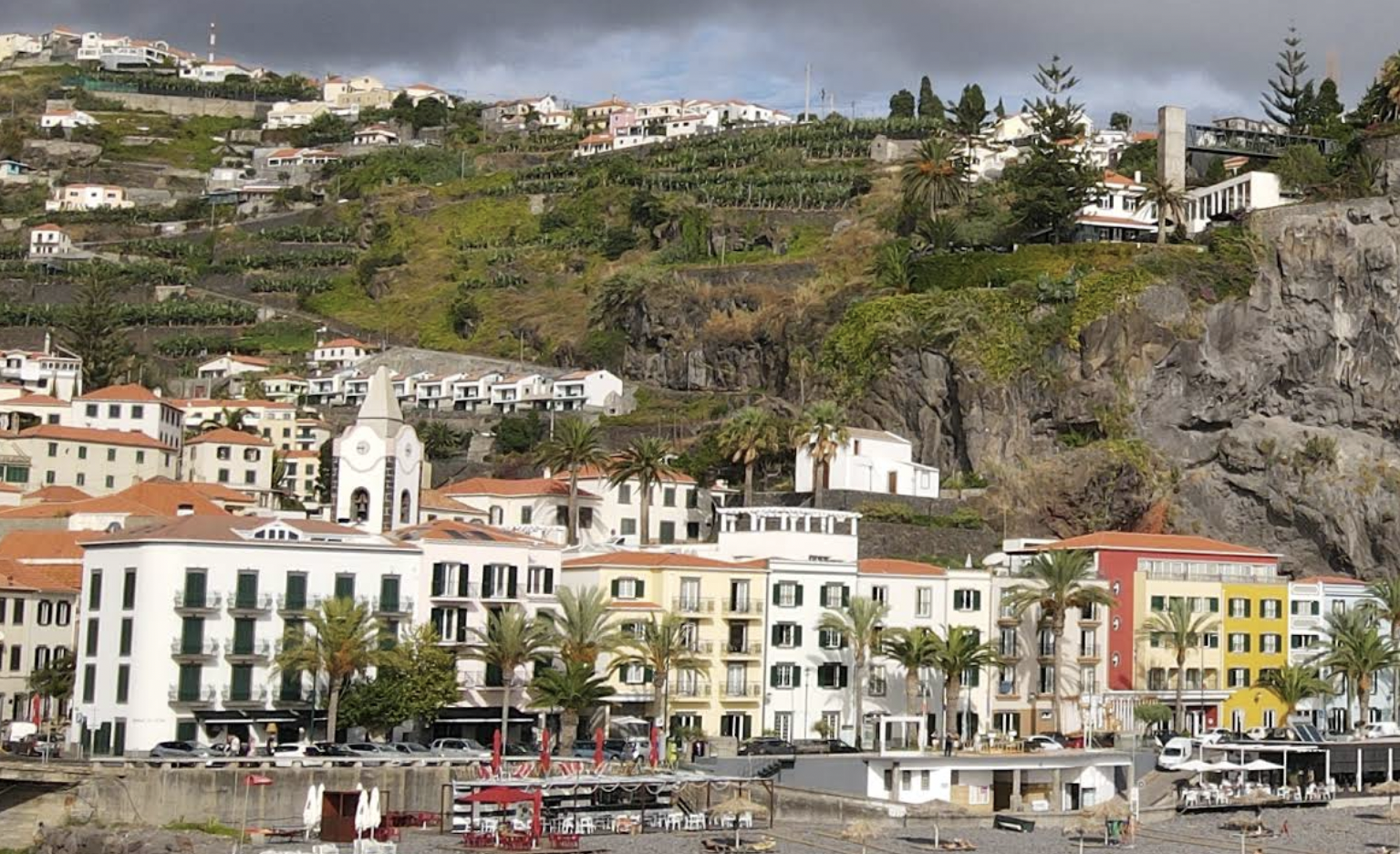
Head to Ponta do Sol, a charming coastal town with colorful houses and a laid-back vibe. From here, begin one of the most spectacular coastal walks in Africa.
Distance: approximately 6 km (return)
Duration: 1–2 hours
Difficulty: moderate
The trail to Fontainhas is carved into cliffs high above the Atlantic Ocean. It’s not particularly long but in paths are super narrow so be careful. Along the way you will enjoy incredible ocean views and sound of waves crashing below the mountain. As you start approaching Fontainhas, the village will appears almost impossibly perched on the mountainside. Brightly painted houses in shades of blue, green, and pink create a striking contrast against the dark volcanic rock. Take advantage of being here and wander through narrow alleyways, stop for a drink at a small local café and chat with the inhabitants.
After a break you can continue hiking further to Cruzinha for a longer coastal trek or go back on the same trail to Ponta do Sol.
Day 5 – Discover Ribeira Grande & Ribeira da Torre
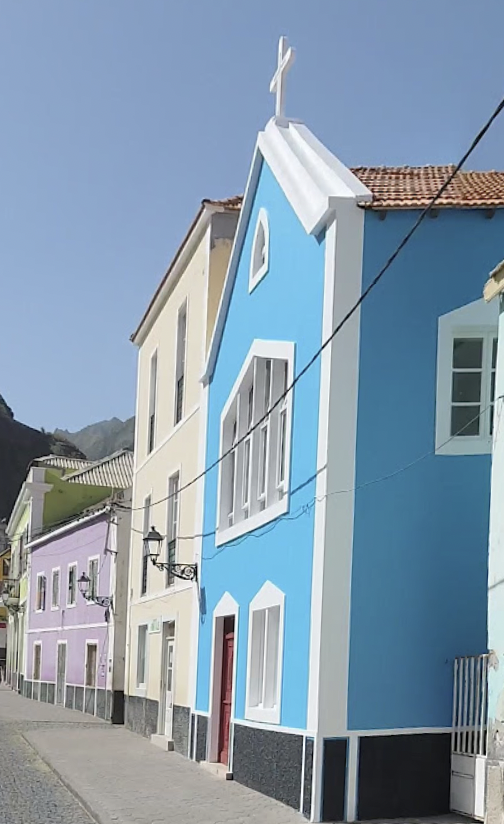
Spend the day exploring Ribeira Grande, one of the island’s cultural hubs. While wandering through the historic streets, you can admire the colonial buildings, and shop in the local markets. Take time to walk around and observe daily life — it’s a great place to understand the island beyond its landscapes.
Then head inland to Ribeira da Torre, a valley that feels more rugged than Paul.
This area is known for towering volcanic peaks and deep valleys. Here you will find some less visited trails.
You can choose from several hikes, ranging from short scenic walks to longer treks between villages.
Day 6 – Western Santo Antão & Tope de Coroa
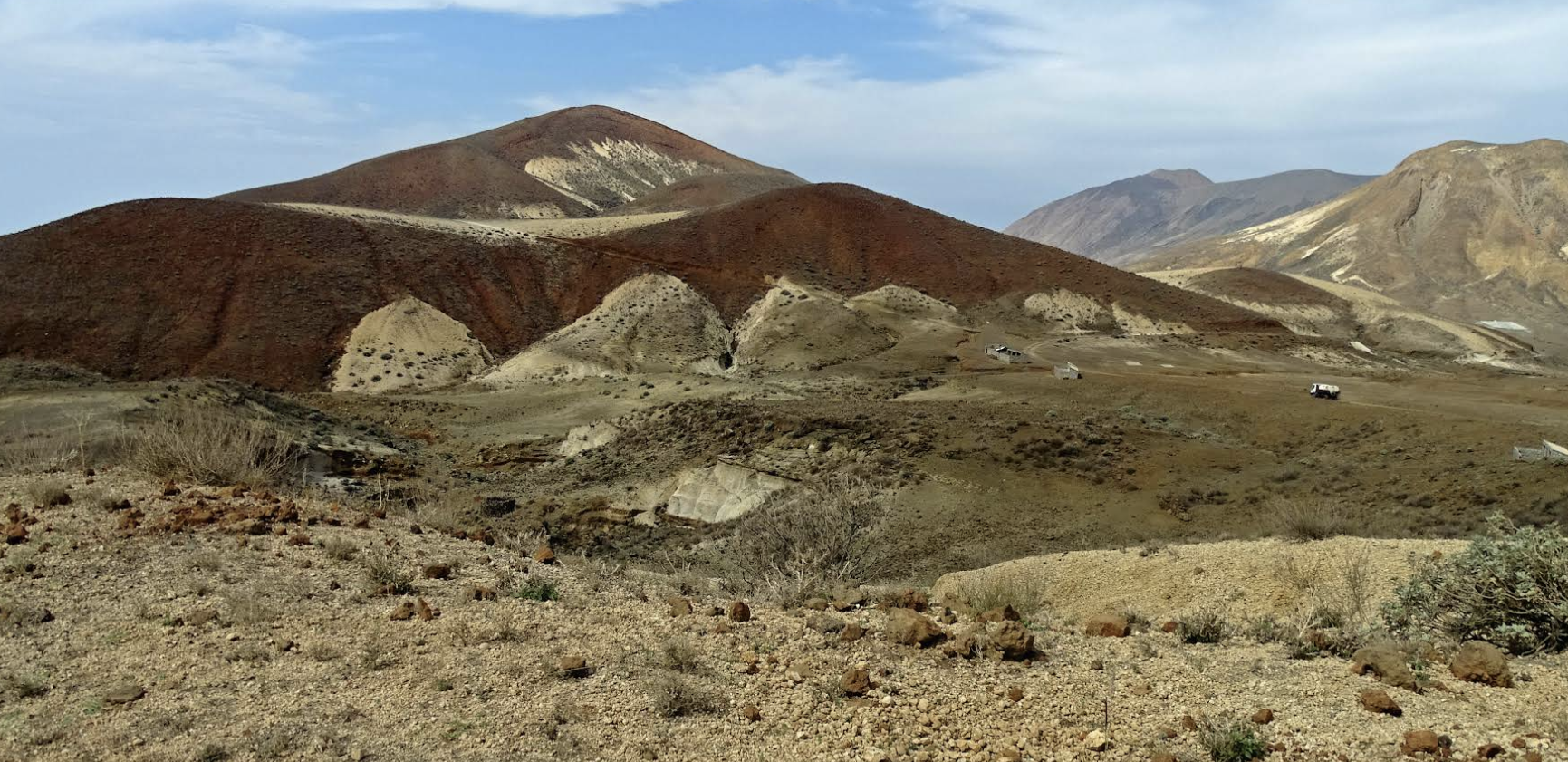
Today, venture into the island’s wild west — a remote region that few travelers explore. The drive itself is long but fascinating, as the scenery gradually shifts from lush green to dry and volcanic. At the heart of this region is Tope de Coroa, the highest mountain on Santo Antão. The surrounding landscape feels almost lunar: wide volcanic plains and sparse vegetation. Also here you will find isolated villages with traditional lifestyles. This is a place for true solitude and raw nature. You can hike in the volcanic terrain or interact with couple of locals who live here. However, remember to bring food and water as there are no shops. If you don’t feel comfortable to visit this region on your own, you can hire a local guide. Check On Trip CV for a highly customized tour.
Day 7 – Relax by the Sea & Return
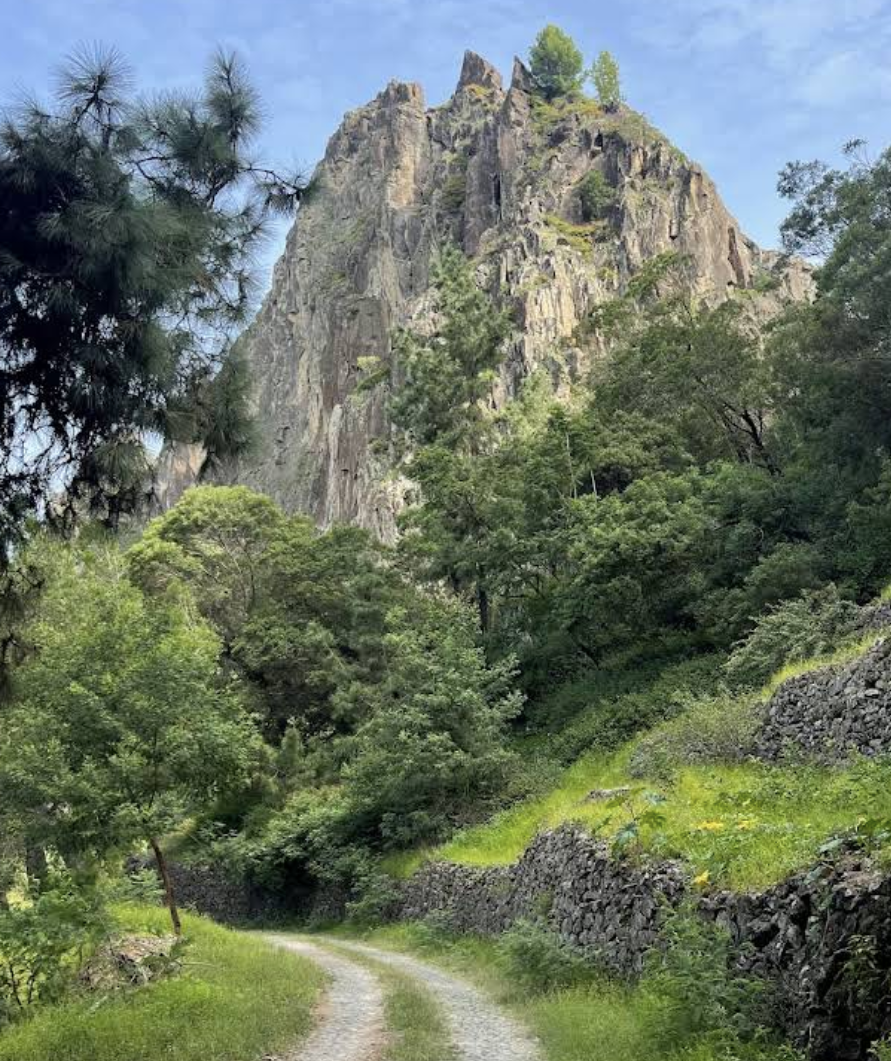
After several days of hiking and exploring, take time to relax by the ocean. Head to Ponta do Sol where you will find lively restaurants and cafés or to Tarrafal de Monte Trigo which is surely more peaceful. If the weather is good, your ferry to São Vicente will be on time. Otherwise you will have some extra time to hike on Santo Antão.
What makes this island special isn’t just its landscapes, but the connection between people and land, footpaths that have linked villages for generations and agricultural traditions still alive today
If you love hiking, culture, and raw natural beauty, Santo Antão offers one of the most rewarding travel experiences in the Atlantic.
Why Santo Antão Is the Best Hiking Island in Cape Verde?
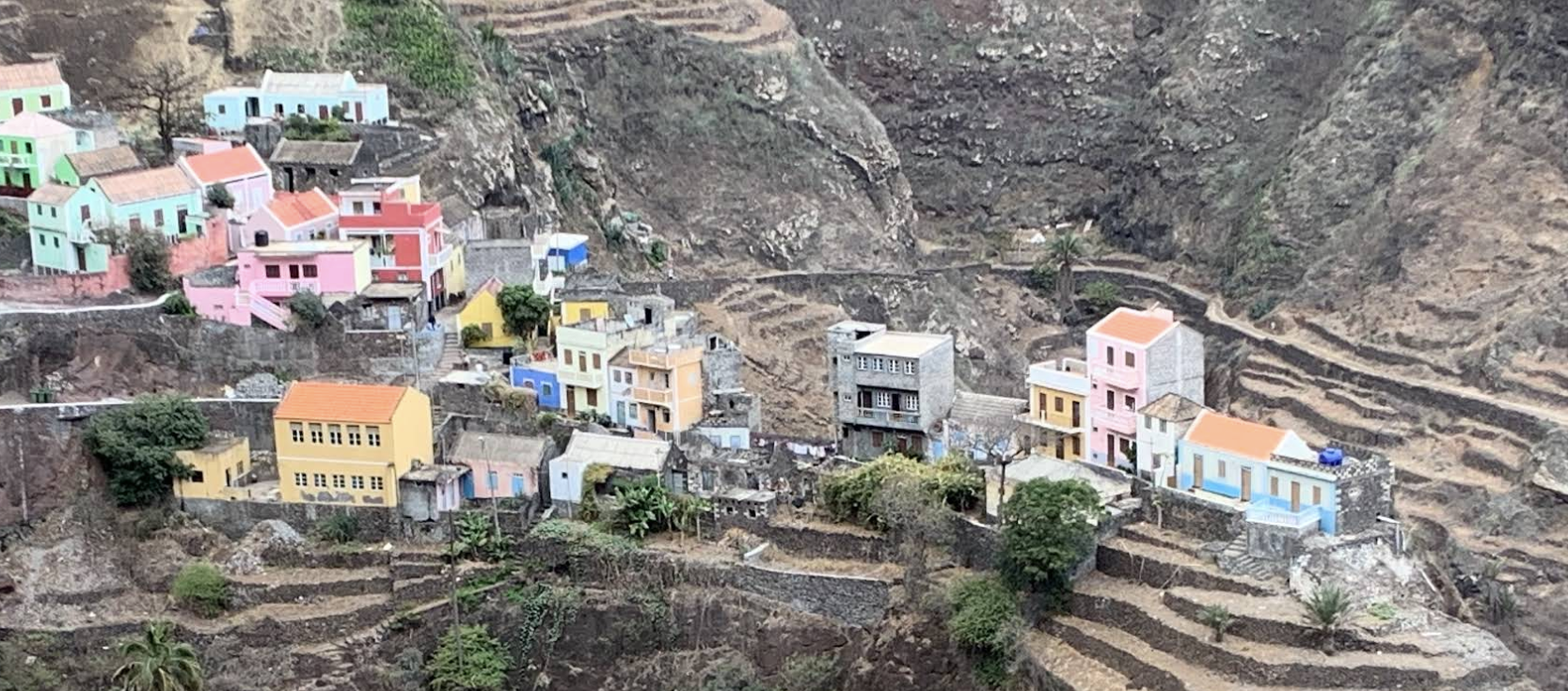
Santo Antão stands apart from other islands in Cape Verde because of its extraordinary landscapes and preserved traditions. For centuries, the island’s inhabitants built terraces, irrigation systems, and footpaths to adapt to the rugged terrain. These historic paths now form one of the most fascinating hiking networks in the Atlantic. Combine hiking, volcanic scenery and welcoming communities and you will understand why Santo Antão offers an unforgettable travel experience.
This island is not a destination for mass tourism or luxury resorts. Instead, it offers raw natural beauty, authentic cultural experiences, and some of the most spectacular hiking routes in the Atlantic islands. A week on Santo Antão reveals a world of towering mountains, lush valleys, and villages where life still follows traditional rhythms.
If you are this kind of traveler who love adventure, landscapes, and cultural discovery, Santo Antão may well be the most remarkable island in Cape Verde.
 Nomadlytics
Leave a comment