
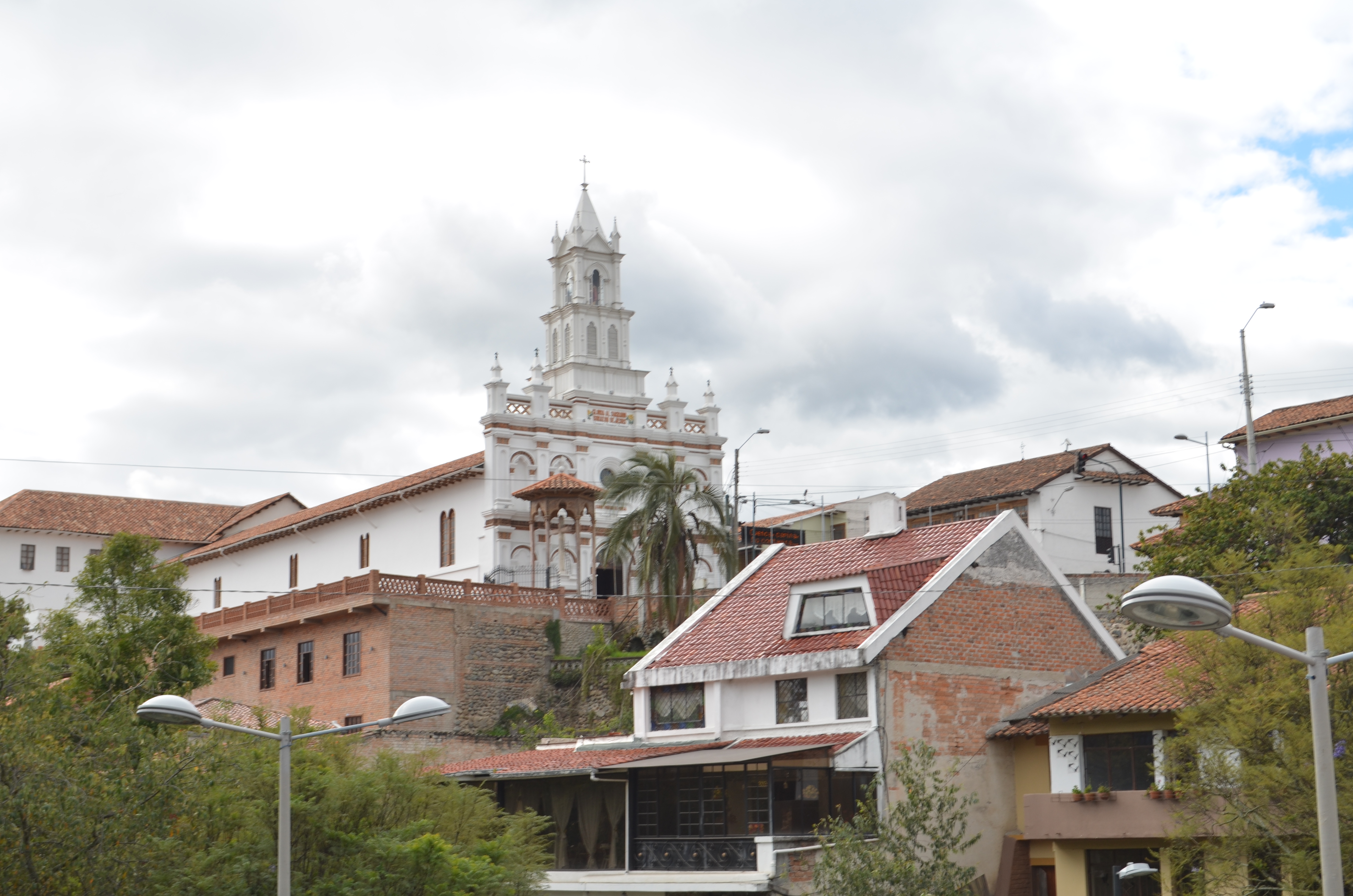
Cuenca is a gem renowned for its colonial architecture, rich history, and stunning natural beauty. It is situated in Andean highland at the altitude of 2500m above the sea level so it will certainly leave you breathless. As you can imagine it’s not all about the colonial architecture here. The nearby mountains will seduce you into some of the most beautiful hikes of your life. As a UNESCO World Heritage site, Cuenca really will captivate you with its cobblestone streets, vibrant cultural scene, and proximity to picturesque landscapes. Whether you’re a young backpacker, a digital nomad or an elder pensioner Cuenca has something for you. Here’s your ultimate guide to experiencing this enchanting city.
What to See in Cuenca
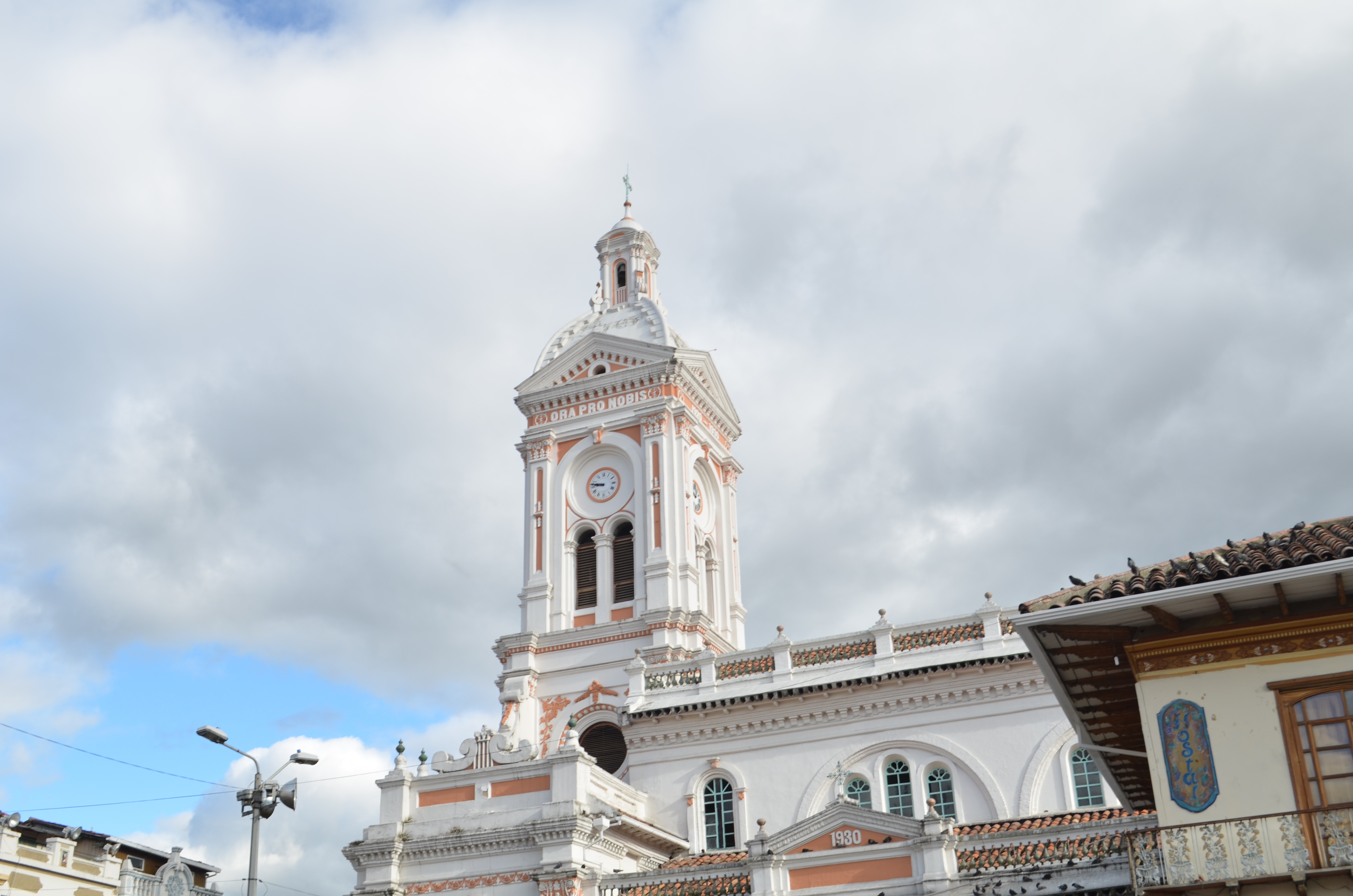
Cuenca’s Historic Center
Cuenca’s historic center is a UNESCO World Heritage site and a testament to the city’s colonial past. The area is known for its charming streets, beautiful plazas, and well-preserved buildings. The standard walking visit must include:
Plaza Abdon Calderón
The main square surrounded by stunning colonial buildings, including the Cathedral of the Immaculate Conception, often referred to as the New Cathedral. The square is a great place to start your exploration, offering views of Cuenca’s architectural splendor and vibrant life. Don’t forget to come back here in the evening and enjoy some great live music!
Catedral de la Inmaculada Concepción (New Cathedral)
An iconic landmark with its blue domes and impressive Gothic revival architecture. Don’t miss the opportunity to climb the towers for panoramic views of the city.
Old Cathedral (Catedral Vieja)
Located on the south side of Plaza Abdon Calderón, this cathedral now houses the Museo de las Conceptas, showcasing religious art and historical artifacts.
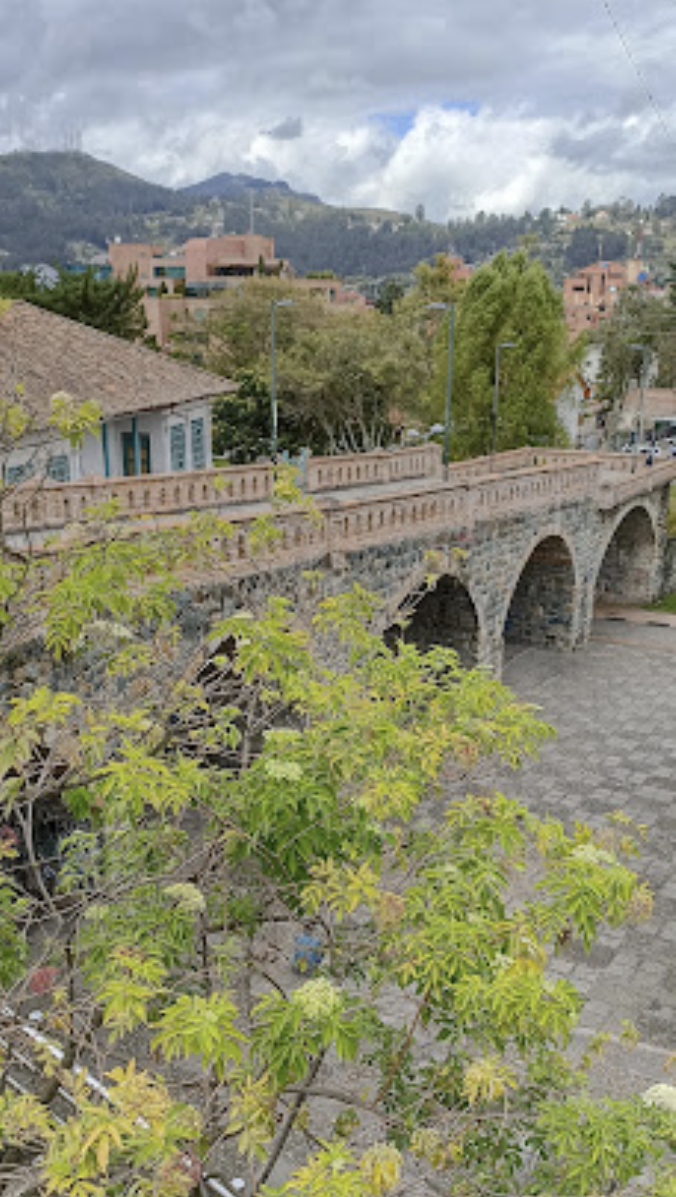
Puente Roto (Broken Bridge)
A historic bridge that spans the Tomebamba River. The bridge offers a picturesque view and is a popular spot for photos.
Museo Pumapungo
This museum and archaeological site is dedicated to the ancient Cañari and Inca cultures. It features a collection of artifacts, reconstructions of Inca and Cañari structures, and a beautiful garden that recreates the region’s traditional flora.
If you are interested in discovering more about the Cañari people you must head for a day trip to Ingaprica. This little town is just a bit over an hour drive from Cuenca. Once there you will be able to visit the ruins of the Temple and if you enroll to one of the guided tours you will certainly have a better understating of this incredible pre-Inca culture. Don’t miss my post about the Cañari people: Ecuador’s Living Legacy of Ancient Wisdom and Resilience.
Parque Calderón
This central park is a great place to relax and enjoy Cuenca’s outdoor atmosphere. It’s a lively spot with street vendors, local performers, and plenty of benches to take in the surroundings.
Turi Viewpoint
For a panoramic view of Cuenca, head to the Turi Viewpoint, located on a hill overlooking the city. It’s an ideal spot for sunset views and to appreciate Cuenca’s layout and surrounding landscapes.

El Cajas National Park
Located just a short drive from Cuenca, El Cajas National Park is a must-visit for nature enthusiasts. You can either drive here or arrange a taxi transport. The Park is known for its high-altitude paramo ecosystem and it offers breathtaking views, unique wildlife, and obviously numerous hiking trails. Here below are some of the most popular ones but if you would like to have more details about the park, don’t hesitate to read my dedicated post.
Laguna Toreadora Trail
It takes you around the Toreadora Lagoon, offering spectacular views of the high-altitude wetlands, lagoons and distant peaks. It’s a relatively easy hike suitable for most fitness levels.
In general you will need 2-3 hours to complete it.
Paramo Trail
This one is less popular and more challanging. It will take you through the park’s diverse ecosystems, including high-altitude grasslands and dense forests. Allow one full day to hike this route: it takes generally 6 hours to complete it.

Baños de Cuenca
If you have time for a relaxing day trip (maybe after a good hike) head to Baños de Cuenca, located about an hour from the city. This area is known for its hot springs and picturesque surroundings. There are several thermal pools where you can unwind after days of hiking. I can personally recommend Piedra de Agua where you will be able to enjoy different SPA treatment and the thermal baths. A great plus is the outdoor swimming pool where you can enjoy a delicious and fresh fruit juices.
As you can see, Cuenca is a great destination that blends rich history, vibrant culture, and stunning natural beauty. You can easily stay here for one week or longer. In fact many people fall in love with this town and decide to stay here almost forever. Let’s be honest, you have a bit of everything in Cuenca and you will surely have a great time while walking along the colonial streets, hiking through picturesque landscapes, or simply living the city’s relaxed atmosphere. With its accessible transportation options and diverse range of activities, it’s a destination that caters to both urban explorers and outdoor enthusiasts alike.
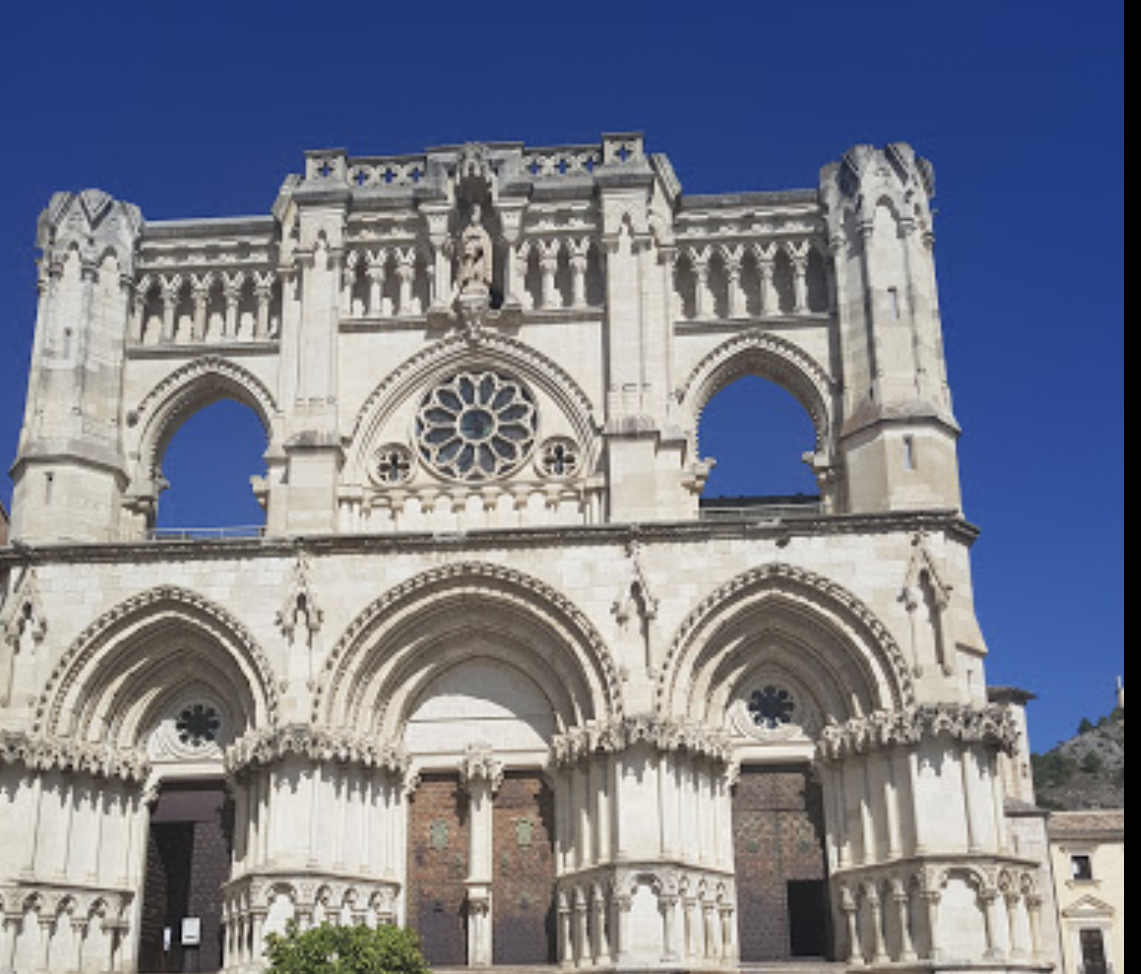
So pack your bags, lace up your hiking boots, and get ready to discover the enchanting charm of Cuenca, Ecuador!
How to Get to Cuenca
By Air
Cuenca’s Mariscal La Mar Airport (CUE) is the most convenient way to reach the city by air. Several airlines offer domestic flights from Quito and Guayaquil. The flight from Quito takes about 45 minutes, while from Guayaquil it’s around 30 minutes.
- Airport Transfer: Taxis and shuttle services are available at the airport to take you into the city center, which is about a 10-minute drive away.
By Bus
Traveling by bus is a popular option for those already in Ecuador. Cuenca is well-connected by bus with major cities like Quito and Guayaquil.
- From Quito: The bus journey takes approximately 8-10 hours, and buses depart from the Terminal Terrestre Quitumbe. The trip offers scenic views of the Andes and several stops along the way.
- From Guayaquil: The bus ride takes about 4-5 hours, with buses departing from the Terminal Terrestre de Guayaquil.
By Car
Driving to Cuenca gives you flexibility and the opportunity to explore the Andean scenery along the way.
- From Quito: The drive takes around 8-10 hours, depending on road conditions. The route is well-paved but can be winding.
- From Guayaquil: The drive is shorter, about 4-5 hours, and follows a more direct route.
Accomodation
Cuenca offers a range of hostels, hotels, bed and breakfasts, guest houses and private apartments for all sorts of budgets and demands. Although the town is really popular, generally you will not have problems finding a nice accommodation in town. I stayed in Hostal Suite Le Fabrique which offers clean and spacious private rooms and gets 5 stars for a beautiful garden and a super tasty breakfast.

 Nomadlytics
Leave a comment