

Gdańsk, a historic port city on the Baltic coast of Poland, is a destination that offers a rich combination of history, culture, and coastal relax. Here you will be able to stroll down the colorful streets of the Old Town, explore maritime history at Westerplatte, or enjoy trendy café in downtown. Last but not least, in summer you will be able to enjoy sunny weather at the beach. With many low cost airlines flying directly to Gdansk from many European cities, it is a great destination for a weekend.
In this guide, I will take you through everything you need to know to make the most of your weekend trip to Gdańsk — including how to get there, where to stay, what to see, and why Westerplatte is a must-visit. Let’s start!
Day 1: Gdańsk’s Old Town and Waterfront
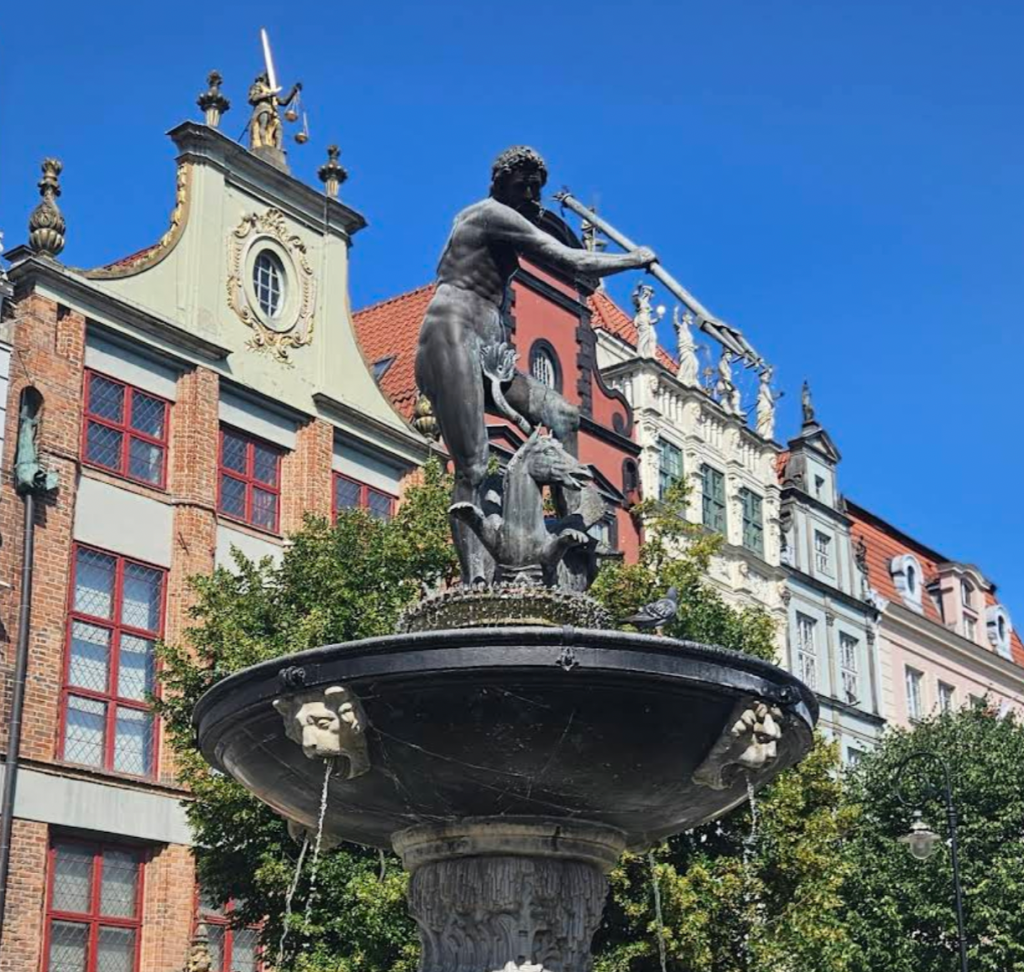
Start your morning by wandering along Długa Street, the most iconic thoroughfare in Gdańsk’s Old Town. Flanked by colorful townhouses and historic buildings, this pedestrian-only street is the perfect introduction to the city’s architecture. Stop by St. Mary’s Basilica, one of the largest brick churches in the world. Climb the 400+ steps to the tower for panoramic views of Gdańsk’s rooftops and the Baltic Sea in the distance.
Head to the riverfront for lunch or snack. Here you will find plenty of options for a traditional Polish meal such as pierogi (dumplings), żurek (sour rye soup), or fresh Baltic fish. As you can imagine all the restaurants here are pretty touristy. Generally the traditional polish food is meat based and the portions are huge. However, it’s more and more common to have some veggie options as well. If you eat near the river, try Restuaracja Chleb i Wino with a menu for all tastes and great dessert options.
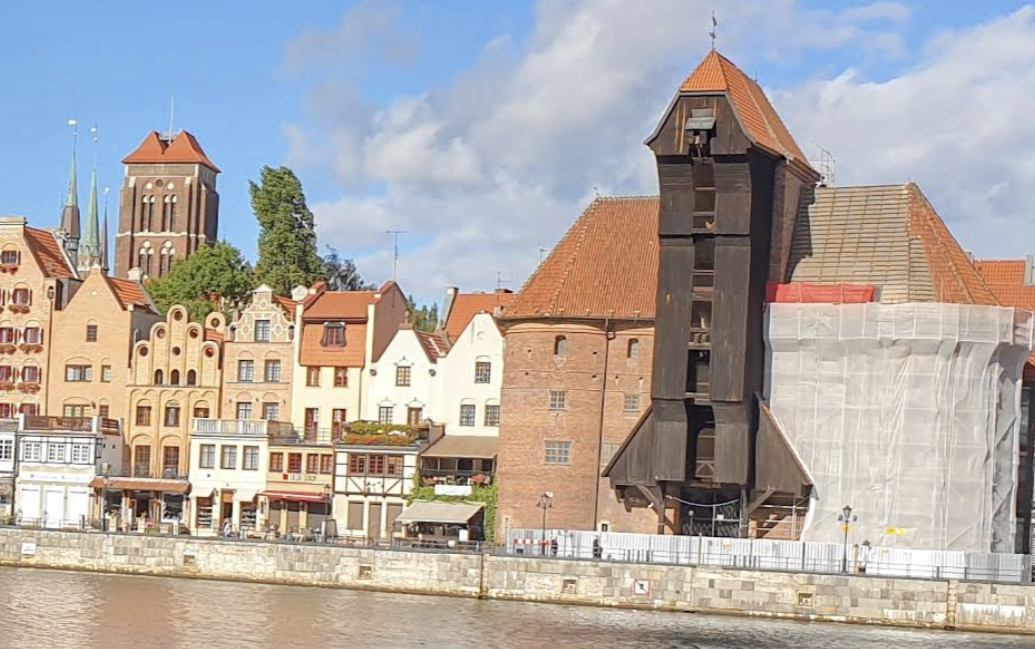
In the afternoon head to The Gdańsk Crane (Żuraw), one of the city’s most iconic landmarks. Towering over the Motława River, this medieval port crane dates back to the 15th century and is a remarkable feat of engineering. As part of the National Maritime Museum, the Crane offers a fascinating glimpse into the city’s role as a major Baltic Sea trading hub during the Hanseatic League era. Inside, exhibits bring to life Gdańsk’s centuries-old shipbuilding and seafaring traditions, while panoramic views from the upper levels provide a stunning look over the river and historic port.
A short and scenic walk along the waterfront leads you to the European Solidarity Centre, a must-visit for anyone interested in modern European history. Housed in a striking rust-colored steel building meant to resemble a ship’s hull, the museum tells the powerful story of the Solidarity movement, which began in the nearby Gdańsk Shipyard in the 1980s. This grassroots labor movement, led by figures like Lech Wałęsa, sparked a chain of events that eventually brought down communism in Poland and inspired democratic movements across Eastern Europe.
Inside the centre, immersive exhibitions trace the rise of Solidarity, the resistance against the communist regime, and the broader fight for freedom and human rights. Personal testimonies, archival footage, and interactive displays make the story come alive, giving you a profound sense of Gdańsk’s pivotal role in shaping Europe’s post-war future. Together, the Gdańsk Crane and the European Solidarity Centre tell two very different, yet equally important stories—one of trade and prosperity, the other of courage and transformation. Visiting both offers a well-rounded perspective on how this resilient city has influenced not just Poland, but the course of history itself.
Gdańsk is famous for Baltic amber. Explore Mariacka Street, lined with charming amber boutiques and galleries. As the sun sets, walk along the Motława promenade, or take a relaxing boat cruise through the city’s canals.
Day 2: Westerplatte and Beyond
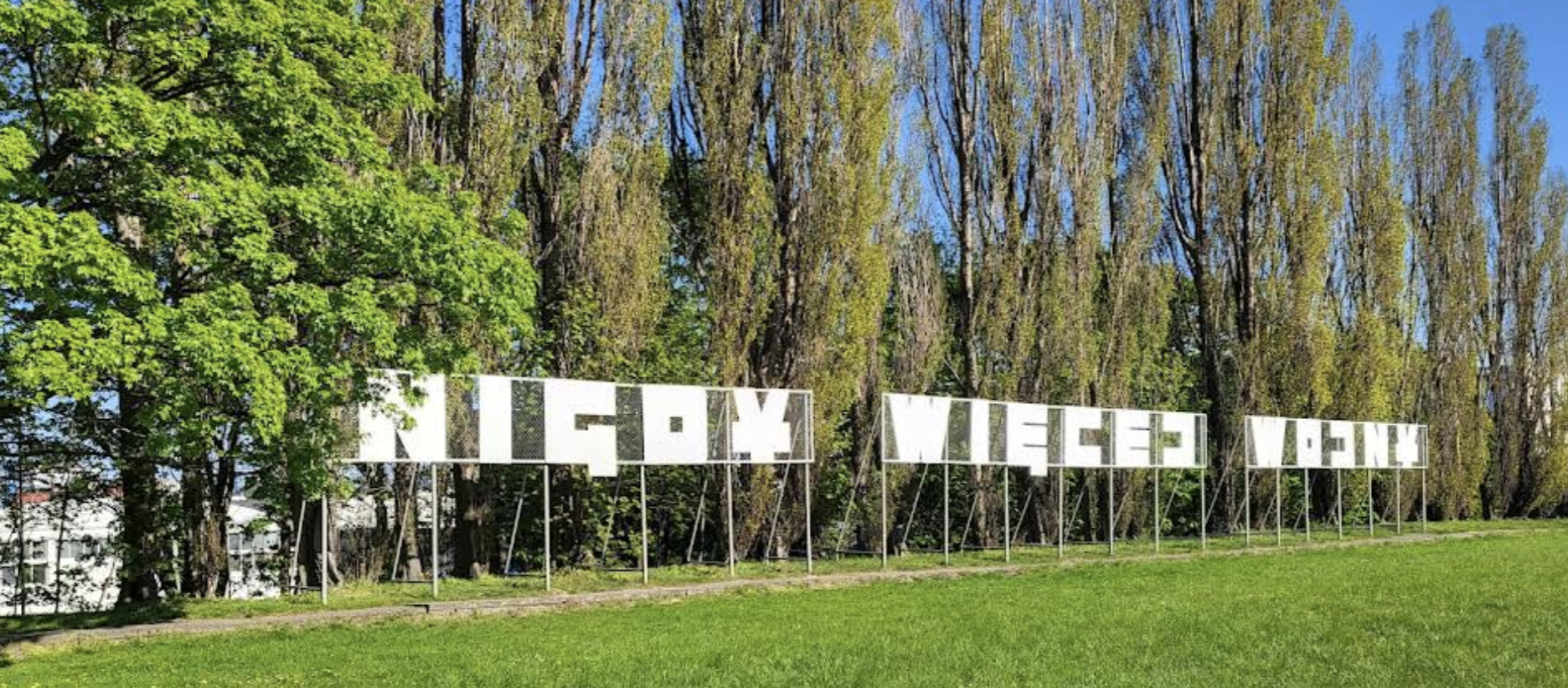
Start your second day with a visit to Westerplatte. It is a powerful and moving experience. This peninsula at the mouth of the Vistula River was the site of the first battle of World War II, when German forces attacked the Polish garrison on September 1, 1939. It was here that a small garrison of Polish soldiers bravely defended their outpost against overwhelming German forces, in a battle that lasted seven days and has since become a powerful symbol of Polish resistance and resilience.
At the heart of the site stands the Westerplatte Monument, a towering granite sculpture that honors the defenders of the Polish coast. Rising 25 meters into the sky, the monument’s solemn, angular form evokes both strength and sacrifice. It overlooks the Baltic Sea, offering a dramatic backdrop that invites contemplation. The monument is reached by a gentle uphill path lined with stones etched with the names of the fallen, creating a moving tribute as you approach. Nearby, you will be able to explore the Ruins of the Barracks, the preserved remains of buildings that withstood intense shelling during the battle. Walking through these crumbling structures, you get a visceral sense of the intensity of the fighting and the bravery of the soldiers who held their ground under siege conditions.
The Open-Air Museum that spans the site is thoughtfully curated, with informative plaques, photographs, and maps that guide you through the events of September 1939. These displays offer historical context and personal stories, helping visitors understand not just the military strategy, but also the human experience of the battle.
Despite its heavy history, Westerplatte is also a place of quiet beauty. Surrounded by pine forests, sandy paths, and expansive views of the sea, it offers peaceful nature trails ideal for reflective walks.
How to Get to Westerplatte?
- By Boat: Ferries and tour boats depart from the Old Town marina and offer scenic rides to Westerplatte (approx. 30 minutes).
- By Bus: Take bus 106 or 138 from the city center.
- By Car or Taxi: A 15–20 minute drive from downtown Gdańsk.
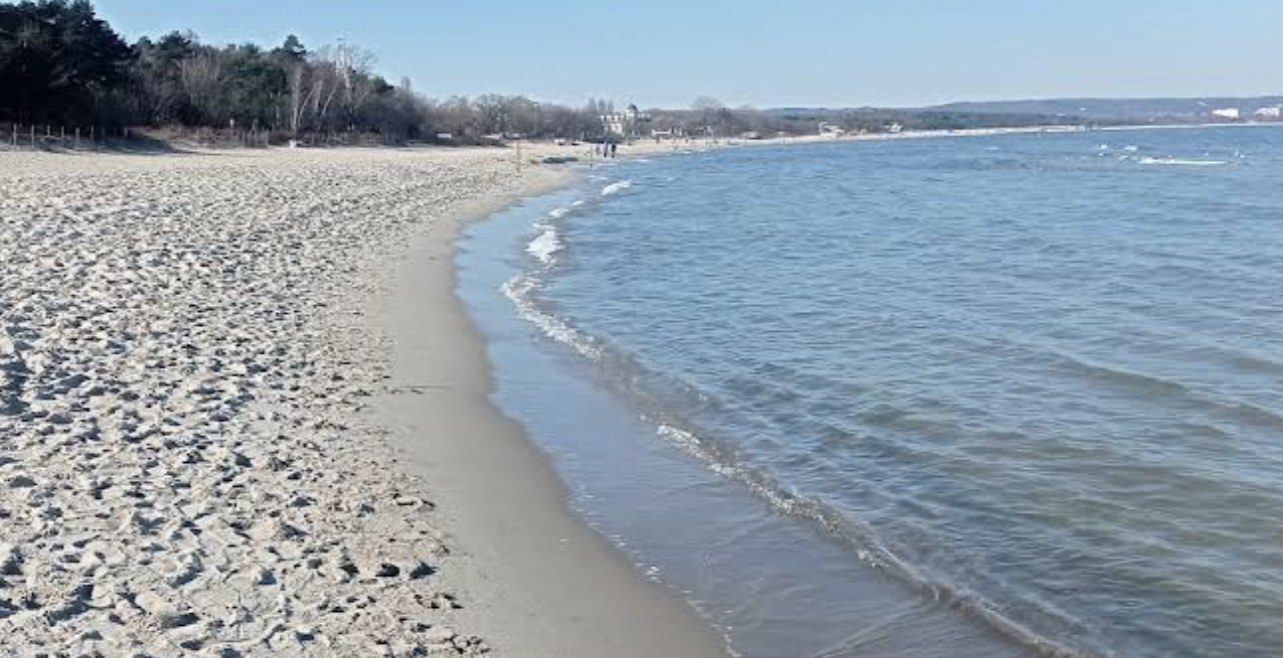
Half a day is enough for a visit to Westerplatte. Once returned to the city center, enjoy some relaxing time at Brzeźno Beach. It’s a local favorite for its clean sands and relaxed vibe. You can enjoy a walk on the pier and grab some fresh fish from a beach side shack.
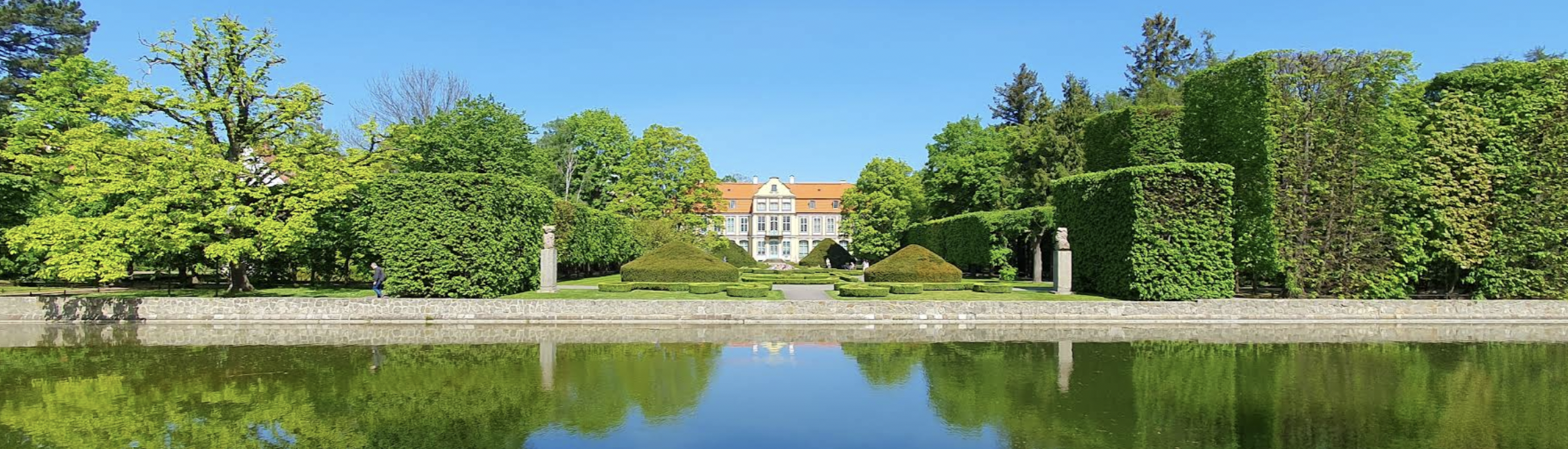
Alternatively, visit Oliwa Park and Oliwa Cathedral, located in the charming Oliwa district of Gdańsk. Oliwa Park is a beautifully maintained green oasis, perfect for a relaxing stroll. Its elegant layout includes manicured formal gardens, winding paths, serene ponds, and a botanical garden showcasing a variety of plant species. The park’s peaceful atmosphere provides a refreshing contrast to the bustling city center, making it a favorite spot for both locals and visitors.
At the heart of the park stands the impressive Oliwa Cathedral, a historic Cistercian church dating back to the 13th century. The cathedral is renowned for its richly decorated baroque interior and its magnificent pipe organ—one of the largest in Poland. Designed in the 18th century, the organ features moving sculptures and produces a remarkable sound. Time your visit to coincide with one of the daily organ concerts, where you can experience the cathedral’s powerful acoustics and enjoy a live performance that echoes through its grand vaulted ceilings.
If you still have time, another must visit for history enthusiast is the Museum of the Second World War. Opened in 2017, this world-class museum offers a comprehensive look at the causes, horrors, and consequences of WWII, with powerful exhibitions and multimedia installations. Plan at least 2–3 hours for a visit — it’s incredibly detailed and moving.
Wrap up your weekend with one last evening walk along the river. Crossing the pedestrian Kładka Grzegorza – a little bridge that rotates to allow boats through. Of course, for security reasons, pedestrians are not allowed to cross whole the bridge rotates.
If you are looking for a one last dinner in town, try Restaurant Gvara which offers vegan and vegetarian options.
If you have more than a weekend….
Take a Day Trip to Sopot: Just 20 minutes away by train, Sopot is a stylish seaside resort with Poland’s longest wooden pier. Super worthy in the summer months when you will be able to enjoy the beach.
Explore the Amber Museum – housed in a former prison tower showcases the history and artistry of Baltic amber.
Ride the Ferris Wheel and enjoy great views of the city and harbor.
Useful information:
Currency: Poland uses the Polish złoty (PLN) not Euro so remember that when paying cash. Credit cards are widely accepted especially in restaurants and museums but in small shops it is still good t o have some cash.
Polish is the official language, but English and German are commonly spoken in tourist areas.
Best time to visit Gdansk is undoubtedly summer. Although that is a high tourist season with many locals and visitors on holidays, you will still be able to enjoy the most of town and the warm weather will make it possible to enjoy the seaside places. Gdansk in fact is a port city and beside the historical monuments it offers a sandy beaches and a marina where you can rent a boat or enroll for a tour and visit the city from another perspective. Spring and autumn are also ok for a weekend but there is a serious rain hazard. Winter is cold and it can snow. Surely it has its charm to visit the city while it is all lighten up in Christmas time but get ready for cold temperature.
Accommodation
The city is investing in tourism and business so there are always more options for short time stays. You will find historical guest houses, modern apartments and little hotels that combines old character with modern comfort: Just like Celestin Residence – this lovely boutique hotel housed in a 16th-century building. Located on a quiet street just steps away from the boat that takes you to Westerplatte. From the upper rooms you will love the view over the old town – especially in the evening. If you are looking for a modernity and comfort, check the PURO Gdańsk Stare Miasto. This 4 star hotel offers a Scandinavian touch with rooftop bar and an onsite gym. Obviously it is located just in the heart of old town but don’t worry, the rooms are silent and comfy.
How to get there?
By Air
Gdańsk Lech Wałęsa Airport (GDN) is the primary gateway to the city, serving numerous European destinations. It’s about 12 km from the city center. Airlines such as Ryanair, Wizz Air, and LOT Polish Airlines offer frequent flights from major European cities like London, Oslo, Berlin, and Amsterdam. Obviously you can also fly on a domestic LOT plane from Warsaw.
From the airport, you can reach the city center by:
- Train: SKM trains run regularly to Gdańsk Główny (main station).
- Bus: Line 210 or the night bus N3 connects the airport to the city.
- Taxi or Uber: Approx. 20–30 PLN (€5–€7) depending on the time of day.
By Train
If you’re traveling from within Poland, Gdańsk is easily reachable by train. The city is part of the PKP Intercity and regional railway networks, with direct connections to Warsaw (approx. 3 hours), Kraków, Poznań, and Wrocław. Gdańsk Główny is centrally located, making for easy access to hotels and attractions.
Gdańsk is a city that offers far more than meets the eye. With its layered history, beautiful architecture, and marine culture, it provides a perfect weekend getaway that combines education, relaxation, and exploration.


Leave a comment