
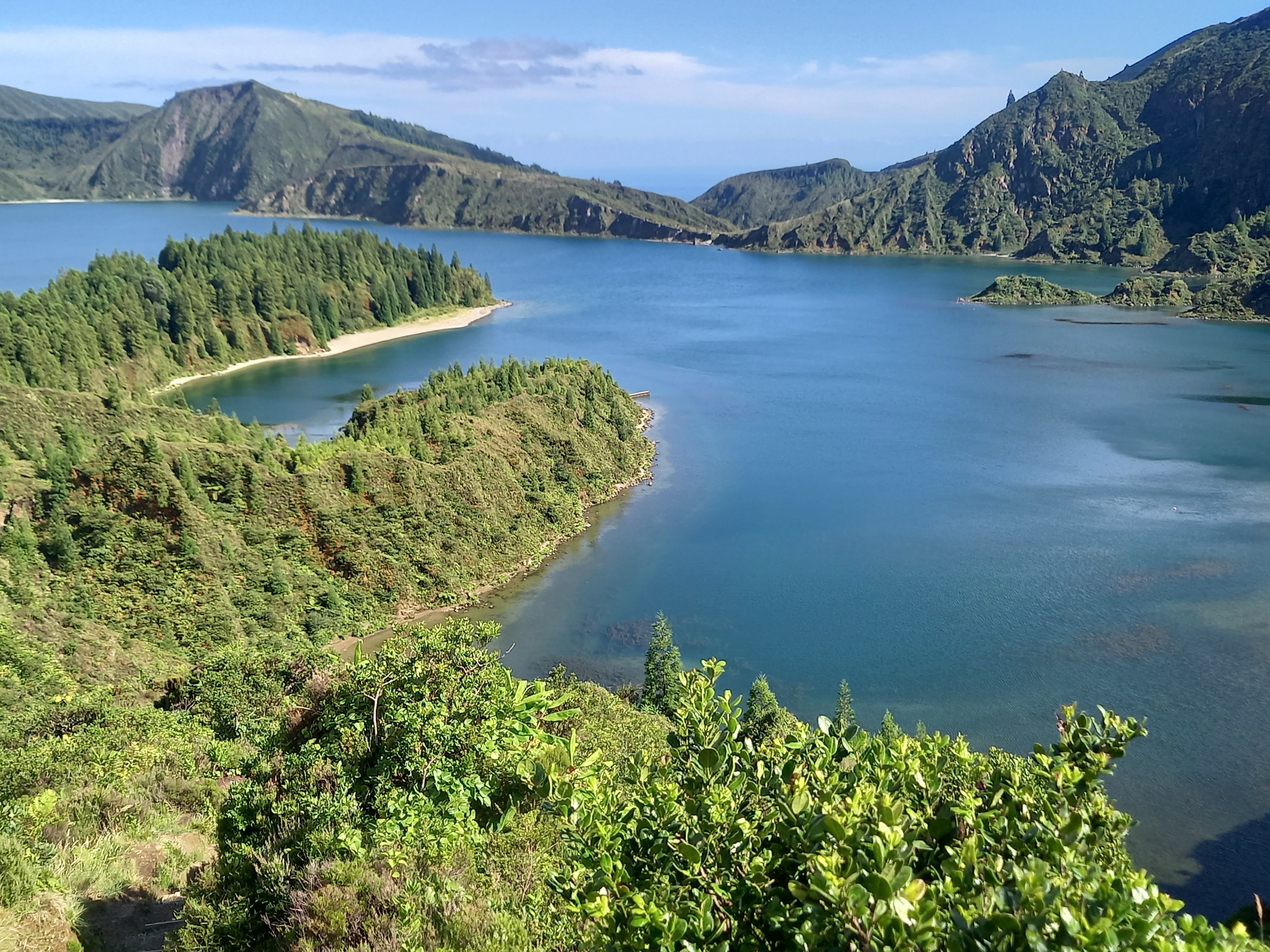
Azores islands are a great place for an active workation for solo travelers and those exploring with with kids. Although the islands are literally in the middle of the Atlantic, the internet connection is fast and stable and there are plenty of activities for everyone.
Azores is an archipelago composed of nine volcanic islands. All of the islands are worth visiting and all of them are different, some more touristy than the others, some more remote and difficult to reach. It’s worth planning at least a month if you intend to visit them all. I advise you to stay even longer. Choose wisely if you have a limited time for your vacation or combine your holidays with some remote work because as said before, it’s very feasible to work online from all the islands. Most visitors are so enchanted by the beauty of this archipelago that they come back regularly.
Graciosa – Caves, Cycling & Nature
So let’s starts with the less visited and the second smallest island of the archipelago: Graciosa. Measuring just over 60 square kilometers and situated between São Jorge and Terceira, its geographic location makes it an ideal stop for those exploring the central group of the archipelago. Known as the “White Island” due to its iconic whitewashed houses and structures, Graciosa boasts a gentle, rolling landscape adorned with green pastures and dotted with volcanic craters.
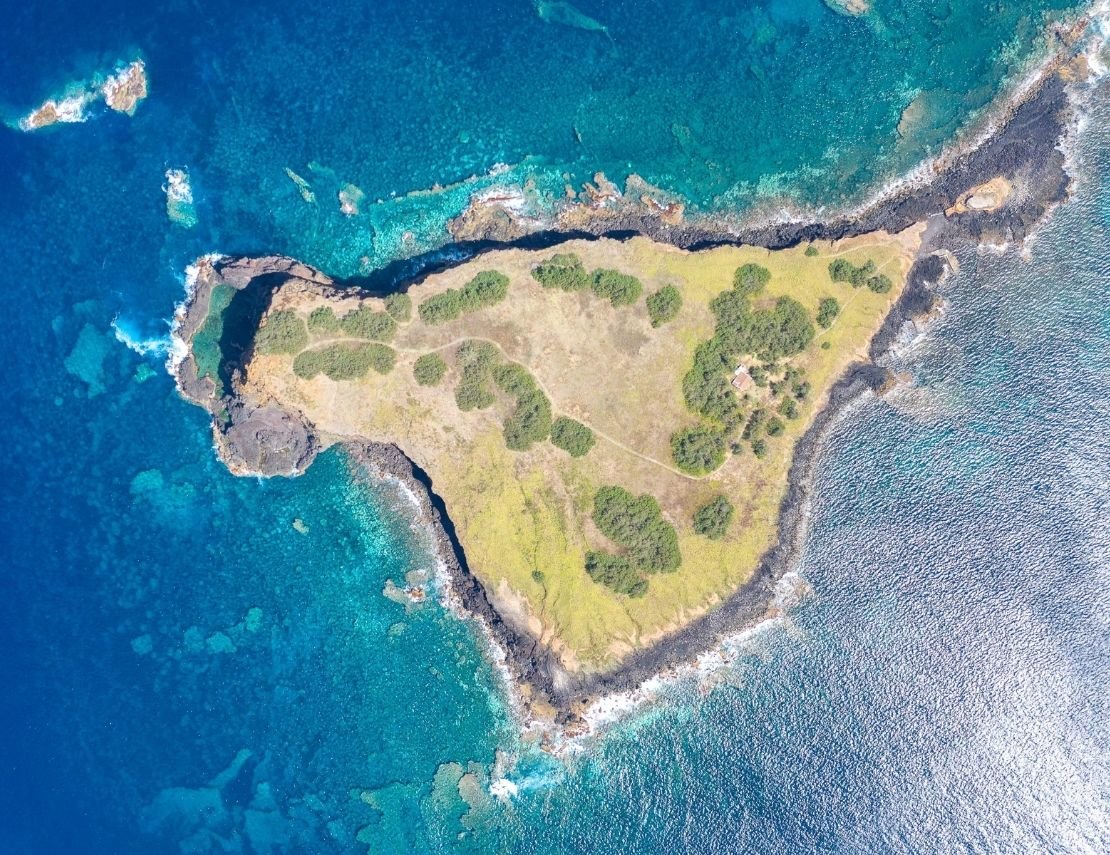
Despite its small size, Graciosa is rich in natural wonders. The Furna do Enxofre, a volcanic vent, is one of the island’s most fascinating attractions. You descend into the volcanic vent and marvel at the unique underground lake, surrounded by stalactite formations.
The island’s coastline is adorned with stunning cliffs and natural pools, such as the Carapacho thermal baths. These pools, heated by geothermal activity, offer a relaxing and therapeutic experience with views of the Atlantic Ocean.
Do not underestimate the island’s historical and cultural heritage. The village of Santa Cruz da Graciosa, the island’s capital, is characterized by its charming cobblestone streets and whitewashed buildings. The Igreja de Santa Cruz, a 16th-century church reflects the island’s religious history.
What makes Graciosa unique is its calm pace—there’s very little traffic and it’s small so actually you can cycle around. You can stop in small villages for a coffee, or detour toward the coast to watch waves crash against volcanic rock. The highlight is cycling toward the Furna do Enxofre. Curious? Stay tuned, because soon I will post a detailed guide for those who are planning to visit Graciosa on their bicycles but meanwhile you can check my detailed post about Graciosa.
Faial – Volcanoes, Horta & Ocean Views
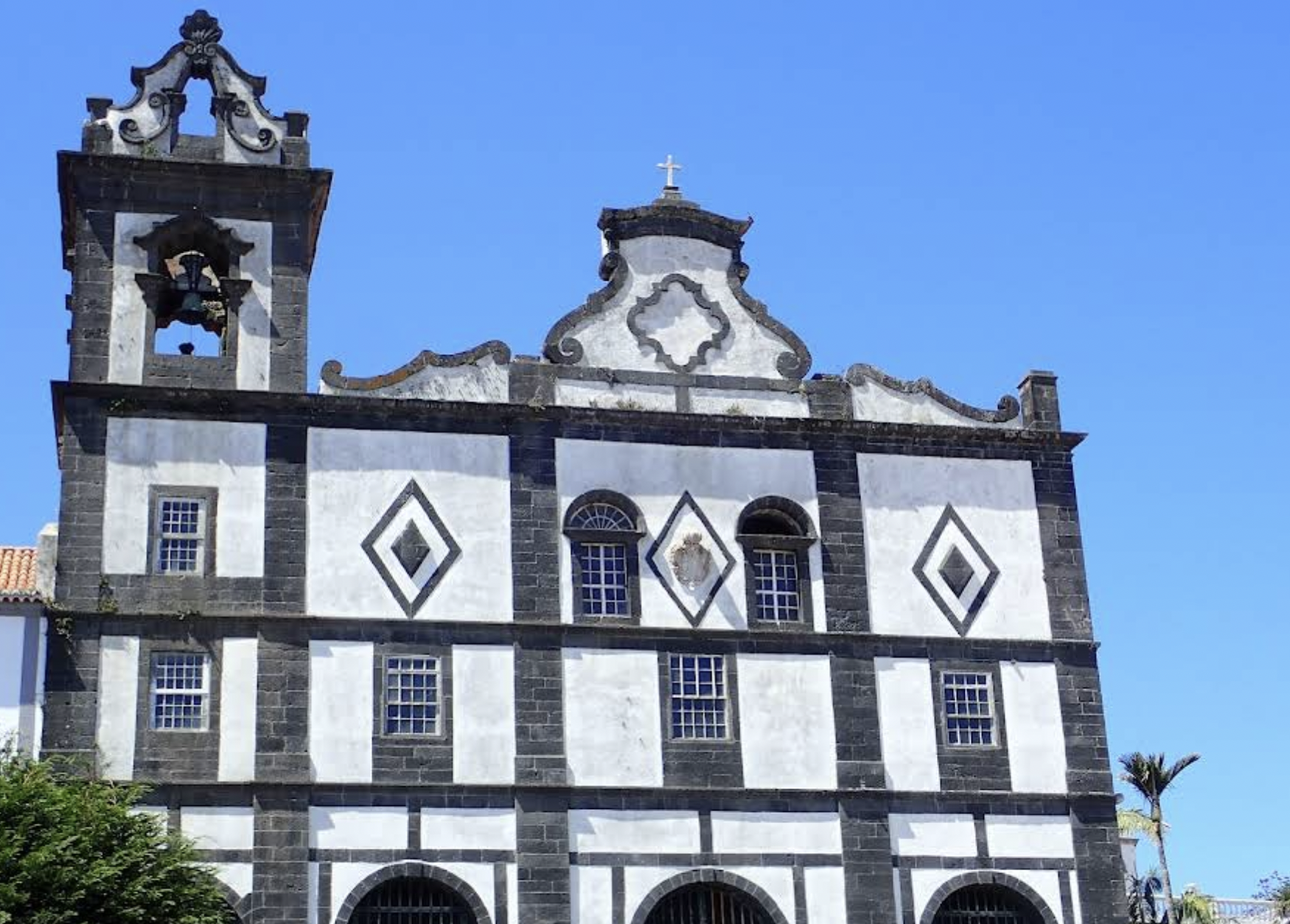
Another small and wild gem among the islands is Faial, a destination that enchants with its natural beauty, maritime history, and vivid culture.
Faial, often referred to as the “Blue Island,” is part of the central group of the Azores (together with Graciosa, Terceira, Pico and Sao Jorge) and is known for its stunning landscapes. The island is characterized by green hills, expansive volcanic craters, and a coastline with charming villages. The iconic Caldeira, a massive volcanic crater, is a must-visit site, offering breathtaking panoramic views of the island and the surrounding ocean.
Beyond its volcanic marvels, Faial offers a wealth of natural wonders. The Botanical Garden of Faial showcases a diverse collection of Azorean and exotic plant species. The Varadouro natural pools, carved into the volcanic rock and filled with seawater, provide a unique and refreshing swimming experience with a backdrop of the Atlantic Ocean. Don’t forget your snorkel mask!
Just like all the other Azores islands also Faial will amaze you with its rich cultural heritage. In the capital town Horta, you will enjoy many cultural festivals and visit historical sites .
Like all the Azores island, also Faial is great for hiking. There are many trails suitable for all levels of fitness. If you want more details on th ebest experience of Faial and detailed description of the hiking trails, check my dedicated post about this Hidden Gem of Azores.
São Jorge – Fajãs & Epic Hiking Trails
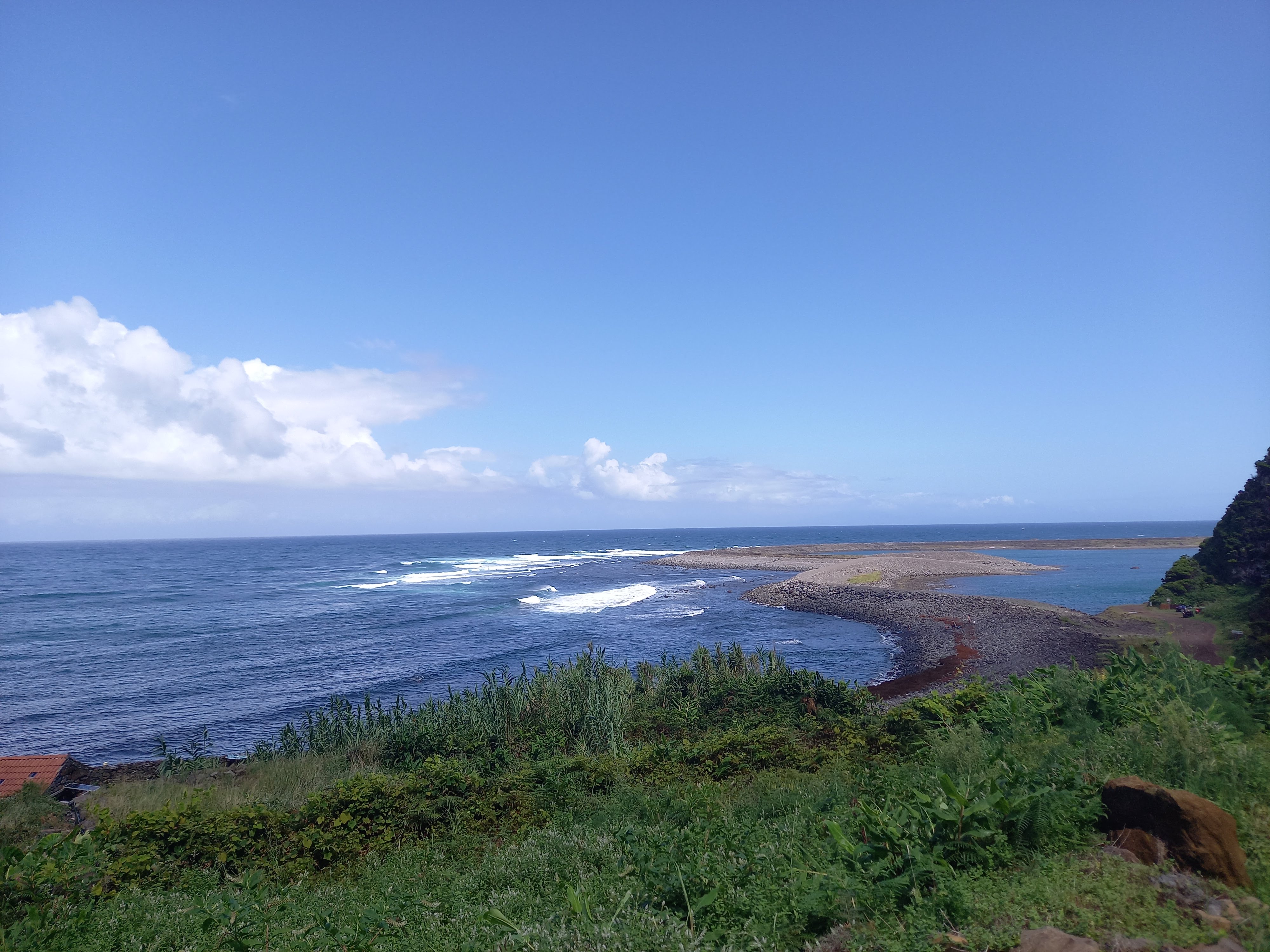
Together with Pico, Terceira and Faial, São Jorge is in the central group of the Azores Islands. This island is characterized by deep ravines, green valleys, and cliffs that plunge directly into the Atlantic. The central ridge, known as the “Topo,” runs the length of the island, offering panoramic views of the surrounding ocean and neighboring islands. There are at least three must visit on the island:
- Fajãs: coastal flatlands formed by landslides or lava flows. These fertile plains, nestled between cliffs and the sea, are unique ecosystems where agriculture thrives. Fajã dos Cubres and Fajã de Santo Cristo are among the most famous and accessible, each with its distinct charm.
- Caldeira do Santo Cristo: Hidden away in Fajã de Santo Cristo, the Caldeira is a natural lagoon surrounded by lush vegetation. This serene and isolated spot is an idyllic destination for hikers.
- Pico da Esperança: São Jorge’s highest peak, panoramic views of the island and the surrounding ocean. Hiking to the summit is a truly rewarding experience, showcasing the diverse landscapes that the island has to offer.
Pico – Mount Pico & Lava Landscapes
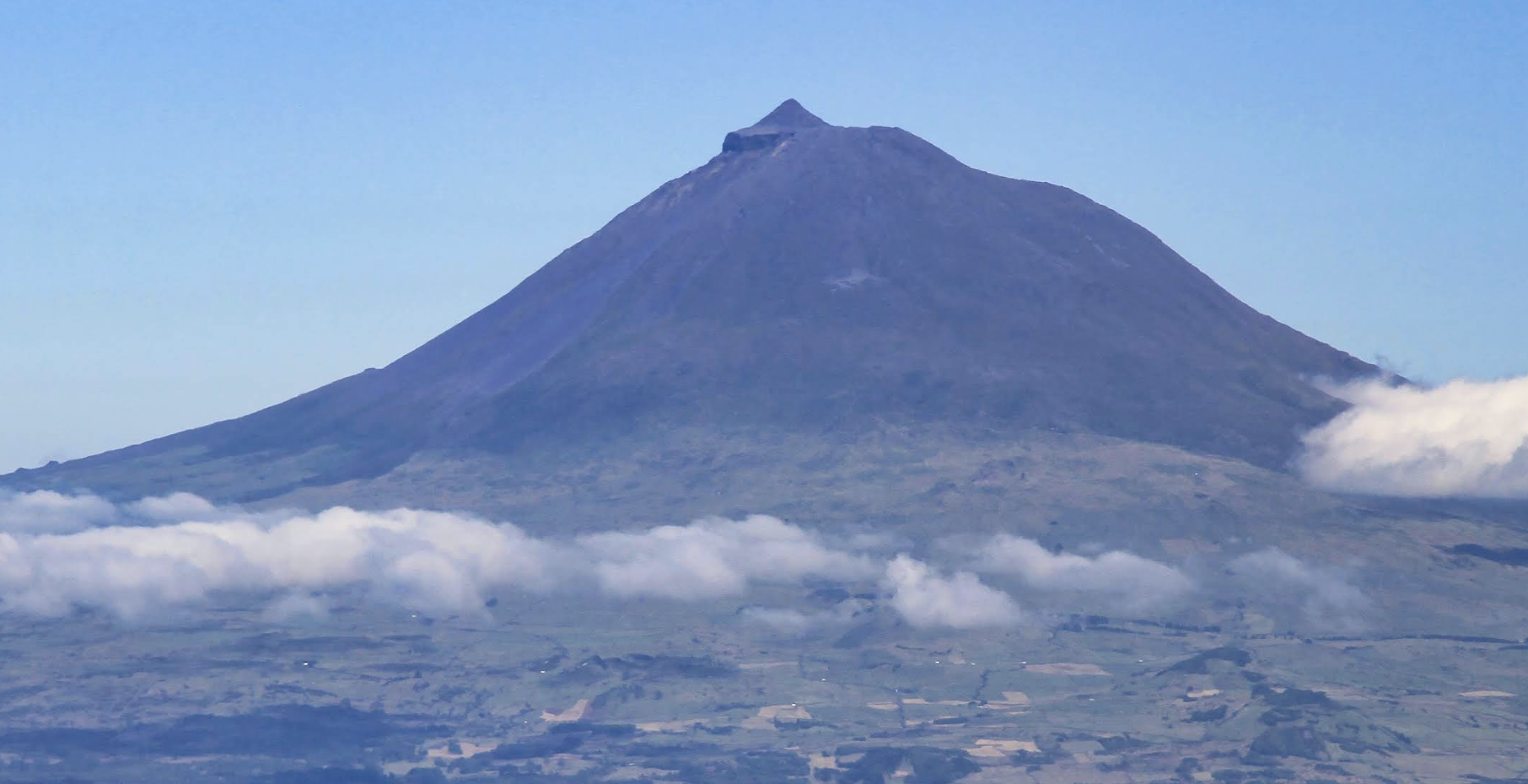
Pico is the second-largest island in the Azores and is renowned for its striking landscapes dominated by Mount Pico, the highest peak in Portugal. This imposing volcano, standing at 2,351 meters, casts its shadow over the island and offers a chance to conquer its summit. From the top the views are stunning, especially on a clear morning. You can see the Atlantic and neighboring islands, feels almost like top of the world. The island is characterized by a diverse range of landscapes, from volcanic craters and dense forests to the beautiful coastline. The contrast of greenery against the black volcanic soil creates a visual spectacle.
Pico Island is not only a haven for nature lovers but also a paradise for wine connoisseurs. The island’s vineyards, known as “currais,” are a UNESCO World Heritage Site and continue centuries-old winemaking traditions. The ingenious design of the currais, with low walls built of volcanic rock, protects the vines from the harsh winds, creating a unique microclimate ideal for cultivating the Verdelho grape.
Terceira – Lava Caves & Coastal Hikes
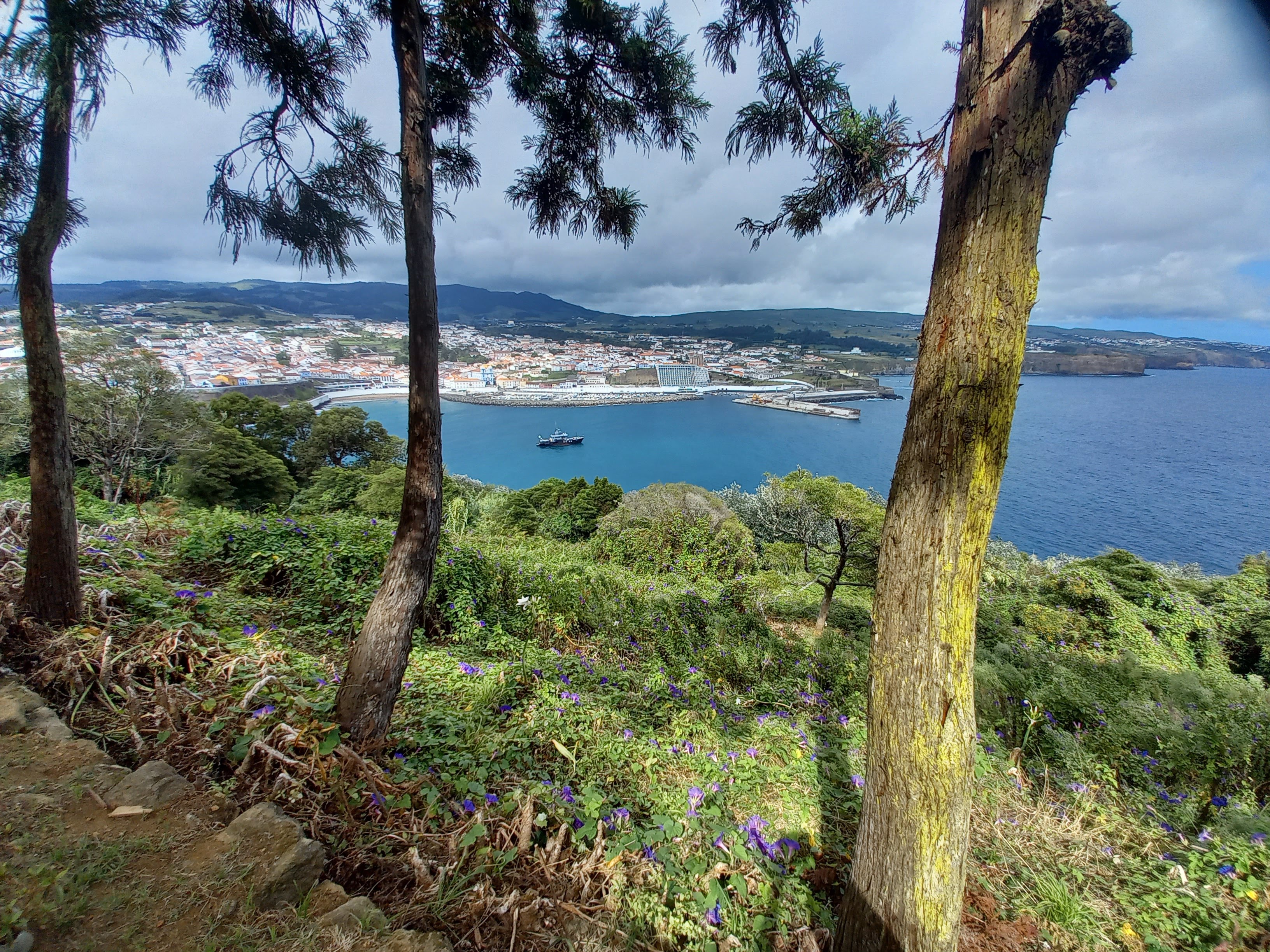
Terceira, meaning “third” in Portuguese, is the third-largest island in the Azores archipelago. Its diverse geography reminds us about its volcanic origins, featuring verdant pastures, rolling hills, and craters that punctuate the landscape. The island is known for its central mountain range, including the Serra de Santa Bárbara, which offers breathtaking panoramic views of the surrounding ocean.
Terceira’s history is directly linked to its architecture and landmarks. In the past the island had a huge importance in maritime exploration and trade. Angra do Heroísmo, the island’s capital, is a UNESCO World Heritage Site and a treasure of historical and cultural significance. Its well-preserved Renaissance and Baroque architecture, cobbled streets, and colorful houses create a charming environment.
Places you cannot miss in Terceira:
- Monte Brasil: Dominating the landscape near Angra do Heroísmo, this mount is an extinct volcano and home to Forte de São João Baptista. The fort, built in the 16th century, provides a glimpse into Terceira’s military history and offers stunning views of the bay.
- Algar do Carvão: A unique geological marvel, a volcanic chimney and cavern that allows visitors to descend into the heart of the earth. This underground experience gives you an insight into Terceira’s volcanic history.
- Gruta do Natal: a cave consisting of a lava tube with its extensive, straight and long passages. The walls, ground and ceiling have different colours and shapes, transforming the cave into a mystic place.
- Biscoitos: unique landscape of lava rock pools and vineyards. It is a picturesque coastal area where you will be able to explore natural rock formations while enjoying local wines.
- Serra do Cume: This elevated viewpoint offers a mesmerizing panoramic view of the island’s patchwork of green fields. It’s surely an ideal spot for photographers.
As all the other island Terceira offers an infinity of hiking trails. Check my dedicated posts about Terceira here.
Flores – Waterfalls & Wild Nature
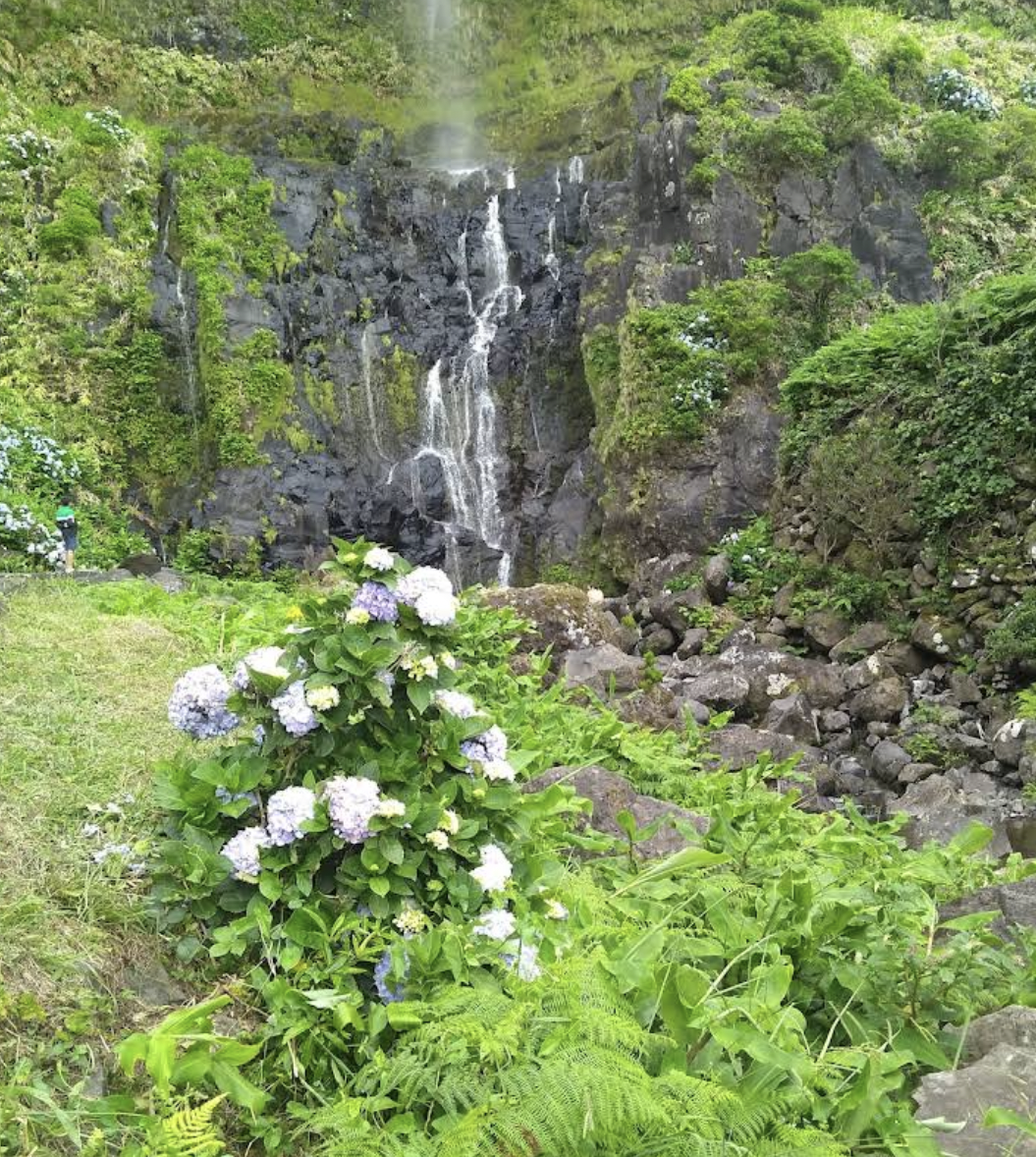
Flores, together with the island of Corvo, is situated on the North American Continental Plate of the Mid-Atlantic Ridge and belongs to the western group of islands in the Azores archipelago. Flores really is the essence of untouched natural beauty. With its greenery, flowers and cascading waterfalls it is truly a unique environment.
Flores was named after the abundance of flowers that grace its landscapes and it is one of the westernmost islands in the Azores archipelago. The island is characterized by mountainous terrain, cliffs, and verdant valleys that create a beautiful mosaic of colors. The Central Plateau, with its myriad lakes and rolling hills is a real highlight of the island.
When visiting Flores don’t miss:
- Lagoa Funda and Lagoa Rasa: These twin crater lakes, in the heart of the island, are true geological wonders of Flores. Surrounded by lush vegetation, the lakes offer a serene and picturesque setting for everyone in search of peace and connection with nature.
- Fajã Grande Waterfalls: there are numerous cascading waterfalls on the island and Fajã Grande is home to some of the most impressive ones.
- The Ribeira do Ferreiro waterfall, a majestic descent into the Atlantic.
- Rocha dos Bordões: This unique rock formation, resembling towering columns, reminds us well about Flores’ volcanic origins.
Corvo – Caldeirão & Remote Nature
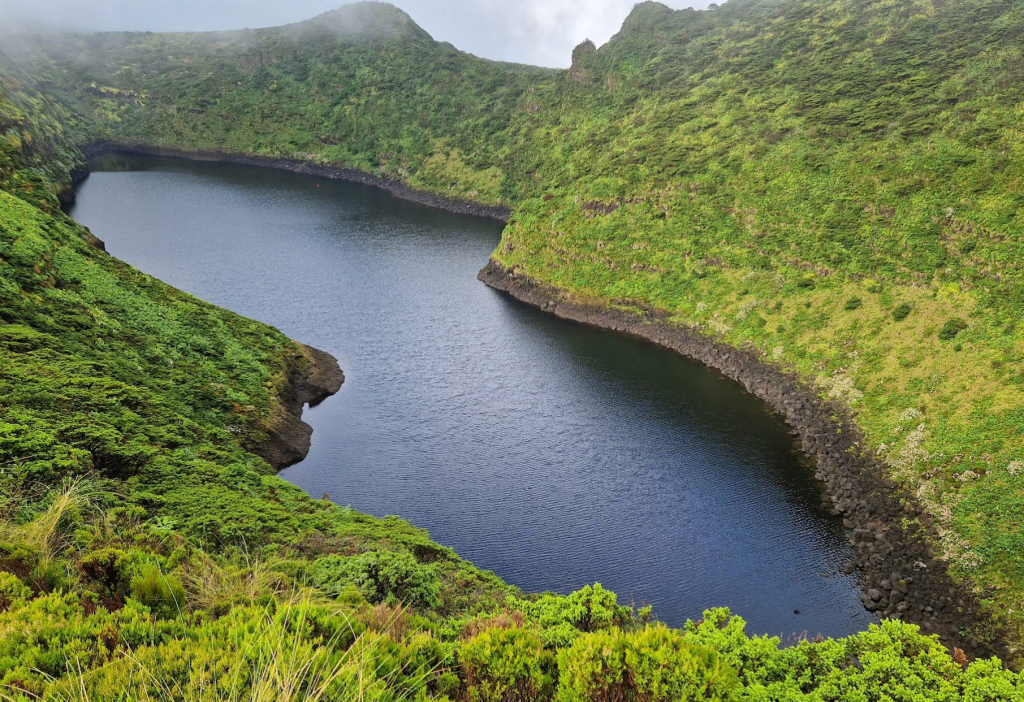
Corvo is the smallest island of the Azores. This little jewel is a heaven if you are looking for tranquility, natural beauty, and a deep connection to the Atlantic.
Corvo was named after the Portuguese word for “crow.” Despite its small size, the island boasts an incredible landscape characterized by green hills, rugged cliffs, and the caldera that serves as the centerpiece of the island. The Caldeirão, a massive volcanic crater, is home to beautiful villages and agricultural fields, creating a unique human settlement within the island’s volcanic embrace.
While visiting Corvo you must visit:
- Caldeirão: The heart of Corvo and a natural wonder. Its green interior is dotted with traditional houses, and from the viewpoint of Miradouro da Caldeira, you can admire the breathtaking expanse of this volcanic cauldron.
- Lagoa do Caldeirão: Situated within the Caldeirão. This serene crater lake surrounded by green vegetation is a perfect location for a relaxing day.
- Ponta do Marco: This picturesque cliff side location offers stunning views of the Atlantic Ocean and the coastline of Corvo. It’s an ideal spot for observing the island’s cliffs and the wild beauty of the ocean.
Curious about visiting Corvo? Stay tuned, I am preparing a detailed itinerary and if you want to start planning, check my guide from last year travel.
São Miguel – Lakes, Hot Springs & Hikes
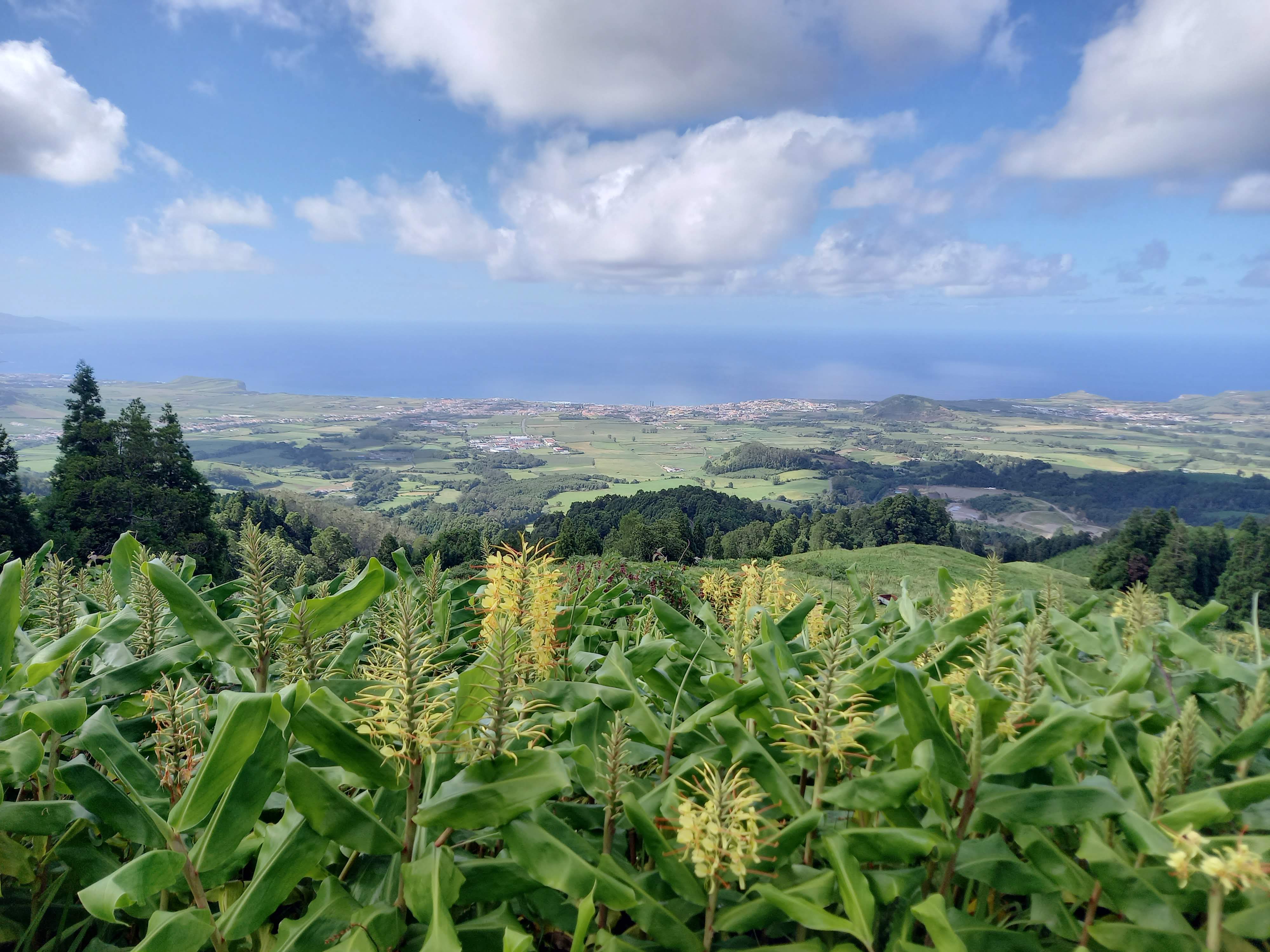
São Miguel is the largest and the most vivid among the Azores Islands. It offers a perfect mix of natural wonders, history, and unique cultural experiences. São Miguel is often called the “Green Island.” The moment you set foot on São Miguel, you’ll be greeted by hues of green, thanks to the diverse vegetation that covers the island. The terrain is of course shaped by volcanic activity, evident in its hot springs, calderas, and crater lakes.
There are several natural wonders that you cannot miss here:
Lagoa das Sete Cidades: One of the most iconic landmarks on the island. It’s a stunning twin lake located within the crater of a dormant volcano. The contrasting colors of the Blue and Green Lakes create a view that is nothing short of magical. The best place to admire it is from Vista do Rei viewpoint.
Furnas Valley – Boiling springs, fumaroles, and bubbling mud pots dot the landscape, creating an incredible atmosphere. Don’t miss the opportunity to taste the local dish “Cozido das Furnas,” a hearty stew cooked using the natural heat of the earth.
And of course there is more: São Miguel is really a perfect location for digital nomads of all ages. It’s also a main hub for getting to the Azores, still it’s not really crowded and there are plenty of hiking trails off the beaten touristy path. Stay tuned and don’t miss my suggested itinerary and if you want to discover more, check my last year post about the most interesting places to visit on São Miguel Island.
Santa Maria – Coastal Hikes and Hidden Coves
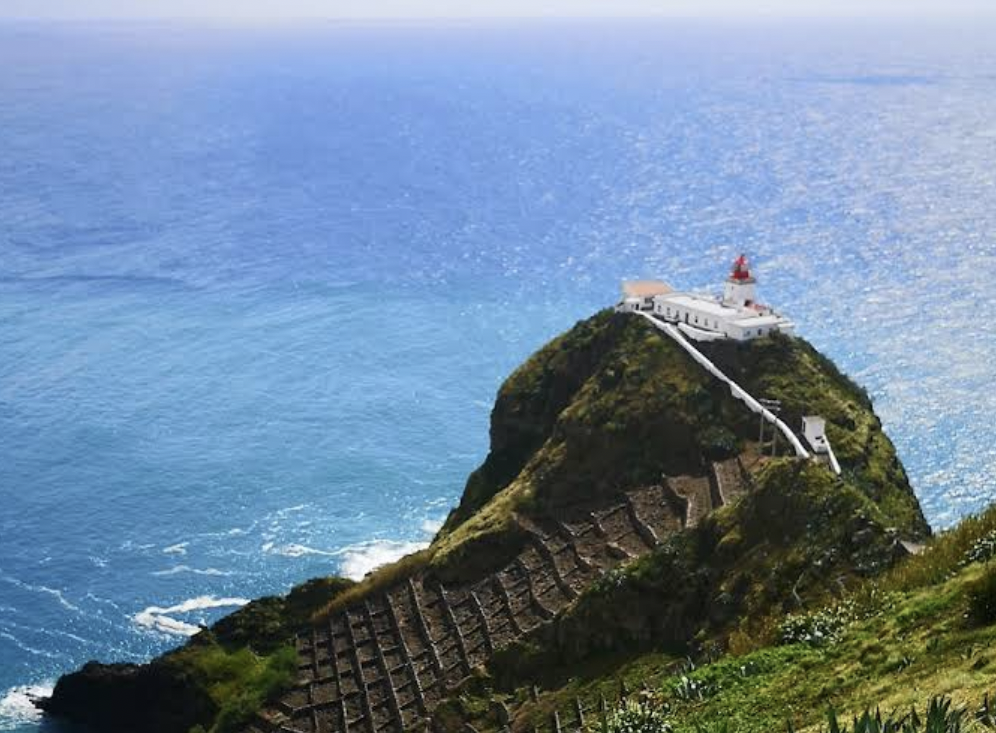
Santa Maria is the southernmost island of the Azores and is known for its warmer climate, sandy beaches, and more arid landscapes compared to the other volcanic islands. Relaxed atmosphere, charming villages, and a mix of geological and cultural attractions.
Must-see places include the beautiful Praia Formosa, the only long sandy beach in the Azores, perfect for swimming and sunbathing. The striking Barreiro da Faneca, often called the “Red Desert,” offers a unique clay landscape unlike anything else in the archipelago. Don’t miss Pico Alto, the island’s highest point, for panoramic views, or the picturesque village of Vila do Porto, the oldest settlement in the Azores, rich in history and local culture.
Curious about visiting the Azores? Check my other posts about these incredible islands and stay tuned as soon I’ll be sharing more detailed itineraries, new hiking guides and other tips that will help you to plan your journey.
 Nomadlytics
Leave a comment