
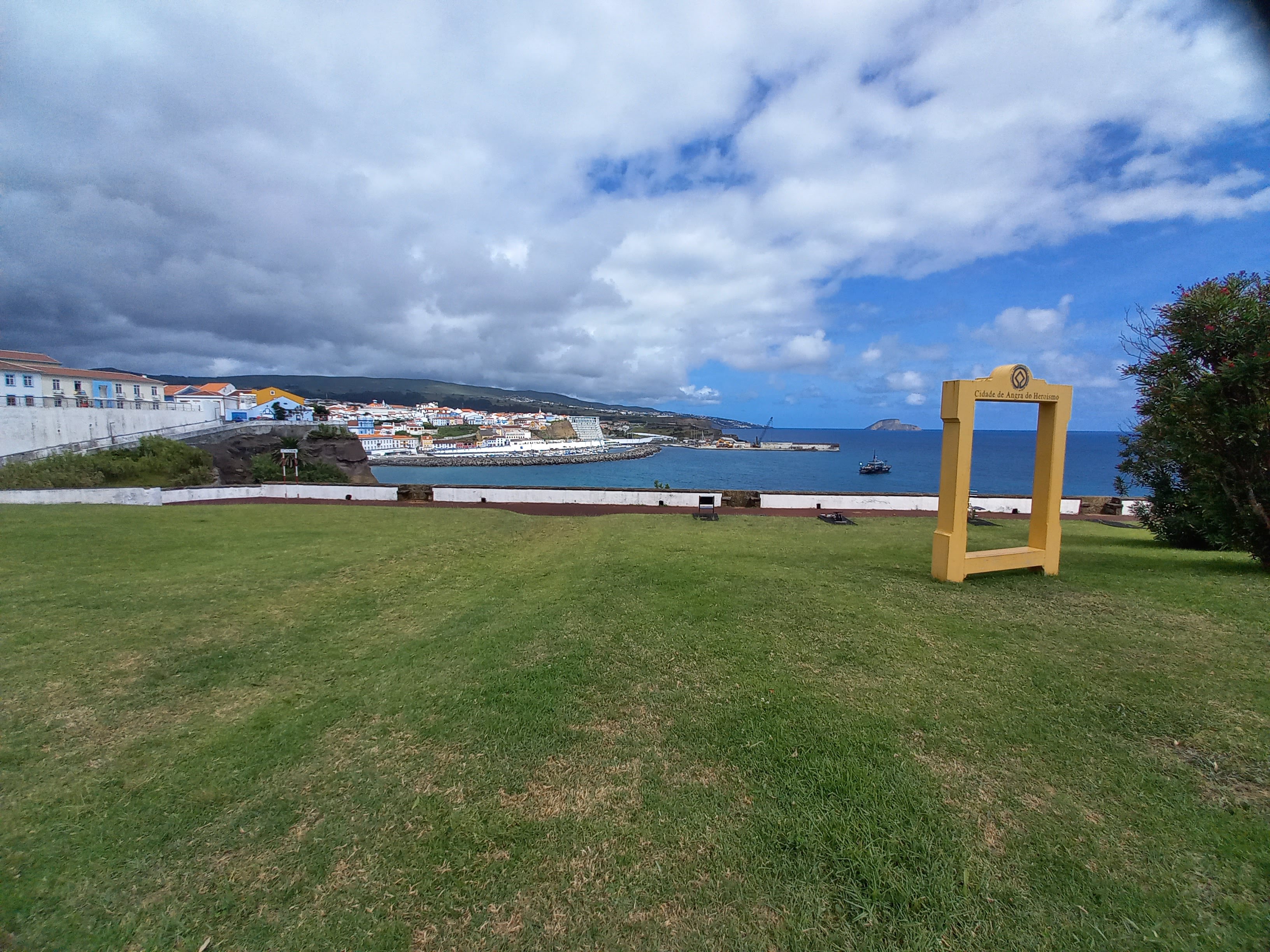
If you’re searching for a destination in Europe that still feels wild and untouched, Terceira in the Azores deserves your attention. This volcanic island offers a rare combination of dramatic landscapes, world-class hiking trails, and rich cultural heritage. One moment you’re wandering through a UNESCO-listed town, the next you’re hiking across ancient lava fields or descending into a volcanic chimney. This guide is designed as a detailed 7-day Terceira Island itinerary, with a strong focus on hiking and practical travel tips. Simply, all you need to start packing your bags and buying your ticket.
How to Get to Terceira Island?
Reaching Terceira is easier than its remote location might suggest. The island is served by Lajes Airport, which connects regularly to mainland Portugal and, seasonally, to North America.
Most travelers from Europe will pass through Lisbon. From there, a direct flight of about two and a half hours takes you across the Atlantic into a completely different landscape. Once you land, renting a car is not just recommended—it’s essential. The island’s best hiking trails, viewpoints, and natural wonders are scattered across rural areas where public transport barely reaches. Driving is easy, distances are short, and the freedom to explore at your own pace makes all the difference. If you don’t like or cannot drive, you could use public transport between the main locations and taxi service for the remote places.
Accommodation
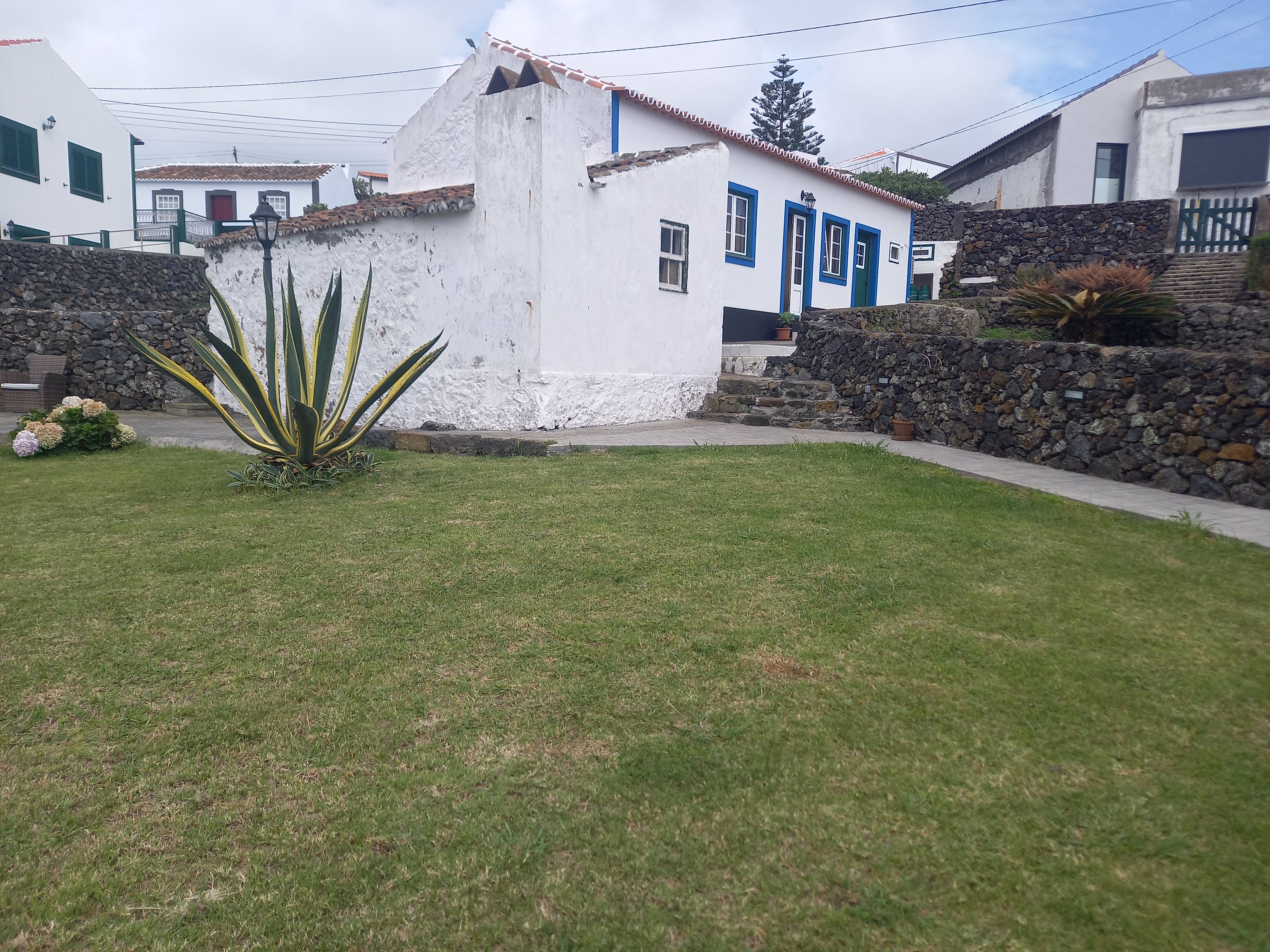
Choosing the right accommodation can transform your experience on Terceira. The island offers a range of places that combine comfort with extraordinary views—whether over the Atlantic Ocean, volcanic landscapes, or vineyard-covered slopes.
The elegant Terceira Mar Hotel sits just outside Angra do Heroísmo and is one of the most sought-after stays on the island. Its infinity pool seems to melt into the Atlantic, and sunset here feels like a daily event. Rooms are spacious, many with balconies facing the sea, and the location allows you to walk into town while still enjoying a peaceful setting.
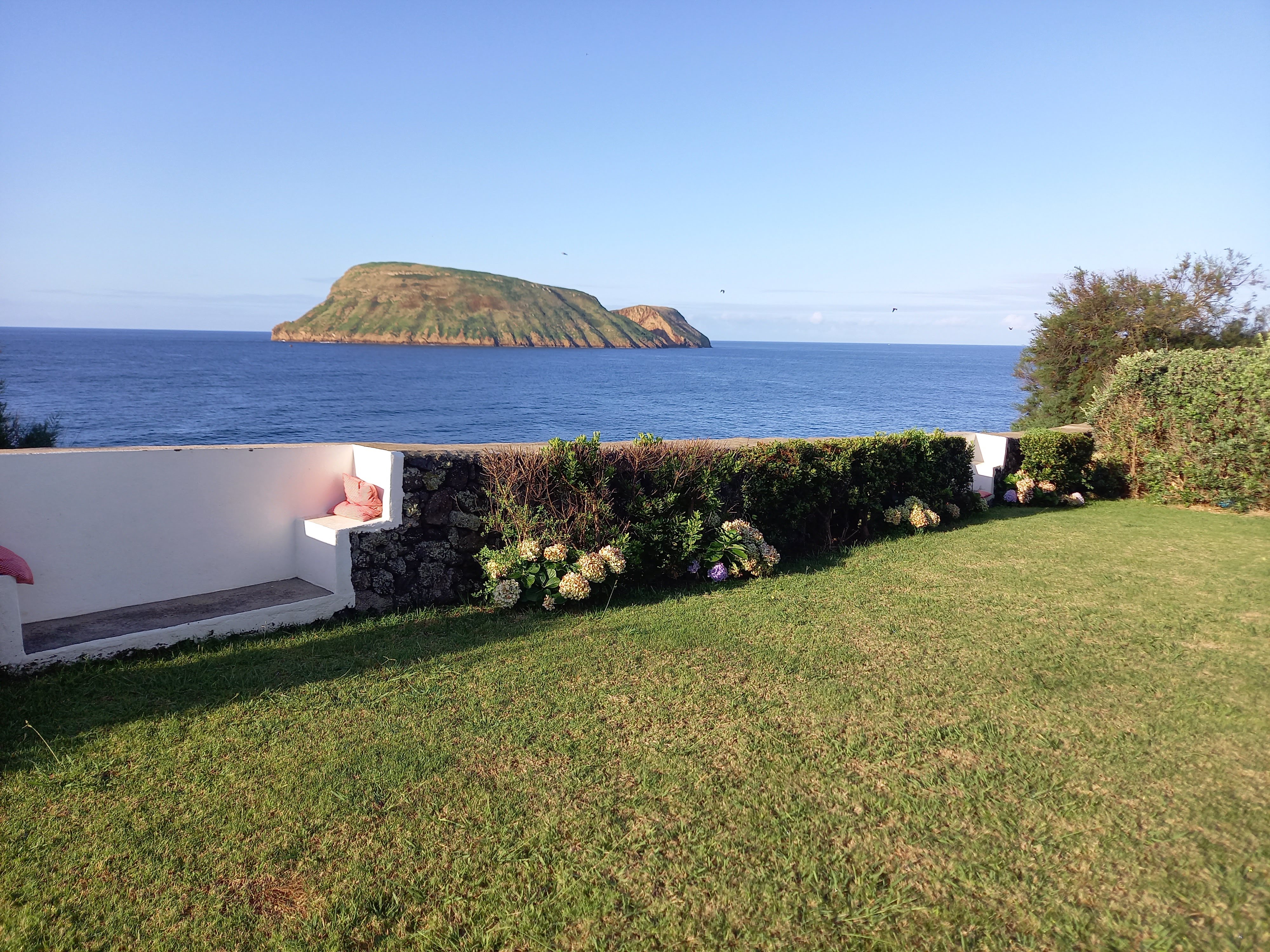
A great choice is also Quintinha da Chinela in Porto Judeu. Surrounded by gardens and old stone walls, this traditional cottage is perfect if you are looking for tranquillity and beautiful ocean views. It’s also much more authentic and located off the beaten tourist path. You still can reach Angra by car in just 15 minutes and you will enjoy the ocean sound in the evening.
Day 1: Discovering Angra do Heroísmo
Your journey begins in Angra do Heroísmo, a UNESCO World Heritage Site that immediately sets the tone for your trip. Unlike many volcanic islands, Terceira offers not just nature but also a deep historical layer, and Angra is at its heart. Here you will walk through pastel-colored buildings, cobbled roads, small squares and viewpoints overlooking the harbor. The city played a crucial role during the age of exploration, serving as a strategic stop for ships crossing the Atlantic.
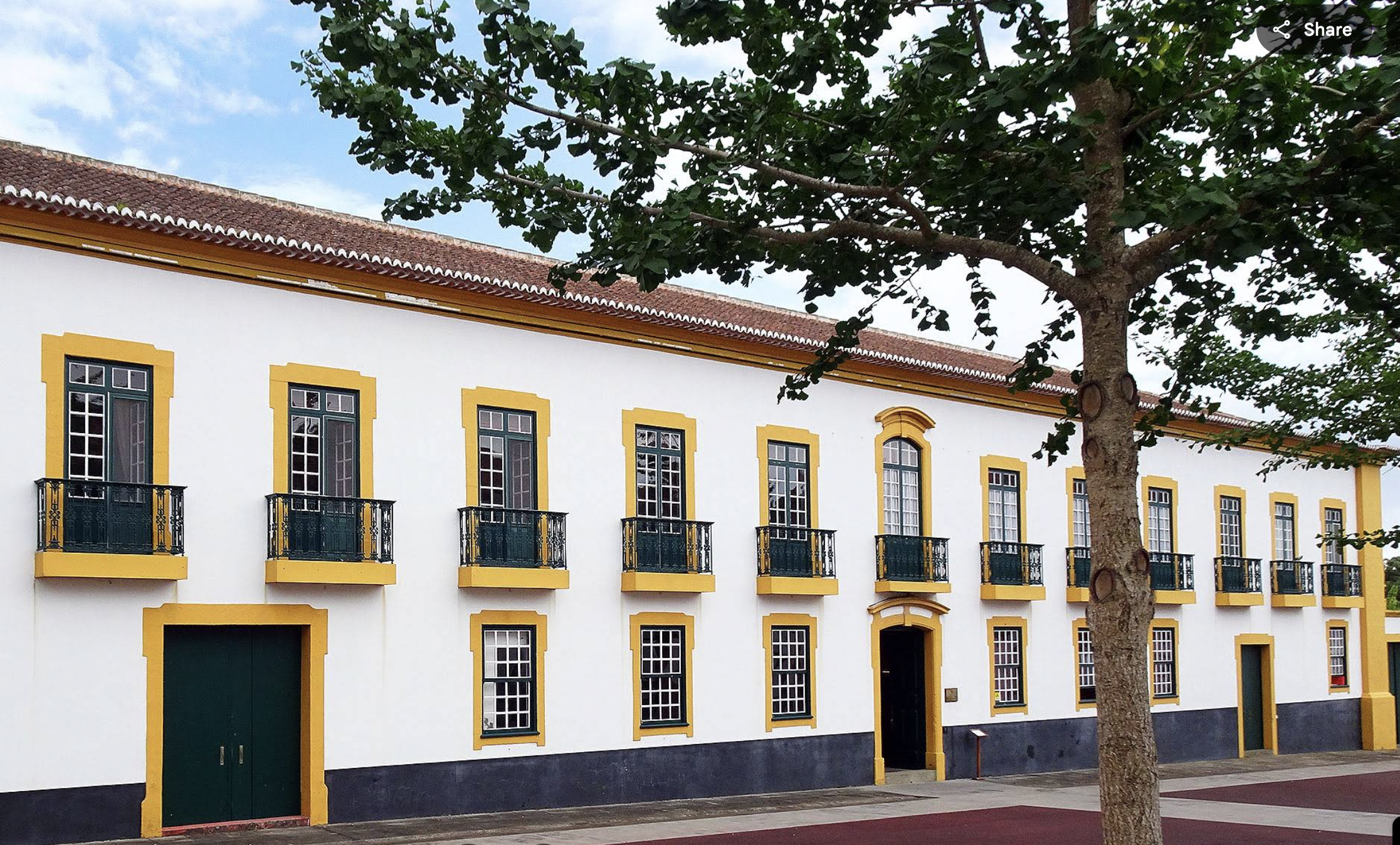
It’s really worth to visit Museu de Angra do Heroísmo, located in a former convent. It is the main museum of the island and gives a great overview of Terceira’s maritime history, volcanic origins, and role in Atlantic trade routes. Just nearby, you will find Palácio dos Capitães-Generais – the right place if you want to find out more about the island’s administrative past. The visit of beautifully preserved rooms and historical exhibits is possible only on a short guided tour and it costs 3 EUR.
While visiting Angra, find some time to enjoy a delicious meal. When it comes to food, Angra is one of the best places on the island to try traditional Azorean cuisine. A great option is Beira Mar, located right by the sea in São Mateus. It’s well known for its fresh fish, octopus, and classic island dishes like alcatra (a slow-cooked beef stew, typical of Terceira). The portions are generous, the setting is simple but authentic, and it’s a great place to try local flavours.
Day 2: Monte Brasil Hiking Trail
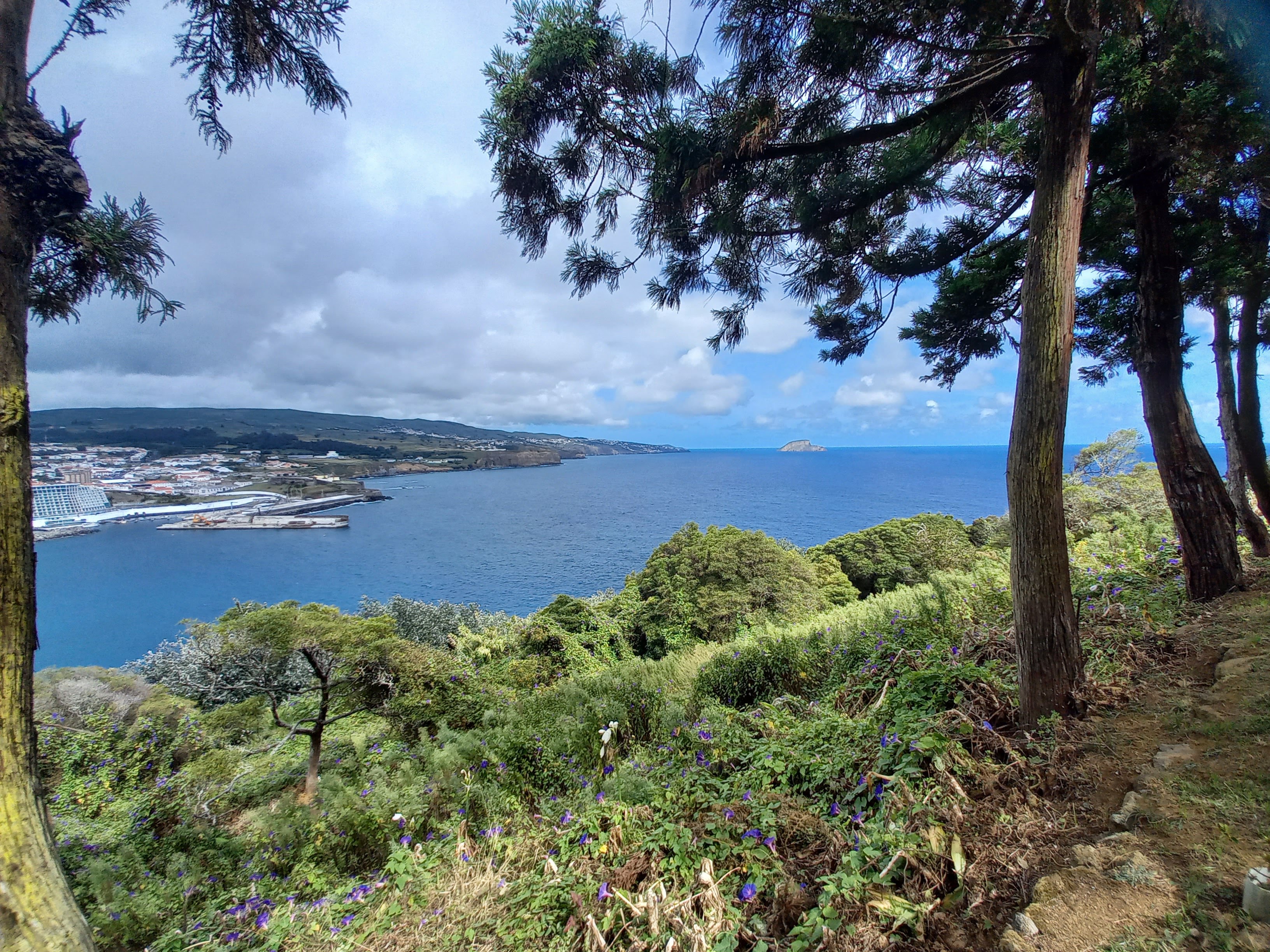
To ease into hiking on Terceira, spend your second day exploring the trails of Monte Brasil. Dominating the landscape near Angra do Heroísmo, Monte Brasil is an extinct volcano and home to Forte de São João Baptista. The fort, built in the 16th century, provides a glimpse into Terceira’s military history and offers stunning views of the bay. The fort itself is not accessible if not on a guided tour. At the official website of the museum you can find more information and book your guided visit.
If you don’t want to visit the fort on a guided tour, you still can walk around it and see it from outside. If you follow the little road between the old walls and the military fort, you will get you to the path that goes to the top of Mount Brasil. This circular route is one of the most accessible on the island, yet it delivers remarkable variety. It’s not a demanding walk and you will enjoy a nice view of the city, encounter with the local cats colony and simply spend some time in the nature but super close to Angra. If you travel with kids, they will definitely enjoy the ocean view playground just beneath the Mountain.
Day 3: Volcanic Wonders:
Algar do Carvão and Furnas do Enxofre
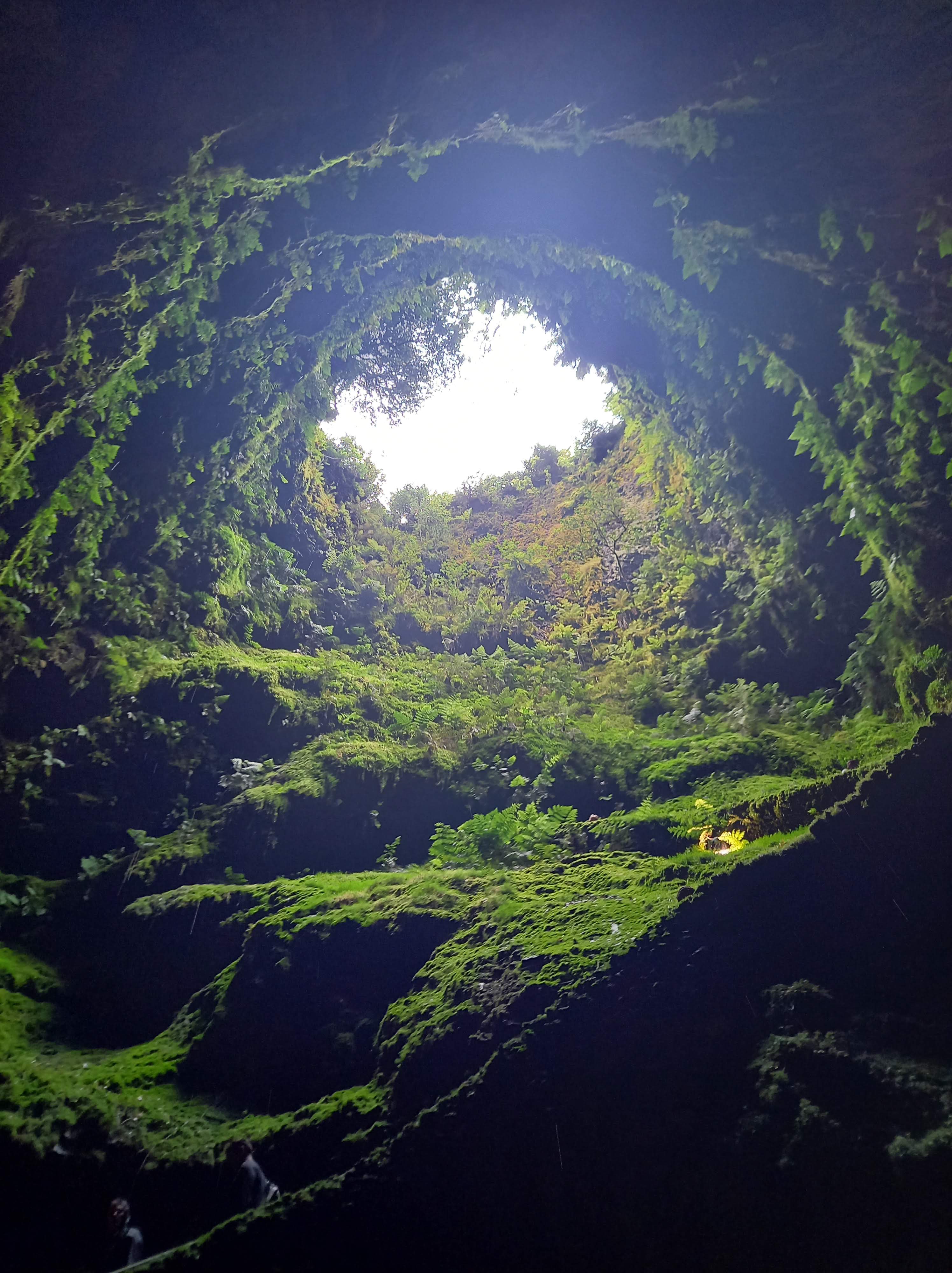
Terceira’s volcanic nature becomes impossible to ignore when you visit Algar do Carvão. Unlike most volcanoes, this one allows you to descend inside. Walking down into the earth, you pass through layers of rock formed by ancient eruptions. The interior opens into a vast chamber where light filters in from above, illuminating moss-covered walls and, at certain times of year, a small underground lake. It’s one of the most unique geological experiences in the Azores.
Nearby, Furnas do Enxofre offers a completely different perspective on volcanic activity. Here, steam rises from the ground, and the smell of sulfur lingers in the air. The landscape feels alive, constantly shifting beneath your feet.
These two extraordinary places are connected by a short (6km) and circular hike. The trail starts at the Algar do Carvão car park and follows old forest paths through native vegetation and recovering landscapes. Along the way, it climbs the central plateau, passing scenic viewpoints over volcanic peaks, wetlands, and geothermal areas, with occasional views toward Pico and São Jorge on clear days. Finally a little detour (follow the signs) to the Furnas do Enxofre fumarole field, where you can see active volcanic gases escaping from the ground. The return section crosses meadows and hilltops with wide panoramic views over the island’s central caldera. The route then descends through restored native vegetation back to the Algar do Carvão parking area.
Day 4: The Wild Heart of Terceira:
Mistérios Negros Trail
The Mistérios Negros trail is one of the most atmospheric hikes on Terceira. It is set within the protected landscapes of Serra de Santa Bárbara and it feels like walking through a raw volcanic world shaped by ancient eruptions and dense native forest.
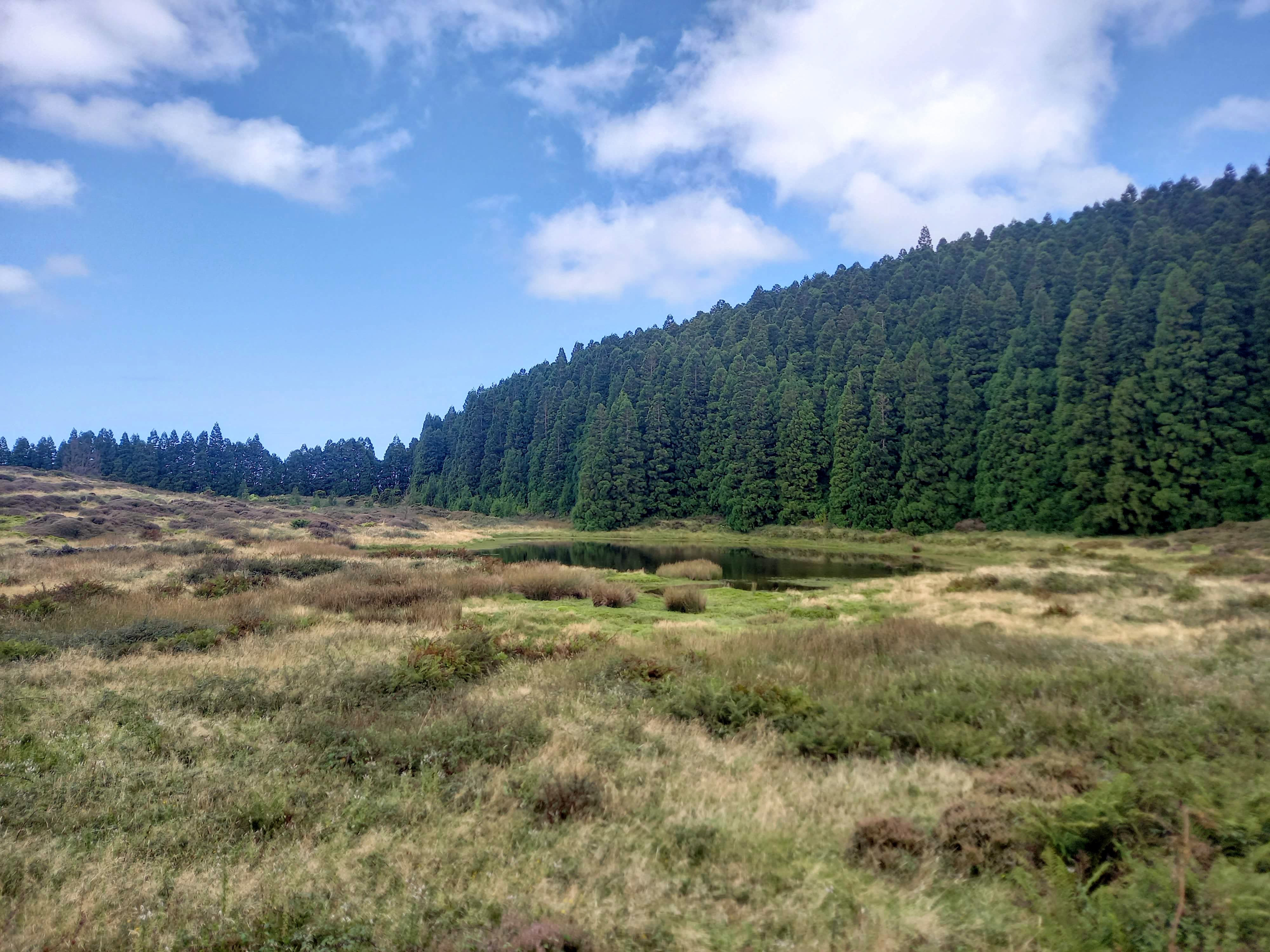
The circular route starts near Lagoa do Negro, close to the visitor area of Gruta do Natal. As most of the trails, also this one is very well signaled: just look for signs PRC01TER. From the beginning, the trail leads you along a quiet path bordered by lush vegetation, including Japanese cedar and common heather. Very quickly, the scenery opens into pastureland, where you pass old water tanks and enter a more natural section of the trail.
Here the landscape changes completely. The path becomes narrower and surrounded by endemic Azorean flora such as Azorean heather, juniper, blueberry, and native Cape myrtle. It’s a reminder of how unique and fragile this ecosystem is. After a short walk you reach the Lagoinhas do Vale Fundo, a set of small lakes hidden in the forest. Only one of them holds water year-round and serves as an important resting point for migratory birds.
Further along, the terrain becomes more volcanic. You walk across black trachytic domes—remnants of past eruptions, including activity from 1761—where vegetation becomes sparse and the landscape feels almost lunar.
At the highest point of the trail, you’re rewarded with wide views over the island’s interior, including Pico Gordo and Pico do Gaspar. From here, the route descends through forested areas of Japanese cedar mixed with open pastures.
Before completing the loop, there is an optional detour to Pico Gaspar, a peaceful area rich in endemic plants and worth the short extra effort.
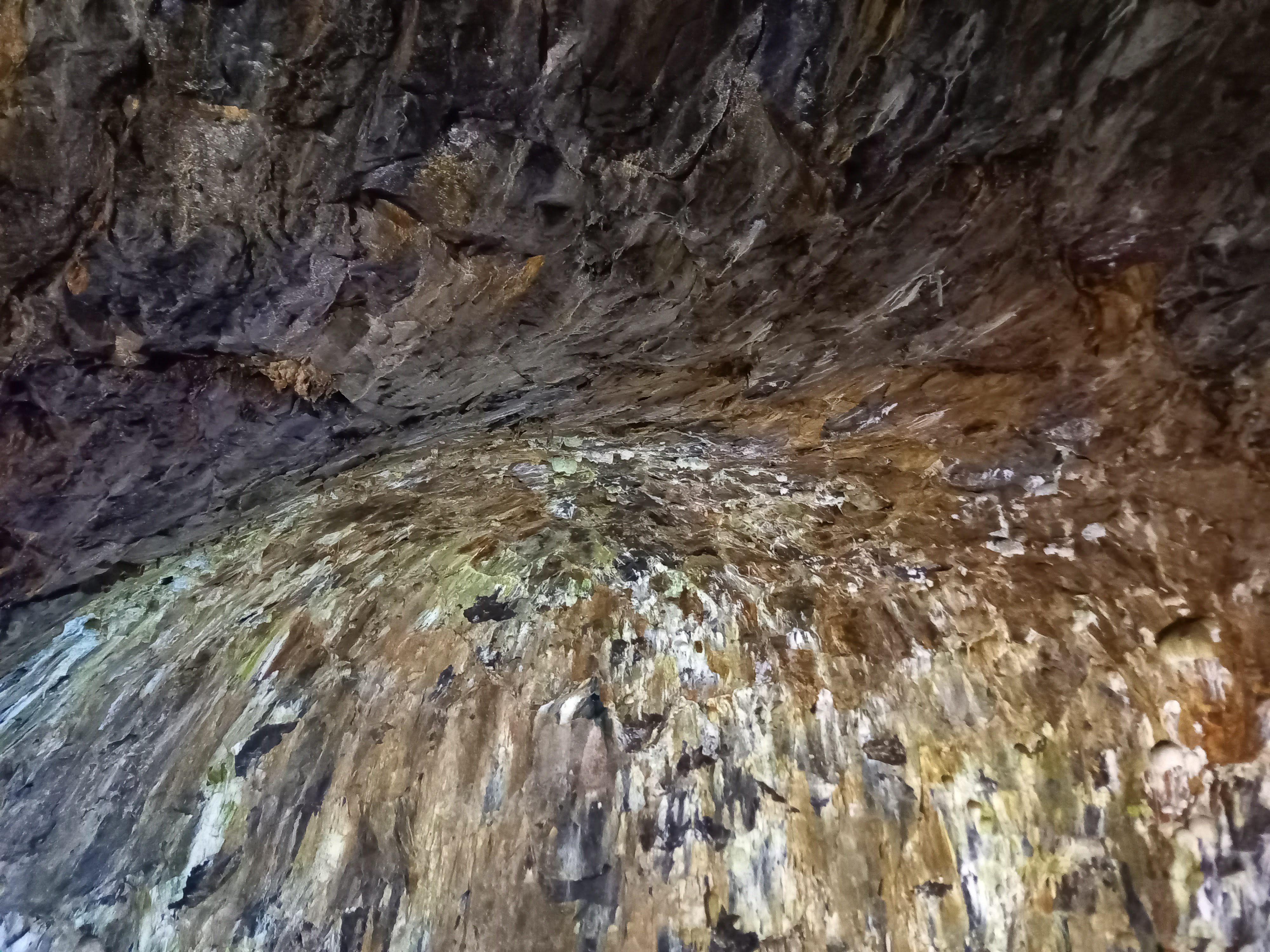
The trail eventually returns to the starting point, where you can also visit the nearby Gruta do Natal, a 697-meter-long lava tube that adds a final geological highlight to the experience. It’s a cave consisting of a lava tube and it is a wonder for its extensive, straight, long passages. The walls, ground and ceiling have different colors and shapes, transforming the cave into a mystic place.
It’s worth buying a combine ticket to visit Gruta do Natal and Algar do Carvao, you don’t have to do it on the same day although they are in the same area. You may find more information and the opening hours (very important as often they change) on the official website.
Day 5 Relax in between the hikes
If you’re looking for a relaxed but varied day, this combination of a natural pool morning and a beach afternoon is hard to beat. It’s simple, scenic, and gives you two very different sides of the island.
Start your day at Piscina Natural do Refugo, one of the best natural pools in Terceira. Located on the southeast coast, this volcanic rock pool offers calm, crystal-clear water protected from the open Atlantic. Early morning is the perfect time to be here—fewer people, softer light, and often the calmest sea conditions.
Take your time: swim, relax on the lava rocks, and enjoy the contrast between the dark volcanic landscape and the deep blue ocean. It’s also a great spot for light snorkeling when conditions are right. If you’re searching for natural pools in Terceira Azores, this is one of the most scenic and peaceful options.
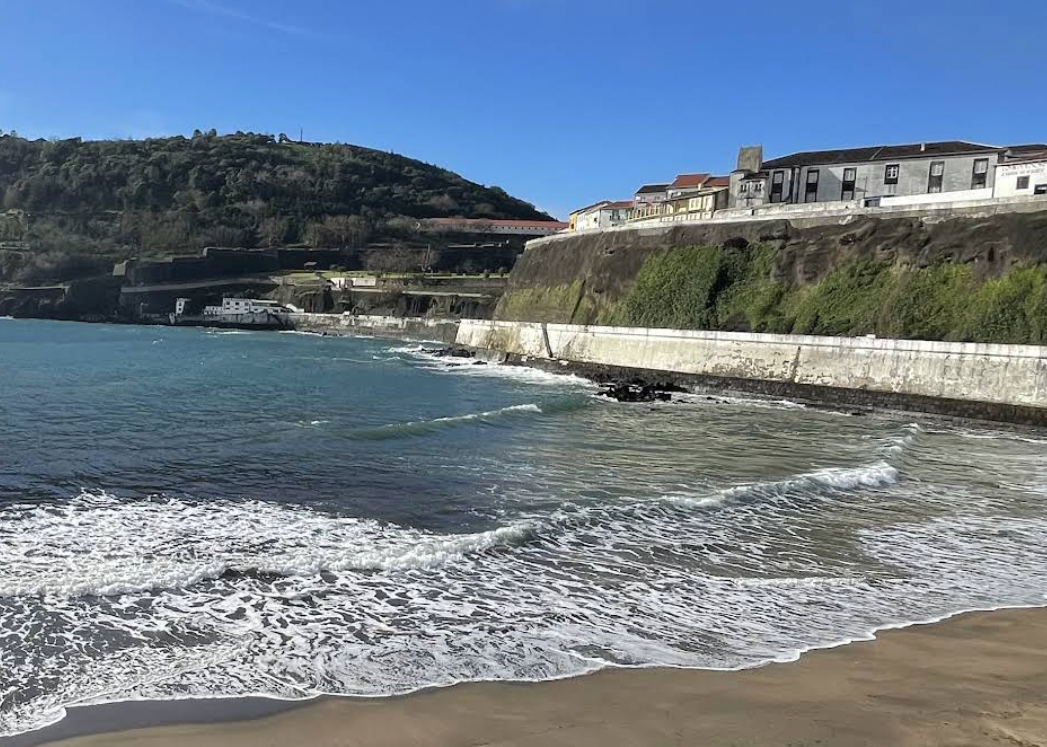
Around lunchtime, make your way to Prainha, on the east side of the island. The drive is short and easy, and the change of scenery is immediate. Unlike most of the Azores, Prainha offers a proper sandy beach, something quite rare in the archipelago.
You can also spend the afternoon at Praia Grande, the island’s main beach. Here you’ll find calm waters, soft sand, and a much more laid-back, beach-town atmosphere. It’s ideal if you want a different kind of swim, a walk along the promenade, or just a few hours of doing nothing in the sun.
There are plenty of cafés and restaurants along the waterfront, making it an easy place to stop for lunch or a drink with a view over the bay. To wrap up the day, take a short walk along the marina or simply enjoy the late afternoon light over the ocean.
This combination—natural pools in the morning and a sandy beach in the afternoon—is one of the best ways to experience the diversity of Terceira in a single day and recharge before your next hike.
Day 6: Ponta das Contendas to São Sebastião – coastal forts and ocean views
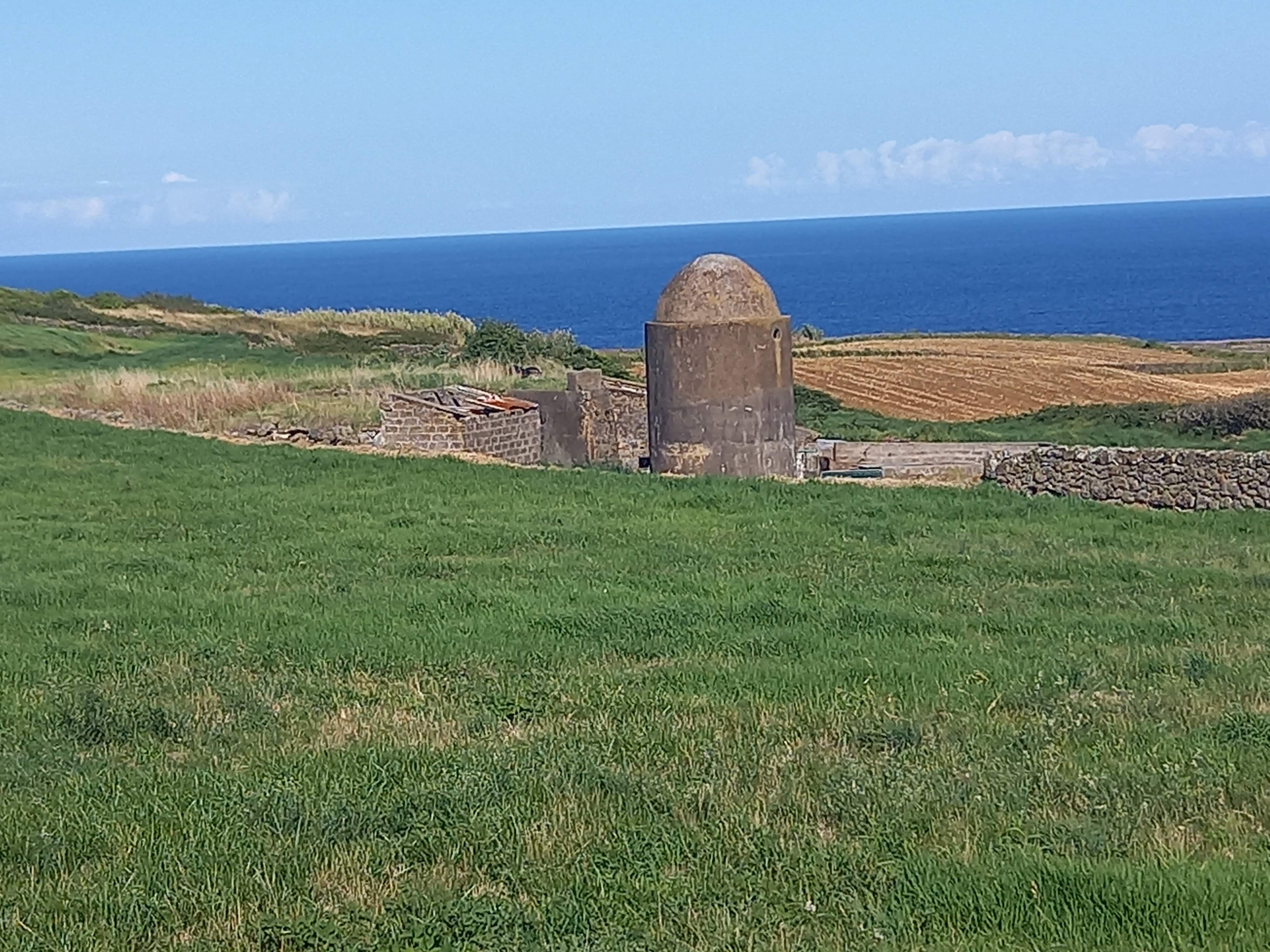
Lets’ check one of the coastal trails. These paths, along the island’s edges, reveal cliffs plunging into the ocean, waves crashing against black volcanic rock, and endless views across the Atlantic.
I chose the scenic PR05TER trail that developes on the volcanic massif of Cinco Picos and takes you along the southeast coast of Terceira, combining ocean views, historical forts, and quiet rural landscapes, before finishing in the charming village of São Sebastião.
The trail starts along the main road heading towards Ponta das Contendas. After a little detour to the right, the landscape opens up to views of the Contendas lighthouse and the offshore islet of Ilhéu das Cabras. From here, a descending path leads you to some of the route’s historical highlights: the forts of Greta and Santa Catarina das Mós, both dating back to the late 16th century. The viewpoint over Baía da Mina is especially impressive, and on good days you can even spot surfers below riding the Atlantic swells.
Back on the main road, the route continues past greenhouses and agricultural land. Near Pico dos Cernos, the trail turns again through a quieter, tree-lined section before descending to another historical site: Forte do Bom Jesus, built in 1644. This spot also overlooks Baía da Mina and offers one of the best panoramic views of the coastline.
From here, the trail loops back and heads through a small woodland area dominated by Azorean heather. The route then descends into open pastureland, with cliffs on one side and willow trees on the other, and sweeping views back toward the Mina islets.
As you continue, the landscape shifts again—willows give way to tall reeds and rural dirt tracks crossing farmland and grazing areas. A short detour leads to a viewpoint overlooking the São Sebastião coastline, a great place to pause before the final stretch.
The trail then rejoins the main road, continuing close to the sea until reaching Forte do Pesqueiro dos Meninos, another 16th-century defensive structure with a beautiful ocean backdrop. From here, the path climbs gently inland, passing an old restored watermill and the Arrabalde area, where a small stream once shaped local life.
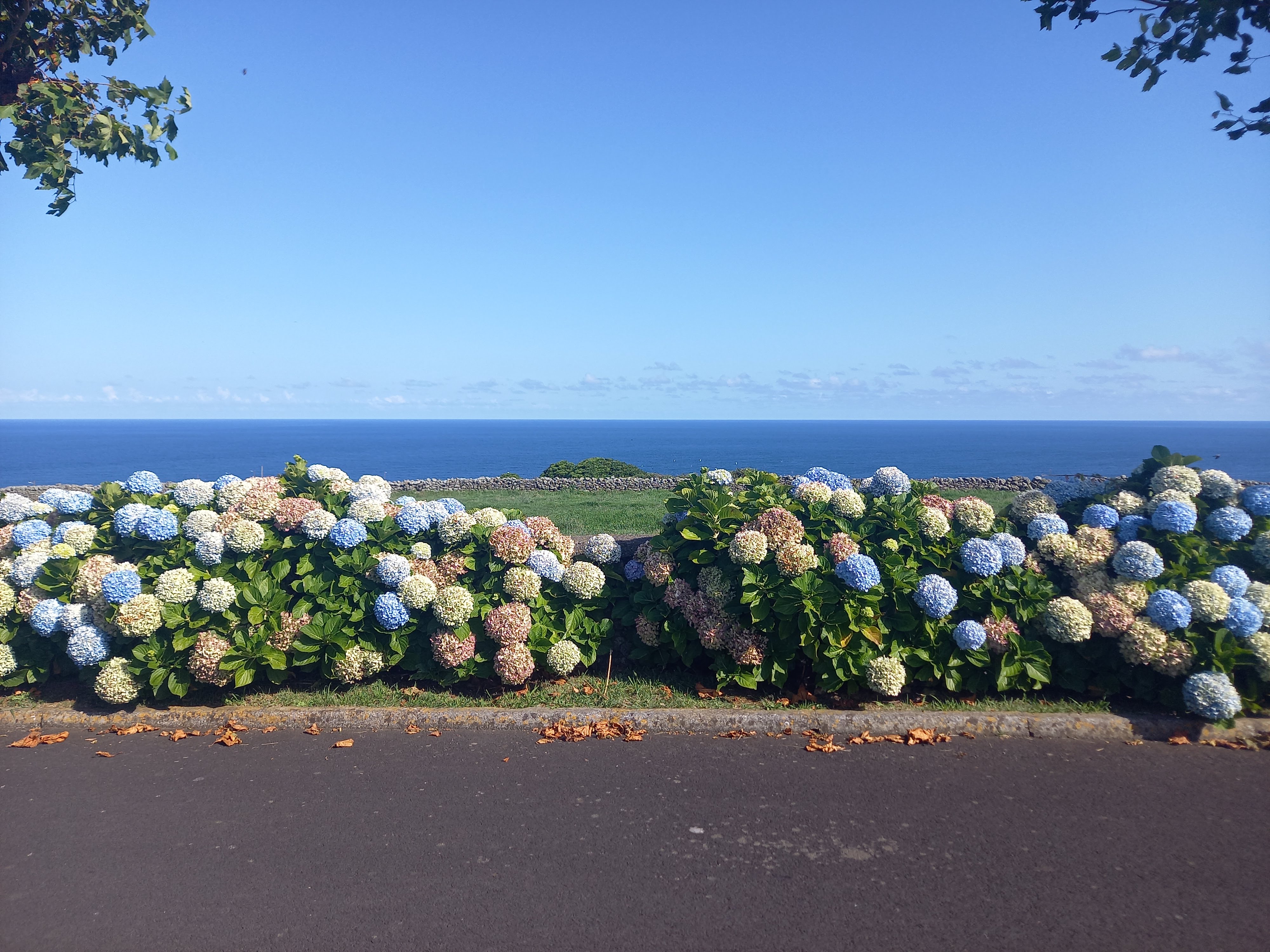
Finally, you enter the village of São Sebastião itself. The route passes several cultural landmarks, including the chapel of Nossa Senhora da Graça, Largo da Fonte, and the chapel of Sant’Ana. The walk ends in the main square, a fitting finish to a trail that combines coastline, history, and rural Azorean life in one experience. From here, you can walk back or call a taxi. The trail is 6km long one way but it’s relatively easy so you can easily walk back after a deserved break in São Sebastião.
The hiking trails on the Azores islands are usually super well marked and the info boards are available at the trail heads. I advice you to check the Visit Azores website and download the trail description together with a map and GPS coordination. Remember that the weather can change quickly so always bring some waterproof gear.
Day 7: Biscoitos and Natural Pools
Your final day should be less about hiking and more about absorbing the atmosphere of Terceira. Head to Biscoitos, a region known for its volcanic vineyards and natural swimming pools. The pools, formed by solidified lava, create sheltered areas where the ocean flows in and out. Spend at least half a day swimming surrounded by dark rock, with waves breaking just beyond the edges.
The vineyards add another layer to the landscape. Protected by low stone walls, they thrive in the volcanic soil, producing wines that are deeply tied to the island’s identity. If you wish, you can visit one of the local producers and taste the local wine. It’s a perfect way to end your week: not with effort, but with relaxation.
Why Terceira?
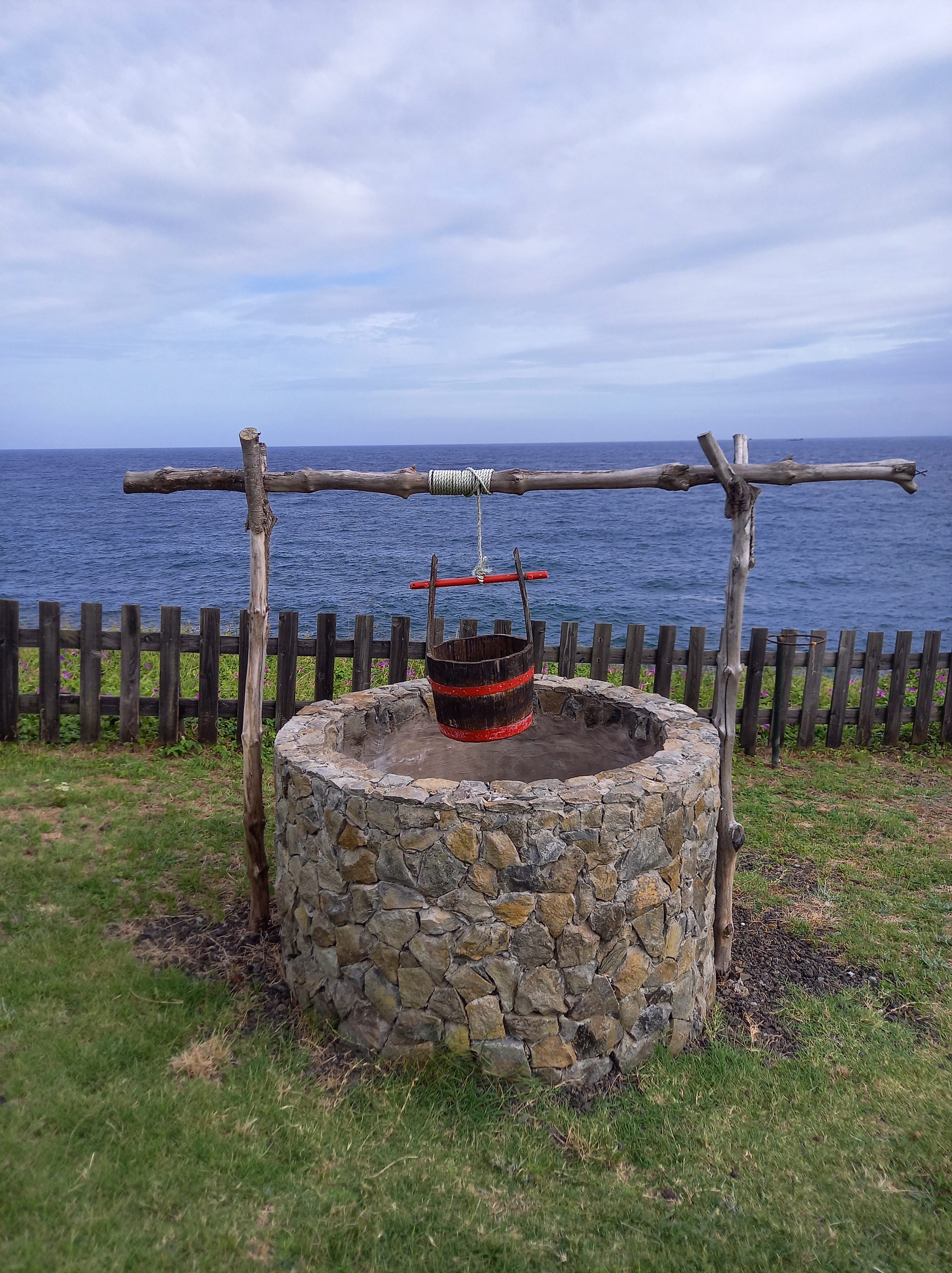
What sets Terceira apart is not just the quality of its hiking trails, but their diversity. In a single week, you can experience forests, volcanic craters, coastal cliffs, and geothermal fields—all within short driving distances.
Trails are rarely crowded and nature remains the dominant force. For travelers who value authenticity and exploration, Terceira offers something increasingly rare in Europe. A week on Terceira Island strikes the perfect balance. It gives you enough time to explore its most iconic hikes, discover its cultural heritage, and still enjoy moments of rest by the ocean.


Leave a comment