
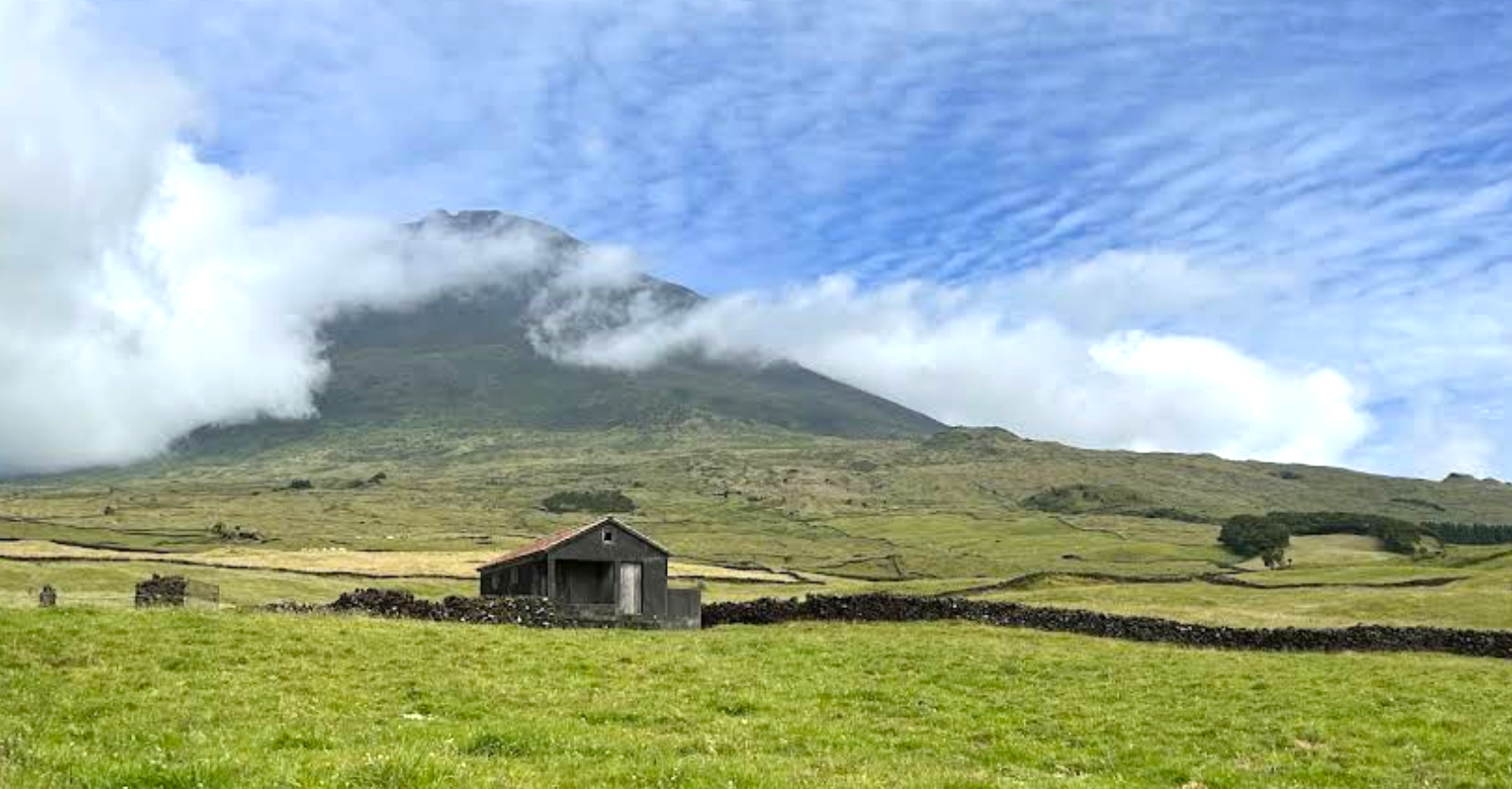
Rising from the Atlantic, Pico Island feels like a destination shaped as much by fire as by time. Dominated by Portugal’s highest peak, Mount Pico, the island is a paradise for hikers who crave raw landscapes—lava fields, misty forests, coastal cliffs, and vineyards carved from black basalt. But beyond its trails, Pico offers also a rich cultural layer in its villages, traditions, and wine heritage.
Why Pico is a hiker’s dream
Unlike the green island of São Miguel, Pico is rugged. Trails wind through UNESCO-listed vineyards, climb volcanic cones, and hug wild coastlines where the ocean is never far away. The terrain varies constantly, making each hike feel like a new discovery.
A 7-Day Hiking & Culture Itinerary on Pico Island
Here comes your 7 day itinerary focused on hiking but no worries, I also included some relaxing spots and easy walk to catch your breath.
Day 1: Arrival in Madalena & Wine Heritage
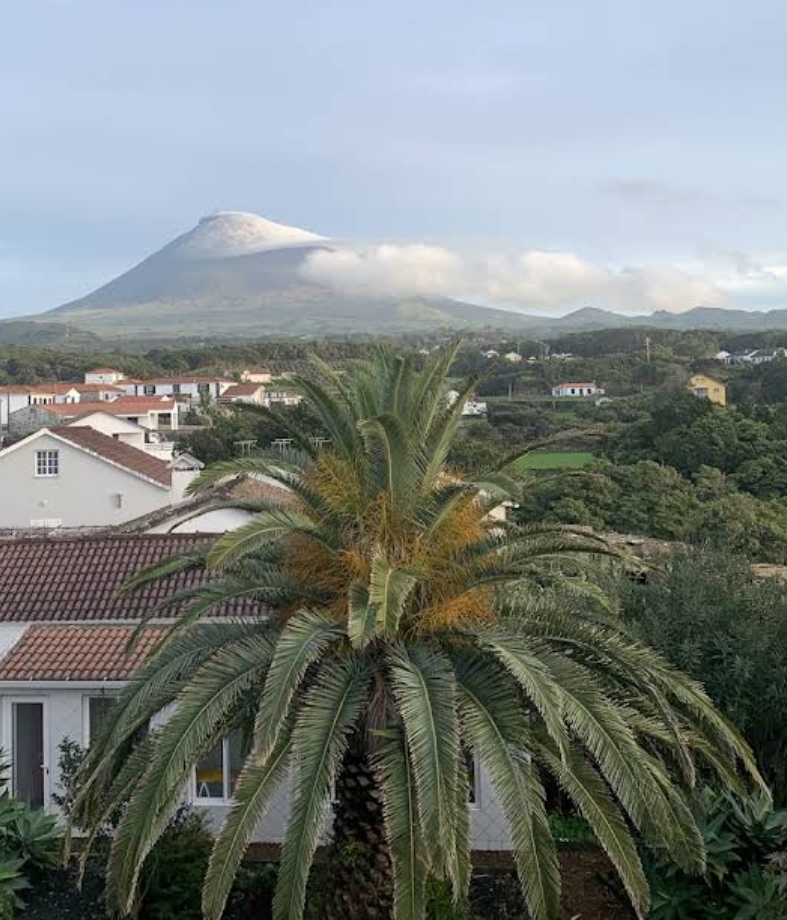
Arrive in Madalena and ease into island life with a walk through the Paisagem da Cultura da Vinha da Ilha do Pico. These intricate stone-walled vineyards, built from lava rock, are beautiful and ingenious. Visit the Museu do Vinho, housed in a former Carmelite convent, where you’ll learn how Pico’s winemaking tradition survived harsh conditions and isolation. If you visit in early September, you might catch the lively Festa da Vinha e do Vinho, when the island celebrates its harvest with music, tastings, and parades. It’s a great way to be part of the local vibe.
Day 2: Lagoa do Capitão & Village Life
If you’re looking for a hike that combines Pico’s wild highlands with a rewarding descent to the coast, the trail around Lagoa do Capitão is one of the island’s most varied and scenic routes. This linear walk begins high in the island’s interior, along the Estrada Transversal, where open landscapes and fresh mountain air set the tone for the journey ahead.
From the roadside, an easy asphalt stretch leads you to Lagoa do Capitão itself-
a reflective volcanic lake that often mirrors the silhouette of Mount Pico on clear days. From there the trail continues onto a dirt path that gently guides you through native vegetation, including impressive stands of Azorean juniper, one of the island’s most characteristic endemic trees.
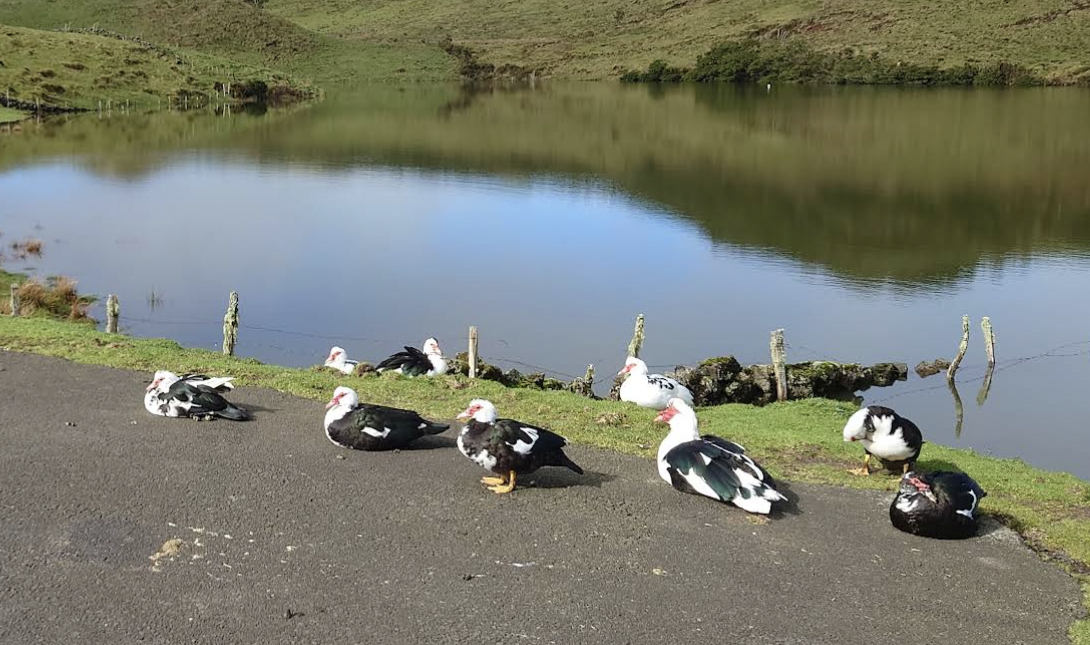
A few kilometers in, the route skirts the slopes of Piquinho, offering sweeping views over Pico’s north coast and the vast Atlantic beyond. From here, the trail begins its gradual transition downward, shifting from open highlands into pastureland and then into denser vegetation. The path narrows at times, weaving through endemic flora before dropping along a steeper cobbled section where the change in altitude becomes more noticeable—not just in the terrain, but also in the plant life, which gradually gives way to more introduced species.
As you approach lower ground, the landscape opens up once more, leading you through a quiet picnic area before the final descent toward the coast. The trail concludes near the historic Convento de São Pedro de Alcântara, close to Cais do Pico, where the ocean reappears as a fitting finale to the hike. From here you can walk back. The trail is 9km long one way and it takes around three hours from Lagoa to Cais do Pico. Some people decide to walk only one way and call a taxi on the way back. I think it’s more than feasible to walk both ways. In high season it can be more practical to start and finish in Cais do Pico where you have more parking options.
If you have time stop in São Roque do Pico little village – walk along the empty cobbled streets, stroll along the harbor, grab a coffee or snack in a nearby shop and maybe the natural pool. Enjoy views of the ocean framed by volcanic rock. It’s a perfect way to rest before heading back on the trail.
Day 3: Climbing Mount Pico (The Big One)
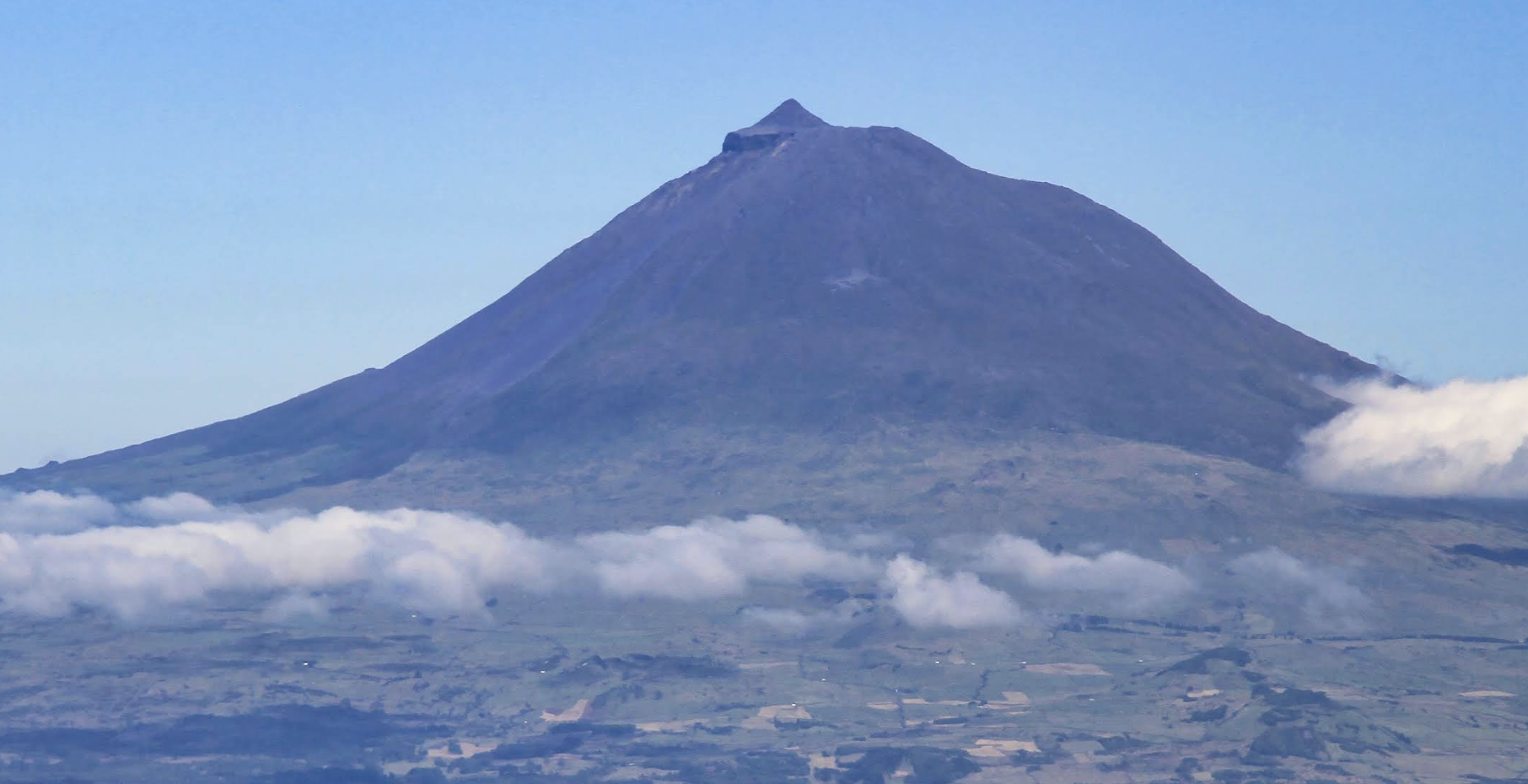
The ascent of Mount Pico is a challenging but rewarding adventure. It’s just 7 km both ways but it’s 1200m of elevation gain. Typically, it takes 8 hours to go up and come back. The hike is fantastic but you must be fit enough to handle it so if you are not a regular hiker, train a bit before attempting to conquer this summit.
Climbing Mount Pico surely is one of the most iconic experiences in the Azores. The trail begins at Casa da Montanha, the official trailhead located on the island’s western slopes, where all hikers must register before starting the ascent. Here you will also receive a GPS device for your safety. From Casa da Montanha, the route is clearly marked with a series of numbered wooden posts that guide you all the way to the summit—making navigation straightforward even as the terrain becomes more challenging. The hike is demanding, with a steady climb over rugged volcanic rock, but the constantly changing landscape—from green lower slopes to a stark, lunar-like summit—makes every step worthwhile. As you gain elevation, the views open up, often revealing the Atlantic Ocean and neighboring islands like Faial and even São Jorge on clear days. Reaching the top feels like standing above the clouds.
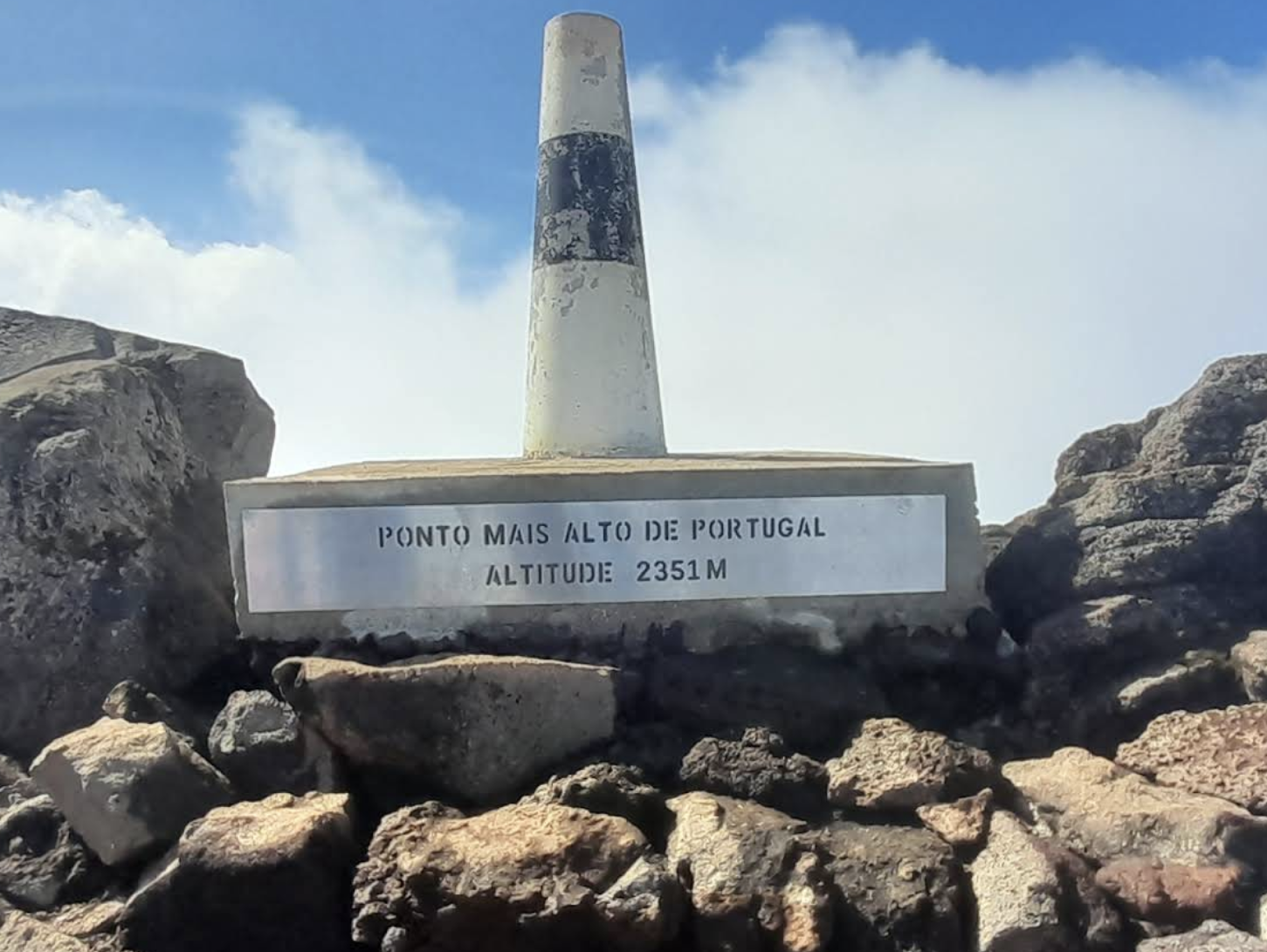
While experienced hikers can tackle Mount Pico independently, many visitors choose to join a guided tour for added safety, local insight, and support—especially given how quickly weather conditions can change on the mountain.
If you plan to hike on your own, remember to register online in advance on the official website here. The cost is 25 EUR and it included the GPS device that is given to you at the Casa da Montanha. Bring water and snacks – that is on you of course. There is a limit of people allowed to enter the trail so if you are planning to hike in the high season, register well in advance. And yes, unfortunately the weather can ruin your plans.
If you are thinking of hiking with a guided tour, check Atipico Azores – a local agency with excellent and professional guides. Mt. Pico hike is available from 70 EUR/person and includes the fee to enter the park and poles. Their groups are small and you will feel super safe on the trail.
Day 4: Relaxing Day and easy hikes near Madalena
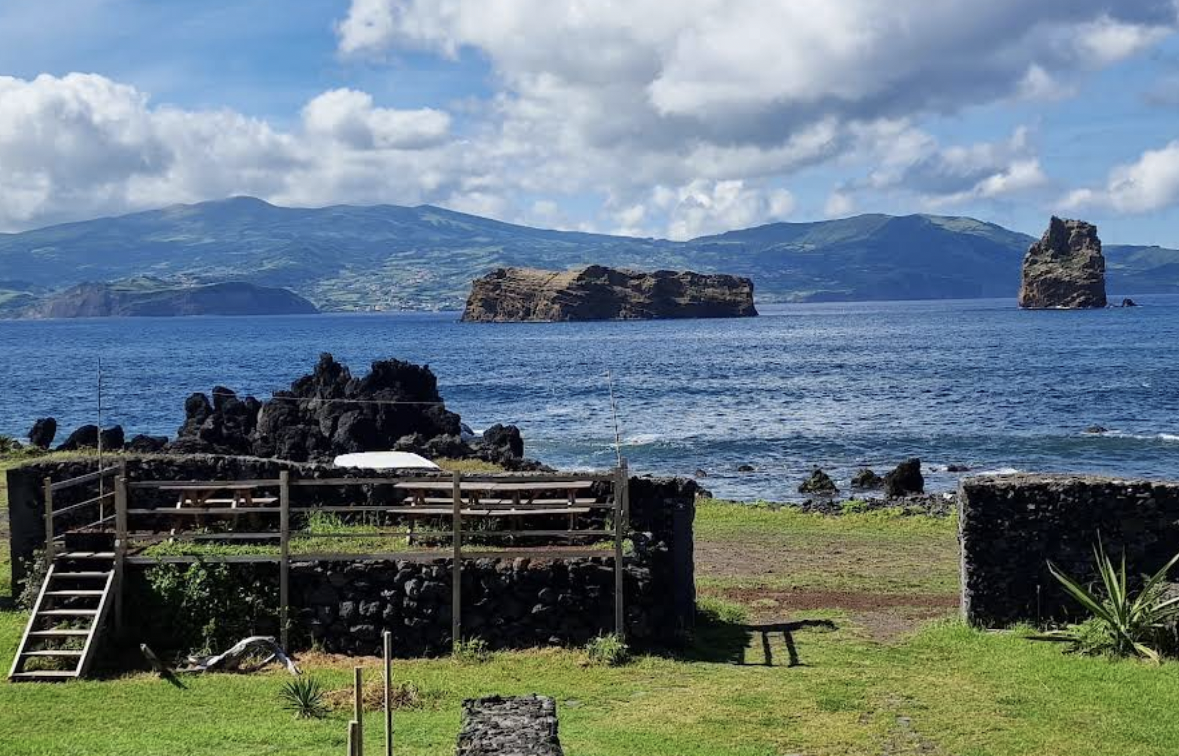
If you climbed the summit of Mt. Pico, you deserve a relaxing day. If you are based in Madalena, you can go for a short and easy coastal walk. You will still enjoy one of the island’s most fascinating volcanic experiences.
Start your morning with a relaxed stroll along the Madalena–Areia Larga coastal route. This easy loop stretches for around 3 to 5 kilometers and takes about an hour at a comfortable pace, with virtually no elevation gain. Beginning near the town center, the path leads you toward Areia Larga, following the coastline through Pico’s iconic vineyard landscape. Here, rows of vines are carefully protected by low black basalt stone walls, creating a contrast against the deep blue of the Atlantic. As you walk, you’ll have constant ocean views, with the silhouette of Mount Pico often rising behind you, and plenty of opportunities to pause and take photos. On warmer days, you might even be tempted to stop at one of the natural swimming spots along the way.
After your walk, return to Madalena for lunch. The town has several casual restaurants where you can enjoy fresh seafood and local specialties.
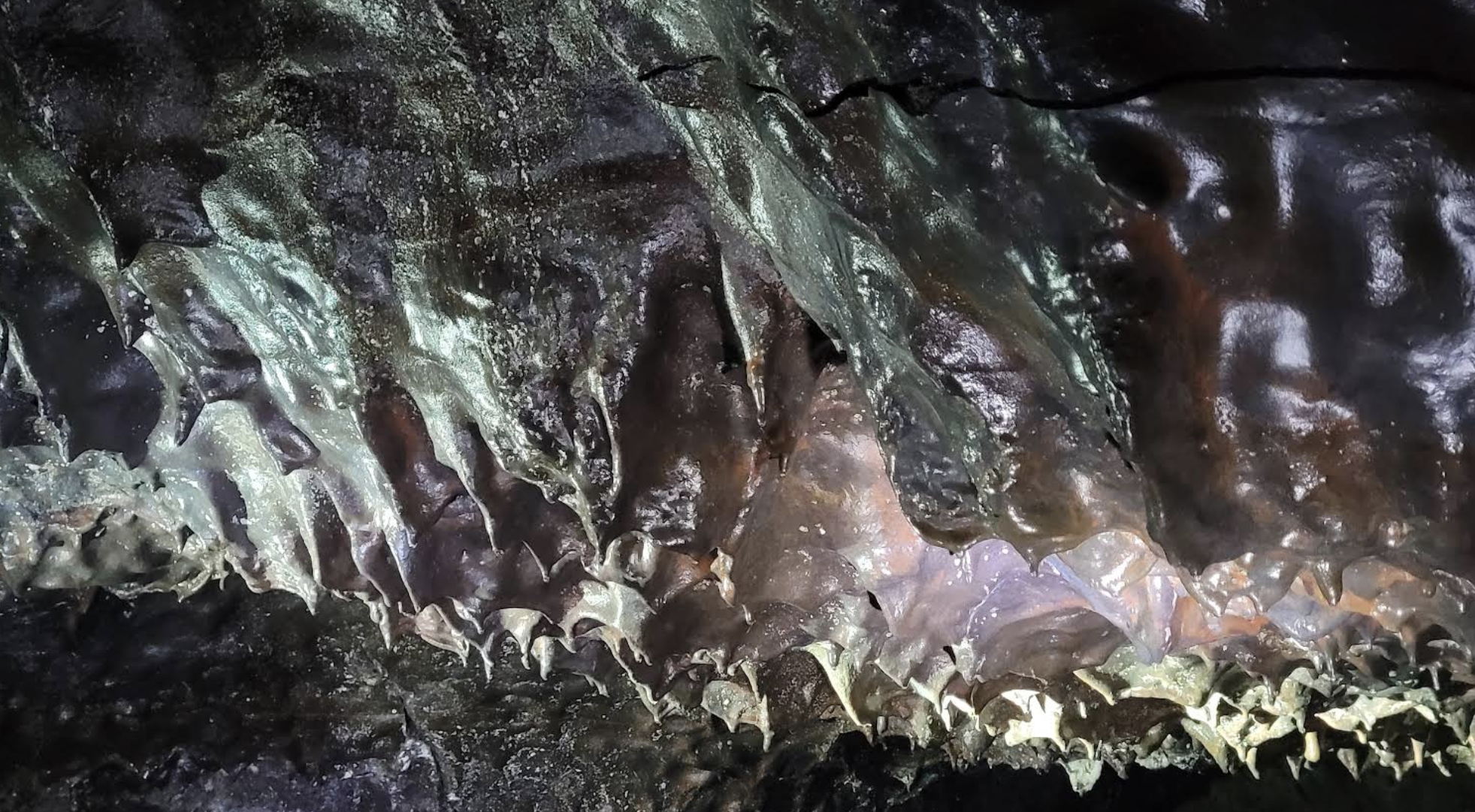
In the afternoon, explore the Visitors center of Gruta das Torres. Unfortunately at the moment of writing the actual lava tube is closed for safety reasons so you cannot visit it. Hopefully soon, it will re-open because it is really an extraordinary guided experience. It is the longest in the Azores and offers a completely different perspective on the island’s volcanic origins. Keep on monitoring the official website because if the site reopens, the visits must be booked in advance. In meanwhile you can still visit the visitors center and watch the informative movie.
Day 5: Prainha do Norte – an easy trail through the vinyards
This 9km circular trail starts in the center of Prainha parish, at the Dr. José Machado Serpa square, next to the Church of Nossa Senhora da Ajuda. Here you will also find a convenient parking spot. The path is well marked with signs PRC09PIC. At the beginning the landscape is marked by agricultural fields, with small farms and vineyards with traditional “corrals” made of black basalt. You will also pass next to the wine cellars, currently converted into rural tourism accommodations. Near Canto da Areia Bay, the trail crosses the abandoned vineyard fields of Morro, now reclaimed by native coastal vegetation such as Azores heather and firebush. This ecologically rich zone is a protected habitat and an important nesting site for the Cory’s shearwater, a protected seabird species.
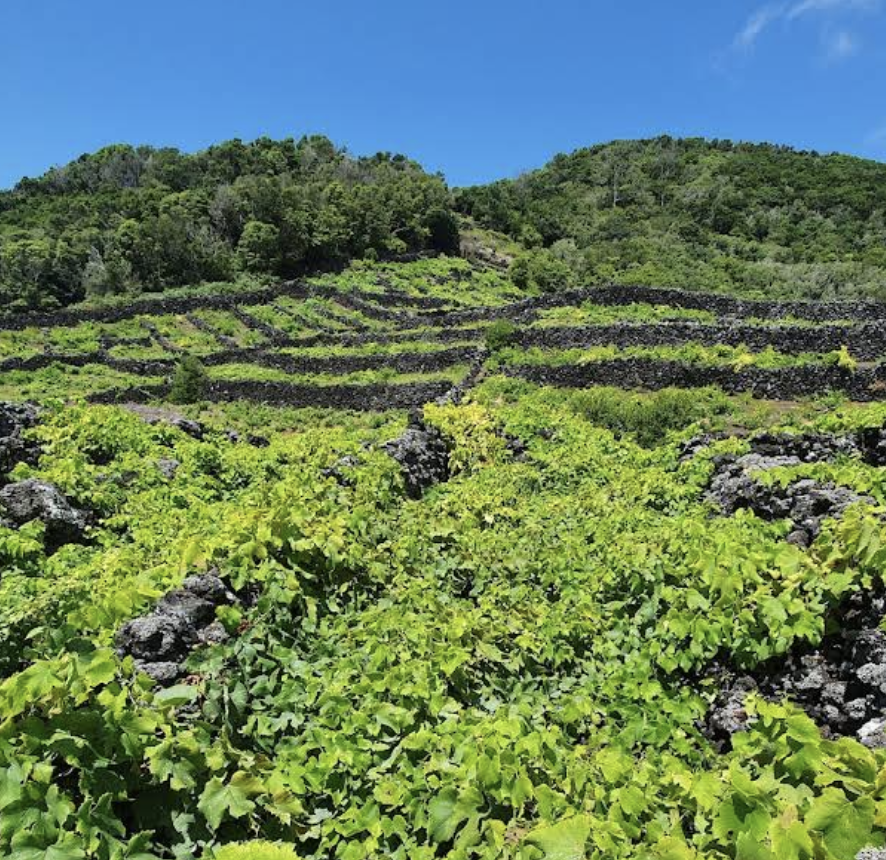
Arrived at Ponta da Rocha viewpoint you will enjoy sweeping panoramic views over the parishes of Santo Amaro and Prainha. Closer to the coast, you’ll find a tidal pool, a traditional windmill, and two excellent swimming spots: Canto da Areia—one of the island’s rare sandy beaches—and Poça Branca, a crystal-clear natural pool. This easy circular route finishes back at the starting square, offering a perfect blend of nature, history, and coastal beauty on Pico Island.
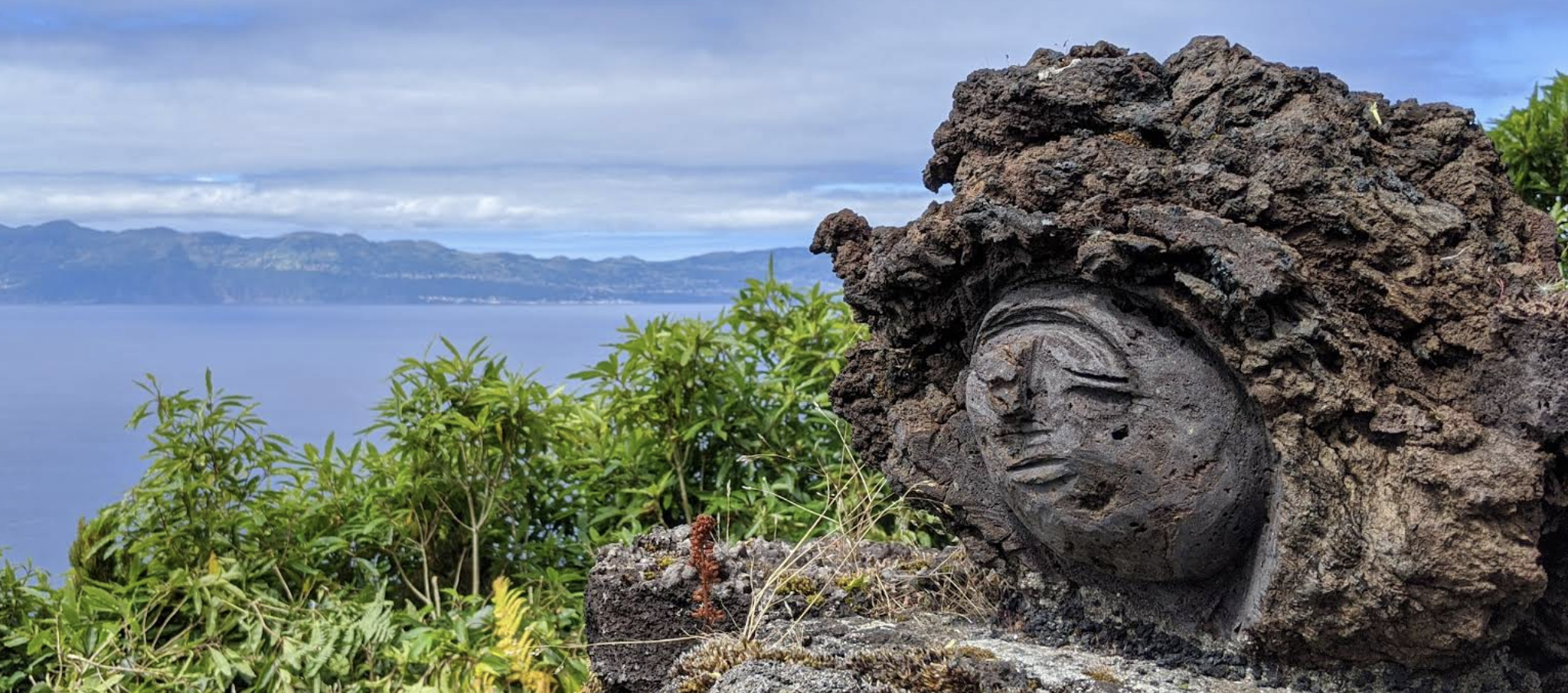
The trail also highlights the island’s cultural heritage, featuring ruins of early settlements, the historic Casa do Fio, São Pedro Chapel with its unique carved stone face, and traditional stone bridges and agricultural storage houses.
Day 6: Caminho das Lagoas – Wild Interior
This stunning long-distance trail (44km both ways) runs through some of the Azores’ most protected and untouched landscapes. The route also crosses key natural sites like the Planalto da Achada geosite, Lagoa do Caiado, and the natural reserves of Mistério da Prainha and Caveiro.
The trail marked as PR19PIC starts at Estrada Transversal, nearby the forest services’ house, and ends in the parish of Ribeirinha. Due to its length and elevation (1500m), it’s important to plan your hike carefully, taking into account both weather conditions and your fitness level. Usually it takes 7 hours to walk the trail one way. You can book a taxi in Ribeirinha if you don’t want to walk back.
Yes, it’s demanding but truly rewarding trail. Before you start, download the all trails map of this hike. As said it starts next to the forest service house on Estrada Transversal. From here you will walk east toward Ponta da Ilha and shortly after, you’ll cross the Caminho dos Burros trail and pass through Pico’s wind farm, where the landscape begins to open up.
One of the highlights of this route is the view of volcanic lakes scattered across the plateau. You’ll encounter Lagoa do Caiado, Lagoa Seca, and Lagoa do Landroal—each offering, mirror-like views surrounded by lush vegetation.
You will also appreciate the rich biodiversity along the trail. Birdwatchers may spot endemic and native species such as the Azores goldcrest, blackbird, and Eurasian woodcock. The area is also home to unique plant life, including peat bog ecosystems and endemic species like cedar or laurel.
The highest point of the trail is near Lagoa Rosada, after which the route begins its gradual descent. On clear days, you’ll be rewarded with breathtaking views of São Jorge and Terceira islands in the distance.
As you continue, you’ll pass more scenic lakes, including Lagoa do Peixinho and Lagoa José Inácio, before the landscape transitions into open pastureland. Near the end, the trail turns north and descends along a dirt road toward the regional road by the Terra Alta viewpoint.
The hike finishes shortly after the view point, just before the entrance to Ribeirinha. You can then walk back to the starting point, book a taxi or stay overnight in one of the typical lava stone houses and walk back on the next day.
Day 7: Calheta do Nesquim and Whale Watching
This charming circular trail on the south coast begins and ends in the picturesque harbor of Calheta do Nesquim, right in front of the historic Church of São Sebastião, dating back to 1852.
For the best experience, follow this 9km long trail clockwise, keeping the coastline on your side as you head toward the small harbor of Feteira where you can rest and swim in the natural swimming pools. From here, the trail begins a gentle climb, passing through lush areas of mixed vegetation, including the wooded zone of Fetais. As you gain elevation, the views begin to open up. Continue along a dirt track and you will see volcanic formations of Pedra Aguda and Cabeço do Silvado. Reaching the Cascalheira area, the route gradually descends, first along a paved road and then onto a dirt path that stretches through dense woodland before giving way to open pastures and traditional small-scale vineyards.
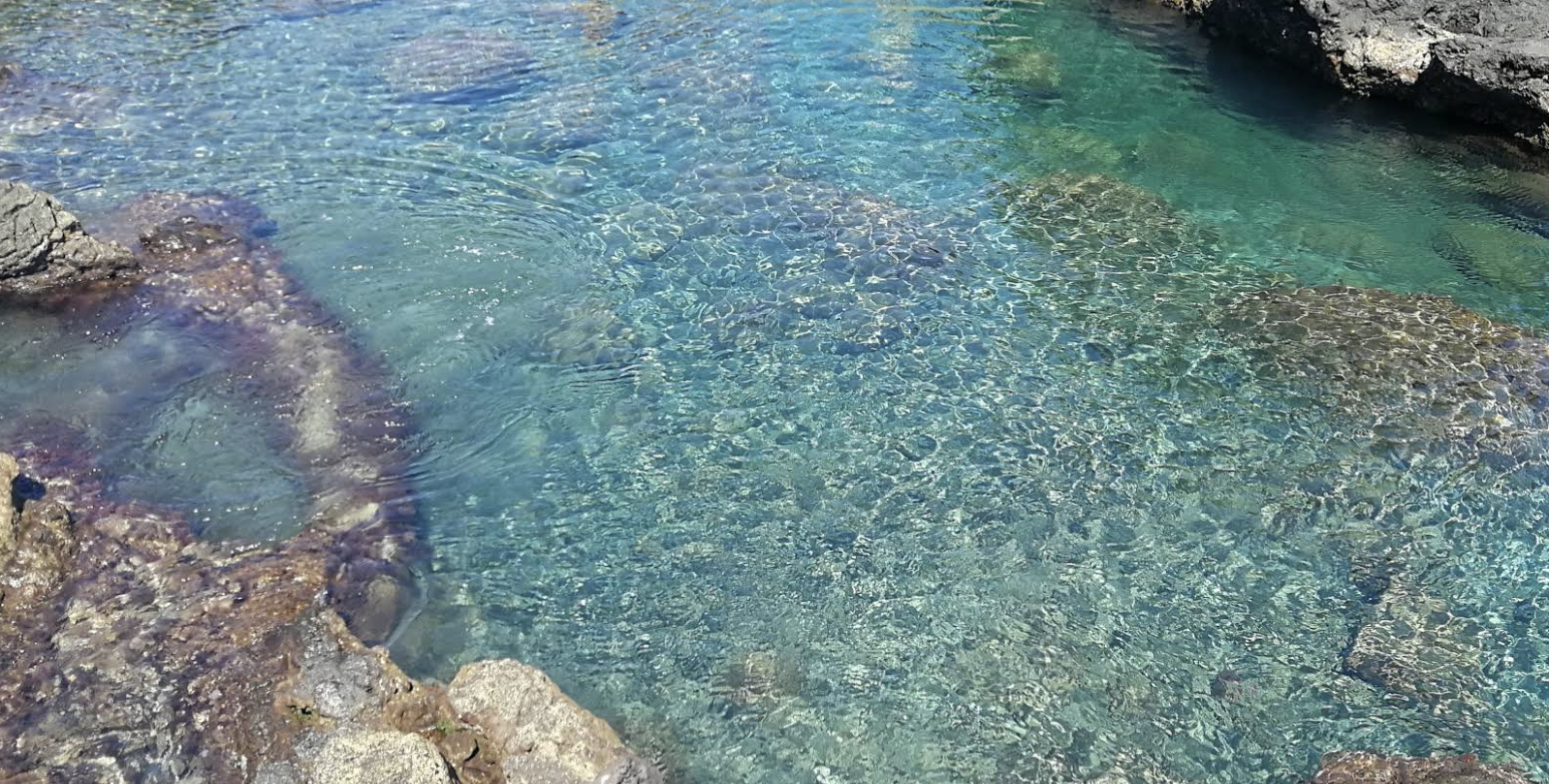
About halfway down, you’ll come across an old whale-watching tower. It’s a great place to pause, catch your breath, and enjoy the coastal views. Continuing onward, the trail leads you back toward the road. Turn left to reach Poça das Mujas, a small and scenic bathing area, and don’t miss the nearby windmill of Morro do Cão.
Local legend adds an extra layer of charm to this area: it’s said that a dog named Nesquim once guided three shipwrecked sailors to safety here, a story that lives on in the village’s coat of arms.
As all the other trails, also this one is well marked. Just follow the indications PRC11PIC and you won’t get lost. You can also download the leaflet, GPS coordinations and maps for this and other trails from visitazores website.
How to get there:
Getting to Pico Island is easier than you might think, making it an increasingly popular destination for travelers searching for a unique Azores escape. The most convenient option is to fly via Lisbon or Porto with Azores Airlines or SATA Air, landing at Pico Airport just a short drive from Madalena. For those already exploring the Azores, island hopping is seamless—regular inter-island flights connect Pico with hubs like São Miguel and Terceira. Alternatively, one of the most scenic ways to arrive is by ferry from Faial Island, with crossings from Horta to Madalena taking just 25 minutes and offering incredible views of Mount Pico rising from the ocean. You can book a ferry in advance on the website of Atlanticonline.
Accommodation
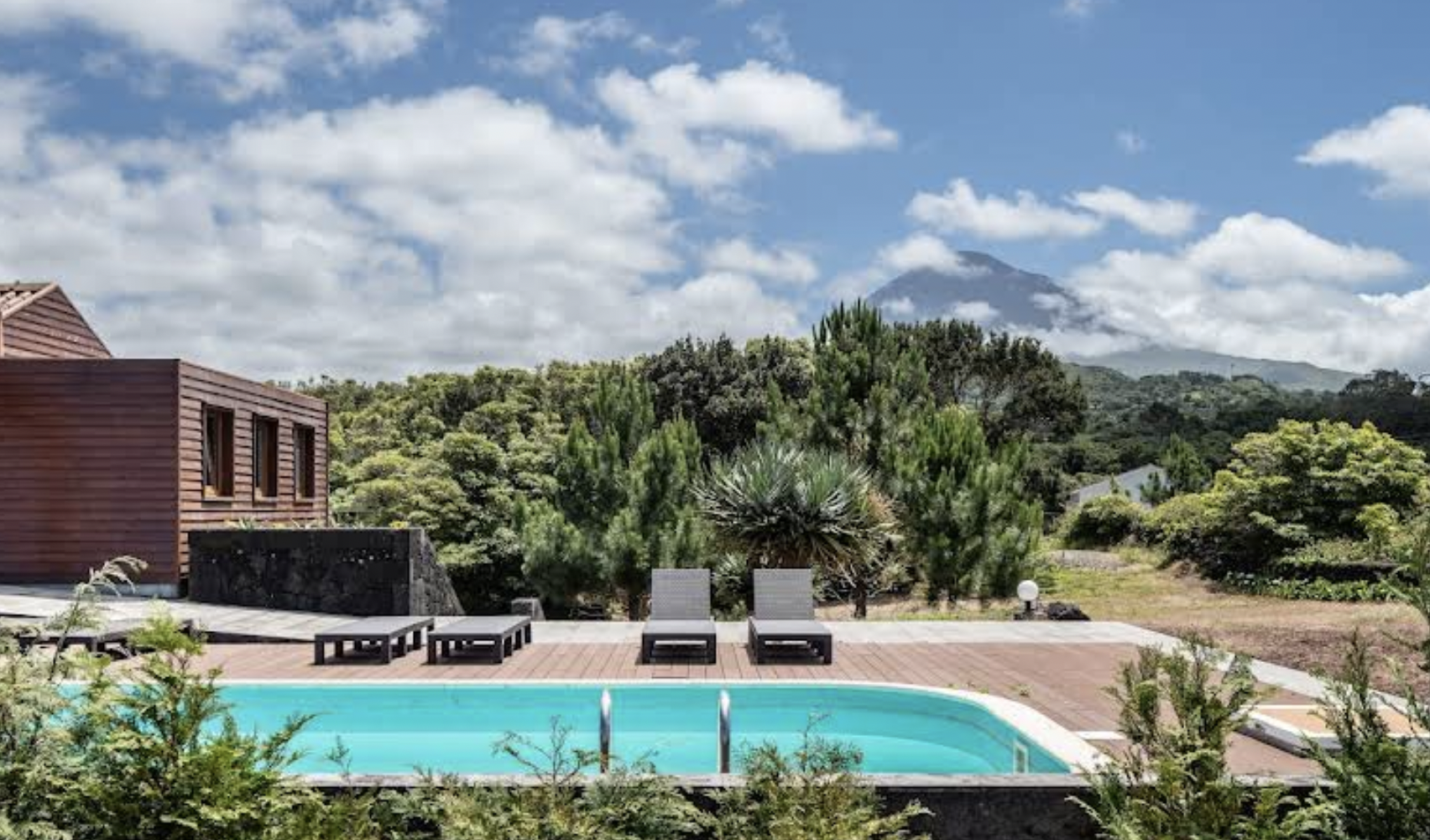
When it comes to where to stay on Pico Island, the experience is as diverse as the landscape itself—ranging from boutique wine hotels and stylish eco-lodges to cozy guesthouses and rural retreats surrounded by lava fields and ocean views. The main hub, Madalena, offers the widest choice of accommodation, ideal if you want easy access to restaurants, ferry connections, and guided tours including the Mt. Pico hike. Here, standout options include Alma do Pico, a peaceful nature retreat with modern bungalows set among volcanic rock and greenery, and Casa do Mar, a smaller seaside stay near Areia Larga that combines comfort with authentic local charm.
If you’re looking to escape into a quieter, more remote side of the island, the east and northeast of Pico feel wilder and more untouched, with fewer crowds. This is where you’ll find unique stays like Pico Vineyards – Wine Boutique Hotel, surrounded by UNESCO-listed vineyards and offering a more upscale, design-focused experience.
Practical tips:
- Best time to visit: May to October offers the best weather. July and August are warmest and busiest, while June and September are less crowded and warm.
- Getting around: Renting a car is highly recommended. While Madalena is walkable, most of the trails are spread across the island. Some trail heads can be reached by car only.
- What to pack: Bring layers, a light waterproof jacket, sunglasses, sun screen, and sturdy walking shoes—weather can change quickly.
- Book ahead: Popular activities like visits to Gruta das Torres often require advance booking, especially in summer.
- Know your trail difficulty:
Not all hikes are equal. Easy coastal routes are very manageable, but climbing Mount Pico is serious and physically demanding. - Book Mount Pico in advance:
If you plan to hike the summit, you must register with the Mountain House (Casa da Montanha). Daily limits apply, and weather conditions are strictly monitored. - Check the weather (always):
Conditions can change fast. Even if it’s sunny at sea level, the summit may be cloudy, windy, or wet. - Bring enough water and snacks:
There are no facilities on most trails, so carry everything you need, especially on longer hikes. - Follow marked trails:
Stick to official routes and avoid shortcuts—this helps protect the landscape and keeps you safe. - Plan for slow travel: Expect a relaxed pace—restaurants and services may have limited hours, but that’s part of the island’s charm.
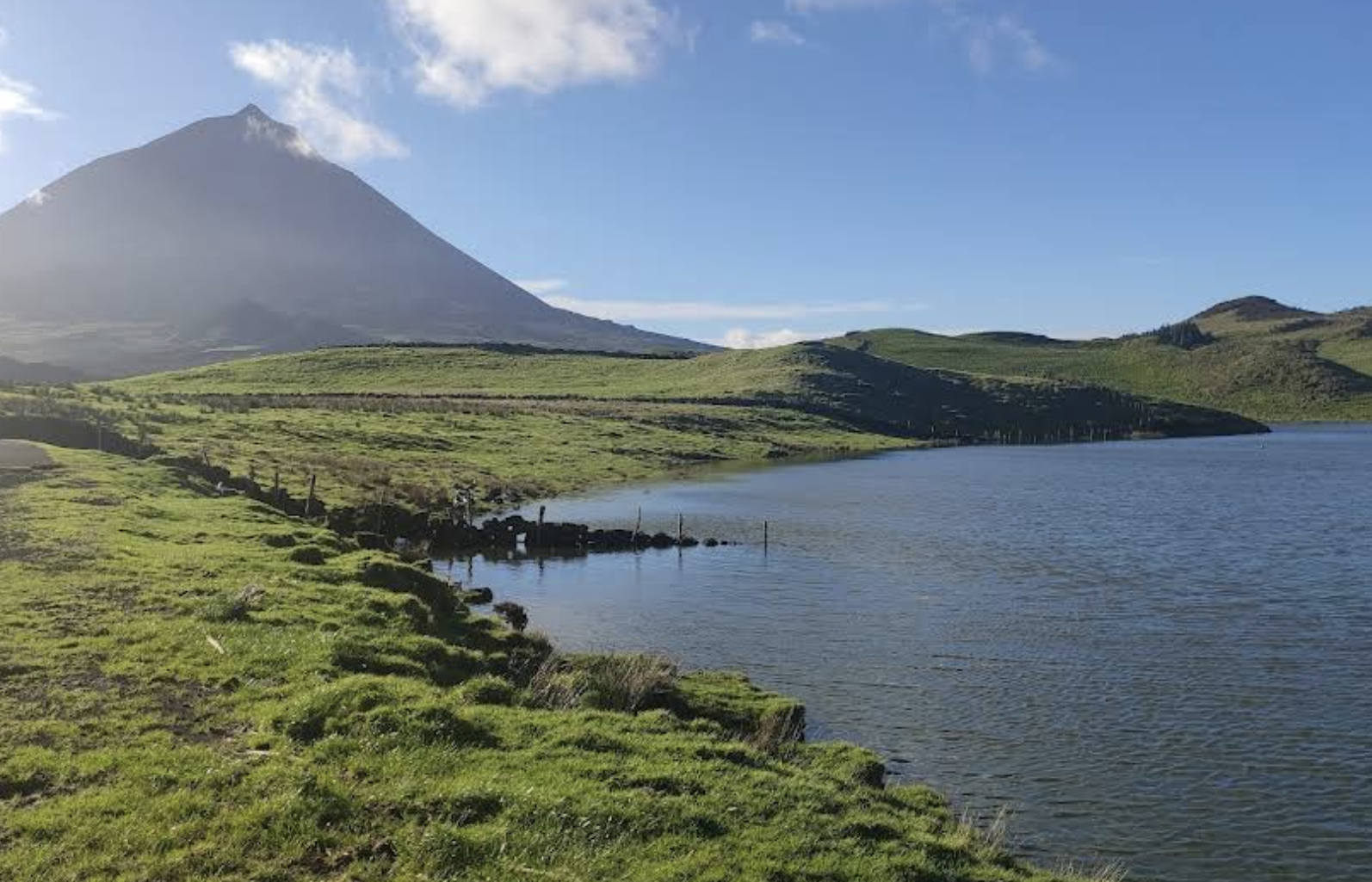
The sight of Mount Pico rising above the clouds, the way the black volcanic landscapes contrast with the deep blue of the Atlantic, the refreshing swim in the natural pools. Pico Island is surely a destination that combines adventure, authenticity, and tranquility. Sounds good? Then, pack your bags and discover one of the Azores’ most unforgettable islands for yourself. And of course, don’t limit yourself to one island only. Check my post about other gems of this incredible archipelago here and stay tuned because there is more to come.
 Nomadlytics
Leave a comment