
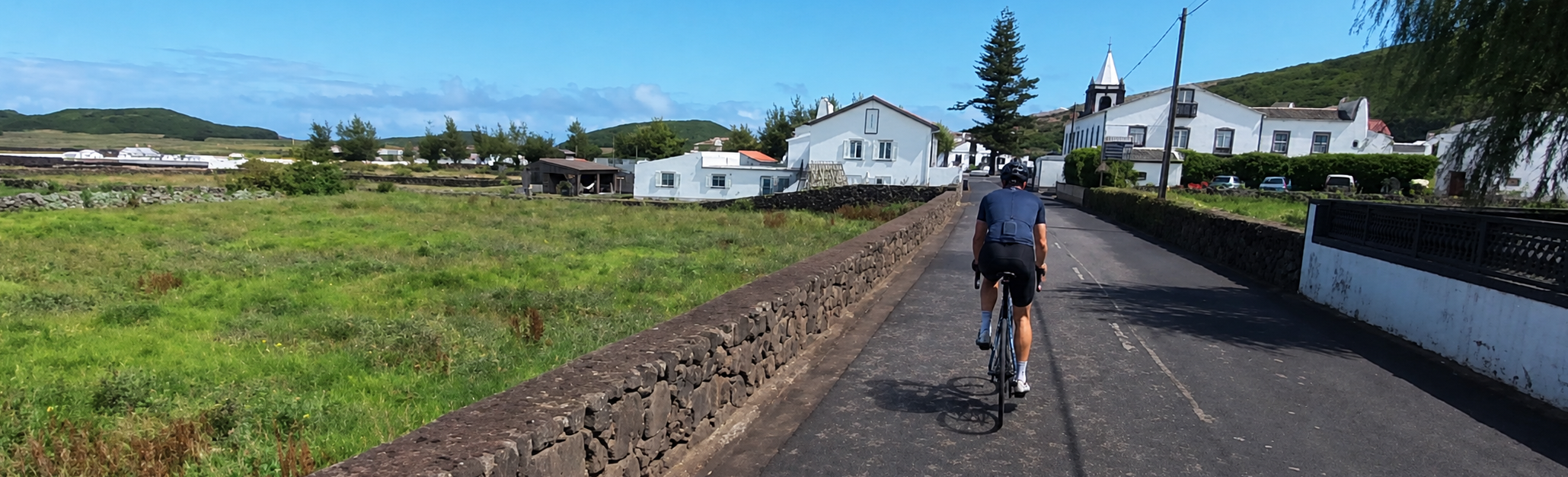
There are places where cycling is just a way to get around—and then there are places where it becomes the entire experience. Graciosa Island, one of the lesser-known gems of the Azores, belongs firmly in the second category.
Often called “the White Island” for its pale volcanic landscape and traditional houses, Graciosa offers something increasingly rare in modern travel: the ability to slow down completely. Here, distances are short, roads are quiet, and the terrain is forgiving enough that exploring entirely by bicycle isn’t just possible—it’s arguably the best way to experience the island.
This guide is for travelers who want to leave the car behind and discover Graciosa at the rhythm it deserves.
Why Graciosa Is Perfect for a Car-Free Cycling Trip?
Unlike its verical neighbors such as São Miguel or Pico, Graciosa is milder and less demanding. The island rises softly from the Atlantic rather than sharply, and its highest points are accessible without punishing climbs. The entire island can be circled in a day, yet you should not rush. Take your time to explore it slowly and enjoy the landscape—vineyards bordered by lava stone walls, whitewashed windmills, and glimpses of deep blue ocean appearing around every bend.
Traffic is minimal, often nonexistent outside the main town. You can ride for kilometers hearing nothing but wind and the distant sound of waves. This alone makes it one of the safest and most enjoyable islands in the Azores for cycling.
Finding Your Base: Where to Stay Without a Car
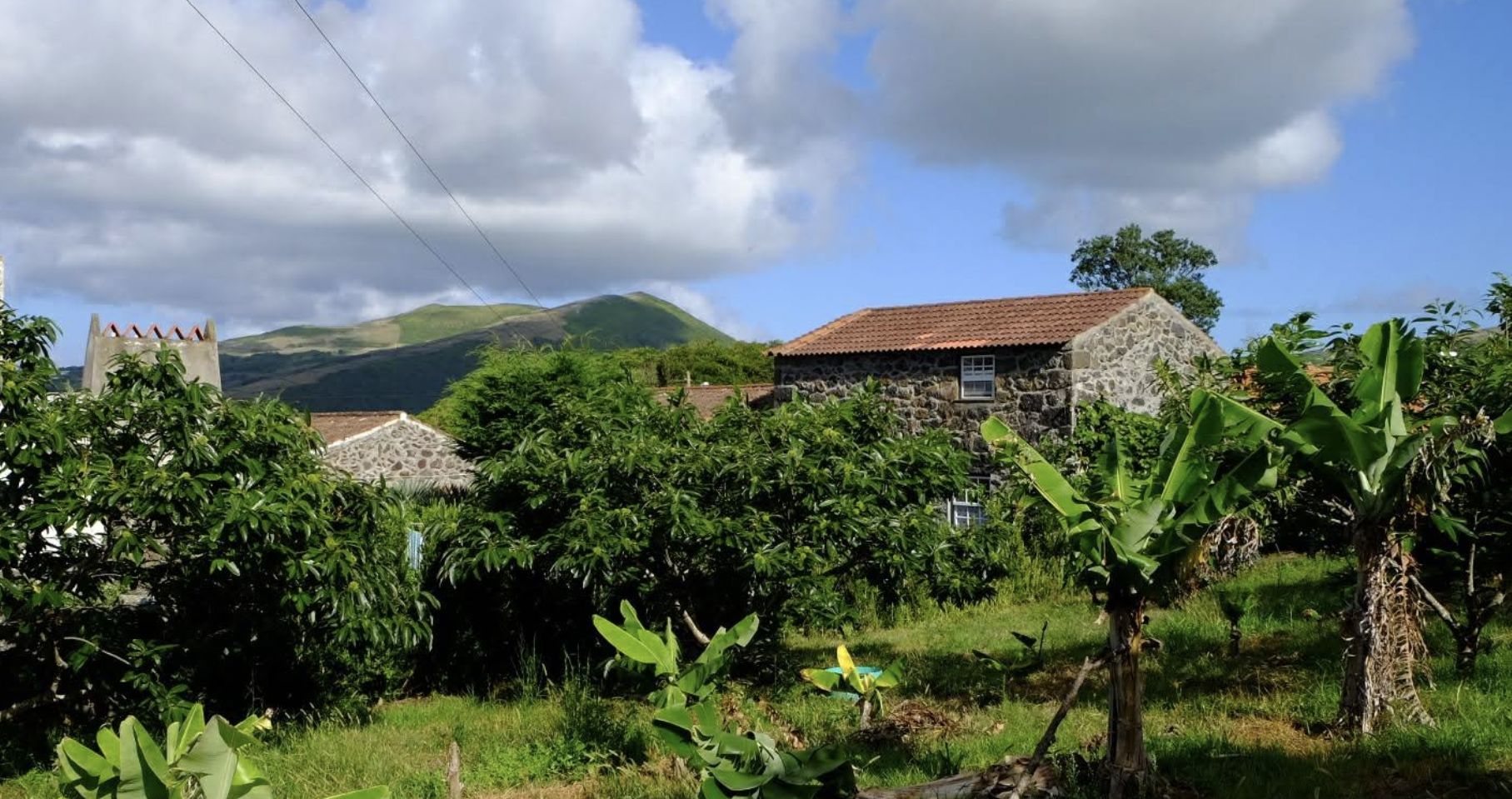
Most travelers will naturally gravitate toward Santa Cruz da Graciosa, and for good reason. This small town acts as the island’s hub, offering everything you need within cycling distance: cafés, restaurants, grocery stores, and easy access to the coast. Staying here means you can start each ride effortlessly, whether you’re heading inland toward volcanic landscapes or along the coast for a swim.
If you prefer something quieter, the village of Praia Graciosa offers a slower pace and one of the island’s rare sandy beaches. It’s an ideal spot for those who want to combine cycling with long, relaxed afternoons by the sea.
Further south, Carapacho feels almost removed from the rest of the island. Known for its natural thermal pools and incredible coastal views, it’s perfect if you’re seeking solitude. However, staying here requires a bit more planning, as services are limited ore let’s say it straight: no shops or restaurants. Here you will find a couple of rental houses and a small guest house which offers a meal if you need. It’s great to stay here for a night or two.
Cycling Around Graciosa: The Roads and Routes
Cycling in Graciosa isn’t about conquering extreme climbs or chasing performance metrics. The roads gently curve through agricultural fields and coastal cliffs, rarely straying far from the ocean.
The most rewarding ride is the full island loop. Starting from Santa Cruz, you can follow the coastal road and gradually make your way around the island. The changing scenery is what makes this route unforgettable. One moment you’re passing vineyards protected by black basalt walls, the next you’re riding along open stretches where the Atlantic dominates the horizon.
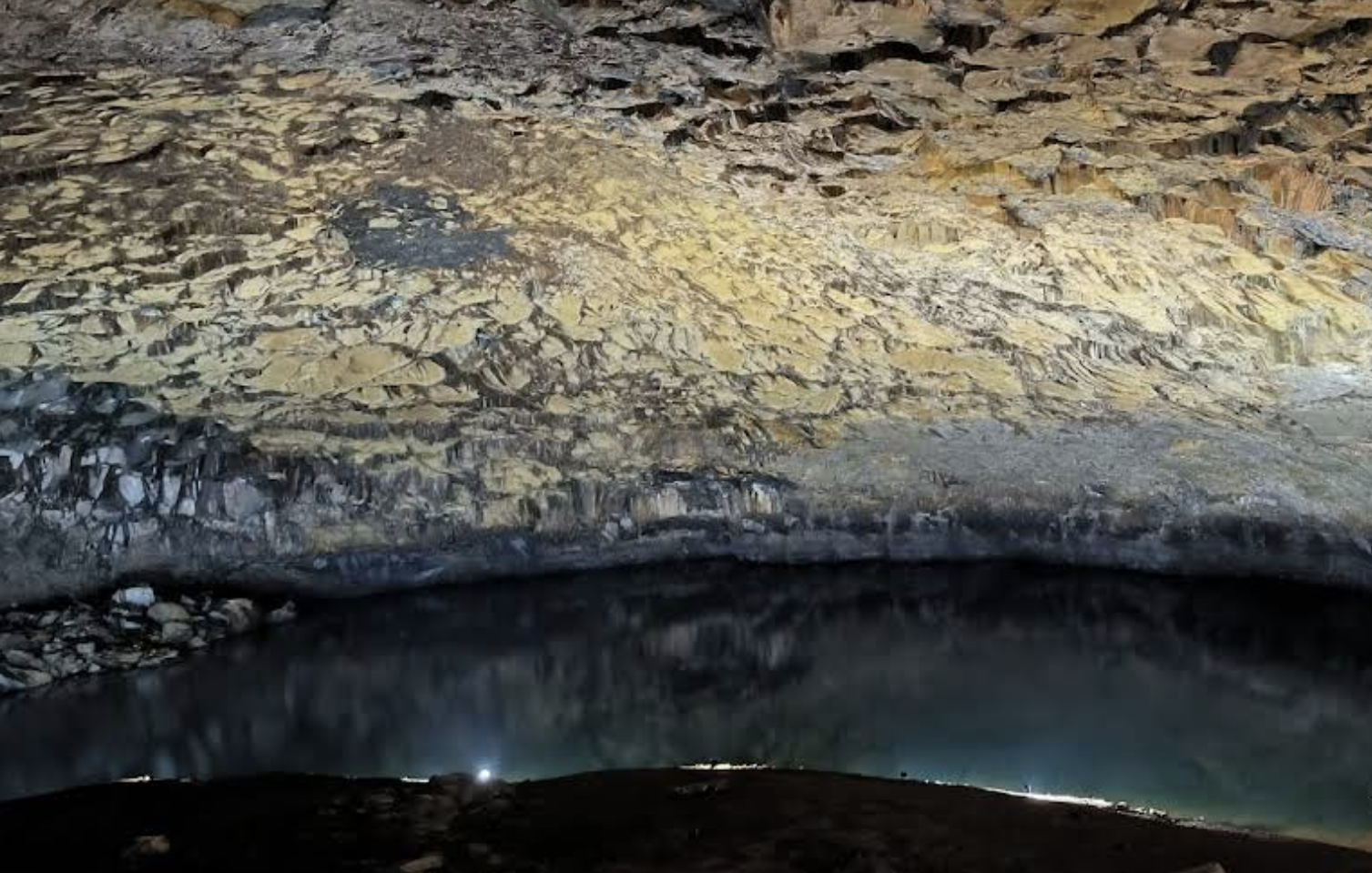
The island’s volcanic heart lies inland, and no cycling trip here is complete without heading toward Caldeira da Graciosa. This volcanic crater, surrounded by green slopes, hides one of the Azores’ most fascinating natural wonders: Furna do Enxofre. After parking your bike, you descend a spiral staircase into a vast underground chamber where a still sulfur lake reflects the dim light. It’s an extraordinary experience, completely different from gentle countryside above.
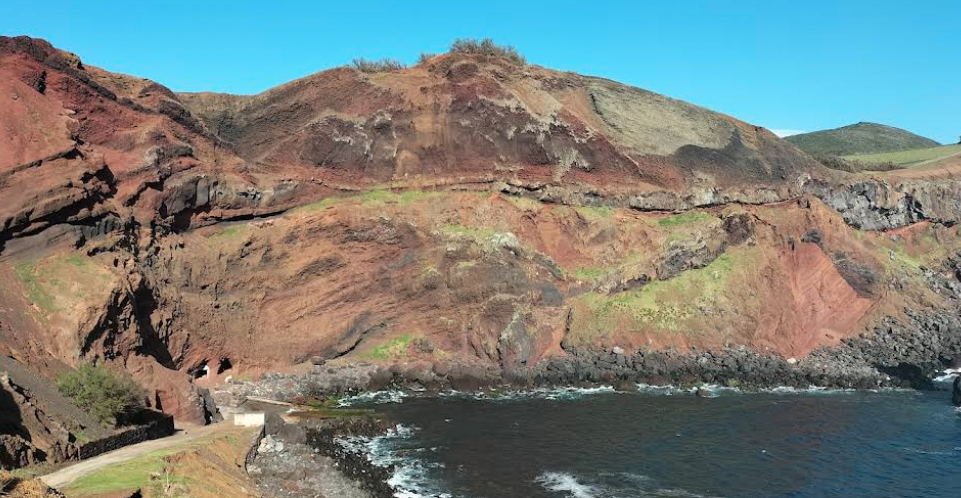
For a shorter but equally beautiful ride, the coastal stretch between Santa Cruz and Carapacho offers some of the island’s best views. The road hugs the shoreline, occasionally opening to reveal natural swimming pools formed by ancient lava flows. This route is perfect for a half-day ride punctuated by swims.
The Best Beaches and Natural Swimming Spots
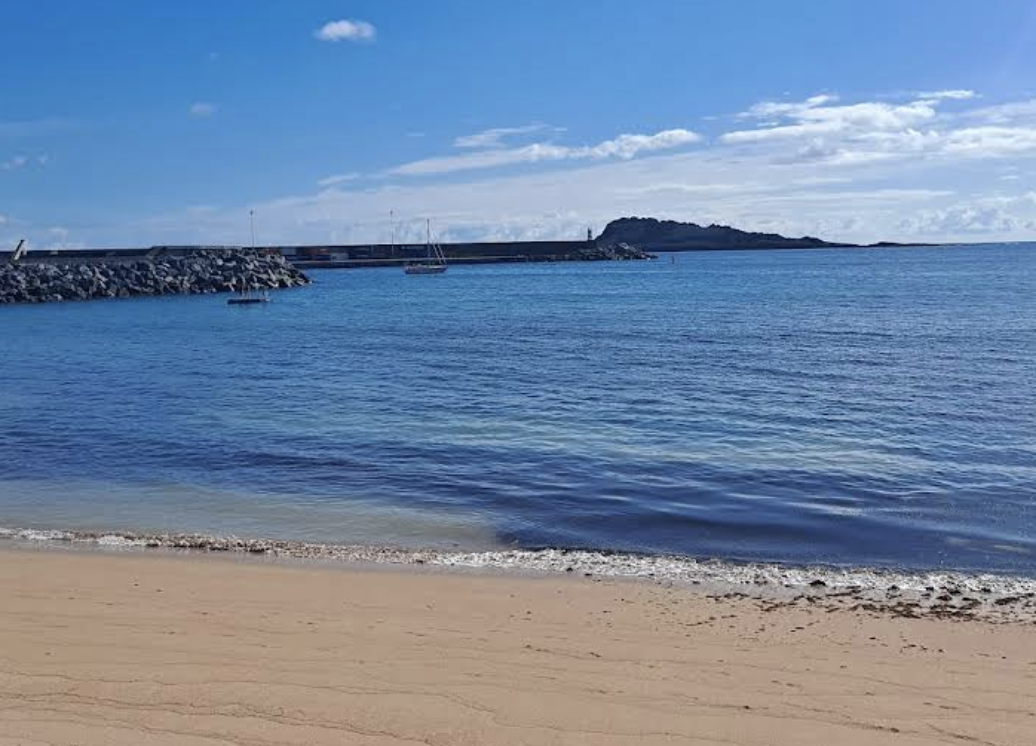
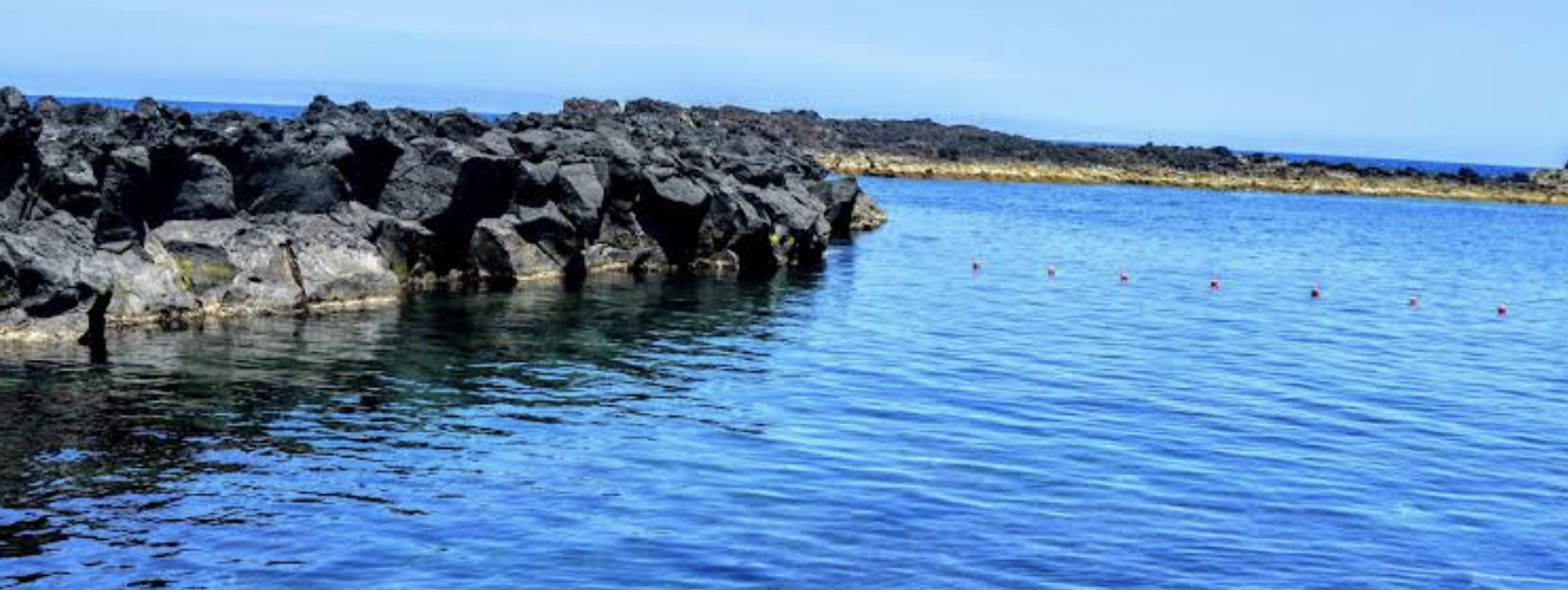
Graciosa doesn’t rely on long sandy beaches to impress. Instead, its coastline is defined by volcanic formations that create natural pools—calm, clear, and often warmer than the surrounding ocean.
In Carapacho, the thermal pools are a highlight. Heated by volcanic activity beneath the ocean floor, the water here offers a relaxing contrast after a day of cycling. It’s the kind of place where time seems to stretch, especially in the late afternoon when the light softens and the sea turns golden.
Back near Santa Cruz, smaller natural pools provide easy access for a quick swim without straying far from town. Meanwhile, Praia offers a more traditional beach experience, with sand underfoot and a gentle slope into the sea—perfect for a longer stop during a ride.
What You’ll See Along the Way
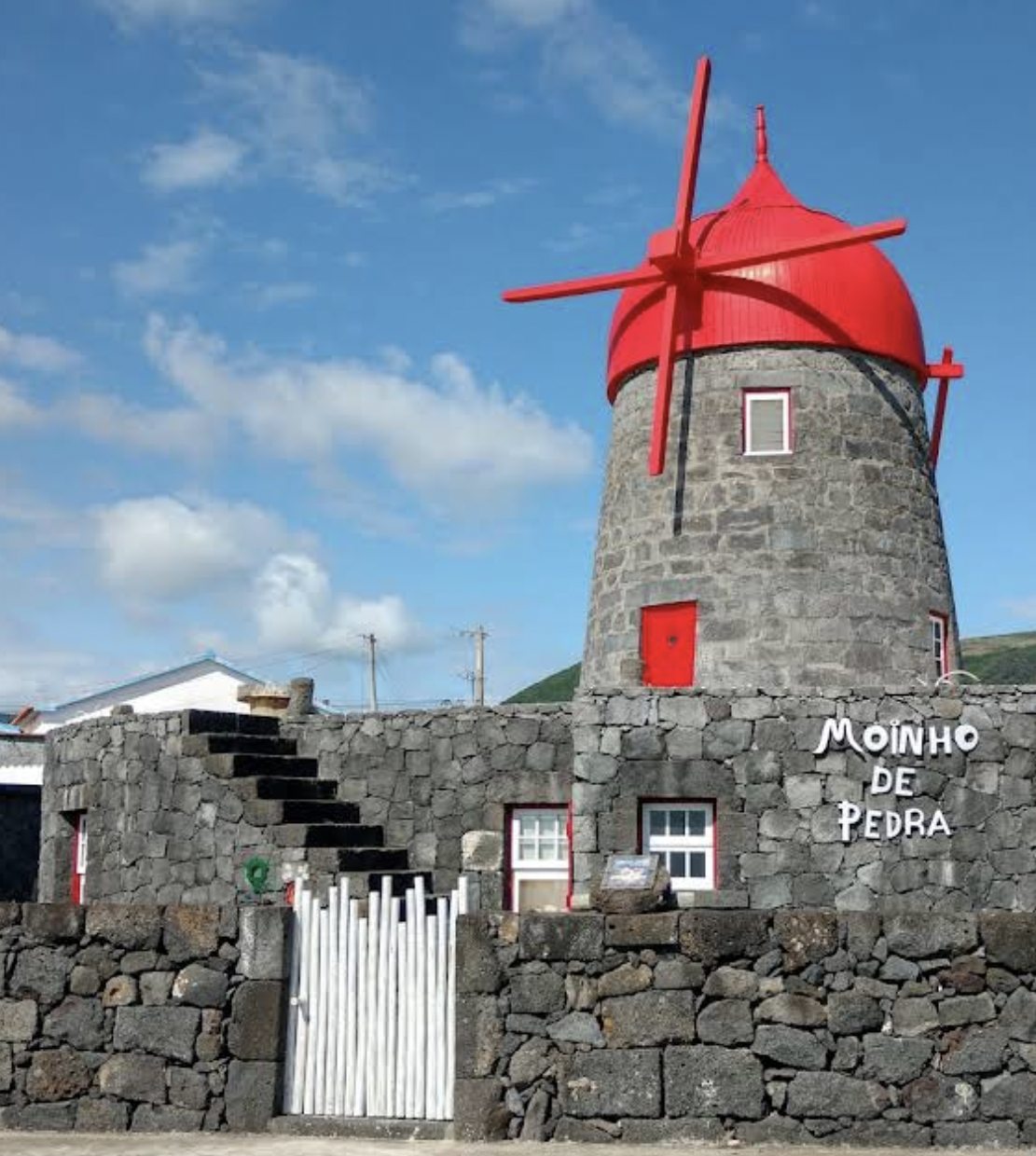
Part of Graciosa’s charm lies in its details. As you cycle, you’ll pass traditional windmills—white towers topped with red domes—that have become symbols of the island. You’ll notice the careful patterns of vineyards, shaped by centuries of adaptation to volcanic soil and ocean winds.
Off the coast, small islets such as Ilhéu da Praia and Ilhéu de Baixo rise from the sea, providing important habitats for seabirds and adding to the island’s sense of quiet isolation.
And everywhere, there is the Atlantic—sometimes calm and inviting, sometimes wild and windswept, always present.
Practical Advice for Cycling the Island
Traveling Graciosa by bicycle is refreshingly simple, but a bit of preparation makes all the difference. A hybrid or gravel bike is ideal for the mix of smooth roads and occasional rough patches, though an e-bike can make the experience even more relaxed.
Wind is the one factor you can’t ignore. The island is exposed, and conditions can change quickly. Planning your route with the wind in mind—starting into it and returning with it at your back—can transform your day.
Supplies are easy to find in Santa Cruz but become scarce elsewhere, so it’s wise to carry water and snacks, especially on longer rides. Navigation is straightforward thanks to the island’s small size, but having an offline map ensures peace of mind.
A Slower Way to Experience the Azores
What makes cycling Graciosa Island special isn’t just the scenery or the routes—it’s the pace. Without a car, you notice more. The texture of the volcanic stone, the scent of the ocean carried on the wind, the rhythm of small villages where time seems unchanged.
In a world where travel often feels rushed, Graciosa offers something different. On a bicycle, the island reveals itself gradually, quietly, and completely—exactly as it should.
How to get there with (or without) your bike?

Flying with Your Bike (Best Overall)
The most reliable way to reach Graciosa is by air. There are no direct international flights, so you’ll always connect via another island—usually Terceira or São Miguel. Airlines like SATA Air Açores operate these inter-island flights regularly.
Most airlines flying to the Azores allow bicycles as special luggage, but there are a few realities to consider:
- You’ll need a bike bag or box (soft or hard case)
- Weight limits usually apply (often ~23 kg)
- You may need to partially disassemble the bike (remove pedals, turn handlebars, deflate tires slightly)
Important: regional flights to Graciosa use small propeller planes, so space is limited—book your bike in advance.
The airport on Graciosa is only about 3 km from Santa Cruz da Graciosa, so you can literally assemble your bike and start riding within minutes.
Ferry with Your Bike (Most Scenic)
If you’re already in the central Azores (especially Terceira), taking a ferry is a fantastic alternative. Ferries operated by Atlânticoline connect Graciosa with nearby islands, particularly in summer (May–October). There are two ferry routes to Graciosa:
- Terceira → Graciosa
- São Jorge / Pico / Faial → Graciosa
Bringing your bike on the ferry is easier than on a plane:
- Bikes are usually treated like luggage or small vehicles
- No need to disassemble
- No strict weight limits
- Easy boarding and unloading
Ferries also carry cars, so accommodating a bicycle is generally straightforward.
Downsides of a ferry connection is that you must plan in advance based on schedules (no daily connections). The weather can also affect crossings so be prepared for some delays.
If you come by ferry, you’ll arrive near Praia Graciosa—again, perfectly manageable by bike.
Bike Rentals on Graciosa
Yes, there is a possibility to rent a bike on the island, although it’s really limited and small-scale (which fits the island’s vibe). You can contact this local travel agency and inquire about the availability and types of bikes.
If you are not very keen on flying your bike from the continental Europe or from Americas, you can rent it in Terceira and come to Graciosa by ferry. In Terceira you will surly find more options for a rental.
Accommodation
The island is small and therefore it does not offer a huge range of accommodation. Make sure to book your apartment or room in advance, especially if you are planning to visit during high season. Most of the island’s accommodations are in the farm stays, some are very basic while others offers you a luxury experience. Want to know more? Check my last year’s post about the must visit places on Graciosa where I also suggest where to stay.
Best time to cycle in Graciosa
Choosing when to visit Graciosa Island for a cycling trip makes a bigger difference than you might expect—not because of extreme temperatures, but because of wind, humidity, and the overall feel of the island.
The Azores sit in the middle of the Atlantic, which means the climate is mild year-round, but also unpredictable. For a bicycle-focused trip, you’re not just looking for warmth but also for stability.
The Sweet Spot: Late Spring to Early Autumn
The best time to cycle in Graciosa Island is from May through October, with June to September being the most reliable window.
During these months, the island settles into its most comfortable rhythm. Temperatures typically hover between 20°C and 26°C, which is ideal for long days on the bike without overheating. The roads are dry more often than not, and the ocean is warm enough to make those spontaneous swimming stops along the coast genuinely enjoyable rather than refreshing in a shocking way.
June and July are especially beautiful. The landscape is still lush and green from the wetter spring months, wildflowers are everywhere, and the island feels alive without being crowded. By August, things become slightly drier and busier, but never overwhelming – his is still Graciosa, after all, definetely not a mass tourism destination.
September might be the most underrated month of all. The sea is at its warmest after the summer and the light becomes softer, giving the island a calmer, almost atmosphere that pairs perfectly with slow cycling days. The weather can be more windy though.
The Wind Factor (More Important Than Temperature)
If there’s one element that defines cycling in the Azores, it’s the wind. Even in summer, steady Atlantic breezes are part of daily life. They’re rarely dangerous, but they can turn a relaxed ride into a workout if you’re not expecting them. In the best months, the wind is usually manageable and even welcome, cooling you down during longer rides.
Spring and autumn tend to have more variable wind conditions, while summer is generally more predictable. Planning your rides with the wind—starting into it and returning with it at your back—can completely change your experience.
When to Avoid It On Your Bike
Winter in the Azores, roughly from November through March, is not harsh in terms of temperature, but it’s less suited for a cycling trip. Rain becomes more frequent, sometimes arriving in sudden bursts, and the wind can be stronger and less predictable. While you could still cycle, it would feel more like working around the weather than enjoying the island freely.
April and November sit in between seasons. They can be surprisingly good—or frustratingly wet. If you’re flexible and don’t mind adjusting plans, they can still work, but they’re not ideal if your goal is a smooth, uninterrupted cycling experience.
Matching the Season to Your Travel Style
If your priority is perfect cycling conditions, aim for June or September.
If you want the greenest landscapes and fewer tourists, late May or early June is ideal. If you care about warm ocean swims after every ride, August and September are your best bet.
What makes cycling Graciosa Island so special isn’t just the terrain—it’s the atmosphere. And that atmosphere shifts subtly with the seasons. Pick the right window, and you’ll find yourself riding quiet roads under soft Atlantic light, stopping for swims in volcanic pools, and finishing your days with that rare feeling that you’ve moved at exactly the right pace.
 Nomadlytics
Leave a comment