For many digital nomads, investing in holiday rentals is more than a side business — it’s a path toward location-independent wealth.
Owning a vacation property in destinations like Bali, Lisbon, Medellín, or the Canary Islands can generate recurring income while your investment appreciates over time. But with thousands of listings competing for attention, simply owning a great property is no longer enough.
To turn your rental into a high-performing asset, visibility and guest experience matter just as much as location. Here’s how smart nomad investors are increasing bookings, building stronger brands, and creating sustainable income streams from their properties.
Treat Your Rental Like a Brand, Not Just a Property
The most successful holiday rentals don’t feel generic. They have a personality, a story, and a clear identity. Digital nomads understand lifestyle branding better than most people. Use that advantage.
Instead of writing a basic description, create an experience around your property:
- Is it designed for remote workers?
- Does it offer fast Wi-Fi and a productive workspace?
- Is it ideal for slow travelers or long-term stays?
- Does it combine luxury with affordability?
Travelers today book lifestyles, not just rooms.
A compelling property description paired with strong visuals can instantly separate your listing from thousands of competitors.
Professional Photos Are an Investment, Not an Expense

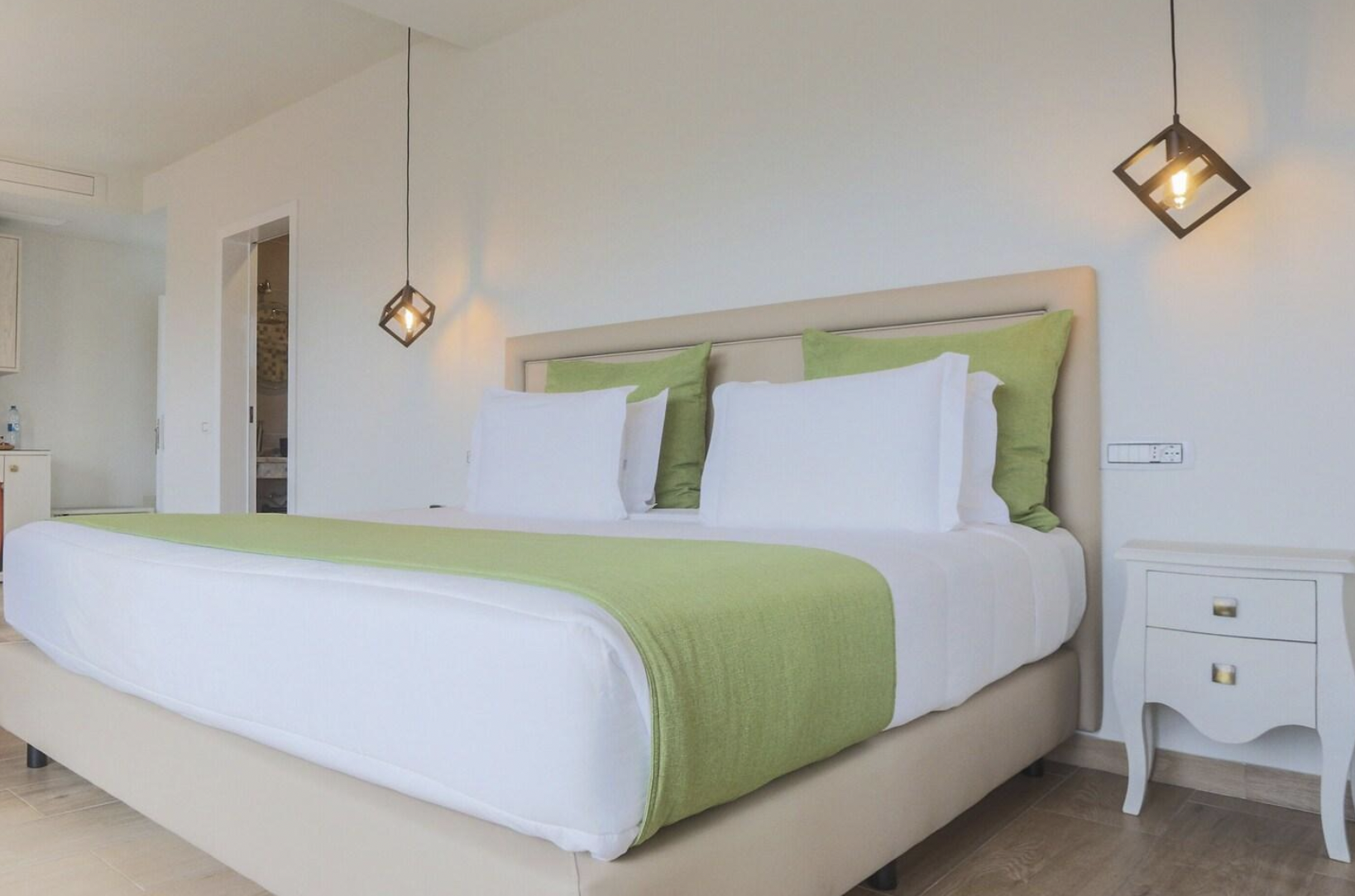
In the short-term rental world, visuals sell everything. High-quality photography dramatically improves click-through rates and bookings. Your images should communicate comfort, freedom, productivity, and aspiration.
Focus on:
- Natural lighting
- Open spaces
- Work-friendly setups
- Outdoor areas
- Local atmosphere and design details
If your target audience includes remote workers and entrepreneurs, showcase the features they care about most: strong internet, peaceful environments, coffee spots nearby, and inspiring interiors.
SEO Can Turn Your Rental Into a Passive Traffic Machine
Many property owners rely entirely on booking platforms. Smart digital nomad investors diversify traffic sources. Creating a blog or simple website around your property helps you rank on search engines and attract direct bookings.

For example:
- “Best remote work stays in Tenerife”
- “Digital nomad apartments in Lisbon”
- “Best Airbnb for remote workers in Bali”
This strategy builds long-term visibility while reducing dependence on marketplace algorithms.
The key elements include:
- Fast website speed
- SEO-friendly content
- Strategic keywords
- Mobile optimization
- Internal linking
- Clear booking calls-to-action
Over time, your website becomes a digital asset that continuously generates leads and income.
Social Media Builds Trust and Lifestyle Appeal
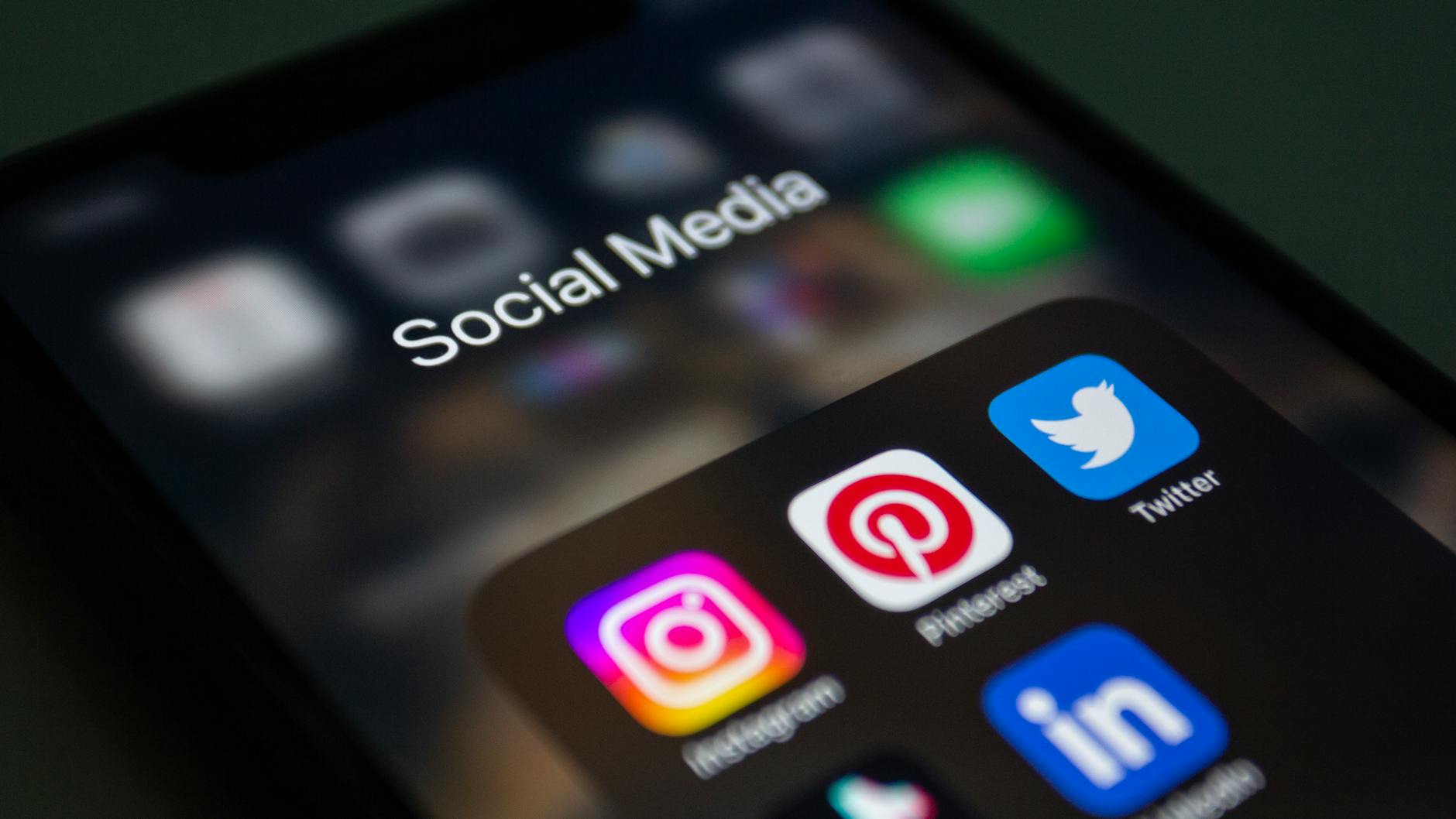
Digital nomads already understand something that traditional property investors often overlook: people don’t just book accommodations — they buy into a lifestyle, a feeling, and an experience. That is why social media platforms like Instagram, TikTok, and Pinterest have become incredibly powerful tools for promoting holiday rentals. As someone who travels, works remotely, and experiences different cultures firsthand, you are already creating the kind of content modern travelers are actively searching for.
Rather than treating your social channels like traditional advertising spaces, focus on telling the story of what it actually feels like to stay at your property. Show the morning routine of working from a sunlit terrace with coffee and ocean views. Capture the nearby cafés where remote workers spend afternoons taking calls or networking with other travelers. Share local markets, hidden beaches, co-working spaces, and authentic experiences that guests would discover during their stay.
Simple moments often perform better than polished advertisements because they feel real and relatable. A quiet sunset from the balcony, a productive remote work setup with fast Wi-Fi, or a short “day in the life” video of living in the area can help potential guests imagine themselves there. That emotional connection is what transforms casual viewers into future bookings.
Guest experiences also become one of your strongest marketing assets. Encourage visitors to tag your property in their posts, share their favorite moments, and leave honest reviews after their stay. This type of user-generated content creates powerful social proof because travelers trust real experiences far more than polished promotional campaigns. When people see others genuinely enjoying your space and lifestyle, your property instantly becomes more credible, desirable, and memorable.
Simplify the Booking Experience
Modern travelers expect the same seamless digital experience from a holiday rental that they receive from major online platforms. The moment a booking process feels confusing, slow, or outdated, potential guests often abandon the reservation and move on to another property. In a highly competitive market, convenience directly impacts revenue.
For digital nomads investing in short-term rentals, creating a frictionless booking experience is no longer optional — it is part of the overall guest experience and an important factor in maximizing occupancy rates. Guests want to instantly check availability, understand pricing clearly, and complete reservations within minutes, often directly from their phones while traveling or working remotely themselves.
Transparent pricing helps build trust from the beginning. Hidden fees, unclear policies, or delayed responses can quickly discourage potential guests. Clear cancellation terms, fast communication, and mobile-friendly booking systems create a sense of professionalism and reliability that modern travelers appreciate. The easier it feels to book your property, the more likely guests are to commit without hesitation.
Platforms like Holidu help property owners simplify this process by synchronizing calendars, automating bookings, and increasing visibility across multiple travel websites. For digital nomads managing properties remotely from different countries and time zones, automation becomes especially valuable. Instead of spending hours replying to repetitive inquiries or manually updating calendars, you can create systems that handle reservations efficiently while allowing you to focus on scaling your investments, traveling freely, or improving the guest experience itself.
Ultimately, the goal is to make booking your property feel effortless. In today’s travel economy, speed, clarity, and convenience are often the difference between an inquiry and a confirmed reservation.
Email Marketing Helps Build Repeat Guests
Most hosts ignore one of the highest ROI marketing tools available: email. Every guest who stays at your property is a potential repeat customer.
Build a simple newsletter to:
- Share seasonal discounts
- Promote longer stays
- Announce local events
- Offer referral bonuses
- Reward returning guests
Repeat bookings reduce marketing costs and create more predictable income. For nomad investors, this means stronger cash flow without constantly chasing new customers.
Guest Experience Is Your Competitive Advantage

Reviews drive rankings, trust, and conversions. The best-performing rentals consistently improve based on guest feedback.
Pay attention to:
- Wi-Fi quality
- Self check-in experience
- Cleanliness
- Local recommendations
- Workspace comfort
- Communication speed
Remote workers and long-term travelers especially value reliability and convenience. Small upgrades and special gifts often produce outsized returns in ratings and occupancy.
Build an Asset That Works While You Travel

The beauty of holiday rental investing is flexibility. With the right systems, branding, and marketing strategy, your property can generate income while you move between countries, work remotely, or explore new opportunities.
The goal is no longer just owning property. It’s building scalable, location-independent income streams that support the freedom-focused lifestyle digital nomads value most.
In an increasingly competitive market, the hosts who think like entrepreneurs — not just landlords — are the ones who win.
 Nomadlytics
Leave a comment