
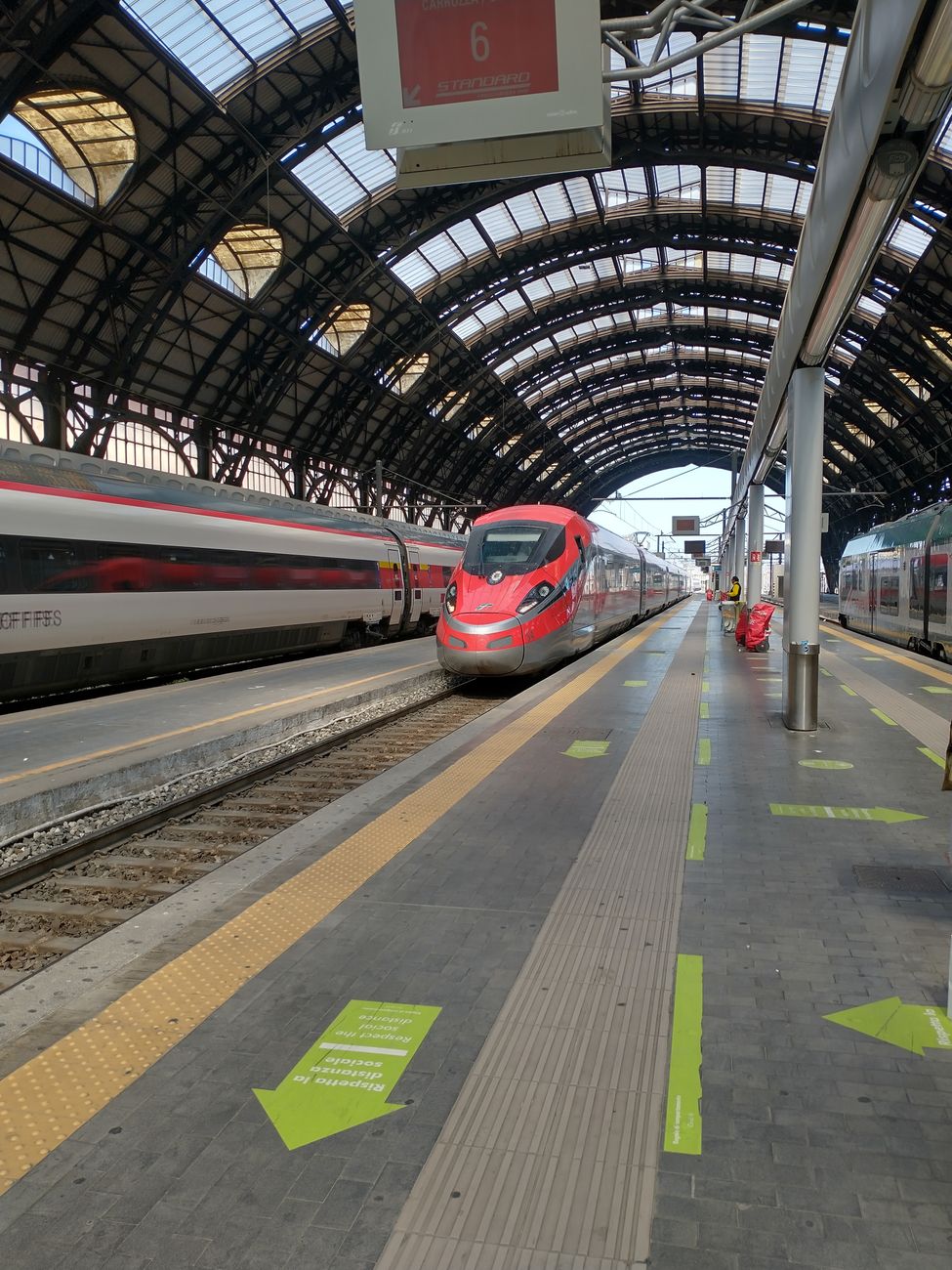
Train travel in Europe is having a major comeback and honestly, there has never been a better time to explore the continent by rail. New sleeper train routes are opening, high-speed connections are getting faster, and rail passes are becoming more flexible for travelers who want to avoid airports, baggage fees, and chaotic security lines. Last but not least, the train travel is sustainable!
If you are planning a European adventure this year, traveling by train is no longer just the romantic option — it is often the smartest one. You can wake up in Paris, have lunch in Zurich, and arrive in Milan by dinner without dealing with airports once. Overnight trains are also returning in a big way, making it possible to save money on hotels while covering huge distances as you sleep.
This guide covers the best European train travel tips, including the newest train routes, sleeper train updates, rail pass advice, booking strategies, and practical things first-time travelers should know before hopping on board. Let’s start!
Why European Train Travel Is Popular Again?
Over the last few years, Europe has invested heavily in rail infrastructure, and travelers are responding. More people now prefer trains over short-haul flights, especially for routes under six hours.
The reasons are obvious once you try it. City-center to city-center travel is easier, trains are more comfortable than budget airlines, and the scenery alone can turn a transportation day into one of the highlights of the trip.
Another major factor is sustainability. Rail travel produces far fewer emissions than flying, and many European countries are actively expanding their train networks to reduce air traffic on short routes.
Finally we see something many people thought Europe had lost forever: the golden age of sleeper trains. Let’s explore those in detail:
The Return of Sleeper Trains in Europe
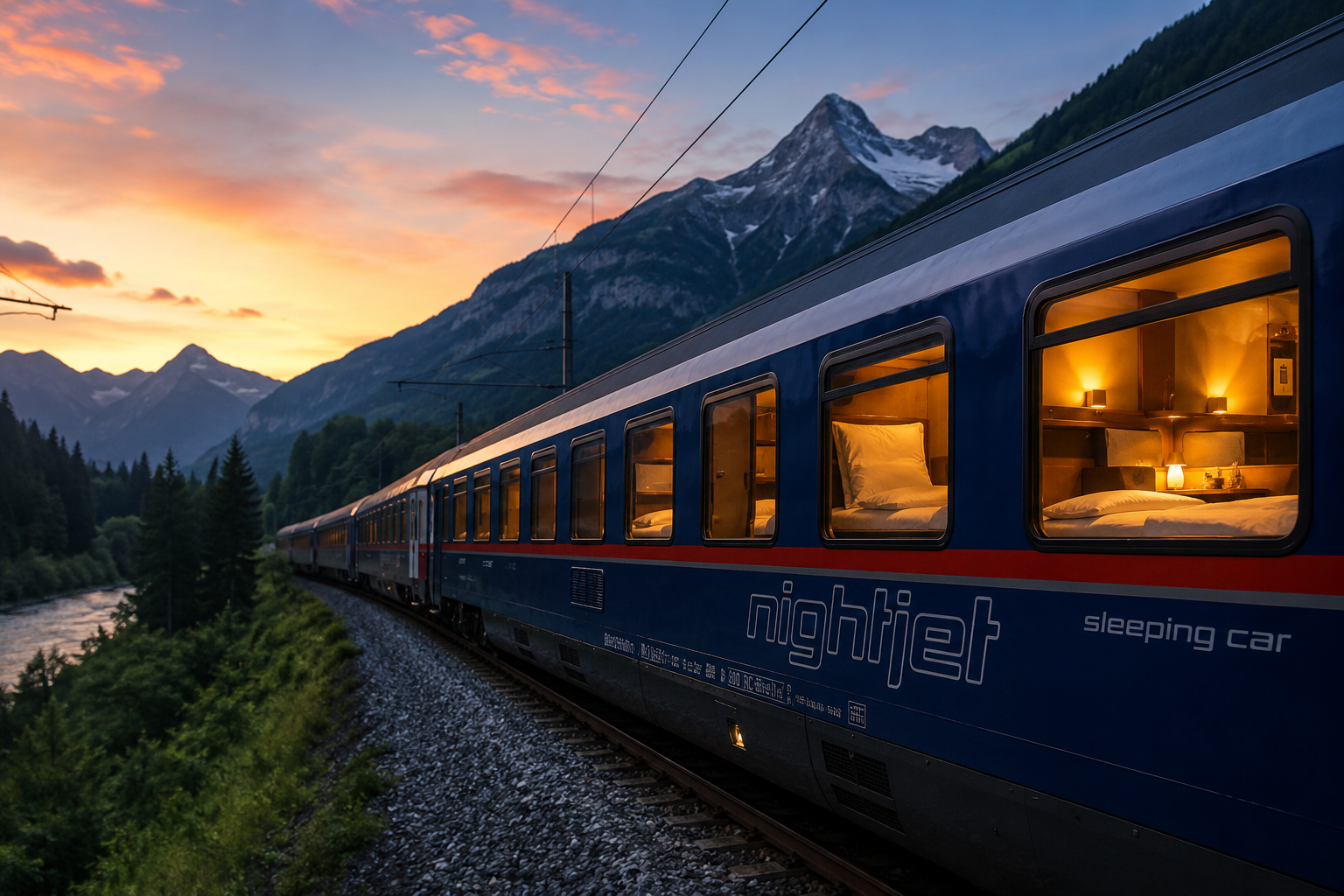
Sleeper trains are one of the biggest travel trends right now. Instead of paying for a hotel and wasting a daytime travel slot, you can board at night and wake up in a completely different country. And unlike old-fashioned overnight trains from decades ago, many of today’s sleepers are modern, comfortable, and surprisingly stylish. Some of the biggest new and expanded sleeper routes in Europe include:
Paris to Berlin Overnight Train
One of the most anticipated launches of 2026 is the new overnight route connecting Paris and Berlin. The service officially returned in March 2026 and is already super popular.
The route links Paris, Brussels, and Berlin overnight, making it one of the easiest ways to connect Western and Central Europe without flying. If you are planning a multi-country Europe itinerary, this route is a game changer.
One way ticket starts at 34.99 € while comfort Private Single sleeper car is around 155,00€. You can book directly through the official Nightjet website. or through Deutsche Bahn (DB) and SNCF Connect.
Brussels to Milan Sleeper Train
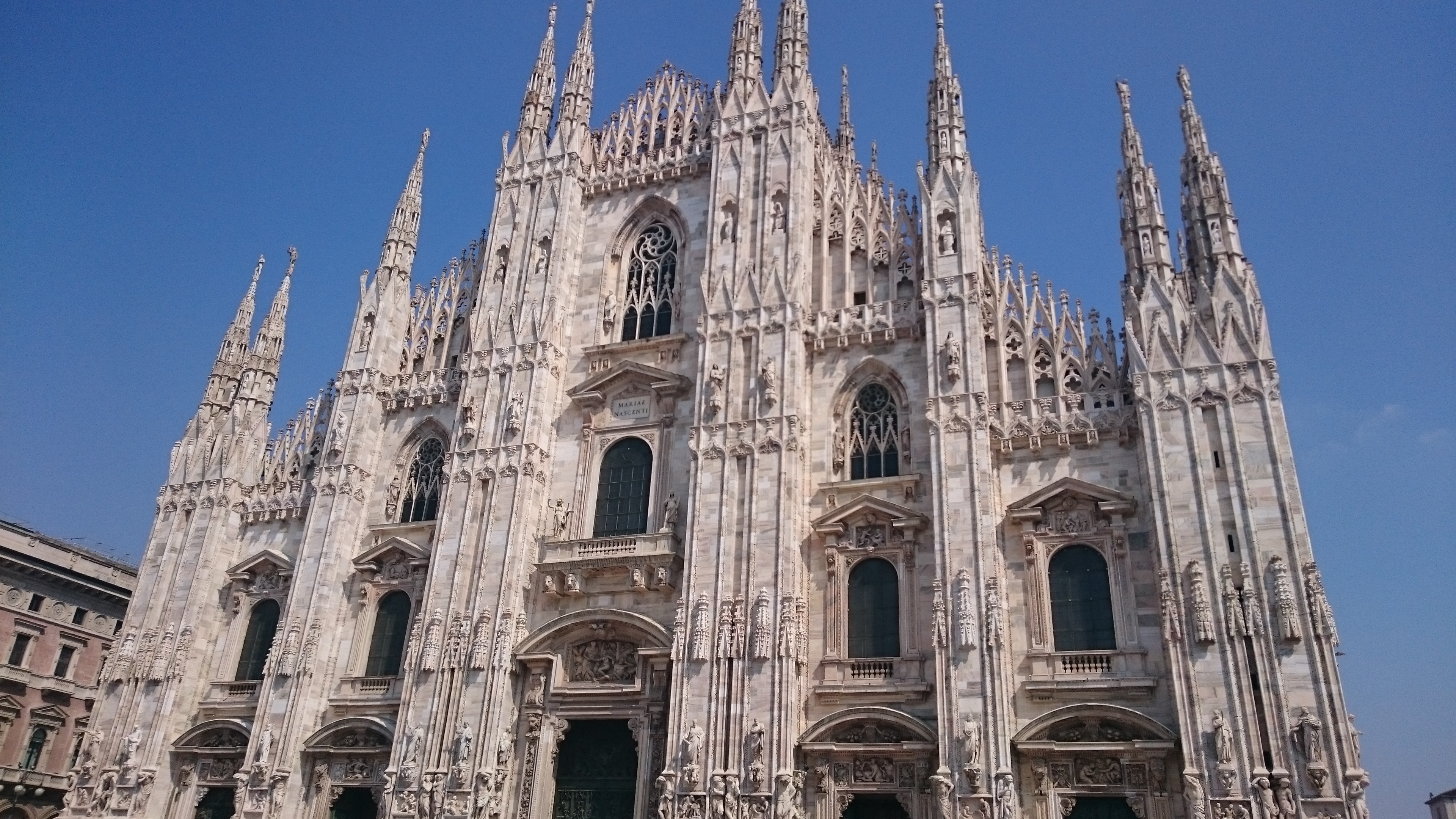
Another exciting addition is the European Sleeper route connecting Brussels and Milan, launching in late 2026. The train passes through Cologne, Zurich, Lugano, and Lake Como before arriving in Milan.
This route is especially exciting because it combines major cities with incredible Alpine scenery. You essentially go to sleep in Northern Europe and wake up near the Italian lakes.
One way ticket starts at 29.99 € while comfort Plus sleeper car with breakfast is around 130,00€. The best place to book is the official European Sleeper website: European Sleeper booking portal.
Brussels to Prague Sleeper
The Brussels-to-Prague sleeper remains one of the best-value overnight train experiences in Europe. The route includes stops in Amsterdam, Berlin, and Dresden, making it incredibly useful for backpackers and long-term travelers.
Prague continues to be one of the best rail hubs in Central Europe, so this route opens up easy onward connections into Austria, Hungary, Slovakia, and Poland.
You can buy one way ticket as low as 39€ and a private sleeper from 159€. Tickets can be booked directly through the official European Sleeper website: European Sleeper booking portal. Booking early is recommended, as the lowest fares tend to sell out first. The journey is approximately 15 hours long, with overnight stops in Dresden, Berlin, Amsterdam, Antwerp, and Brussels.
Best European Countries for Train Travel
Not all rail networks are created equal. Some countries are especially easy, efficient, and scenic for train travel.
Switzerland
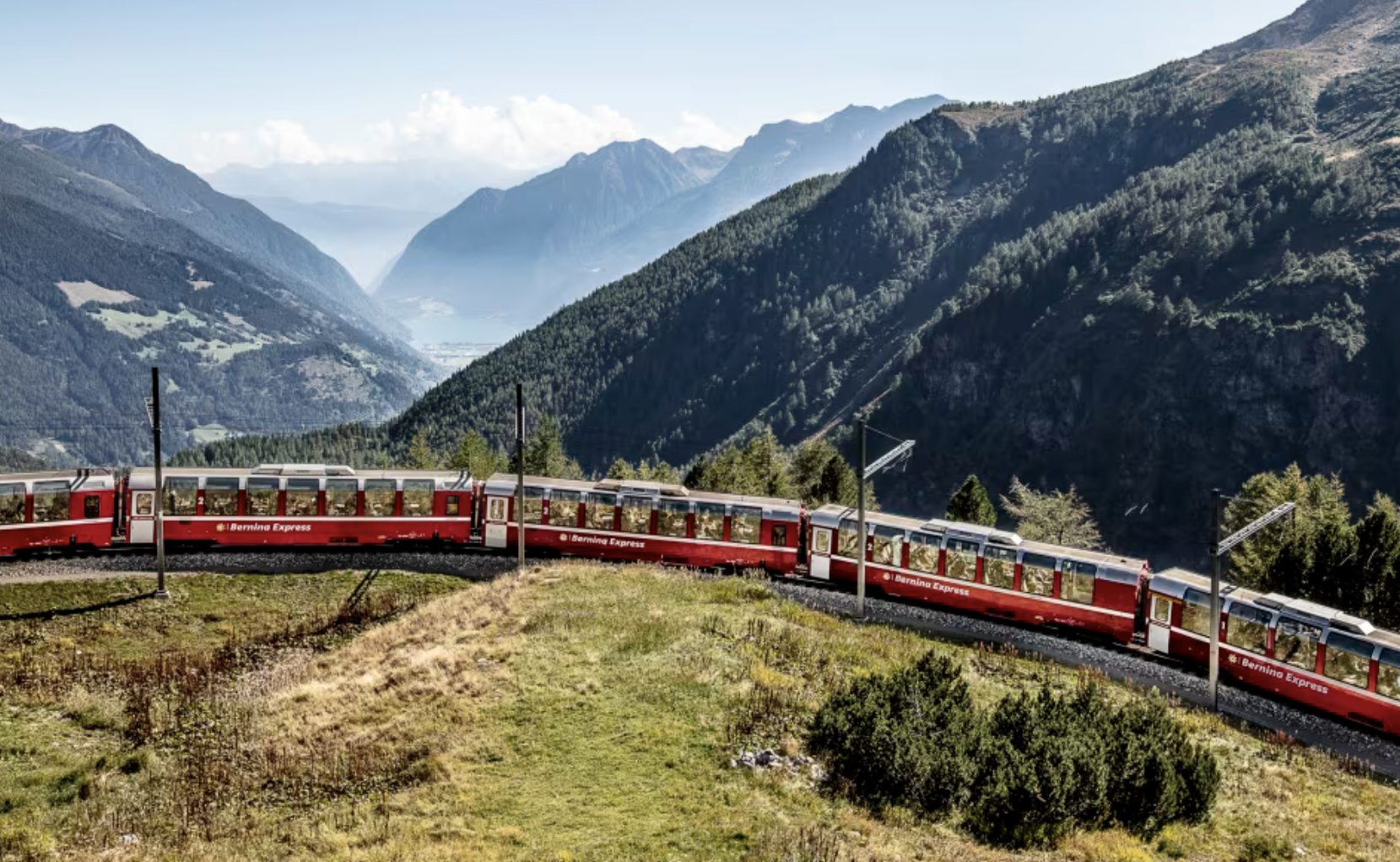
Switzerland still has arguably the best rail system in Europe. Trains are unbelievably punctual, connections are smooth, and the the breathtaking mountain scenery.
In really doesn’t matter which train will you choose in Switzerland. Of course the most panoramic ones are the Glacier Express and Bernina Express but even ordinary regional trains can feel like sightseeing experiences here.
The only downside is the cost. Switzerland is expensive, so rail passes become especially valuable. Booking in advance is mandatory. Stay tuned, next week I will post about traveling by train through Switzerland – many routes, prices, discounts and tips on how to make the most out of your trip in Switzerland.
Italy
Italy is one of the easiest countries for first-time European train travel.
High-speed Frecciarossa trains connect cities like Milan, Florence, Rome, Naples, and Venice quickly and comfortably. Northern Italy is particularly train-friendly. You can combine Milan, Lake Como, Verona, Venice, Bologna, and the Dolomites without needing a car. Booking high-speed trains early often saves huge amounts of money.
Austria
Austria is becoming a sleeper train powerhouse thanks to ÖBB Nightjet services. Vienna is now one of Europe’s best-connected rail hubs for overnight travel. From Vienna, you can easily reach Germany, Italy, Switzerland, Hungary, Croatia, and beyond.
Austria also benefits from the new Koralmbahn railway, which drastically reduces travel times between Graz and Klagenfurt in 2026.
Germany
Germany’s ICE trains remain among the fastest and most comfortable in Europe. Berlin, Munich, Hamburg, Frankfurt, and Cologne are all very well connected. Germany is also excellent for cross-border travel because so many international routes pass through the country.
Eurail vs Interrail
If you are planning multiple train journeys across Europe, a rail pass can save both money and stress.
The difference is simple:
- Eurail is for non-European residents
- Interrail is for European residents
Both passes work similarly and cover most major train operators across Europe. You can buy them online and take advantage of early bird promotions. Check the website of Eurorail and Interrail to find best passes. To give you an idea a pass of 10 (non consecutive) days valid for 2 months starts at 400 EUR.
A Eurail Global Pass makes is super worth it if you:
- Visit several countries
- Travel long distances frequently
- Want flexibility
- Plan to use expensive trains like Swiss or Austrian routes
It may not be worth it if:
- You only visit one country
- You travel slowly
- You mainly use buses or budget airlines off the peak season
One important thing many first-time travelers do not realize is that some high-speed and sleeper trains still require paid reservations, even with a pass. This catches a lot of people off guard. In fact, the most common mistake is assuming the rail pass covers everything completely. In reality, many trains require advance reservations, especially:
- Eurostar
- TGV trains in France
- Night trains
- Some Italian high-speed routes
- Popular international connections
In summer, these reservations can sell out weeks ahead. Before booking a Eurorail PAss, check if the additional reservations are still available (if you need them of course). For example Paris-Amsterdam train line gets sold out really quickly, especially in summer.
Best Rail Pass Deals
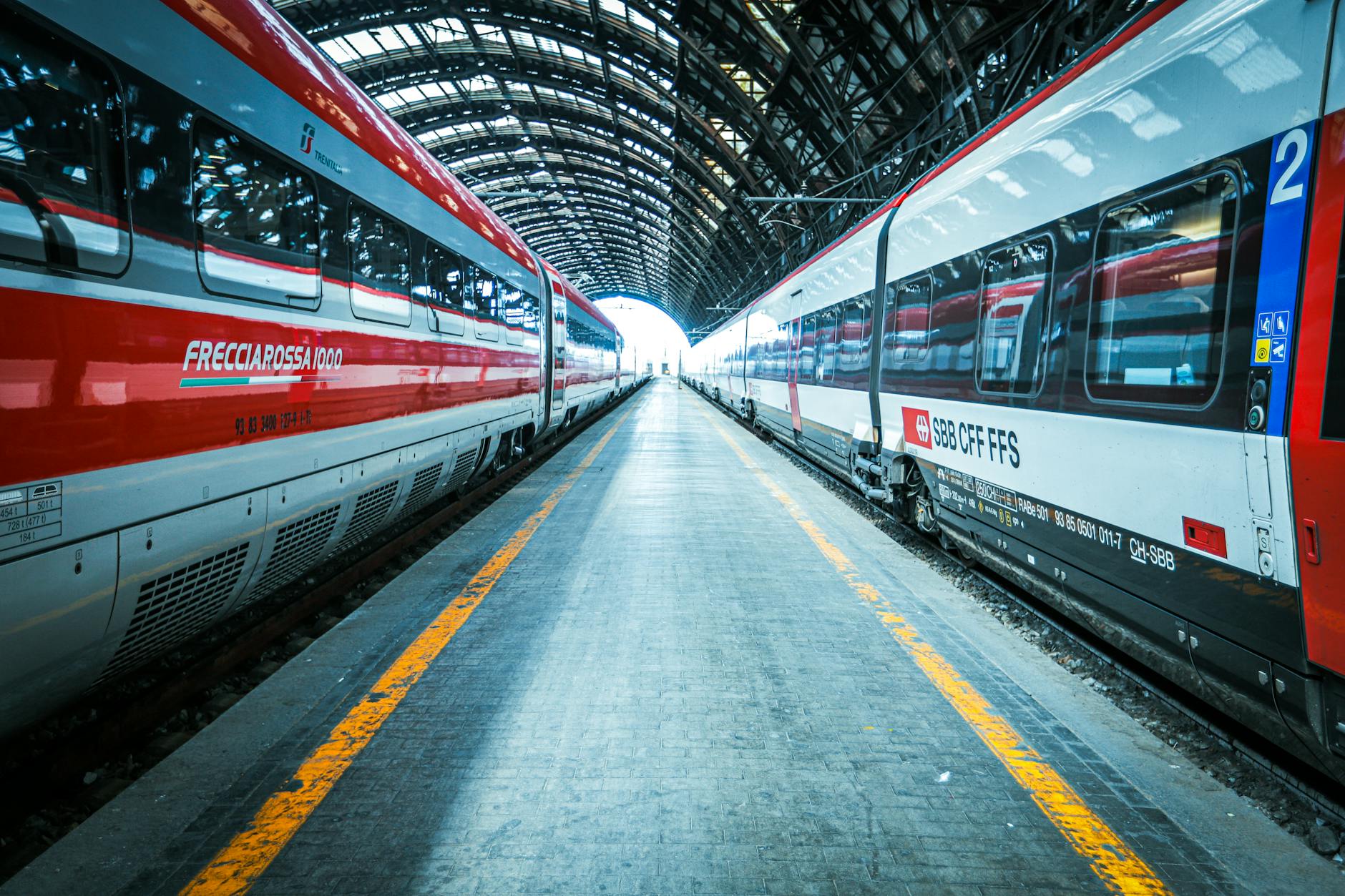
Rail operators continue offering seasonal discounts continuously. Promotions for Eurail and Interrail passes often include discounts of around 15%, especially during spring booking periods. Travelers under 28 still get youth discounts, and seniors over 60 often qualify for reduced fares as well. Children also continue traveling free or heavily discounted with adults on many passes.
One of the smartest strategies to book your ticket is combining:
- A flexible rail pass
- Early sleeper reservations
- Regional trains for shorter routes
This usually creates the best balance between flexibility and cost. Train travel, in fact, can be affordable, but only if you book strategically. Just like flights, European train prices increase closer to departure.
Routes like:
- Paris to Amsterdam
- Milan to Rome
- Barcelona to Madrid
- Vienna to Venice
can double or triple in price last minute. Booking two to three months ahead often gets the best fares.
Use Overnight Trains to Save on Hotels
Sleeper trains can replace a hotel night entirely. Even if a couchette costs slightly more than a daytime ticket, you still save on accommodation while maximizing sightseeing time. For long routes, overnight trains are often excellent value.
Travel Outside Fridays and Sundays
Weekend trains are usually the busiest and most expensive. Tuesday and Wednesday departures often have significantly cheaper fares.
Avoid Booking Through Third-Party Sites When Possible
Use the official websites of the main rail operators like:
- ÖBB in Austria
- Deutsche Bahn in Germany
- Trenitalia In Italy
- SNCF in France
Third-party booking systems often show incomplete schedules or outdated reservation requirements. Plus, they always charge a service fee.
The Best Scenic Train Journeys in Europe for 2026
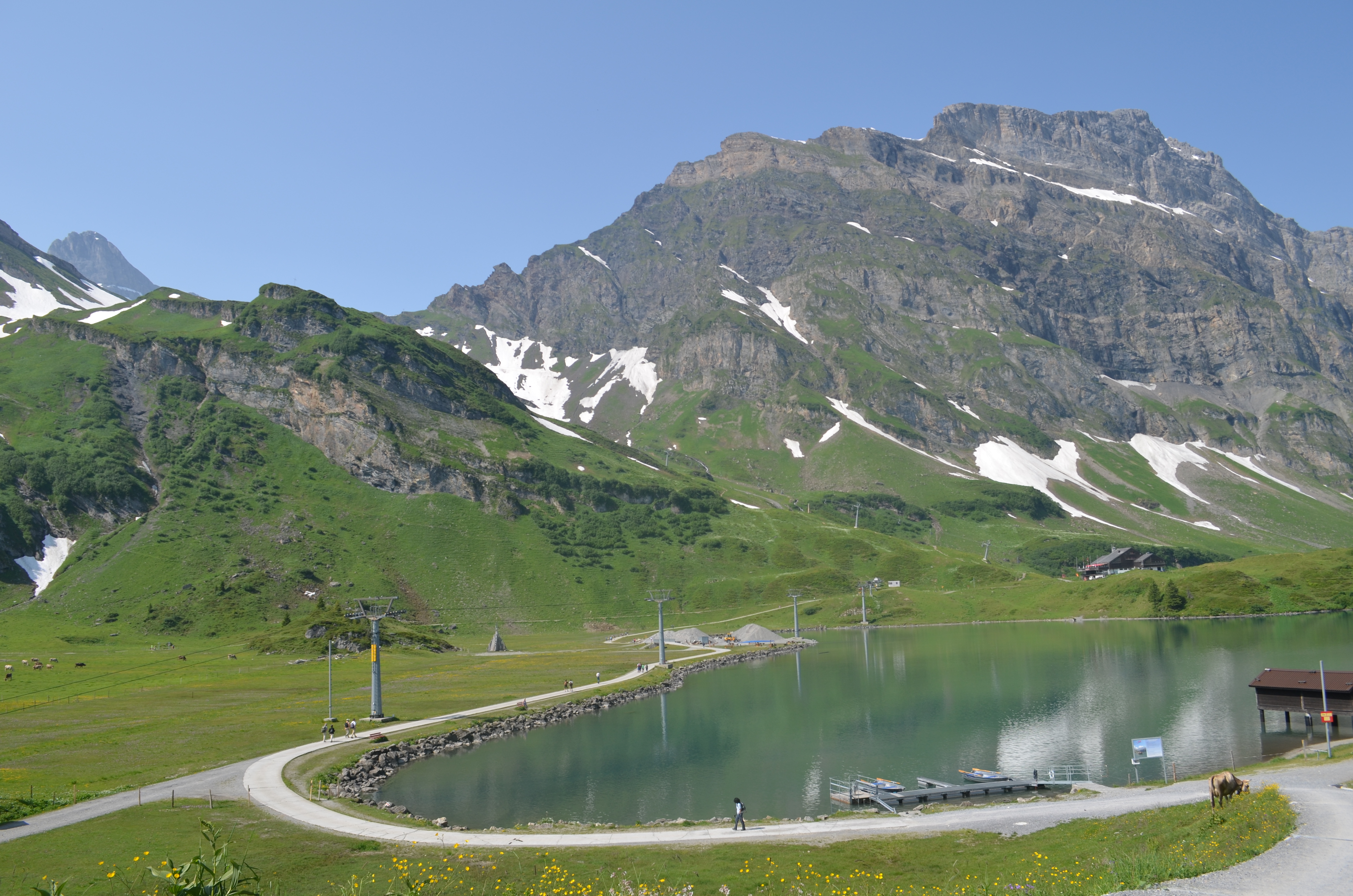
Europe is packed with train routes where the journey itself becomes the attraction. If you don’t know which where to start while planning your trip, check the following routes and get inspired.
Zurich to Milan
This route through the Swiss Alps and Lake Como region is one of Europe’s most beautiful rail journeys. The Gotthard route and surrounding Alpine scenery are incredible year-round.
Vienna to Venice
Thanks to new rail improvements in Central Europe, this journey is becoming faster and smoother. You go from imperial Austrian cities to Italian canals in a single day. The only negative is the total over tourism in Venice.
Bergen Railway in Norway
The Oslo-to-Bergen route remains one of the world’s best train rides, especially during summer when waterfalls and snow-covered plateaus create a marvelous scenery.
Bernina Express
Still iconic. Still worth it. The route between Switzerland and Italy crosses old bridges, glaciers, mountain lakes, and tiny Alpine villages. Stay tunes, because next week I will write some more about visiting Switzerland by train.
Practical Tips:
- Pack Lighter Than You Think
European stations often involve stairs, quick platform changes, and cobblestones. One medium suitcase or backpack is ideal.
- Download Offline Tickets
Do not rely entirely on internet access. Many operators now use mobile QR tickets, but train stations sometimes have weak signals underground.
- Leave Buffer Time for Connections
Not every train runs perfectly on time, especially cross-border services. Avoid super-tight connections whenever possible.
- Understand Reservation Rules
This is one of the biggest sources of confusion. Some trains require reservations and some others do not need reservation at all – read the rules when booking.
- Bring Food for Long Journey
Many trains have dining cars, but not all do. Station bakeries and supermarkets are your best friends before long rides.
Should You Choose Trains Over Flights in Europe?
For many routes, absolutely. Trains are usually better than flying for journeys under six hours because:
- Stations are central
- Boarding is easier
- No airport security chaos
- Less waiting time
- More comfortable seating
- Better scenery
When you include airport transfers and waiting times, trains are often just as fast door-to-door. And honestly, sitting in a café car while crossing the Alps beats standing in an airport queue any day.
European train travel in feels certainly exciting again. The expansion of sleeper trains, new international connections, and improved high-speed routes are making rail one of the best ways to experience the continent.
Whether you are planning a two-week vacation or a months-long backpacking adventure, trains allow you to see Europe in a slower, more immersive way. You actually experience the landscapes between destinations instead of teleporting over them.
The key to a successful rail trip is balancing flexibility with planning ahead. Reserve popular routes early, stay open to slower scenic journeys, and do not underestimate how much overnight trains can improve your itinerary. Because sometimes the best part of a European trip is not the destination — it is waking up somewhere completely new while the train rolls into the station at sunrise.


Leave a comment