

Travel in Europe is changing. Instead of rushing through five countries in ten days, more travelers are choosing a slower way to explore the continent. Slow travel in Europe is all about staying longer, experiencing local culture, avoiding burnout, and discovering places beyond the typical tourist checklist.
Whether you are a digital nomad, remote worker, long-term traveler, or simply someone who wants a deeper connection with a destination, Europe offers countless cities and regions perfect for extended stays. From affordable coastal towns to quiet mountain villages, these destinations combine quality of life, good infrastructure, and authentic local experiences.
Here are 12 of the best destinations in Europe for slow travel in 2026.
1. Valencia, Spain
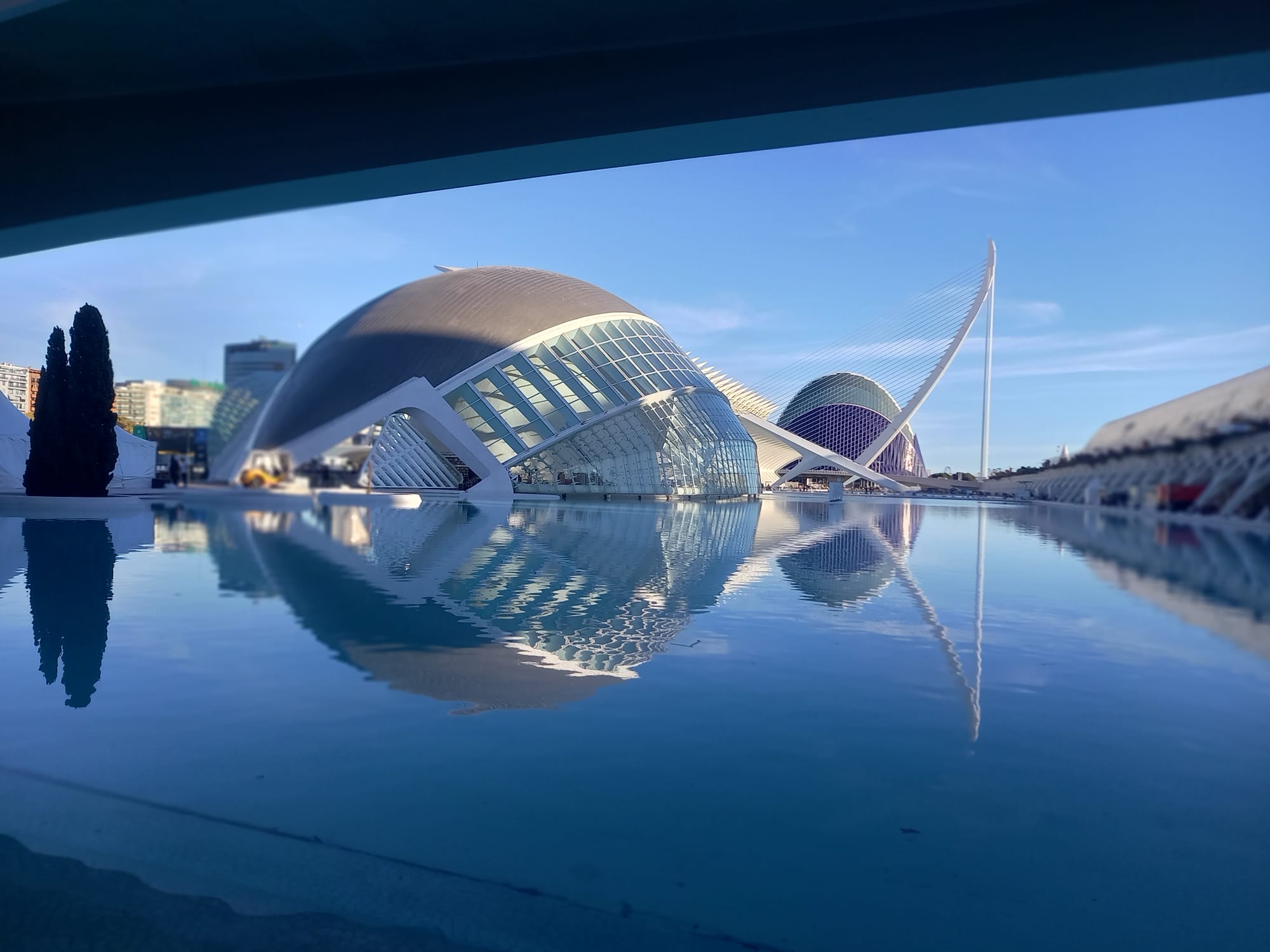
Valencia has quietly become one of the best cities in Europe for long-term stays. Compared to Barcelona or Madrid, it offers a slower pace, lower living costs, and fewer crowds while still delivering incredible food, beaches, and culture.
The city is especially popular with remote workers thanks to its reliable public transport, sunny climate, and growing co-working scene. You can spend mornings working from cafés, afternoons cycling through Turia Gardens, and evenings enjoying authentic paella by the sea.
If you are looking for affordable slow travel in Europe, Valencia strikes the perfect balance between city life and relaxation. Check my dedicated post and plan your trip to Valencia!
2. Porto, Portugal
Porto is ideal if you want a beautiful European city without the overwhelming tourism of Lisbon. Colorful streets, riverside cafés, and a slower rhythm of life make it easy to settle in for weeks or even months.
The cost of living remains relatively affordable compared to many Western European destinations, and Portugal’s digital nomad popularity continues to grow. Porto also works well as a base for exploring northern Portugal and nearby coastal towns. Check my little guide for visiting Northern Portugal.
3. Ljubljana, Slovenia
Slovenia’s capital is one of Europe’s most underrated cities for slow travel. Ljubljana is compact, green, walkable, and incredibly peaceful. Life moves slower here, making it perfect for travelers who want to escape crowded tourist hubs.
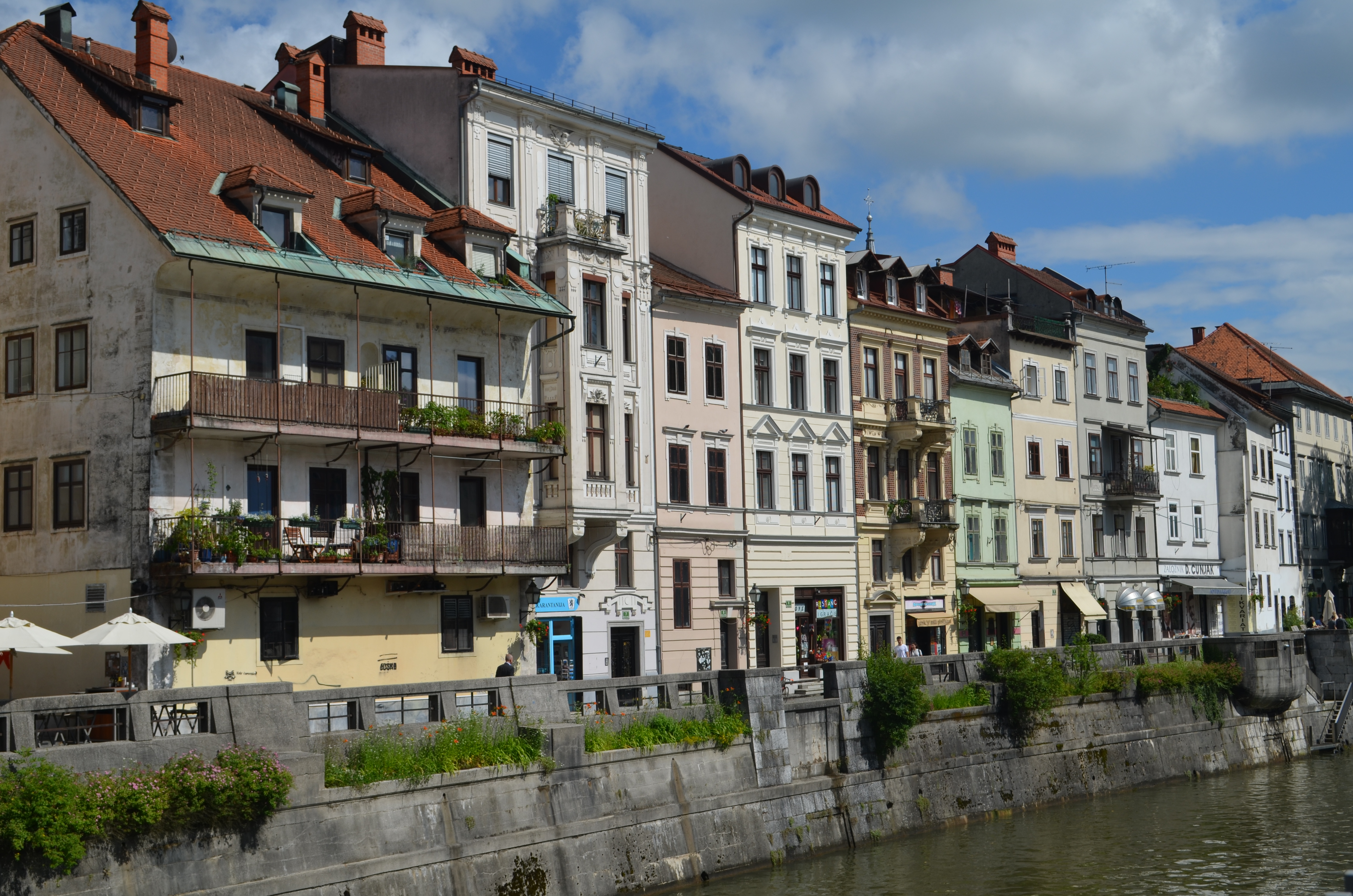
One of the biggest advantages is location. Within a short distance, you can visit lakes, mountains, vineyards, and the Adriatic coast. Many travelers arrive for a few days and end up staying much longer. I featured Ljubljana while writing about 5 European cities to visit in autumn but the Slovenian capital is great in every season.
4. Bologna, Italy
While Rome, Venice, and Florence attract most international visitors, Bologna offers a more authentic Italian experience. Known for its food culture, university atmosphere, and beautiful architecture, the city is ideal if you want to experience daily life in Italy. Bologna is also one of the best-connected cities in Europe by train, making weekend trips easy without constantly changing accommodation.
Slow travel here means long lunches, local markets, and evenings spent in lively piazzas rather than rushing between tourist attractions.
5. Kotor, Montenegro
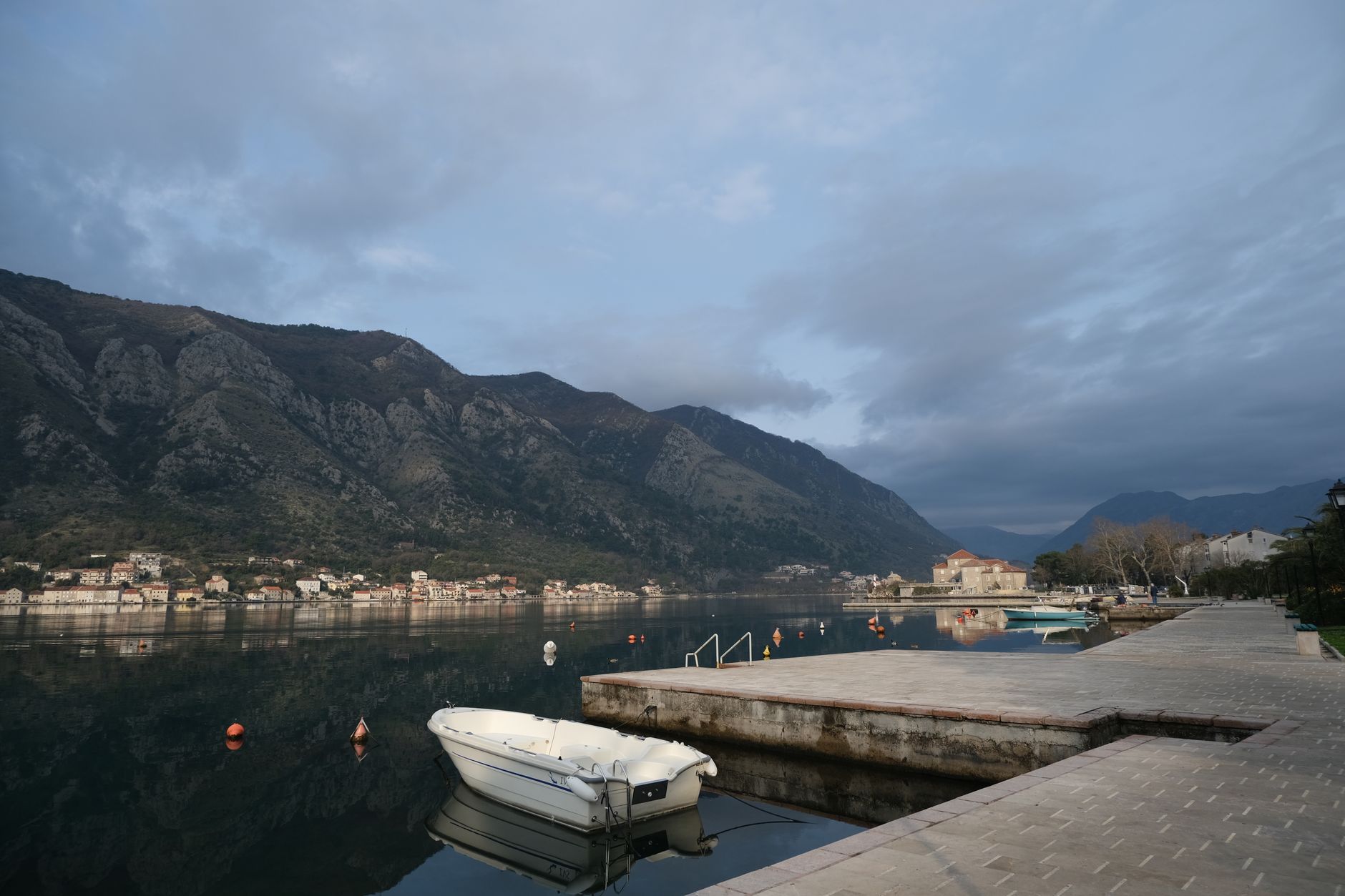
Searching for an affordable coastal destinations in Europe? Kotor is becoming increasingly attractive. Surrounded by mountains and located on the Bay of Kotor, this small town offers stunning scenery and a much calmer atmosphere than many Mediterranean hotspots.
Montenegro is especially appealing for longer stays because accommodation and dining costs remain lower than in nearby Croatia or Italy.
6. Annecy, France
Annecy combines Alpine scenery with relaxed French charm. Located near the Swiss border, the town is famous for its lake, canals, and mountain views.
Unlike Paris or the French Riviera, Annecy encourages a slower lifestyle. Days are spent cycling around the lake, shopping at local markets, or enjoying long café lunches with mountain views.
It is one of the best places in Europe for nature, wellness, and work-life balance.
7. Kraków, Poland
Kraków continues to rank among Europe’s best-value cities for long-term travel. The city combines affordable living, excellent public transport, strong café culture, and rich history.
It is especially attracting for students, remote workers, and slow travelers looking for a lively but manageable European city. Winters can be cold, but the cozy atmosphere and lower prices make it attractive year-round.
8. Crete, Greece
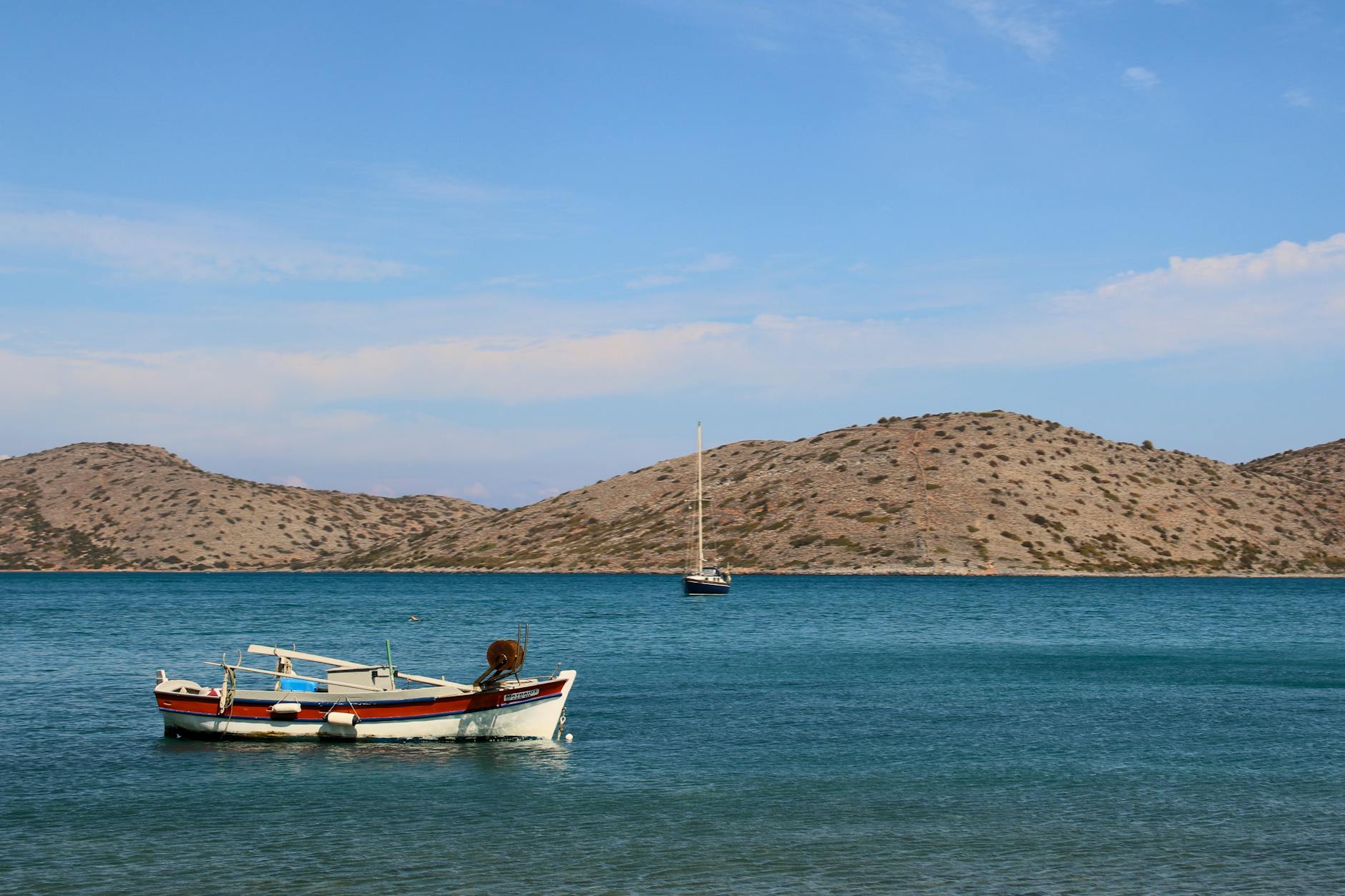
Most people only visit Greek islands for a few days, but Crete is one of the few destinations where you can comfortably stay for months. The island has a relaxed lifestyle, beautiful beaches, mountain villages, and excellent local food.
Outside the peak summer season, Crete becomes much quieter and more affordable, making it perfect for slow travel in Europe.
9. Tbilisi, Georgia
Although technically located at the crossroads of Europe and Asia, Tbilisi has become a major destination for long-term travelers and digital nomads.
Georgia offers generous visa policies, low living costs, and an increasingly international community. Tbilisi itself is known for its creative atmosphere, historic architecture, and thriving food scene.
If you are looking for an affordable long stay destination with strong café culture and fast internet, Tbilisi remains one of the best choices in the region.
10. Split, Croatia
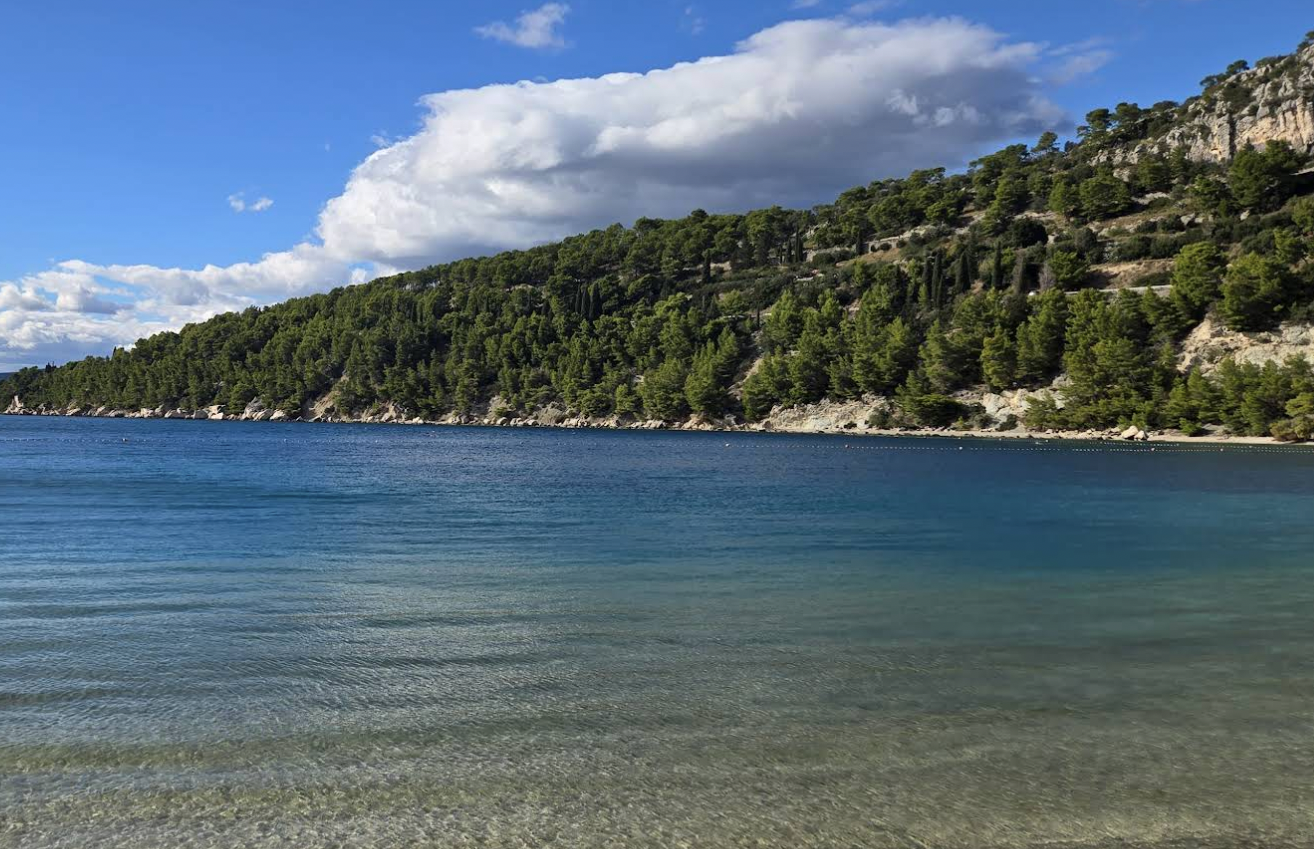
Croatia is no longer Europe’s hidden gem, but Split still works extremely well for slow travel outside the busiest summer months.
The combination of Adriatic beaches, historic old town streets, island access, and Mediterranean lifestyle makes it easy to stay longer than planned. Visiting during spring or autumn allows you to enjoy the city without peak-season crowds.
11. Innsbruck, Austria
Slow travel is not only about beaches and cafés. Innsbruck is perfect for those of you who want outdoor adventure combined with a high quality of life.
Surrounded by the Alps, the city offers skiing in winter, hiking in summer, and some of Europe’s most spectacular scenery year-round. Austria can be expensive, but longer stays outside tourist seasons are often far more affordable than travelers expect.
12. Tallinn, Estonia
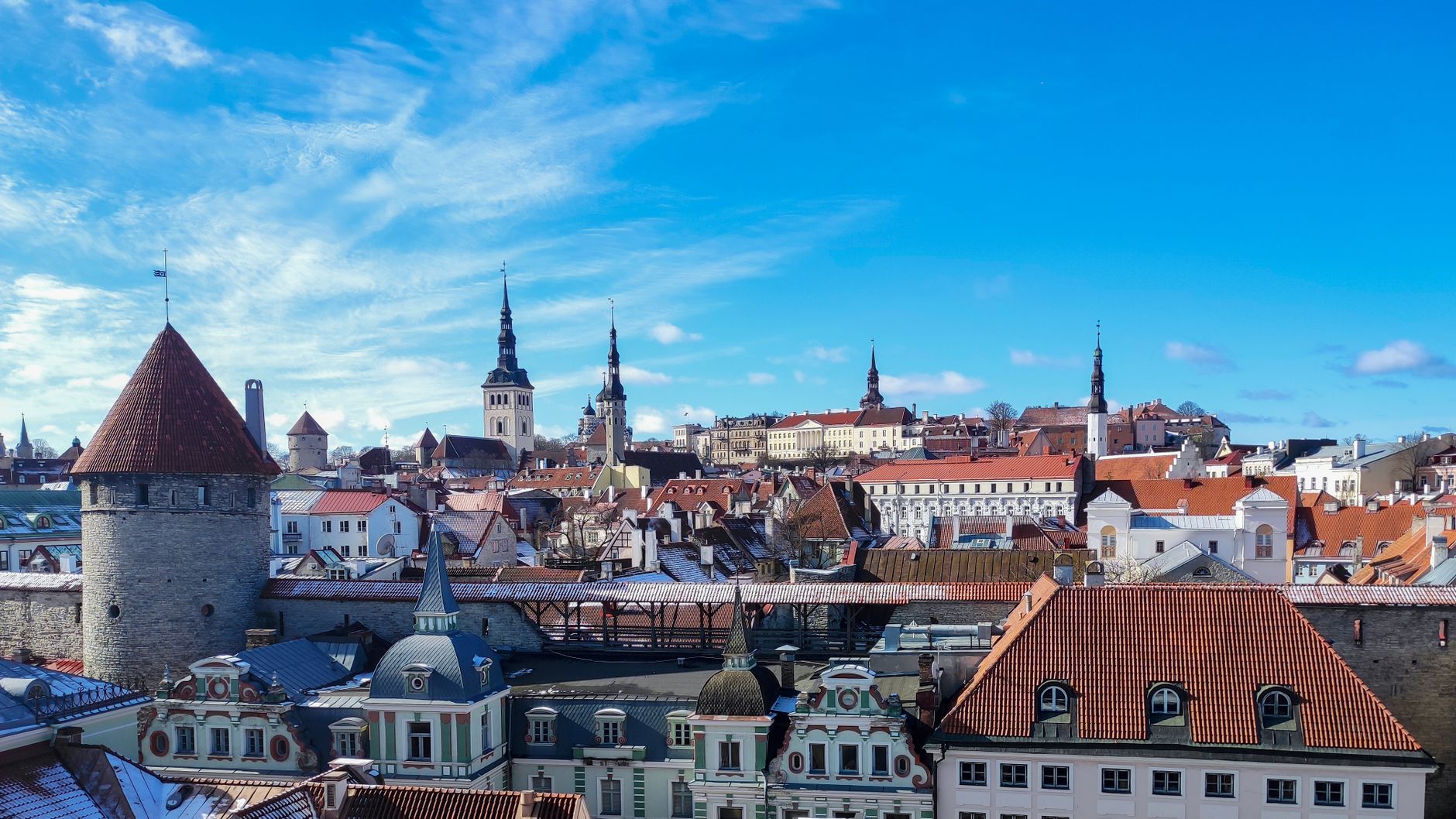
Tallinn is becoming one of Northern Europe’s top destinations for remote workers and slow travelers. The city blends medieval architecture with modern digital infrastructure, creating a unique mix of old and new Europe.
Estonia’s strong internet, startup culture, and efficient public services make daily life remarkably easy for long-term visitors.
Why Slow Travel in Europe Is Growing?
While traveling it’s better to choose meaningful experiences over packed itineraries. Rising travel costs, remote work opportunities, and growing concerns about overtourism have all contributed to the popularity of slow travel.
Instead of trying to “see everything,” choose to live temporarily like locals — rent apartment, shop at neighborhood markets, learn local customs, and explore destinations more deeply.
Slow travel is often cheaper, less stressful, and far more rewarding than traditional fast-paced tourism.
Europe remains one of the best regions in the world for slow travel thanks to its excellent transport connections, cultural diversity, and variety of lifestyles. Whether you prefer coastal towns, mountain cities, historic centers, or affordable hidden gems, there is no shortage of destinations perfect for longer stays. The biggest advantage of slow travel is simple: you stop feeling like a tourist and start feeling connected to the place you are visiting.
 Nomadlytics
Leave a comment