
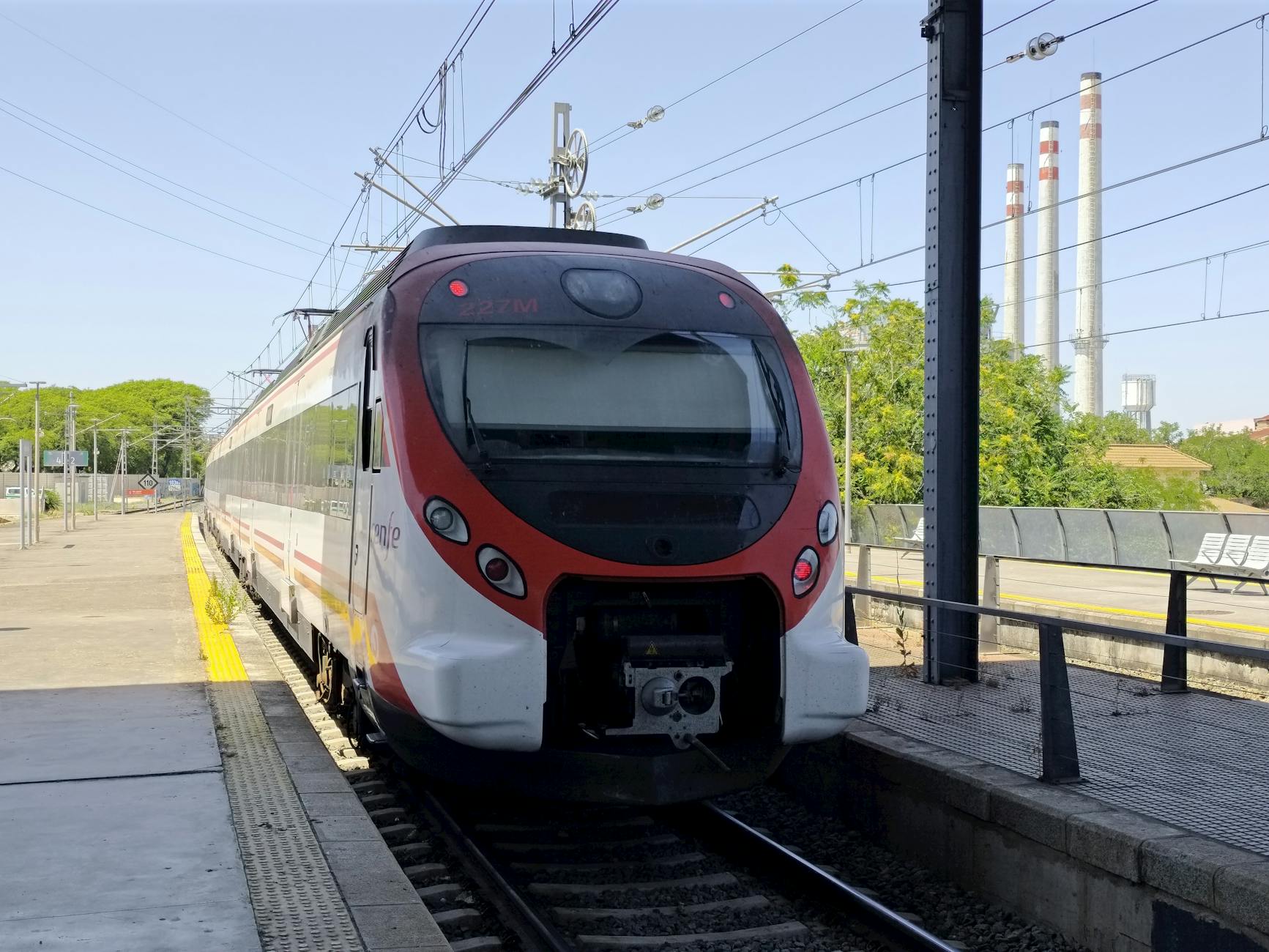
Europe and train travel go together perfectly. There is something timeless about arriving directly into the center of a historic city, stepping off the platform with a coffee in hand, and immediately feeling immersed in the destination. No airport transfers, no endless security lines, and no spending hours outside the city before your trip even begins.
Today, train travel across Europe is easier than ever. High-speed rail connections continue to expand, sleeper trains are making a comeback, and rail passes are becoming more flexible for travelers planning multi-country adventures. Whether you are planning a slow travel experience or a fast-paced European itinerary, trains allow you to see the continent in a completely different way.
Some cities are especially ideal for rail travel. They are well connected, easy to navigate without a car, and packed with culture, food, architecture, and atmosphere. The journey itself often becomes part of the experience, especially when the train routes pass through Alpine landscapes, coastlines, vineyards, and medieval towns.
If you are planning a rail adventure this year, these are five of the best European cities to visit by train this year.
Paris: The Ultimate European Rail Hub
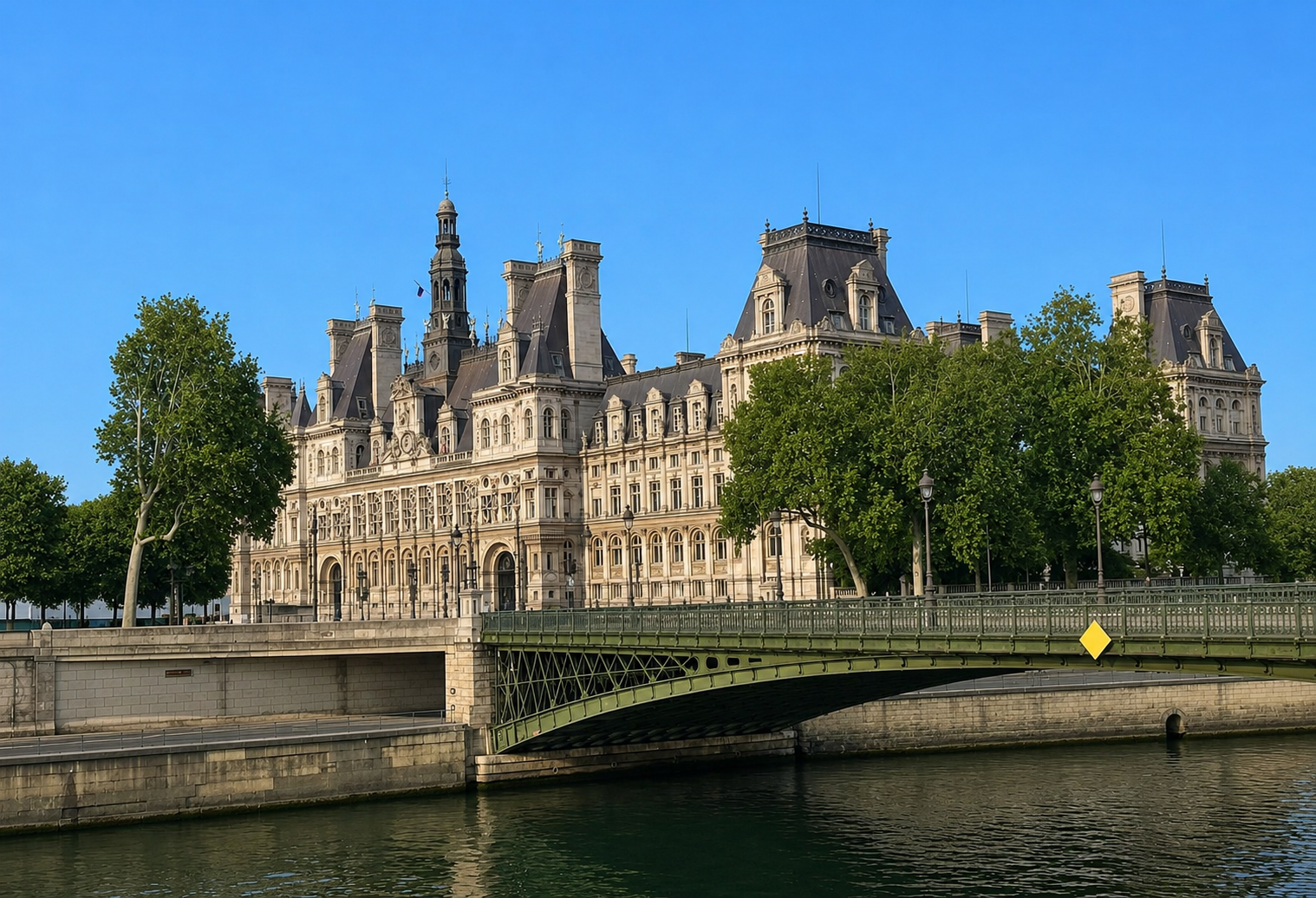
Few cities feel more iconic to arrive in by train than Paris. Whether you pull into Gare du Nord from London, glide into Gare de Lyon from Switzerland, or arrive from Amsterdam on a high-speed train, Paris instantly delivers that romantic European feeling people dream about.
Paris remains one of the best-connected cities in Europe, making it an ideal starting point for a rail itinerary. From here, you can easily continue toward Belgium, Germany, Switzerland, Spain, Italy, or the south of France without needing a flight.
But Paris deserves much more than a quick stopover. The city is endlessly walkable, especially if you stay in neighborhoods like Le Marais, Saint-Germain-des-Prés, or the Latin Quarter. One of the best things about visiting Paris by train is how centrally located the stations are. Within minutes of arriving, you can already be sitting at a café terrace watching the city move around you. If you are eager to explore Paris off the beaten track check my post about Paris here.
Paris continues to balance classic landmarks with a modern creative energy. Of course, first-time visitors still head toward the Eiffel Tower, the Louvre, and Montmartre, but some of the best moments happen away from the tourist hotspots. Canal Saint-Martin has become one of the coolest areas for younger travelers, while the Belleville neighborhood offers incredible food and a more local atmosphere.
Paris is also one of Europe’s best food cities for travelers on every budget. You can spend 2€ on a fresh baguette sandwich or book a Michelin-starred dinner overlooking the Seine. The beauty of Paris is that even simple moments feel special here.
For train travelers, Paris works particularly well because you do not need a car at all. The metro system is extensive, walking is easy, and many neighborhoods are best explored slowly anyway.
Remember to book train tickets into Paris early, especially for Eurostar and international high-speed routes. Popular services between Paris, Amsterdam, Brussels, and London often sell out weeks in advance during summer.
Vienna: Europe’s Most Elegant Train City
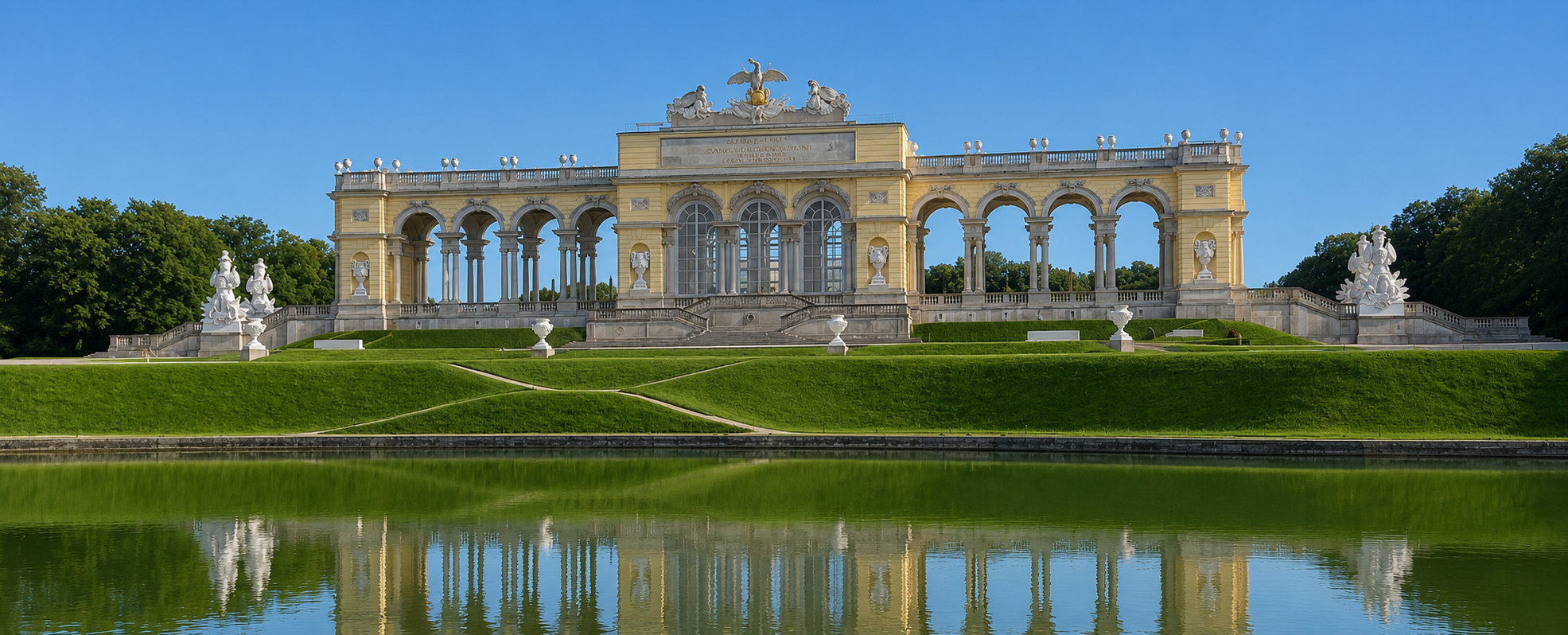
There are cities that are exciting, and then there are cities that are elegant. Vienna belongs firmly in the second category.
The Capital of Austria is one of Europe’s great railway capitals and an essential stop on any Central European train itinerary. The city sits at the crossroads of several major rail routes, connecting travelers easily to Prague, Budapest, Munich, Venice, Zurich, and beyond.
Arriving in Vienna by train is super smooth. The main station is modern, efficient, and well connected to the city center. Within a short ride, you are surrounded by imperial architecture, historic cafés, and grand boulevards.
The city is famous for its classical music history, but Vienna is far more than a museum-like capital. It has become increasingly creative, youthful, and internationally minded while still preserving its old-world atmosphere. Spend time in traditional coffee houses where locals sit for hours reading newspapers and eating slices of Sachertorte. Wander through the Museums Quartier, explore the Naschmarkt food market, or spend an afternoon drinking wine in the vineyards just outside the city.
Vienna also works beautifully as a base for rail travelers because day trips are so easy. You can visit Salzburg, Bratislava, or even Budapest without changing hotels.
For overnight rail travel, Vienna has become one of Europe’s biggest sleeper train hubs thanks to ÖBB Nightjet services. You can board overnight trains from Vienna to cities like Berlin, Hamburg, Venice, Zurich, Amsterdam, and Rome. This makes Vienna incredibly convenient for anyone building a longer multi-country rail itinerary. Another major advantage is how safe and organized the city feels. For first-time train travelers in Europe, Vienna is often one of the easiest places to navigate.
Milan: The Gateway to Northern Italy
Many people underestimate Milan, treating it mainly as an arrival airport before heading elsewhere. But Milan is one of the best cities in Europe for train-based travel, especially if you want to explore Northern Italy.
The city is a major rail hub connecting travelers to Lake Como, Venice, Florence, Turin, Verona, Bologna, Switzerland, and the Italian Riviera. High-speed trains make moving around Italy surprisingly fast and comfortable.
The city has changed dramatically over the past decade. While it still carries its reputation as Italy’s business and fashion capital, Milan has become far more creative and vibrant. Areas like Navigli and Isola are packed with trendy cafés, wine bars, independent boutiques, and excellent restaurants.
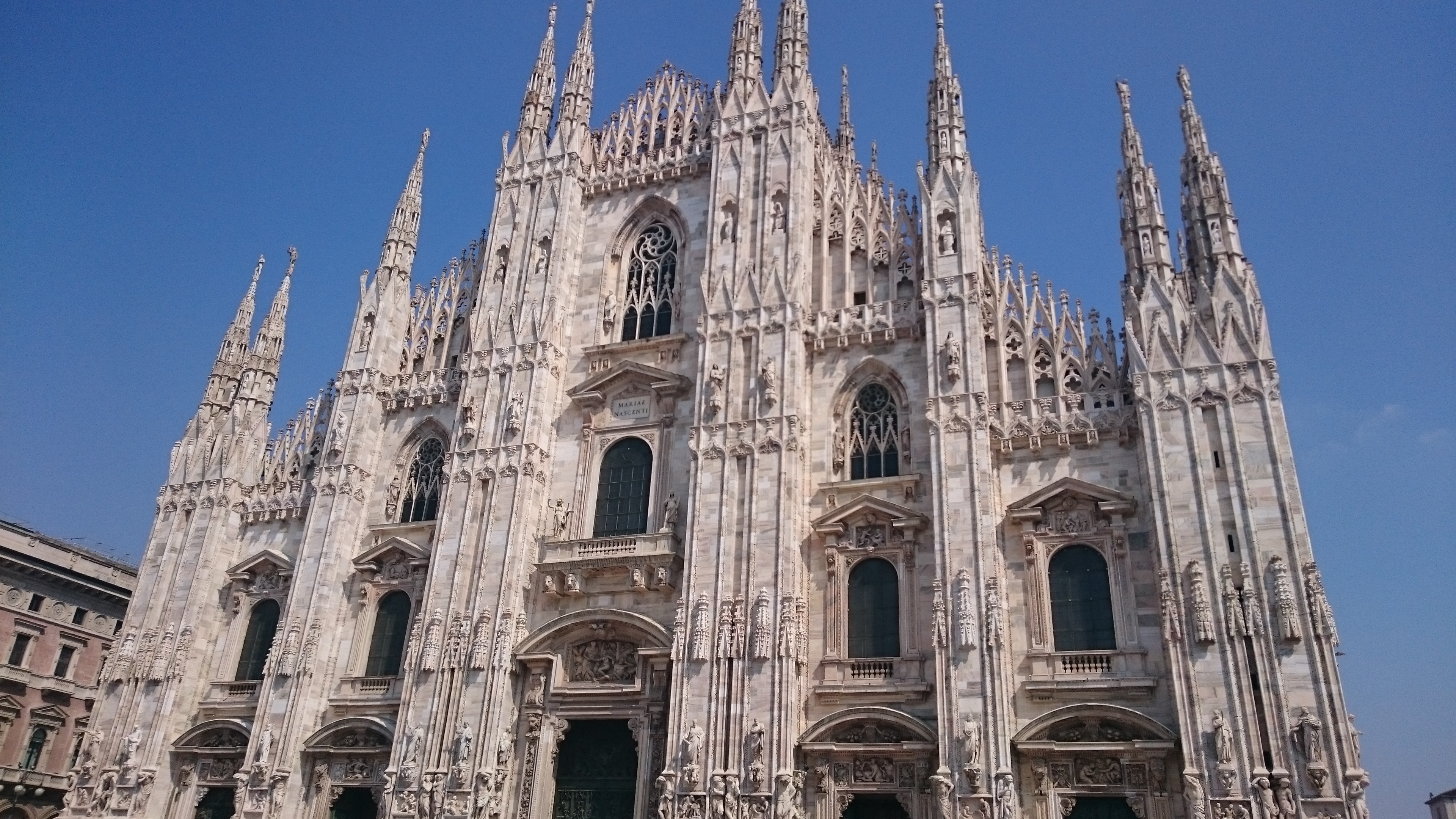
The Duomo remains one of the most impressive Gothic cathedrals in Europe, especially if you climb onto the rooftop terraces. Nearby, the Galleria Vittorio Emanuele II still feels glamorous in the most Italian way possible. Check my dedicated post about Milan for a weekend itinerary.
One reason Milan works so well for train travel is how easy day trips are. Within under an hour, you can reach Lake Como and towns like Varenna or Bellagio. Verona is also an easy train ride away, while Turin offers one of Italy’s most underrated city experiences.
In 2026, Milan is also becoming increasingly connected internationally by rail. The direct routes toward Switzerland are especially scenic, passing through lakes and Alpine landscapes that turn a simple transfer into a memorable journey.
If you are planning a Northern Italy rail itinerary, Milan is the perfect starting point because you can combine city life, mountains, lakes, and coastal destinations all within a relatively short distance.
And honestly, few things feel better than boarding a sleek Italian train with an espresso in hand while heading toward the Alps.
Prague: The Atmospheric Rail Destination
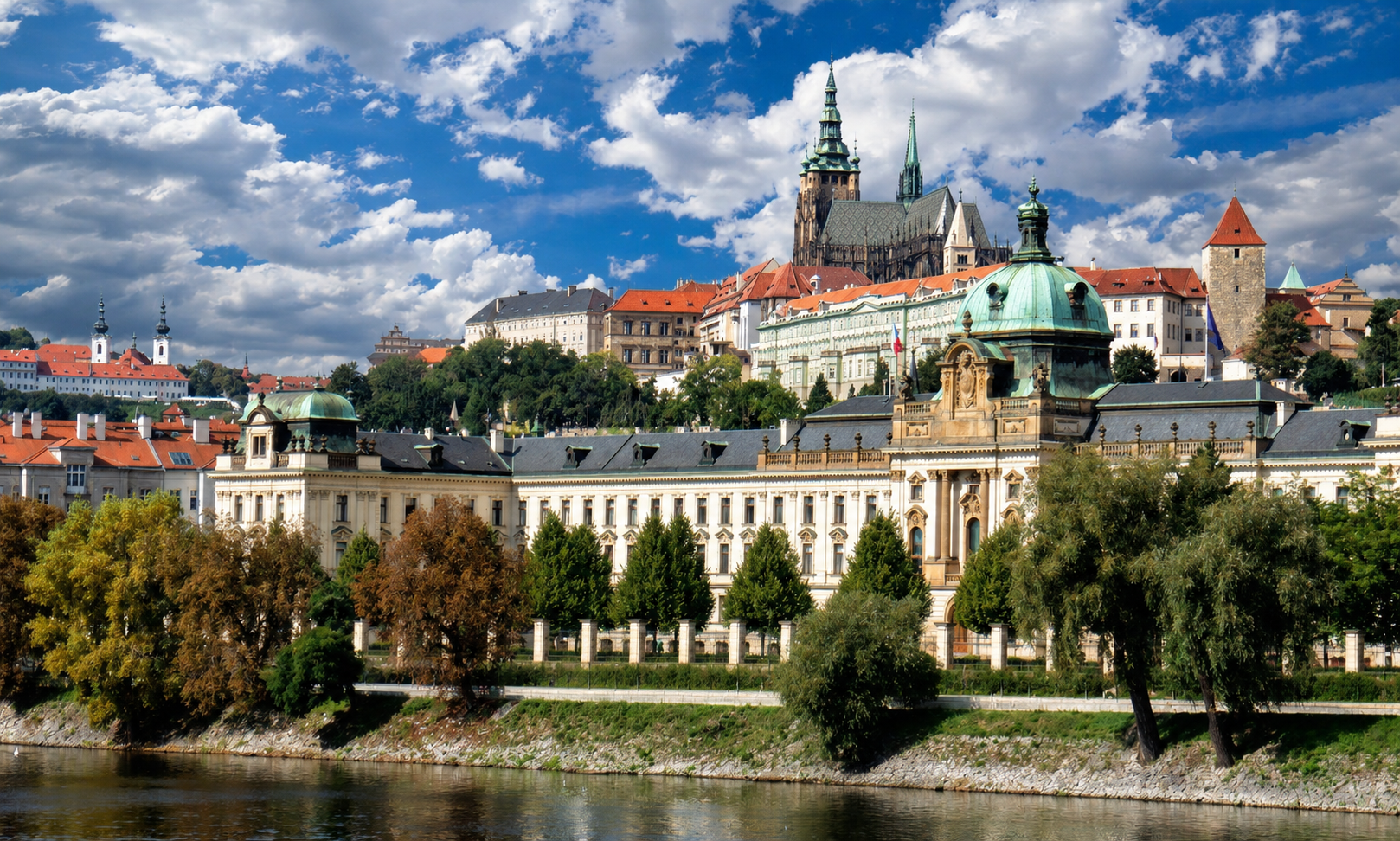
Some cities immediately feel magical after dark, and Prague is definitely one of them. Prague remains one of Europe’s best-value capitals, but what makes it truly special is its atmosphere. Gothic towers, medieval streets, hidden courtyards, and riverside views give the city an almost storybook quality.
Traveling to Prague by train is also surprisingly easy now. The city is well connected to Berlin, Vienna, Budapest, Krakow, and even overnight sleeper routes from Brussels and Amsterdam.
The central station places you close to the historic core, and from there, Prague is best explored on foot. The Old Town Square, Charles Bridge, and Prague Castle remain iconic for good reason, but some of the city’s best experiences happen beyond the postcard locations.
Neighborhoods like Vinohrady and Holešovice have become increasingly popular with creatives, digital nomads, and food lovers. Prague’s café culture is excellent, the beer scene is legendary, and prices remain far lower than in many Western European capitals.
One of the best things about Prague is how photogenic the city is in every season. Summer evenings along the Vltava River are beautiful, but winter gives Prague an especially atmospheric feeling when snow covers the rooftops and Christmas markets fill the squares.
For train travelers, Prague works especially well because the distances between major Central European cities are relatively short. You can easily combine Prague with Vienna and Budapest in a single rail trip.
And unlike some larger European capitals, Prague still feels compact enough to explore without constantly using public transport.
Amsterdam: The Perfect City for Slow Travel
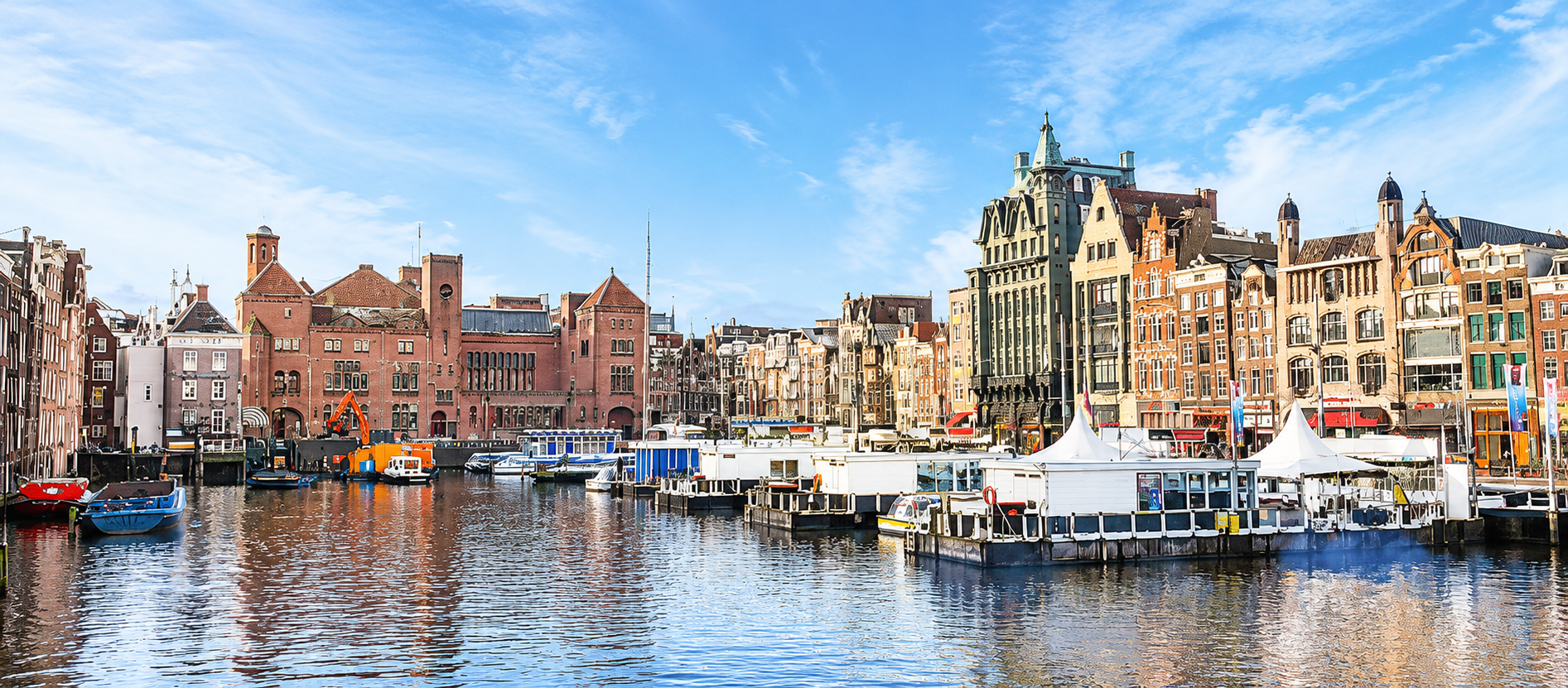
Amsterdam has always been popular, but nowadays it continues to stand out as one of the best European cities for train travel and slow tourism.
The city is extremely well connected by rail. High-speed trains link Amsterdam directly with Paris, Brussels, London, Cologne, and Berlin, making it one of Europe’s easiest capitals to include in a multi-country itinerary.
Yes, the canals are beautiful. Yes, the cycling culture is charming. But what really makes Amsterdam special is the relaxed rhythm of the city. Even in busy areas, life feels calmer than in many other European capitals.
One of the biggest mistakes you can make here is trying to rush through Amsterdam in one or two days. The city is much better experienced slowly. Spend mornings wandering along quiet canals, afternoons exploring museums, and evenings sitting outside waterside cafés as boats pass by.
The Jordaan neighborhood remains one of the best areas to stay, with independent shops, local restaurants, and quieter canals compared to the busiest tourist zones.
Amsterdam is also excellent for train-based day trips. Haarlem, Utrecht, Rotterdam, and The Hague are all easily accessible within a short journey. Even Belgium becomes an easy extension from here. The train stations are centrally located and public transportation is simple to use. You rarely need taxis because walking and cycling are so practical.
Another major reason Amsterdam is ideal for train travel is sustainability. The city already embraces eco-friendly transportation, making rail travel feel completely aligned with the local lifestyle.
If you are building a Europe-by-train itinerary, Amsterdam is one of the cities that naturally fits into almost every route.
Why Train Travel Makes European Cities Better?
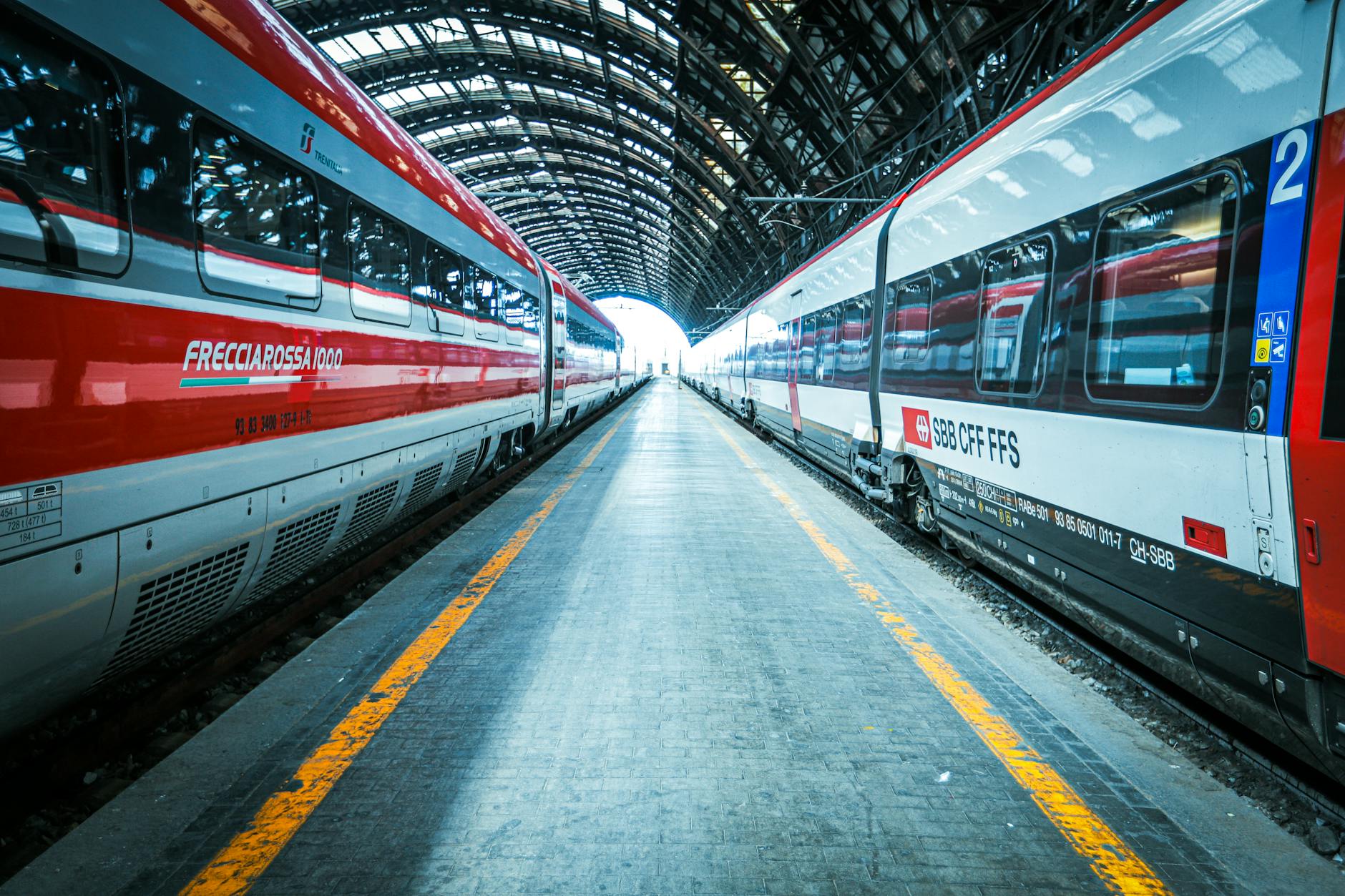
One thing many people realize after taking trains through Europe is that the journey changes the entire feeling of the trip.
Flying often disconnects destinations from one another. You wake up in one city and suddenly land somewhere completely different without seeing anything in between. Trains create continuity.
You watch landscapes shift gradually from French countryside to Swiss mountains to Italian lakes. You see small villages, vineyards, rivers, castles, and industrial towns that flights completely skip over. The movement between destinations becomes part of the travel experience instead of simply dead time.
Train stations also place you directly inside cities rather than far outside them. This means you immediately feel connected to the destination the moment you arrive. High-speed routes continue expanding, sleeper trains are returning, and cross-border travel is smoother than it used to be.
If you are planning to see multiple countries without constantly dealing with airports, trains are often the smartest option.
Tips for Planning Your European Train Trip
If you are planning to visit multiple European cities by train, a few practical tips can make the experience much easier.
- Book high-speed routes early whenever possible, especially between major cities like Paris, Amsterdam, Milan, and Vienna. Prices increase significantly closer to departure.
- Consider using a Eurail or Interrail pass if you plan several long-distance journeys. Passes can save money and add flexibility, particularly for spontaneous travelers.
- Pack lighter than you think you need. European train stations often involve stairs, quick transfers, and cobblestone streets.
- And finally, do not overpack your itinerary. One of the best parts of train travel is enjoying the journey itself. Leave space for long lunches, unexpected stops, and slower mornings.
Train travel in Europe is not just transportation anymore — it is part of the adventure itself.
Paris offers timeless elegance and incredible international connections. Vienna combines imperial beauty with modern rail convenience. Milan opens the door to Northern Italy’s lakes and mountains. Prague delivers atmosphere unlike almost anywhere else in Europe. Amsterdam reminds you how enjoyable slow travel can actually be.
The beauty of rail travel is that these cities do not exist in isolation. They connect naturally into a larger journey, one where the movement between destinations becomes just as memorable as the places themselves.


Leave a comment