
Portugal is one of those countries perfectly designed for road trips. The distances are manageable, the highways are modern, coastal views appear around almost every corner, and the country constantly shifts between cliffs, medieval towns, vineyard valleys, surf beaches, and energetic cities. For first-time visitors, a Portugal road trip is easily one of the best ways to experience the country properly instead of rushing through it on trains or short city breaks.
The beauty of driving through Portugal is that the journey itself becomes part of the experience. Tiny roadside cafés, unexpected viewpoints, sleepy villages, and spontaneous beach stops often become the highlights people remember most.
In this itinerary you will find a perfect balance of cities, coastline, food, culture, and slower countryside moments without feeling exhausting. It’s designed for roughly 10 to 14 days, although you could easily stretch it longer if you prefer slow travel.
Start in Lisbon
There is a good reason why most people start their trip in Lisbon. Portugal’s capital is energetic, colorful, and slightly chaotic in a way that immediately pulls you in. But before you even think about picking up the rental car, spend at least two or three days exploring the city on foot.
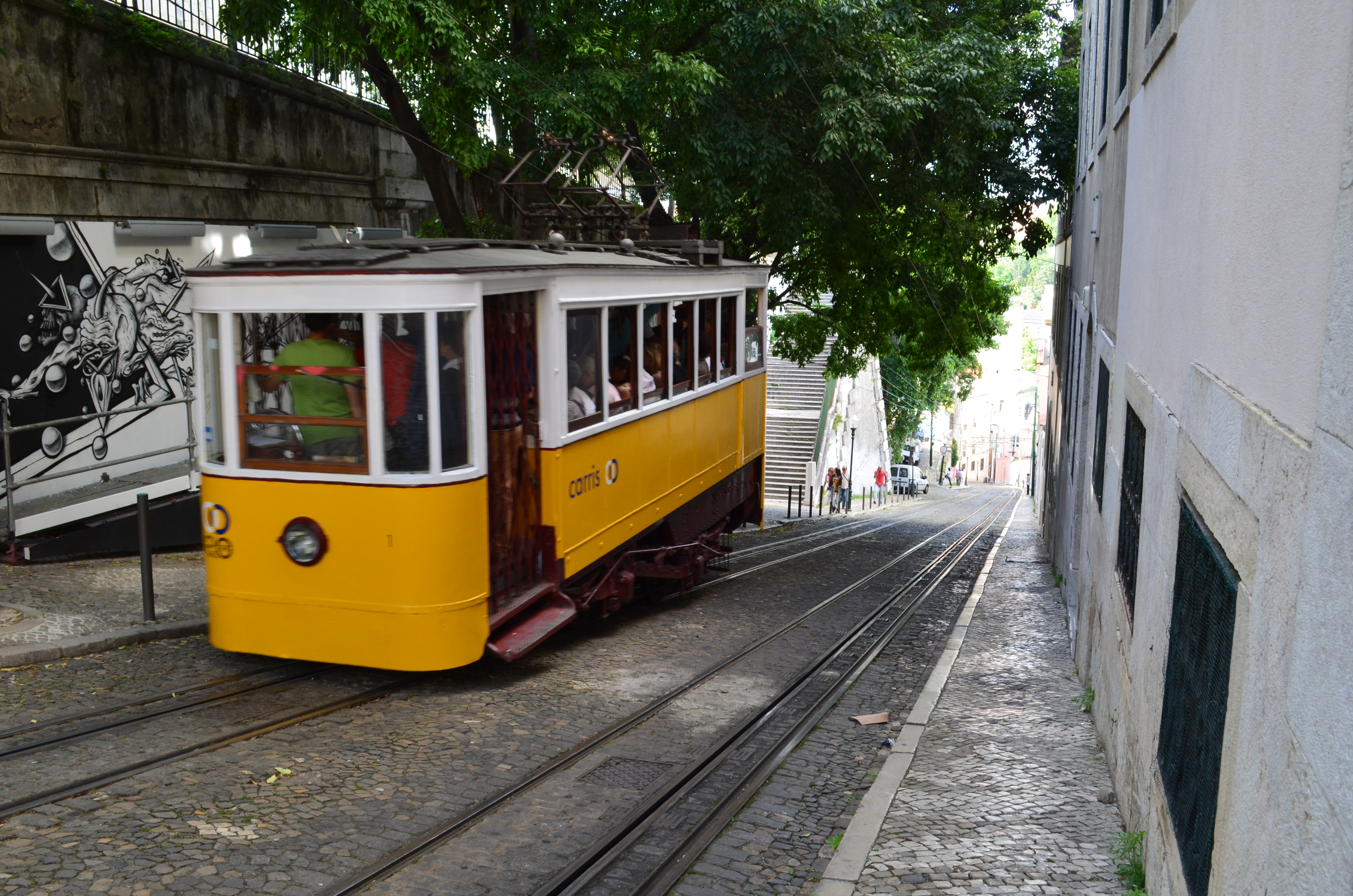
Lisbon is best experienced slowly. Wander through Alfama’s narrow streets while old trams rattle past tiled buildings. Watch sunset from Miradouro da Senhora do Monte. Eat grilled sardines in tiny family-owned restaurants where menus are handwritten and wine costs less than coffee in most major cities. Don’t forget to check my detailed guide about Lisbon with the must see attractions.
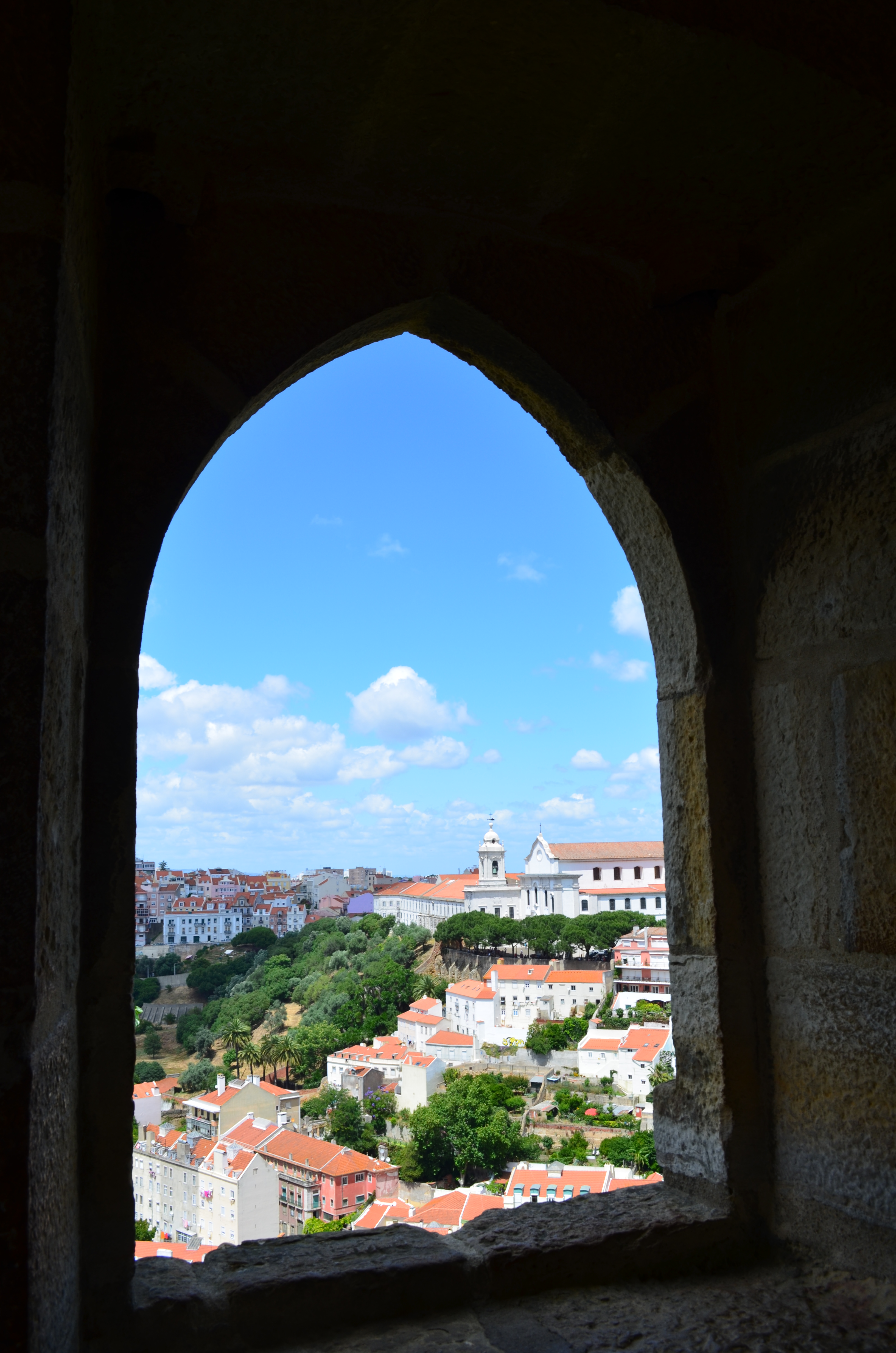
One mistake first-time visitors make is trying to drive inside central Lisbon. Don’t do it. The streets are steep, parking is painful, and public transportation works perfectly well. Save the car for when you leave the city.
While in Lisbon, take a day trip to Sintra before starting the road trip properly. Even though it’s close to the capital, it has a totally different vibe. The hills are covered in misty forests, colorful palaces rise above the trees.
Pena Palace is the obvious attraction, but Quinta da Regaleira often leaves a bigger impression because it feels mysterious. If you have time, drive toward Cabo da Roca afterward, the westernmost point of mainland Europe.
After Lisbon and Sintra, the real road trip begins.
Head south toward the Algarve, but resist the temptation to take the fastest highway the entire way. As said, Portugal rewards slower routes. Stop in Alentejo along the way, particularly around towns like Évora or Comporta.
Évora is one of Portugal’s most underrated destinations. Roman ruins, medieval streets, whitewashed houses, and quiet squares make it feel untouched compared to the busier tourist hotspots. It’s also one of the best places to understand traditional Portuguese culture beyond the coast.
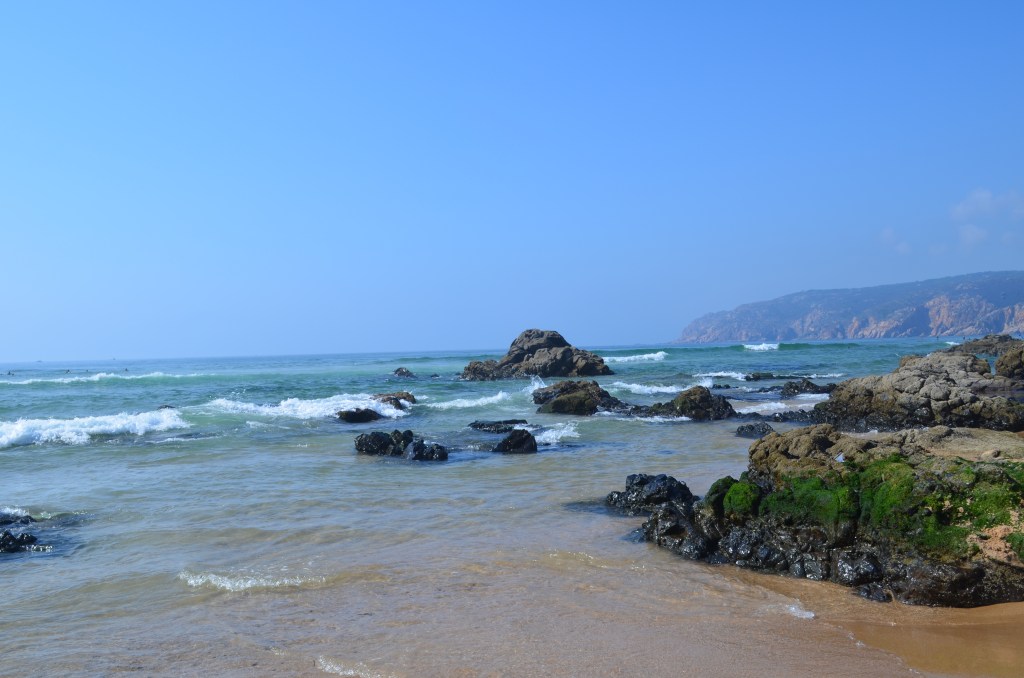
Comporta, meanwhile, has become famous for a completely different reason. Over the past few years, it has evolved into Portugal’s chic beach escape, attracting everyone from surfers to creatives to celebrities trying not to look like celebrities. Despite the growing popularity, the area still has relaxed vibe.
The drive south through Alentejo is part of the magic. Endless cork tree fields, vineyards, olive groves, and sleepy villages. Alentejo in fact, is Portugal’s largest wine-producing region, covering over 30% of the country’s territory. The region is renowned for its rich red wines and increasingly popular whites, thanks to its unique climate and diverse soils. If you would like to stay for longer and discover this region check my dedicated post about Alentejo here.
Sunny and Warm Algarve
Eventually, you’ll reach the Algarve, and this is where many first-time visitors completely understand why Portugal became one of Europe’s top travel destinations. The coastline is spectacular. Golden cliffs collapse into turquoise water, hidden beaches sit between rock formations, and tiny fishing towns somehow still feel authentic despite global tourism.
Lagos is usually the best base for first-time visitors. It offers beautiful beaches, good restaurants, lively nightlife, and easy access to some of the Algarve’s most famous coastal scenery.
Ponta da Piedade is one of those places that somehow looks exactly like the photos and still exceeds expectations in real life. Go early in the morning if possible, before the crowds arrive. The light hitting the cliffs at sunrise makes the entire coastline glow.
The Benagil Cave remains one of Portugal’s most famous natural attractions, but timing matters. During peak summer afternoons, the area becomes crowded with boats and tours. Early morning kayak tours are usually the best experience if you want something calmer.
One thing many travelers underestimate about the Algarve is how different the atmosphere becomes outside summer. July and August are lively and hot, but spring and early autumn are often much better for road trips. The weather stays warm, the roads are quieter, and beaches become far more enjoyable.
Surf Culture
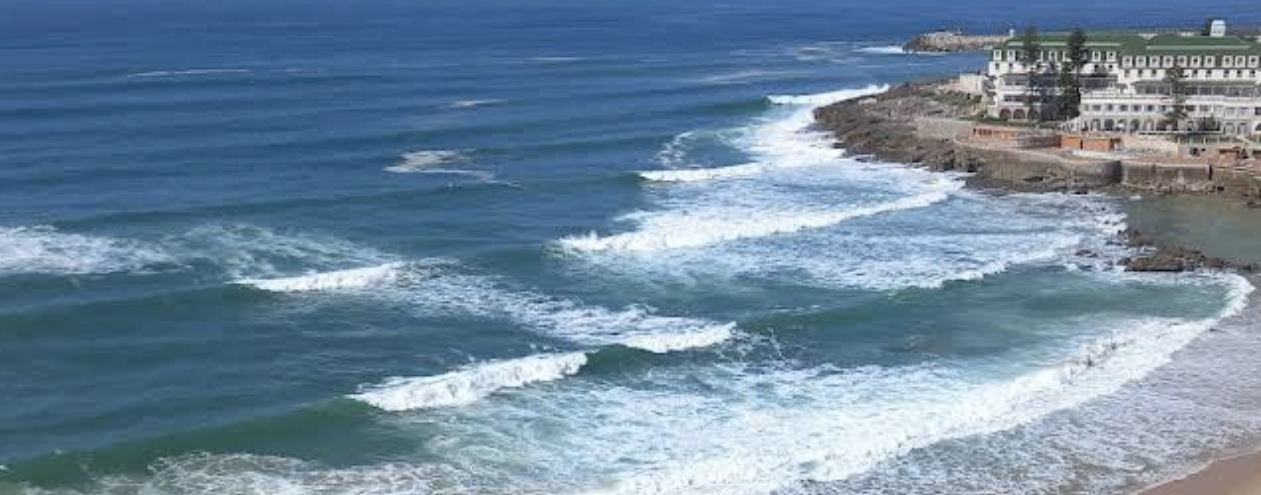
After a few days in the Algarve, start making your way north along the western coast instead of driving directly back inland. This is where Portugal’s surf culture starts becoming more visible. Check my post about Surf destinations in Algarve and escape the tourist crowd.
Sagres deserves a stop (even more than Lagos), especially for first-time visitors. Located at the southwestern edge of Europe, it is rugged and windy.The sunsets here are incredible, particularly around the cliffs near Fortaleza de Sagres.
As you continue north, stop in smaller coastal towns rather than only major destinations. Portugal’s charm often appears in places that barely make travel guides. You can always find a room for an overnight stay – just look for AL (alojamiento local) signs – there are many small guest houses or vacation rentals along the way.
Porto Covo is one example of a hidden gem. Small, relaxed, and scenic, it captures the slower coastal lifestyle that you will love. The beaches around this area are raw and natural compared to more developed parts of the Algarve.
Farther north, Ericeira is almost mandatory if you enjoy surfing, ocean views, or laid-back coastal towns. Once a traditional fishing village, it has transformed into one of Europe’s most recognizable surf communities without completely losing its identity. Even non-surfers tend to fall in love with Ericeira because the atmosphere is so relaxed. Seafood restaurants overlook the Atlantic, surfers carry boards through narrow streets, and sunsets become nightly social events.
The North – Surfing and Porto
If your timing works, continue north toward Nazaré. Most people know it because of the giant waves that attract big-wave surfers every winter, but even outside surf season, the town is worth visiting. Standing near the cliffs overlooking Praia do Norte gives you a sense of how powerful the Atlantic Ocean really is along this coastline.
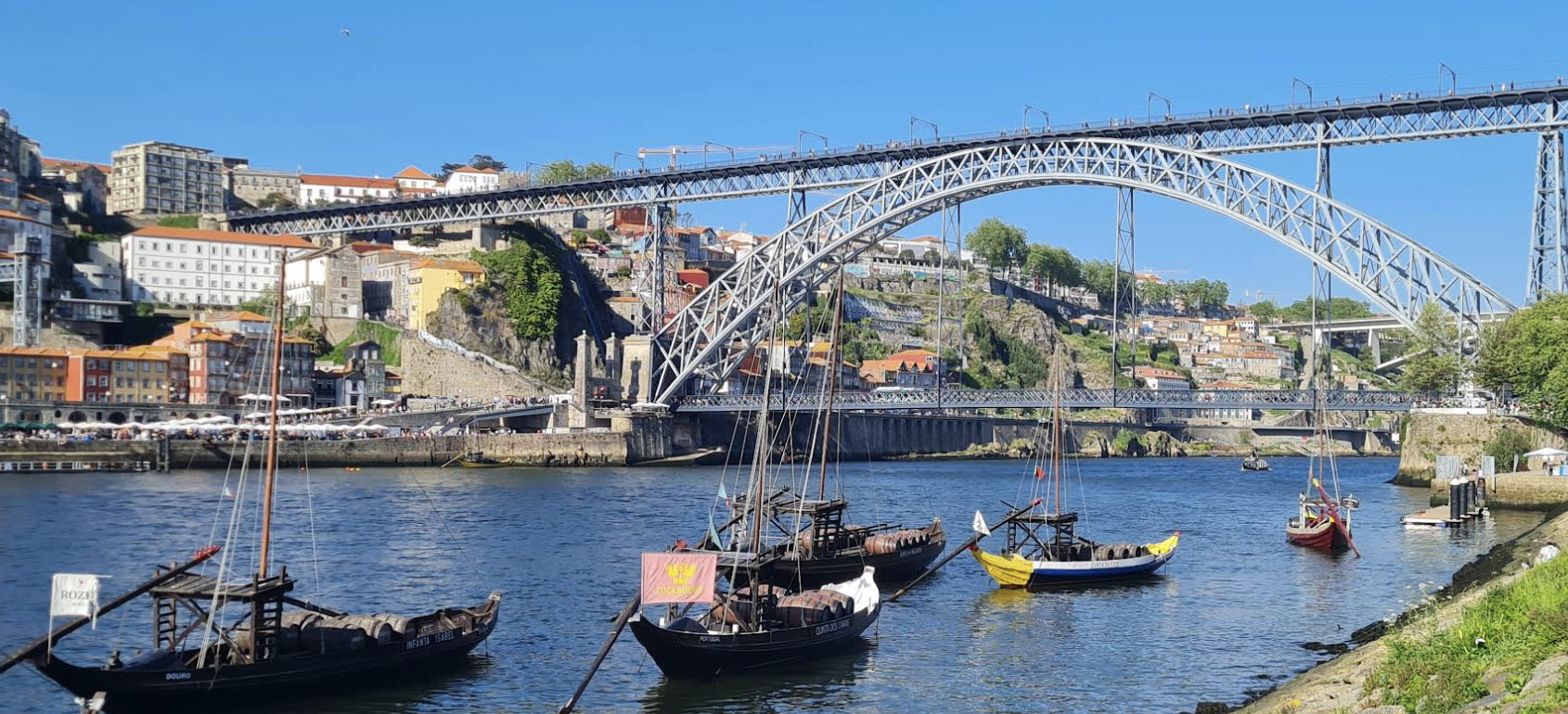
Eventually, your road trip leads toward Porto, Portugal’s second-largest city and arguably its most charming urban destination. Porto feels different from Lisbon immediately. It’s moodier, more intimate, and slightly less polished in a way many travelers actually prefer. The city rises above the Douro River with colorful buildings stacked along steep hillsides while historic trams and tiled churches give the entire place a cinematic atmosphere. Spend several days here if possible. Walk across the Dom Luís I Bridge at sunset. Visit the wine cellars in Vila Nova de Gaia. Get lost in side streets filled with tiny cafés and old bookstores. Eat francesinha at least once, even if your body politely asks you not to afterward. The Douro Valley is another essential road trip extension from Porto.

This region produces some of the world’s most famous wines, but even people who don’t care much about wine usually end up loving the Douro. The landscape itself is extraordinary. Terraced vineyards roll along the river through steep green hills that change color throughout the day depending on the light.
If you are looking for some more inspiration, check my post about Combining Surfing in Peniche and visiting the Northern Portugal.
Time for the Authentic Portugal – No Crowds
If you have extra time, head further North beyond Porto. This part is still underrated. You will be able to visit cities like Braga and Guimarães with their beautiful historic centers without overwhelming tourist crowds. Don’t miss the Peneda-Gerês National Park – your access to mountain scenery, waterfalls, hiking trails, and tiny villages that feel untouched by modern tourism. Sounds interesting? Stay tuned in couple of weeks my post about the best hiking trails near Guimaraes will be ready.
Bonus Tips For Your Road Trip
One thing first-time visitors quickly notice while driving in Portugal is how easy the roads generally are. Highways are modern and smooth, the tool system is super efficient. Having a rental car with automatic toll payment included is the best option. Driving itself is straightforward, but parking in older cities can be difficult. In places like Lisbon and Porto, it’s smarter to park outside the historic center and explore on foot.
Food becomes one of the defining parts of the road trip almost accidentally. Portugal isn’t flashy with cuisine in the way Italy or France can sometimes feel. Instead, it wins people over slowly through simplicity and consistency.
Fresh seafood, grilled meats, olive oil, local wines, pastries, and strong espresso become daily rituals. Small roadside restaurants often serve some of the best meals of the trip, especially in less touristy regions. And yes, you will probably become mildly obsessed with pastéis de nata somewhere along the way.
Timing also matters when planning a Portugal road trip. Spring and early autumn are usually ideal. April, May, September, and October offer warm weather without the overwhelming crowds and extreme summer heat.
Summer remains beautiful, but traffic increases significantly in beach areas, accommodation prices jump, and popular attractions become busier. Winter can actually be fantastic for travelers who prioritize cities, food, and quieter experiences, especially in Lisbon, Porto, and the Algarve.
The best part about a Portugal road trip, though, isn’t any single destination. It’s the rhythm you fall into while driving through the country. Morning coffee at roadside cafés. Ocean views appearing unexpectedly around curves. Long lunches that turn into lazy afternoons. Tiny villages you stop in for ten minutes and somehow stay in for two hours.
Not just the cliffs, beaches, cities, or vineyards. But the feeling of moving through the country without constantly needing to rush to the next thing.
 Nomadlytics
Leave a comment