Portugal has been sitting at the top of digital nomad wish lists for years, but in 2026, it is always less like a trend and more like a fully developed remote-work ecosystem. Fast internet, mild winters, incredible food, easy travel connections, and a relatively relaxed lifestyle continue to pull freelancers, entrepreneurs, remote employees, and online business owners toward the Atlantic coast. But what really makes Portugal special is the balance. You can finish a client call in the morning, spend the afternoon surfing, and still have dinner in a centuries-old neighborhood without feeling rushed or overwhelmed.
This guide is for anyone considering a move to Portugal. Let’s find out together how life of digital nomad in Portugal actually looks like in 2026 — beyond the Instagram reels and postcard beaches.
Modern Infrastructure and a Relaxed Lifestyle
Portugal works particularly well for remote workers because daily life is manageable. The infrastructure is modern, the healthcare system is solid, public transportation is reliable, and the country remains one of the safest in Europe. English is widely spoken in Lisbon, Porto, and most nomad-heavy coastal towns, which makes settling in easier than in many other European destinations.
The first thing most people notice after arriving is the pace. Portugal moves slower than places like London, Berlin, or New York. Cafés stay busy for hours because people genuinely sit and enjoy them. Lunch can stretch long into the afternoon. Bureaucracy sometimes tests your patience. But eventually, the things work out.
Porto vs Lisbon
Which Portuguese City Is Better for Remote Workers?
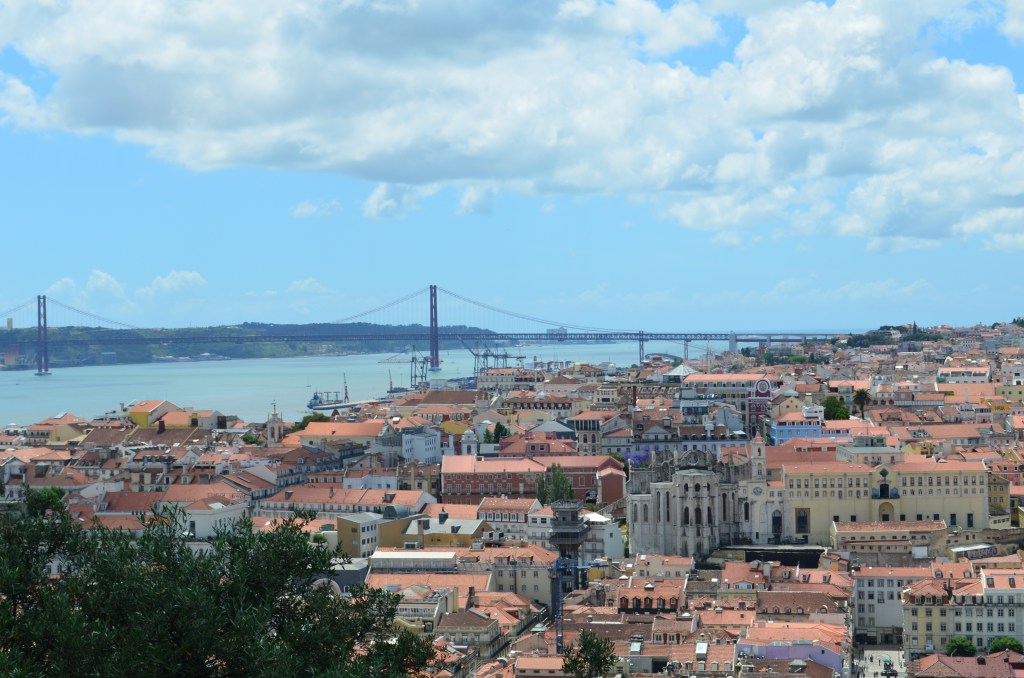
Lisbon still dominates the digital nomad scene in 2026. The Portuguese capital has become one of Europe’s strongest hubs for startups, creatives, tech workers, and remote entrepreneurs. Neighborhoods like Alfama, Príncipe Real, Santos, and Marvila are packed with coworking spaces, cafés filled with laptops, and networking events almost every night of the week.
The city itself is truly beautiful. Yellow trams climb steep hills, tiled buildings glow at sunset, and viewpoints overlook the Tagus River from nearly every angle. It’s difficult not to fall in love with Lisbon during your first few weeks.
But there’s another side to the story. Lisbon is no longer “cheap Europe.” Rental prices have risen sharply over the past few years, especially in central neighborhoods. In 2026, many digital nomads are choosing to stay slightly outside the tourist-heavy center in areas like Alcântara, Benfica, or even across the river in Almada to save money and avoid overcrowding.
Still, Lisbon offers unmatched energy if you want community, networking opportunities, and constant activity. It’s the best place in Portugal for freelancers trying to build connections or remote workers who get restless in quieter towns.
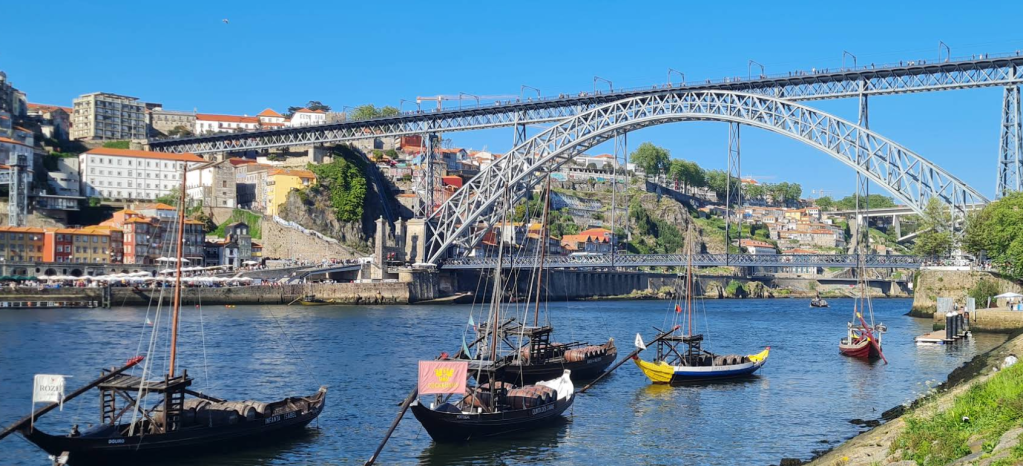
Porto offers a completely different vibe. While Lisbon is sunny and cosmopolitan, Porto is intimate, artistic, and a little moodier in the best possible way. The city is famous for its wine cellars, riverfront scenery, and slower pace. Many digital nomads who initially arrive in Lisbon eventually move north to Porto because it is more authentic and less hectic.
The cost of living in Porto remains slightly lower than Lisbon, though prices continue to rise as more remote workers discover the city. Internet speeds are excellent, co-working spaces are growing quickly, and the café culture is ideal for laptop work sessions.
Porto is also perfect for people who prefer a more balanced lifestyle. You can still enjoy nightlife and social events, but there’s less pressure to constantly be out doing something. It’s easier to establish routines there, which matters if you’re planning a longer stay.
Why Digital Nomads Love the Algarve?
Then there’s the Algarve. For digital nomads dreaming of ocean views, warm weather, and outdoor living year-round, southern Portugal is hard to beat. Towns like Lagos, Faro, and Portimão continue attracting remote workers who prioritize lifestyle over city hustle.
The Algarve has become much more digitally connected than it used to be. Co-working hubs, startup retreats, wellness communities, and co-living spaces are now common throughout the region. Many nomads split their time between Lisbon and the Algarve, especially during winter when temperatures remain mild while much of Europe freezes.
The tradeoff is seasonality. During summer, tourist crowds can become intense, and accommodation prices often spike high up. Winter, however, is calmer and far more livable. For many long-term remote workers, the off-season Algarve is the sweet spot.
Surfing and Remote Work

One of the biggest reasons digital nomads continue choosing Portugal is the climate. In much of the country, winters are relatively mild and sunny compared to northern Europe. This has a major effect on productivity and mental health. It’s easier to maintain healthy routines when you can walk outside comfortably in January.
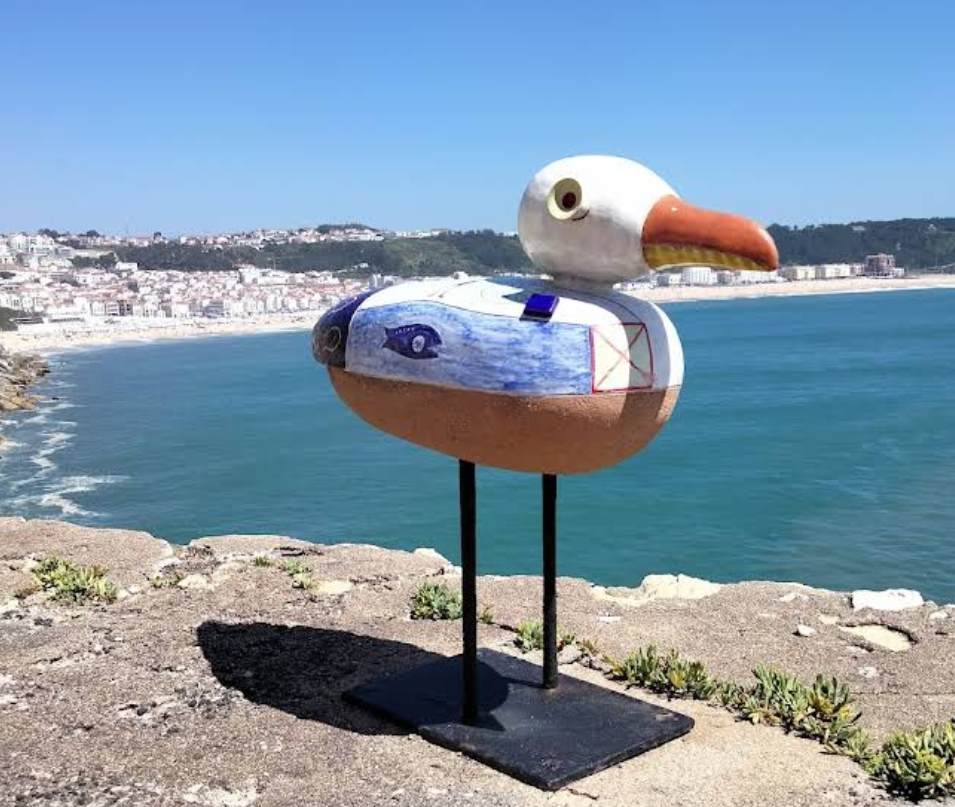
Surfing is deeply connected to Portuguese lifestyle as well. Even beginners quickly get pulled into surf culture after arriving. Places like Ericeira, Peniche, and Nazaré have become remote-work hotspots because they combine good internet with world-class waves. It’s not unusual to see people structuring workdays around surf conditions rather than office hours.
Ericeira especially deserves attention. Once a sleepy fishing village, it has evolved into one of Europe’s most recognizable surf-and-remote-work communities. It’s quieter than Lisbon but still social enough that newcomers rarely feel isolated. Many freelancers and startup founders intentionally move there for a few months to reset their routines and focus on healthier living.
Expenses, Community, and Quality of Life

Cost of living remains one of the biggest questions for anyone considering Portugal. The answer depends heavily on lifestyle and location. Portugal is no longer the ultra-budget destination it was a decade ago, but it’s still generally cheaper than cities like Paris, Amsterdam, or Dublin. A comfortable digital nomad budget in Lisbon in 2026 typically ranges between €2,000 and €3,500 per month, depending on accommodation standards and social habits. Porto can be slightly cheaper, while smaller towns and inland areas offer significantly lower costs.
Housing is the biggest expense. Short-term rentals through international platforms are expensive, especially during high season. You can reduce costs by joining local Facebook groups, using Portuguese rental sites, or booking longer-term accommodations directly with landlords.
Food, however, remains one of Portugal’s best values. You can still find excellent local meals for surprisingly affordable prices if you avoid tourist-heavy restaurants. Portuguese cuisine is simple, fresh, and comforting. Grilled fish, seafood rice, pastries, and endless coffee breaks quickly become part of daily life. Pastéis de nata deserve their own paragraph. Every digital nomad arrives thinking they’ll casually try one or two. A few weeks later, many are eating them several times a week without shame.
Portugal also works extremely well as a travel base. Flights around Europe are cheap and frequent, making weekend trips easy. Spain is next door, Morocco is close, and much of Europe sits within a few hours by plane. For remote workers who want both stability and travel flexibility, Portugal offers one of the strongest setups anywhere in Europe.
Visa options remain a major attraction. Portugal has continued adapting to the rise of remote work and international freelancers. The Digital Nomad Visa introduced in recent years remains one of the country’s biggest draws for non-EU citizens. It allows remote workers earning foreign income to stay legally for extended periods while benefiting from Portugal’s infrastructure and lifestyle.
However, bureaucracy in Portugal can still be frustrating. Processes move slowly, appointments can take time, and paperwork often feels unnecessarily complicated. Patience is essential. Successful digital nomads in Portugal learn quickly that fighting the system aggressively usually doesn’t help. Flexibility and persistence work much better. Banking, healthcare registration, tax numbers, and residency paperwork all require organization. It’s worth to spend some money and hire relocation consultants or local legal experts simply to avoid wasting time. While this adds upfront cost, it often reduces stress significantly.
Internet quality across Portugal is generally excellent, especially in cities and major coastal towns. Fiber connections are common, co-working spaces are modern, and mobile data is affordable. This is one reason Portugal consistently ranks among the best countries for remote work in Europe.
Co-working culture has exploded over the past few years. Lisbon alone has dozens of strong options ranging from luxury creative studios to casual shared offices. Porto and the Algarve continue expanding their co-working ecosystems as well. These spaces matter because they help solve one of the biggest remote-work problems: loneliness.

Digital nomad life looks glamorous online, but isolation becomes very real after a few months on the road. Portugal handles this better than many destinations because communities form quickly. Between language exchanges, startup meetups, surf groups, co-working events, and casual café culture, it’s surprisingly easy to meet people.
That said, there’s an important balance to strike. Some nomads spend all their time inside international bubbles and never connect with local culture. Portugal rewards people who make an effort to integrate. Learning basic Portuguese phrases goes a long way. So does supporting local businesses instead of only international brunch cafés and co-working chains.
Portuguese people are generally warm, polite, and patient, though often more reserved initially than cultures in some other countries. Relationships tend to deepen gradually rather than instantly. Once friendships form, however, they’re often genuine and long-lasting.
Safety is another major advantage. Portugal consistently ranks among the safest countries in the world. Violent crime is low, public transportation feels safe, and solo travelers — including women traveling alone — often report feeling comfortable throughout the country.
Still, common sense matters. Pickpocketing exists in tourist-heavy areas, especially in Lisbon tram routes and crowded nightlife districts. Like anywhere popular, awareness goes a long way.
Healthcare in Portugal is also one of the country’s underrated strengths. Private healthcare is affordable by international standards, and many doctors speak English. Digital nomads usually combine travel insurance with occasional private clinics for convenience.
One thing many newcomers underestimate is how emotionally addictive Portugal can become. Plenty of people arrive planning to stay three months and end up staying years. There’s something about the combination of weather, food, walkability, ocean access, and relaxed social culture that makes leaving surprisingly difficult.
But Portugal is not perfect for everyone.
If you thrive on extreme efficiency, ultra-fast customer service, or nonstop big-city ambition, the slower rhythm may frustrate you over time. Salaries inside Portugal remain relatively low compared to western Europe, which mostly matters for people seeking local employment rather than remote income. Housing affordability has also become a sensitive issue in cities heavily impacted by tourism and foreign relocation.
Responsible digital nomadism matters more than ever in 2026. Supporting local communities, respecting neighborhoods, learning some Portuguese, and avoiding exploitative short-term rental behavior all help create a healthier relationship between nomads and residents.
For remote workers who approach Portugal thoughtfully, the rewards are enormous. You get morning espresso at neighborhood cafés, sunsets over Atlantic cliffs, affordable wine, reliable infrastructure, excellent weather, and a lifestyle that encourages balance instead of burnout. Portugal doesn’t just offer a place to work remotely — it offers a different way of living.
And maybe that’s why so many digital nomads keep choosing it. Not because it’s trendy, but because after spending time there, life elsewhere often feels unnecessarily complicated.
 Nomadlytics
Leave a comment