

Most people come to Italy to enjoy the beautiful Mediterranean waters during the summer months. Northern Italy is still underrated when it comes to a road trip. Yet, the scenery here is incredibly beautiful. One moment you’re driving along the edge of a crystal-clear alpine lake, the next you’re winding through vineyard-covered hills before arriving in a medieval city where dinner somehow turns into a four-hour event. In 2026, Northern Italy remains one of the best road trip destinations in Europe because it offers variety of landscape and a possibility to visit mountains, lakes, wine regions, glamorous coastal towns, historic cities, and tiny villages. All of this sit within a relatively manageable driving distance. Delicious food and friendly locals are certainly additions of great value.
What makes Northern Italy especially perfect for first-time visitors is that the route never feels repetitive. Every few hours, the landscape changes completely. You go from the famous Dolomites to elegant Milanese streets, from peaceful vineyards in Piedmont to colorful fishing villages along the Ligurian coast.
And unlike some road trips that feel exhausting after a few days, Northern Italy makes you want to slow down instead of rush through it.
This itinerary is designed for around 10 to 14 days, though you could easily stretch it longer if you prefer slower travel. It combines iconic destinations with a few quieter moments that help balance the trip properly.
The Perfect Italy Road Trip Starts in Milan
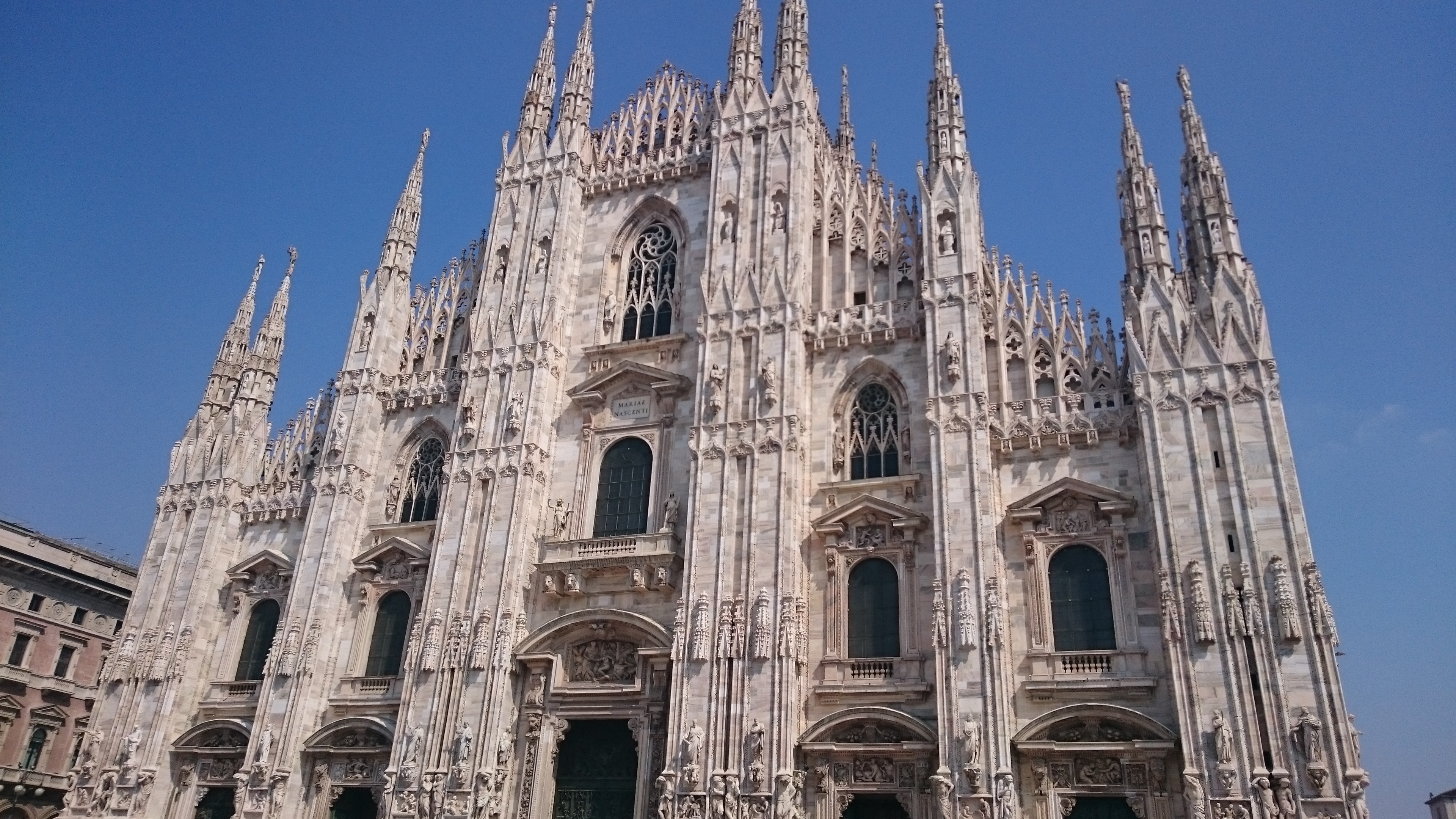
I suggest you to start in Milan. While the city often gets overshadowed by Rome, Florence, or Venice, it actually works perfectly as a road trip starting point. The airports are well connected, car rentals are easy, and the city itself deserves more appreciation than it usually gets. Want to discover more about Milan? Check my posts about hidden gems, main tourist track and even co–working culture here.
Milan in feels modern, energetic, and more international compared to much of Italy. It’s less romantic than Venice and less chaotic than Rome, but that’s part of the appeal. The aperitif culture alone makes the city worth a stop. Evenings spill into stylish bars where locals gather for drinks and oversized plates of snacks that simply become dinner.
Spend at least two days in Milan before driving anywhere. Visit the Duomo early in the morning before crowds build. Walk through Brera in the evening when the streets glow softly under warm lights. And yes, you should absolutely stop for espresso far more often than necessary. Check my Milan guide here.
From Milan to Lake Como: The Most Beautiful Drive in Northern Italy
The important thing is not to drive much inside central Milan itself. Like many Italian cities, traffic and parking can become stressful quickly. Pick up the rental car when you’re ready to leave the city and begin heading north toward Lake Como. This is usually the moment people fully realize what Northern Italy road trips are about.
The drive from Milan to Lake Como is relatively short, but the atmosphere changes totally. Urban energy gives way to mountain views, winding roads, and elegant lakeside towns that look fantastic in good weather.
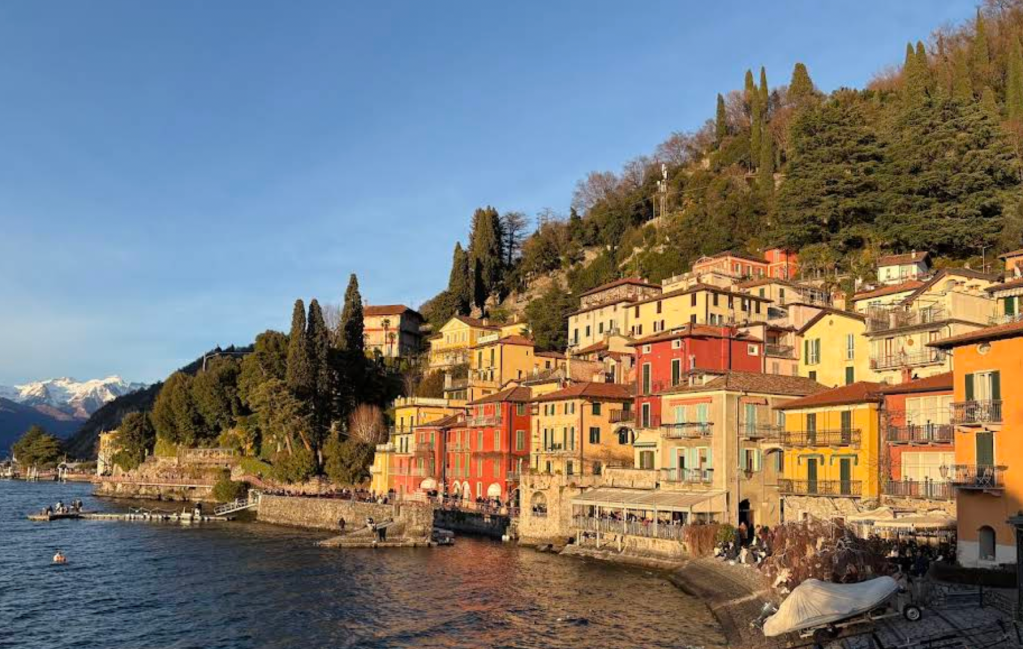
Lake Como remains one of Italy’s most famous destinations in, but despite the luxury reputation, it still works well for regular travelers. You don’t need a celebrity budget to enjoy the area properly.
Towns like Bellagio, Varenna, and Menaggio are the obvious highlights, but part of the charm comes from driving slowly around the lake itself. Every turn reveals another tiny village, another waterfront café, another villa sitting against dramatic alpine scenery. Check my post about hidden gems of Lake Como and about hiking in the area. If you have time, stay longer and explore this region at a slower pace.
The Lakes Are Meant for Slow Travel
One mistake first-time visitors make is trying to cram too many lakes into one day. Northern Italy’s lakes deserve slower travel. Spend at least two nights around Lake Como if possible. From there, continue toward Lake Garda, which feels completely different despite also being a northern Italian lake destination. Garda is larger, more varied, and often slightly livelier. The northern part attracts outdoor enthusiasts with hiking, sailing, and windsurfing, while southern towns feel more Mediterranean and relaxed.
Sirmione is usually the standout for first-time visitors. Sitting on a narrow peninsula with medieval walls and thermal spas – stunning at sunset. But smaller places like Limone sul Garda and Malcesine often leave equally strong impressions because they feel calmer and less polished.
Driving around Lake Garda can take longer than expected because you’ll constantly stop for photos, viewpoints, and spontaneous lunches. That’s part of the experience. Northern Italy road trips work best when you stop trying to optimize every hour.
Why Everyone Falls in Love With the Dolomites
After the lakes, begin heading east toward the Dolomites, and this is where the scenery becomes truly alpine. The Dolomites continue attracting travelers from around the world, but they still manage to feel wild and peaceful once you move beyond the busiest tourist areas. Sharp mountain peaks rise above green valleys, alpine villages sit beneath towering cliffs, and every drive feels like part of a film soundtrack. Even people who don’t usually care about mountains tend to become obsessed with the Dolomites after arriving here.
Cortina d’Ampezzo remains one of the region’s most famous towns, especially with continued international attention after the recent Olympics and tourism growth. However, smaller villages like Ortisei or Canazei often feel more charming, especially if you want quieter evenings and easier access to hiking routes. Stay tuned, because soon I will post about the best hiking trails in Canazei area – suitable for all levels of fitness.
The roads through the Dolomites are unforgettable. Passes like Passo Gardena or Passo Sella constantly reveal panoramic views that make you pull over every fifteen minutes. In summer, green meadows contrast against jagged grey peaks. In autumn, the forests turn golden. Even rainy weather still allows you to enjoy a constantly changing landscape.

One thing worth mentioning is that driving in the mountains requires patience. The roads are excellent, but they’re winding and slower than highways. That’s exactly why the experience feels special.
Food also changes noticeably once you reach this part of Italy. Northern alpine influences become stronger. You’ll see more speck, dumplings, mountain cheeses, and hearty comfort dishes mixed with Italian classics. It’s one of the most underrated food regions in the country. Stop in local trattoria or a mountain hut and taste the genuine, home made specialties – it’s worth it!
The Secret to Loving Venice?
Stay After the Crowds Leave
After the Dolomites, continue south toward Venice. Now, Venice creates always mixed reactions. It’s not a secret that the town is heavily overcrowded and over-touristed. Still, it’s Venice and it’s simply magical. First-time visitors should absolutely include Venice in a Northern Italy road trip, but timing matters enormously. Arrive early or stay overnight instead of visiting on a rushed day trip. Once evening arrives and the day crowds disappear, Venice becomes much quieter. Walking through nearly empty canals after dark feels completely different from navigating packed midday streets.
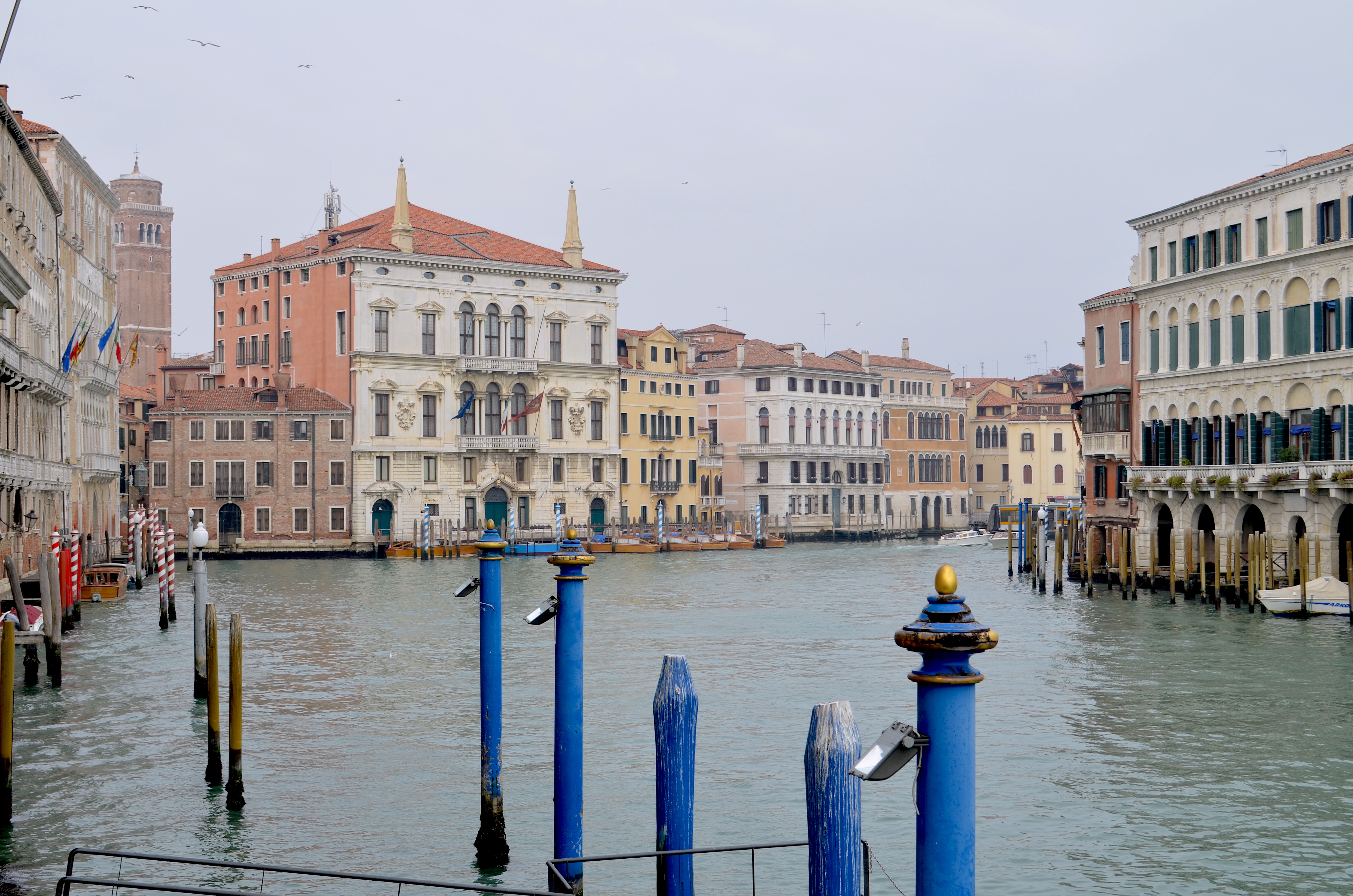
One important thing: you won’t actually drive inside Venice. Park outside the city in areas like Mestre and enter using trains or water transport. Trying to approach Venice like a normal road trip stop doesn’t work.
Spend time getting lost intentionally. Venice rewards wandering more than planning. Tiny bridges, quiet canals, hidden wine bars, and small squares often become more memorable than the major tourist attractions themselves.
Venice – Bologna: The Delicious Part of Your Trip
From Venice head directly west again, but stopping in Emilia-Romagna along the way creates a much richer itinerary.
This region is one of the greatest food destinations on earth. Cities like Bologna, Parma, and Modena don’t always receive the same global attention as Florence or Rome, but they absolutely should. Bologna especially feels perfect for road trippers because it combines incredible food, beautiful architecture, and a lively atmosphere without feeling overwhelmingly touristy.
In Bologna, life revolves around eating well and taking your time. Long lunches become normal. Fresh pasta appears constantly. Tiny wine bars fill with locals every evening beneath endless portico-covered streets.
The region is famous for products like Parmigiano Reggiano, balsamic vinegar, and prosciutto di Parma, but experiencing them locally changes your understanding completely. Factory tours and countryside tastings throughout Emilia-Romagna are genuinely worth adding to the road trip.
Where Northern Italy Turns Mediterranean
From Bologna, head toward the Italian Riviera by crossing the Apennines, one of the most underrated drives of the entire trip. The landscape shifts surprisingly fast as rolling hills and mountain roads gradually replace the flat plains of Emilia-Romagna. The route itself becomes part of the experience, with winding roads cutting through forests, small hillside villages, and breathtaking viewpoints. Get ready to take hundreds of Instagram pictures.
As you descend toward the Ligurian coastline, the atmosphere changes completely. Suddenly the roads curve along cliffs above the Mediterranean, palm trees appear, and colorful coastal villages replace alpine scenery. The air feels warmer and everything starts leaning into that relaxed Italian seaside energy people imagine before visiting the country for the first time.
This is the point where Northern Italy road trips stop feeling alpine and start feeling unmistakably Mediterranean. The contrast between Bologna and Cinque Terre is exactly what makes this part of the journey so incredible.
Cinque Terre remains the most famous destination here, and yes, it’s stunning in real life. The five colorful villages clinging to the coastline feel almost unreal at sunrise or sunset. Hike all 5 of them. Remember that you have to leave your car in Levanto or La Spezia, the villages are car free – you must hop on a train to visit them.
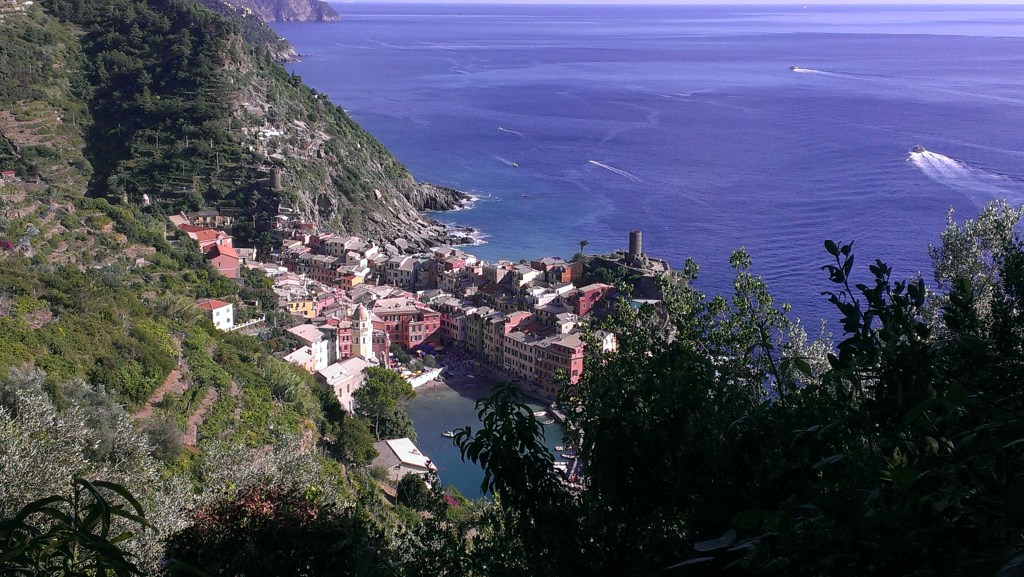
If you are allergic to crowds, don’t approach Cinque Terre in summer. Instead head to Portovenere, Santa Margherita Ligure, or Camogli – all these villages offer similar coastal beauty with slightly fewer crowds. Hiking in the Ligurian Alps is always a good idea if you have enough time. Stay tuned – I will soon share the best hiking trails above Levanto.
Driving along Liguria’s coastline is beautiful but slow. Roads are narrow, parking can be difficult, and summer traffic builds quickly. Patience matters here more than speed.
Vineyards and Long Lunches: Welcome to Piemonte!
If Tuscany feels internationally famous, Piedmont feels quietly confident. It doesn’t try too hard to impress you. The region is defined by rolling vineyard hills, elegant towns, white truffles, and some of Italy’s greatest wines. Areas like Langhe, Barolo, and Barbaresco are ideal for slowing down during the final stretch of the trip. The roads twist gently between vineyards, tiny villages sit on hilltops overlooking endless green landscapes, and nearly every small town seems to hide another exceptional restaurant or family-run winery.
One thing I personally love about Piedmont is how authentic it still feels compared to some of Italy’s more internationally crowded regions. Wine tastings here often happen in small cellars where the owners themselves pour the glasses and explain the history behind the wines. Long lunches easily turn into entire afternoons without feeling rushed.
Barolo is usually the obvious starting point and absolutely deserves the reputation. The surrounding countryside is stunning, especially during golden hour when the vineyards glow softly across the hills. Nearby La Morra became one of my favorite stops simply because of the panoramic views over the Langhe region. It’s the kind of place where you sit down for a coffee and accidentally stay for two hours.
Alba is another must-visit, especially if you arrive during truffle season in autumn. The town feels elegant but relaxed, with beautiful streets, wine bars, and some of the best food experiences in Northern Italy. If you want somewhere quieter, villages like Monforte d’Alba and Neive often feel even more special because life moves so slowly there.
Even if you are not a serious wine enthusiast, you will fall in love with Piedmont because the scenery itself is extraordinary. There’s a softness to the landscapes here that feels completely different from the sharp peaks of the Dolomites or the coastline near Cinque Terre. By this point in the road trip, Piedmont becomes less about checking sights off a list and more about enjoying the rhythm of Northern Italy itself.
Back to Milan: Ending Your Road Trip
Eventually, it’s time to complete the loop and drive back toward Milan to catch your flight home. Within one road trip, you move from modern cities and alpine lakes to towering mountains, Mediterranean villages, vineyard hills, and historic towns — and it all connects naturally. Milan becomes both the beginning and the ending point of a journey that constantly changes scenery, atmosphere, and pace without ever losing its distinctly Italian character.
What First-Time Drivers in Italy Need to Know
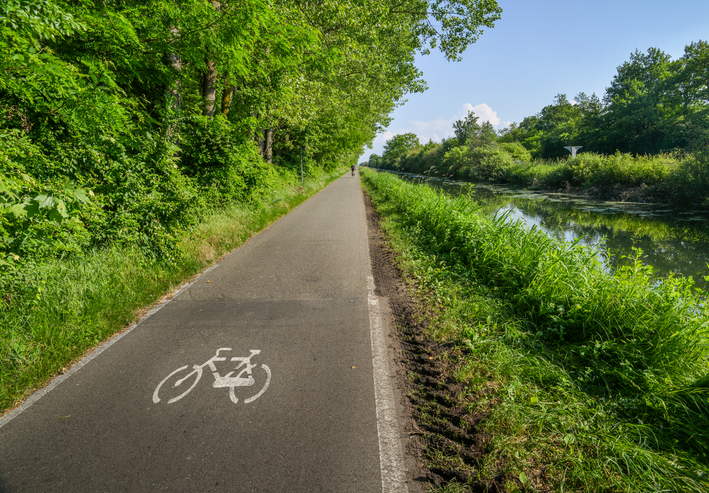
Timing plays a huge role in Northern Italy road trips. Spring and autumn are generally ideal. May, June, September, and October offer pleasant weather, fewer crowds, and some of the most beautiful scenery of the year.
Summer remains popular, particularly around lakes and coastal areas, but traffic and accommodation prices increase sharply in July and August. Winter can also work beautifully if your focus includes skiing or Christmas markets, especially around the Dolomites.
Driving in Northern Italy is usually straightforward, but there are a few things first-time visitors should know. Many highways are toll roads, city centers often have restricted traffic zones called ZTLs, and parking inside historic towns can become frustrating quickly.
Smaller cars generally make life easier, especially in old towns with narrow streets. And despite stereotypes about Italian driving, most road conditions are excellent.
What makes Northern Italy road trips so memorable isn’t just the scenery itself. It’s the rhythm of the experience. Morning espresso stops at a café. Long lunches in tiny villages you accidentally discovered. Mountain roads opening into vineyard landscapes within the same afternoon. Evenings ending with wine while church bells echo through historic town centers.
Northern Italy constantly shifts between elegance and simplicity. One moment feels luxurious, the next feels deeply local and unfiltered. And unlike fast-paced city travel, road trips here encourage you to slow down naturally. The beauty isn’t only in arriving somewhere famous. It’s in the drives between destinations, the unexpected viewpoints, the roadside restaurants, and the villages you never planned to visit. That’s why I bet that when you will be leaving the Northern Italy, you will be already planning to come back. Not because you missed something. But because the entire region feels impossible to fully experience in just one trip.
 Nomadlytics
Leave a comment