
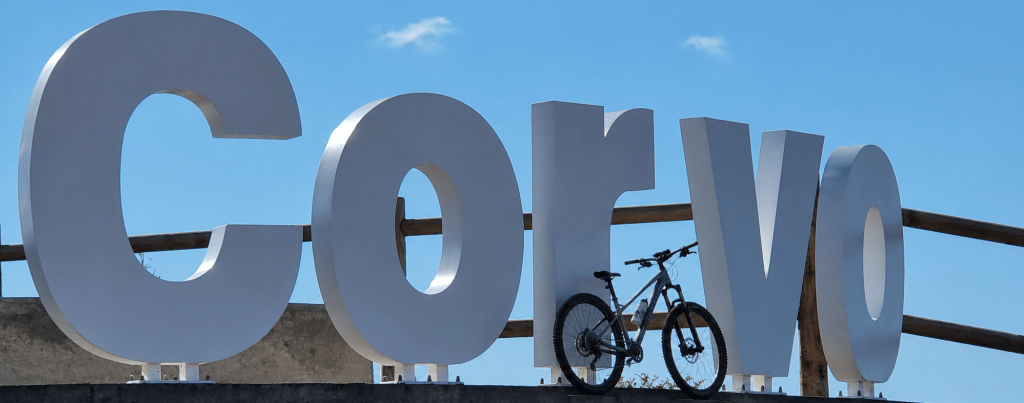
There are islands where you plan every detail—and then there is Corvo Island, where planning matters less than presence. The smallest island in the Azores feels like a world apart. There’s just one village, no car rental agencies, and only a handful of roads. What it lacks in infrastructure, it makes up for in raw beauty: volcanic cliffs, crater lakes, endless ocean, and a silence that’s almost disorienting at first. One day is enough to see the whole island but Corvo is not a monument to check off your bucket list. If you visit Azores, means you want to immerse yourself in pure nature. And Corvo is a perfect place to do that. A full week allows you to explore every trail, cycle every road, and still have time to sit by the sea and do absolutely nothing. Ready?
Why Corvo Is Perfect for a Bike & Hike Trip
Corvo is tiny—just 6.5 km long—but it’s not flat. The island rises steeply toward its volcanic crown, meaning cycling is best combined with hiking. A bike gives you freedom to move quickly between trailheads and viewpoints, while walking lets you truly experience the landscape. You won’t find traffic here. You might not even see another traveler for hours.
Accommodation

All accommodation is in or around Vila do Corvo, the island’s only settlement. Staying here keeps everything within reach—restaurants, small grocery stores, the harbor, and the start of most routes.
Look for local guesthouses, family-run accommodations or small apartments. Everything is within walking distance, so your bike becomes a tool for exploration, not necessity. I recommend Joe & Vera’s vintage Place. This little guest house is set on a hillside overlooking the village and the ocean. You will love the panoramic sea views, the warm hospitality. If you did not bring your own bike, here you can rent one. Book directly on their website here or simply call them to get the best offer.
How to Get there with a Bike

Corvo is remote. It is the smallest and most isolated island in the Azores. There are no direct international connections, and reaching it always involves at least one (usually two) transfers. But the logistics are simpler than they seem once you break them down. You need to fly to São Miguel or Terceira Island (two main hubs of the Azores). You can read more about these two and other islands in my previous posts here.
If you’re traveling with a bike, this first leg is straightforward. Most airlines allow bicycles as sports equipment, but you’ll need:
- A proper bike bag or box
- Advance booking for the bike
- Basic disassembly (pedals off, handlebars turned, tires slightly deflated)
Reach Flores Island on your way to Corvo
You cannot fly directly to Corvo from the main islands without limited schedules—you must fly to Flores first. And stay there, it’s worth it!
Traveling with your bike on inter-island flights
- Space is very limited
- Bikes must be booked in advance
- Weight and size restrictions are stricter than on international flights
Contact the SATA Airline directly after booking your ticket to confirm bike transport. Don’t assume it’s guaranteed.
Ferry from Flores to Corvo (Best Option with a Bike)
From Flores Island, the easiest and most bike-friendly way to reach Corvo is by ferry so you don’t need to disassemble your bike plus you can enjoy a scenery during this 1h long crossing. There are no weight limits and your bike is treated just like any other luggage. The only important thing to notice is that ferries run seasonally (May–October) and schedules depend on weather and demand. As you might have understood, Azores smaller islands are not a destination for someone who is in rush. Take your time, be patient and check the schedules on Atlanticonline official website. Booking in advance is strongly recommended.
Just imagine, rolling your bike straight off the boat. You’re instantly in the center of everything. There are no long transfers, no taxis needed, no complicated logistics. Within minutes, you’re riding through one of the most remote places in Europe.
Bring your own or Rent a Bike?
If cycling matters to you, bring your own. If your logistics does not allow you this, rent a bike on Terceira or Sao Miguel (where you have more choice and availability in terms of rentals) and then travel by ferry to Corvo. You can plan a cycling trip in more than one Azores Island. Still, if you arrive without a bike, check the Joe & Vera’s vintage Place where you can rent a bike. Book in advance!
7-Day Corvo Island Bike&Hike Itinerary

Day 1 – Arrival & First Ride Around the Village
Arriving on Corvo is an experience in itself. The scale of the island becomes immediately clear. After settling in, take a gentle bike ride around Vila do Corvo. The streets are narrow, the houses traditional, and the atmosphere deeply local. Ride out toward the coastline and get your first look at the Atlantic crashing against black volcanic rock. Keep it easy. This day is about adjusting to the island’s rhythm.
Day 2 – The Climb to Caldeirão

This is the defining experience of Corvo. Start early and cycle as far as the road allows toward Caldeirão. The climb is steep in sections, but manageable with breaks—or easier with an e-bike if you have one. At a certain point, you’ll leave the bike and continue on foot.
What awaits is breathtaking: a massive volcanic crater dotted with small lakes and green islets. A real untouched nature. Walk along the rim, descend partially into the crater and spend time simply absorbing the silence. Return slowly, stopping at viewpoints along the way.
Day 3 – Coastal Ride & Cliffs Exploration
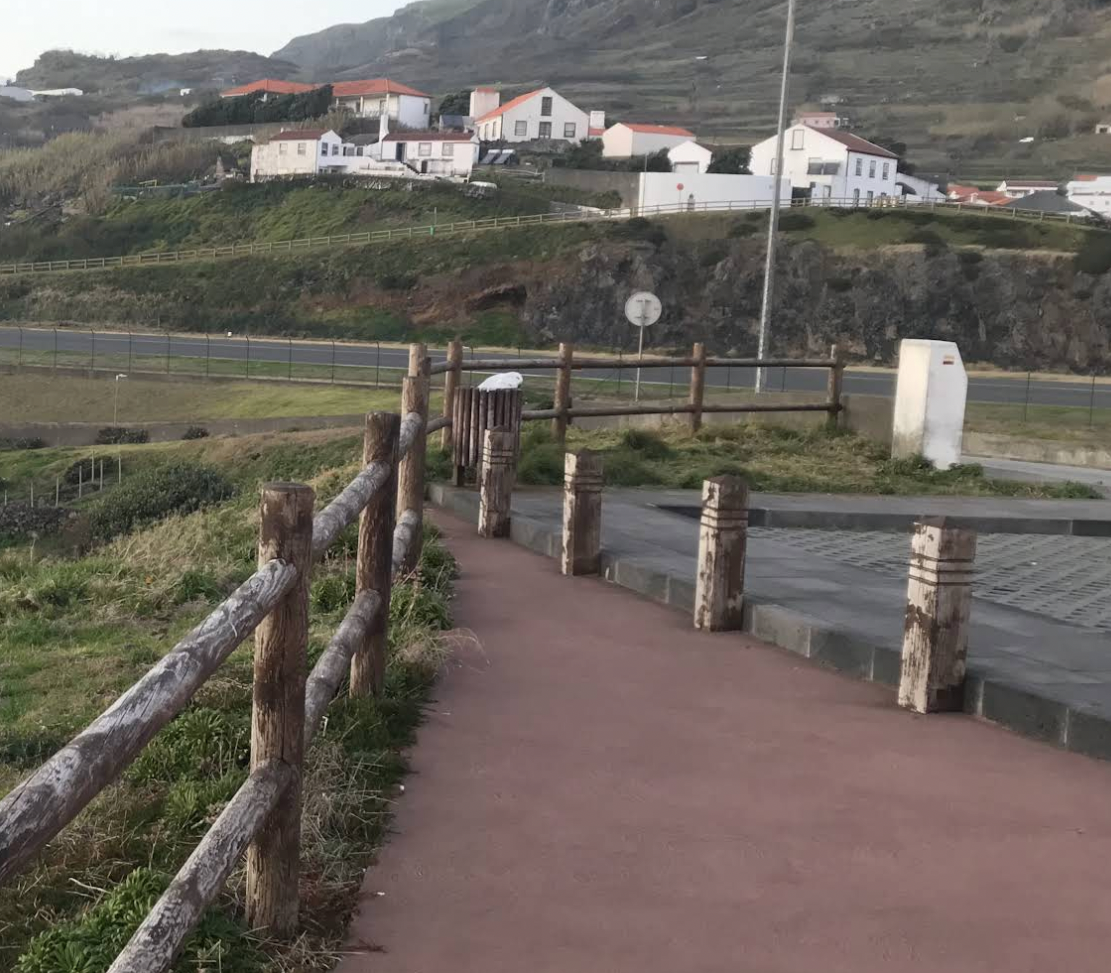
Today is about the coastline. Cycle along the island’s main road, which loosely circles Corvo. The ride is short in distance but rich in scenery—vertical cliffs, grazing cattle, and endless ocean views. Stop frequently. There’s no rush here. Find a quiet spot along the coast for your lunch break and watch seabirds riding the wind. Corvo is a paradise for birdwatchers, especially during migration seasons.
Day 4 – Hiking Day: Interior Trails
Leave the bike behind for one day and explore Corvo on foot. There are several informal and marked trails leading through the island’s interior. These paths take you across green pastures, volcanic ridges, and remote viewpoints. Without the bike, you’ll notice more—the sound of wind through grass, the shifting light, the scale of the ocean surrounding you. Pack water and snacks. Once you leave the village, there are no services. If you want a suggestion of a scenic trail, check my post about discovering untouched nature on Corvo.
Day 5 – Slow Day: Sea, Village & Rest
After a few active days, Corvo invites you to relax. Spend the morning by the harbor or natural swimming areas near Vila do Corvo. The water is clear and refreshing, especially in summer. Wander through the village, talk to locals if the opportunity arises, and enjoy a long, unhurried meal. This is not a “filler” day—it’s essential to experiencing the real life of the island. Could you live here?
Day 6 – Sunrise or Sunset Ride And Hidden Corners
Use your bike to explore places you may have passed earlier. An early morning or late afternoon ride is magical here. The light softens, the island feels even quieter, and the landscape takes on a different character. Revisit your favorite viewpoints or search for new ones. On an island this small, discovery isn’t about distance—it’s about perspective.
Day 7 – Final Walk & Departure

On your last day, take a short walk along the coast or back toward the lower slopes of the crater or walk to Ponta do Marco. Check my last year’s post about visiting Corvo for some inspiration.
Practical Tips for Visiting Corvo by Bike
Cycling on Corvo is simple but requires the right mindset. The terrain can be steep, so a comfortable bike—or even an e-bike—makes a big difference. That said, distances are short enough that nothing ever feels out of reach.
Bike rentals are limited and informal, often arranged through local accommodations. If cycling is central to your trip, bringing your own bike is worth considering.
Weather changes quickly. You might experience sun, mist, and wind all in one day, especially near the crater. Layers are essential.
And most importantly: embrace the slowness. Corvo is not a place to optimize—it’s a place to experience.
The Best Time to Cycle and Hike Corvo Island

Late Spring to Early Autumn (May to October)
This is, without question, the best window for a cycling and hiking trip. From May onward, Corvo begins to open up. Trails dry out, the skies clear more frequently, and ferry connections from Flores Island become more regular—important if you’re traveling with a bike.
June and July strike a near-perfect balance. The island is still lush and intensely green from spring rains, wildflowers are in bloom, and temperatures sit comfortably between 18°C and 24°C. These are ideal conditions for climbing toward the crater or spending long days exploring on foot and by bike without overheating.
August brings warmer days and the most stable weather overall. The ocean is at its most inviting, which makes those post-hike or post-ride swims especially rewarding. While it’s technically the “high season,” Corvo never feels crowded in the way larger destinations do.
September is often the hidden gem. The sea remains warm, the light softens, and the island becomes even quieter. For many travelers, this is the most atmospheric time to visit—perfect for slow cycling and reflective hikes.
On Corvo, the weather doesn’t just influence your comfort—it shapes your entire itinerary. The island’s main highlight, Caldeirão, is highly dependent on visibility. On clear days, it’s breathtaking: a vast green crater dotted with lakes. But when clouds roll in—and they often do—you may find yourself standing at the rim with nothing but white mist below. Summer months offer the best chance of clear views, especially in the morning. Starting early is often the difference between seeing the crater in full detail or missing it entirely.
Wind is another constant presence. Even in the best months, steady Atlantic breezes are part of daily life. They’re usually manageable, but they can make cycling more demanding—especially on exposed roads. Planning rides with the wind direction in mind becomes part of the rhythm of the island.
When to Avoid Cycling and Hiking on Corvo?
From November through March, Corvo shifts into a much more unpredictable phase. Rain becomes frequent, trails can turn muddy and slippery, and strong winds are more common. While temperatures rarely drop dramatically, conditions for hiking—especially around the crater—can be challenging or even unsafe at times. Cycling is still possible, but it becomes less about enjoyment and more about working around the weather. Visibility is also less reliable, meaning you could miss out on the island’s most iconic landscapes.
April and November are transitional months. They can offer beautiful days, but they can also bring persistent fog or rain. If your schedule is flexible, you might get lucky—but it’s not a risk-free choice.
If your goal is the best overall balance of weather and trail conditions, aim for June or September. If you want the greenest landscapes and fewer visitors, late May or early June is ideal. If you’re drawn to warm swims and the most stable conditions, August and early September are your best bet.

What makes Corvo Island so special is its raw, untouched nature—and that means accepting a certain level of unpredictability. Choose the right season, and you’ll find yourself cycling along silent roads under clear Atlantic skies, then hiking into a volcanic crater that feels like another world. Get the timing wrong, and the same places may be hidden behind clouds and wind. But when everything aligns, Corvo offers something rare: a place where movement—by bike or on foot—feels completely in sync with the landscape.
A week on Corvo Island, moving only by bike and on foot, strips travel down to its essentials. No traffic. No noise. No distractions. Just you, a small volcanic island in the Atlantic, and the quiet realization that sometimes the smallest places leave the biggest impression.


Leave a comment